
PDF কে মঙ্গোলিয়ান অনুবাদ করুন
আপনার দর্শকদের জন্য সঠিক স্ক্রিপ্ট এনকোডিং সহ মঙ্গোলিয়ানে পিডিএফ রূপান্তর করুন - মঙ্গোলিয়ার জন্য সিরিলিক মঙ্গোলিয়ান এবং অভ্যন্তরীণ মঙ্গোলিয়ার জন্য ঐতিহ্যবাহী উল্লম্ব স্ক্রিপ্ট। মূল লেআউট এবং ফরম্যাটিং সংরক্ষিত থাকে। ১ জিবি পর্যন্ত ফাইল।
অনুবাদ করার জন্য নথি আপলোড বা ড্রপ করুন
সর্বোচ্চ ফাইল সাইজ 1 GB
- স্ক্যান এবং ফটোর জন্য OCR
- ১০৮টি ভাষা
- মূল লেআউট অপরিবর্তিত রাখা হয়েছে
আপনি যখন একটি পিডিএফ মঙ্গোলিয়ানে অনুবাদ করেন তখন কী ঘটে
মঙ্গোলিয়ান দুটি ভিন্ন স্ক্রিপ্টে লেখা হয় দর্শকদের উপর নির্ভর করে, এবং একটি পিডিএফ অনুবাদের জন্য ভুলটি নির্বাচন করা একটি কসমেটিক ত্রুটি নয় - এটি তার উদ্দিষ্ট পাঠকদের জন্য কার্যকরীভাবে অকেজো করে তোলে। মঙ্গোলিয়াতে (বাহ্যিক মঙ্গোলিয়া), ১৯৪০ এর দশক থেকে সরকারি লিখিত মান হল সিরিলিক মঙ্গোলিয়ান: রাশিয়ান সিরিলিক বর্ণমালার উপর ভিত্তি করে ৩৫টি অক্ষর যার দুটি মঙ্গোলিয়ান-নির্দিষ্ট সংযোজন, ও-উমলাউট এবং ইউ-উমলাউট, যা রাশিয়ান ভাষায় অনুপস্থিত সামনের গোলাকার স্বরধ্বনিকে প্রতিনিধিত্ব করে। এই দুটি অক্ষর মঙ্গোলিয়ান লক্ষ্য করে যেকোনো পিডিএফ অনুবাদ ইঞ্জিনের জন্য গুরুত্বপূর্ণ রেন্ডারিং পরীক্ষা: যদি আউটপুট সেগুলিকে স্ট্যান্ডার্ড সিরিলিক বিকল্প বা ফন্ট ফলব্যাক কারণে খালি বাক্স দিয়ে প্রতিস্থাপন করে, তবে টেক্সট মৌলিক স্তরে ভুল বানানযুক্ত। অভ্যন্তরীণ মঙ্গোলিয়াতে, তুলনামূলক সংখ্যক মঙ্গোলিয়ান ভাষাভাষী সহ চীনের একটি স্বায়ত্তশাসিত অঞ্চল, সরকারি মান হল ঐতিহ্যবাহী মঙ্গোলিয়ান স্ক্রিপ্ট - একটি উল্লম্ব বর্ণমালা যা উপর থেকে নীচে এবং ডান থেকে বামে লেখা হয়, যা সিরিলিক থেকে সম্পূর্ণ ভিন্ন ভিজ্যুয়াল কাঠামো এবং ইউনিকোড এনকোডিংয়ে।।
মঙ্গোলিয়ান ব্যাকরণ অনুবাদের চ্যালেঞ্জকে আরও বাড়িয়ে তোলে। ভাষাটি অ্যাগ্লুটিনেটিভ, যার অর্থ ব্যাকরণগত সম্পর্কগুলি পৃথক কণা বা শব্দ-ক্রম পরিবর্তনের পরিবর্তে মূল শব্দের সাথে প্রত্যয় যুক্ত করে প্রকাশ করা হয়। এটি সাবজেক্ট-অবজেক্ট-ভার্ব (SOV) শব্দ ক্রম অনুসরণ করে, ইংরেজির বিপরীত, তাই একটি সরাসরি শব্দ-প্রতি-শব্দ ম্যাপিং বাক্য তৈরি করে যেখানে ক্রিয়া শেষে আসে এবং মডিফায়ারগুলি হেড নাউনের আগে আসে। মঙ্গোলিয়ানে আটটি ব্যাকরণগত কেস রয়েছে - নমিনেটিভ, অ্যাকুজেটিভ, জেনিটিভ, ডেটিভ-লোকাটিভ, অ্যাবলেটিভ, ইন্সট্রুমেন্টাল, কোমিটেটিভ এবং ডিরেক্টিভ - প্রতিটি প্রত্যয় দ্বারা চিহ্নিত। কোনও ব্যাকরণগত লিঙ্গ নেই। মঙ্গোলিয়ানে একটি স্বর সঙ্গতি সিস্টেমও রয়েছে যা স্বরগুলিকে সামনের, পিছনের এবং নিরপেক্ষ শ্রেণীতে বিভক্ত করে, এবং প্রত্যয়গুলি অবশ্যই মূল শব্দের স্বর শ্রেণীর সাথে মিলতে হবে যা তারা সংযুক্ত করে। একটি অনুবাদ ইঞ্জিন যা স্বর সঙ্গতি সঠিকভাবে প্রয়োগ করে না তা ব্যাকরণগতভাবে ভাঙা মঙ্গোলিয়ান তৈরি করবে এমনকি যখন পৃথক শব্দগুলি সঠিক হয়।
মঙ্গোলিয়ানের প্রায় ৫ মিলিয়ন ভাষাভাষী দুটি প্রধান রাজনৈতিক সত্ত্বাজুড়ে ছড়িয়ে আছে। মঙ্গোলিয়াতে প্রায় ২.৭ মিলিয়ন ভাষাভাষী বাস করে, যেখানে সিরিলিক মঙ্গোলিয়ান রাষ্ট্র ভাষা যা সমস্ত সরকারি নথি, আদালতের কার্যক্রম, শিক্ষা এবং মিডিয়ায় ব্যবহৃত হয়। অভ্যন্তরীণ মঙ্গোলিয়া (চীন) তে প্রায় ৪ থেকে ৫ মিলিয়ন জাতিগত মঙ্গোলিয়ান রয়েছে, যদিও প্রায় ১.৭ মিলিয়ন মঙ্গোলিয়ানকে প্রাথমিক ভাষা হিসাবে ব্যবহার করে, যেখানে শহরাঞ্চলে চীনা প্রভাবশালী। ঐতিহ্যবাহী মঙ্গোলিয়ান স্ক্রিপ্ট অভ্যন্তরীণ মঙ্গোলিয়াতে মঙ্গোলিয়ানের জন্য সরকারি স্ক্রিপ্ট হিসাবে রয়ে গেছে, এবং আঞ্চলিক সরকারি নথি, স্কুল শংসাপত্র এবং আনুষ্ঠানিক চিঠিপত্র এটি ব্যবহার করে। রাশিয়া, দক্ষিণ কোরিয়া, জাপান এবং ইউরোপ ও উত্তর আমেরিকা জুড়ে ছোট মঙ্গোলিয়ান সম্প্রদায়ও বিদ্যমান, যেখানে দক্ষিণ কোরিয়া এবং জাপান এই অঞ্চলের বাইরের মঙ্গোলিয়ান ছাত্র এবং অভিবাসীদের জন্য বৃহত্তম গন্তব্য।
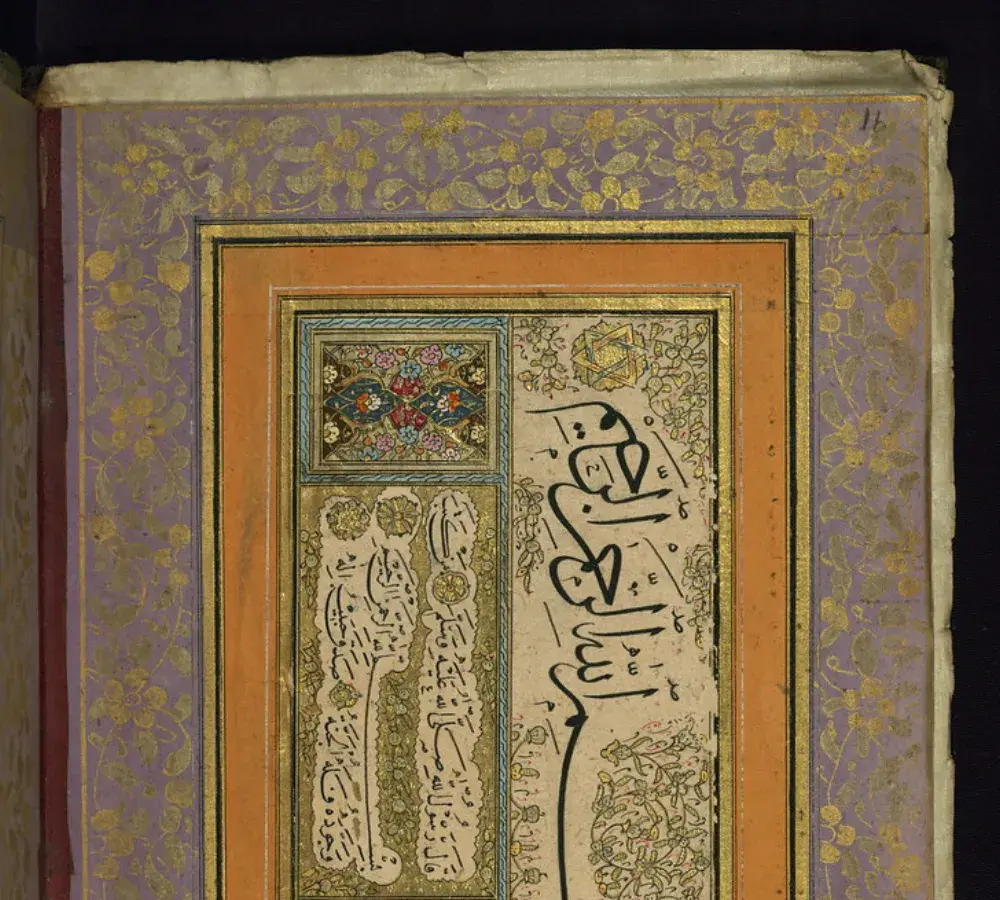
দুটি স্ক্রিপ্ট, একটি ভাষা: কেন লক্ষ্য দর্শক এনকোডিং নির্ধারণ করে
ঐতিহ্যবাহী মঙ্গোলিয়ান স্ক্রিপ্ট আধুনিক ব্যবহারের কয়েকটি লিখন পদ্ধতির মধ্যে একটি যা উল্লম্বভাবে চলে। লাইনগুলি উপর থেকে নীচে চলে, এবং কলামগুলি বাম থেকে ডানে সাজানো থাকে - হিব্রু বা আরবি কলামের দিকের বিপরীত, এবং ল্যাটিন বা সিরিলিক পাঠ্যের তুলনায় ৯০ ডিগ্রি ঘোরানো। পিডিএফগুলি নেটিভভাবে স্ট্যান্ডার্ড ইউনিকোড দ্বিমুখী বৈশিষ্ট্যগুলির মাধ্যমে বাম-থেকে-ডান এবং ডান-থেকে-বাম অনুভূমিক পাঠ্য পরিচালনা করে, তবে উল্লম্ব পাঠ্যের জন্য সুস্পষ্ট উল্লম্ব লেআউট সমর্থনের প্রয়োজন। একটি পিডিএফ অনুবাদক যা সঠিক উল্লম্ব ওরিয়েন্টেশন ছাড়াই ঐতিহ্যবাহী মঙ্গোলিয়ান স্ক্রিপ্ট আউটপুট করে তা একটি নথি তৈরি করবে যেখানে পাঠ্য দৃশ্যত জumbled - উল্লম্ব স্ক্রিপ্টের অক্ষরগুলি অনুভূমিক লাইনে জোর করে। ঐতিহ্যবাহী মঙ্গোলিয়ান স্ক্রিপ্টের জন্য ইউনিকোড ব্লক (U+1800 থেকে U+18AF) আরও জটিলতা যোগ করে কারণ অনেক মঙ্গোলিয়ান অক্ষরের প্রসঙ্গ-সংবেদনশীল গ্লিফ ফর্ম রয়েছে যা একটি শব্দের শুরুতে, মাঝে বা শেষে তাদের অবস্থান এবং পার্শ্ববর্তী সিলেবলের স্বর শ্রেণীর উপর নির্ভর করে পরিবর্তিত হয়। সঠিক রেন্ডারিংয়ের জন্য সম্পূর্ণ মঙ্গোলিয়ান OpenType গ্লিফ সেট সহ একটি ফন্ট এবং প্রাসঙ্গিক প্রতিস্থাপন নিয়ম প্রয়োগকারী একটি লেআউট ইঞ্জিন প্রয়োজন।
সিরিলিক মঙ্গোলিয়ান, যা মঙ্গোলিয়াতে ব্যবহৃত হয়, কম লেআউট চ্যালেঞ্জ উপস্থাপন করে তবে এখনও দুটি মঙ্গোলিয়ান-নির্দিষ্ট অক্ষরের জন্য সঠিক ফন্ট এবং ইউনিকোড কোড পয়েন্ট প্রয়োজন। পিডিএফ অনুবাদের জন্য ব্যবহারিক পরিণতি হল যে কোনও অনুবাদককে আউটপুট স্ক্রিপ্ট নির্বাচন করার আগে উদ্দিষ্ট দর্শক নিশ্চিত করতে হবে। উলানবাটরের মঙ্গোলিয়ান সরকারি মন্ত্রকের জন্য নির্ধারিত একটি খনি চুক্তি সিরিলিক ভাষায় হতে হবে। অভ্যন্তরীণ মঙ্গোলিয়া আঞ্চলিক সরকারের জমা বা অভ্যন্তরীণ মঙ্গোলিয়া স্বাভাবিক বিশ্ববিদ্যালয় থেকে একটি বিশ্ববিদ্যালয় শংসাপত্র ঐতিহ্যবাহী মঙ্গোলিয়ান স্ক্রিপ্ট ব্যবহার করতে হবে। অভিবাসন নথির জন্য, কোরিয়া এবং জাপানি বিশ্ববিদ্যালয়গুলি যারা মঙ্গোলিয়ান ছাত্রদের ভর্তি করে তারা সাধারণত বাহ্যিক মঙ্গোলিয়ার আবেদনকারীদের কাছ থেকে সিরিলিক মঙ্গোলিয়ানে নথি গ্রহণ করে, যখন অভ্যন্তরীণ মঙ্গোলিয়ার শিক্ষার্থীরা ঐতিহ্যবাহী স্ক্রিপ্টে বা চীনা ভাষায় নথি উপস্থাপন করতে পারে, যার জন্য সম্পূর্ণ ভিন্ন অনুবাদ কর্মপ্রবাহের প্রয়োজন।
সাধারণত ইংরেজি এবং মঙ্গোলিয়ানের মধ্যে অনুবাদ করা নথি
মঙ্গোলিয়ার খনি এবং সম্পদ নিষ্কাশন শিল্প - কয়লা, তামা, এবং সোনা জাতীয় অর্থনীতিতে আধিপত্য বিস্তার করে - দ্বিপাক্ষিক ইংরেজি-মঙ্গোলিয়ান চুক্তি অনুবাদের জন্য উল্লেখযোগ্য চাহিদা তৈরি করে। ওইয়ু টলগোই তামা এবং সোনার খনি, বিশ্বের বৃহত্তমগুলির মধ্যে একটি, এমন চুক্তি পরিচালনা করে যার জন্য সরকারি এবং স্থানীয় সম্প্রদায়ের পর্যালোচনার জন্য মঙ্গোলিয়ান-ভাষার সংস্করণ প্রয়োজন। তাভান টলগোই কয়লা আমানত একাধিক আন্তর্জাতিক অপারেটর জড়িত যাদের চুক্তি মঙ্গোলিয়ান নিয়ন্ত্রক প্রয়োজনীয়তা মেনে চলতে হবে, যার মধ্যে সরকারি ফাইলিং সিরিলিক মঙ্গোলিয়ানে থাকার প্রয়োজনীয়তা অন্তর্ভুক্ত। একাডেমিক প্রতিষ্ঠানগুলি একটি পৃথক বিভাগ উপস্থাপন করে: উলানবাটরের জাতীয় বিশ্ববিদ্যালয় থেকে ডিপ্লোমা এবং ট্রান্সক্রিপ্টগুলি প্রায়শই স্নাতক আবেদন, কর্মসংস্থান যাচাইকরণ এবং শংসাপত্র মূল্যায়নের জন্য ইংরেজিতে অনুবাদ করা হয়। সবচেয়ে সাধারণ নথি প্রকারগুলির মধ্যে রয়েছে:
- দক্ষিণ কোরিয়া, জাপান, মার্কিন যুক্তরাষ্ট্র এবং ইউরোপীয় ইউনিয়নের দেশগুলিতে ভিসা আবেদনের জন্য মঙ্গোলিয়ান জাতীয় পরিচয়পত্র এবং পাসপোর্ট
- খনি এবং সম্পদ খাতের চুক্তি - কয়লা, তামা, সোনা - সরকারি জমা এবং নিয়ন্ত্রক সম্মতির জন্য সিরিলিক মঙ্গোলিয়ান সংস্করণের প্রয়োজন
- বিদেশী শংসাপত্র স্বীকৃতির জন্য মঙ্গোলিয়ার জাতীয় বিশ্ববিদ্যালয় থেকে ডিপ্লোমা এবং একাডেমিক ট্রান্সক্রিপ্ট
- আইনি বা প্রশাসনিক উদ্দেশ্যে ঐতিহ্যবাহী মঙ্গোলিয়ান স্ক্রিপ্টে অভ্যন্তরীণ মঙ্গোলিয়া আঞ্চলিক সরকারি নথি
- দক্ষিণ কোরিয়া এবং জাপানে অধ্যয়নরত মঙ্গোলিয়ান নাগরিকদের জন্য অভিবাসন এবং ছাত্র ভিসা নথি - বিদেশে মঙ্গোলিয়ান ছাত্রদের জন্য দুটি বৃহত্তম গন্তব্য
- জন্ম শংসাপত্র, বিবাহের শংসাপত্র, এবং পারিবারিক-ভিত্তিক অভিবাসন পিটিশনের জন্য নাগরিক অবস্থার নথি
- মঙ্গোলিয়াতে কর্মরত আন্তর্জাতিক ফার্মাসিউটিক্যাল কোম্পানিগুলির জন্য চিকিৎসা প্রতিবেদন এবং ক্লিনিকাল ট্রায়াল ডকুমেন্টেশন
এআই অনুবাদ পঠন বোধগম্যতা, অভ্যন্তরীণ পর্যালোচনা এবং নথি প্রস্তুতির জন্য সঠিক ওয়ার্কিং ড্রাফট তৈরি করে। সরকারি জমা, ভিসা আবেদন বা আদালতের ব্যবহারের জন্য, একজন প্রত্যয়িত অনুবাদ যা একজন যোগ্য মানব অনুবাদক দ্বারা পর্যালোচনা এবং স্বাক্ষরিত হয়, তা প্রয়োজন। USCIS বা অন্যান্য দেশের সমতুল্য কর্তৃপক্ষের কাছে দাখিল করা অভিবাসন পিটিশনের জন্য অনুবাদ সম্পূর্ণ এবং সঠিক বলে একটি স্বাক্ষরিত শংসাপত্র প্রয়োজন। শংসাপত্রে কী অন্তর্ভুক্ত থাকতে হবে তার বিশদ বিবরণের জন্য USCIS অনুবাদ প্রয়োজনীয়তা দেখুন।
ইংরেজি থেকে মঙ্গোলিয়ান পিডিএফ অনুবাদ মূল্য
বিনামূল্যে সাইন আপ করুন, প্রতি ডকুমেন্টে অর্থ প্রদান করুন এবং আপনার অনুবাদের চাহিদা বাড়ার সাথে সাথে আপগ্রেড করুন।
Free
সাইন আপ করার জন্য কার্ডের প্রয়োজন নেই
- $০.০০৫/শব্দ এআই অনুবাদ
- স্ক্যান এবং ইমেজ PDF এর জন্য প্রতি পৃষ্ঠা $1
- ১০৮টি ভাষা
- 20 MB এবং 20 পৃষ্ঠা পর্যন্ত ফাইল
- DOCX, PDF, XLSX, PPTX, IDML, TXT, JPG, PNG এবং CSV
- শুধুমাত্র 24-ঘন্টা ফাইল স্টোরেজ
- PDF এডিটর এবং PDF থেকে DOCX কনভার্টার
বেসিক
সবচেয়ে জনপ্রিয়প্রতি সপ্তাহে বিল করা · যেকোনো সময় বাতিল করুন
মাসিকভাবে বিল করা
এক বছরে বিল করা · ৩৩% সাশ্রয় করুন
- প্রতি মাসে এআই অনুবাদ অন্তর্ভুক্ত
- তারপর $০.০০৫/শব্দ এআই অনুবাদ
- ১০০ এমবি পর্যন্ত ফাইল এবং ৩০০ পৃষ্ঠা
- DOCX, PDF, XLSX, PPTX, IDML, TXT, JPG, PNG এবং CSV
- স্ক্যান করা ডকুমেন্টের জন্য OCR
- ডকুমেন্ট স্টোরেজ
- অগ্রাধিকার সহায়তা
- মাসিক প্ল্যানে ৭ দিনের বিনামূল্যে ট্রায়াল
- যেকোনো সময় বাতিল করুন
Pro
মাসিকভাবে বিল করা
এক বছরে বিল করা · ৩৪% সাশ্রয় করুন
- প্রতি মাসে এআই অনুবাদ অন্তর্ভুক্ত
- তারপর $০.০০৪/শব্দ এআই অনুবাদ
- ১ জিবি পর্যন্ত ফাইল এবং ৫,০০০ পৃষ্ঠা
- DOCX, PDF, XLSX, PPTX, IDML, TXT, JPG, PNG এবং CSV
- শব্দকোষ
- অগ্রাধিকার কিউ
- ৫টি টিম আসন
- API অনুরোধ · প্রতি মাসে ১,০০০ পৃষ্ঠা
- এআই সহকারীদের জন্য MCP অ্যাক্সেস
- যেকোনো সময় বাতিল করুন
বিজনেস
মাসিকভাবে বিল করা
এক বছরে বিল করা · ৩৩% সাশ্রয় করুন
- প্রতি মাসে এআই অনুবাদ অন্তর্ভুক্ত
- তারপর $০.০০৩/শব্দ এআই অনুবাদ
- ১ জিবি পর্যন্ত ফাইল এবং ৫,০০০ পৃষ্ঠা
- DOCX, PDF, XLSX, PPTX, IDML, TXT, JPG, PNG এবং CSV
- শব্দকোষ
- অগ্রাধিকার কিউ
- ১৫টি টিম আসন
- API অনুরোধ · প্রতি মাসে ৫,০০০ পৃষ্ঠা
- এআই সহকারীদের জন্য MCP অ্যাক্সেস
- যেকোনো সময় বাতিল করুন
এন্টারপ্রাইজ
আরও বেশি ভলিউম, ইনভয়েসিং বা কাস্টম চুক্তি প্রয়োজন? একটি Enterprise প্ল্যান সম্পর্কে আমাদের সাথে কথা বলুন।
আপনার পিডিএফ মঙ্গোলিয়ানে কিভাবে অনুবাদ করবেন
একটি বিনামূল্যের অ্যাকাউন্ট তৈরি করুন
অনলাইন অনুবাদ ড্যাশবোর্ডে অ্যাক্সেস পেতে আপনার ইমেল দিয়ে সাইন আপ করুন।
আপনার পিডিএফ ফাইল আপলোড করুন
আপনার ফাইলটি টেনে আনুন এবং ড্রপ করুন অথবা এটি নির্বাচন করতে ব্রাউজ করুন। Pro এবং Business প্ল্যানে ১ জিবি পর্যন্ত ফাইল সমর্থিত।
মঙ্গোলিয়ান কে লক্ষ্য ভাষা হিসাবে চয়ন করুন
আপনার পিডিএফ-এর মূল ভাষা নির্বাচন করুন এবং লক্ষ্য ভাষা হিসাবে মঙ্গোলিয়ান সেট করুন। আউটপুট সিরিলিক মঙ্গোলিয়ান স্ক্রিপ্ট ব্যবহার করবে দুটি মঙ্গোলিয়ান-নির্দিষ্ট অক্ষর, ও-উমলাউট এবং ইউ-উমলাউট এর সঠিক এনকোডিং সহ।
অনুবাদ এবং ডাউনলোড করুন
"অনুবাদ" ক্লিক করুন এবং কয়েক মুহূর্ত অপেক্ষা করুন। আপনার অনুবাদিত পিডিএফ মঙ্গোলিয়ানে ডাউনলোড করার জন্য প্রস্তুত থাকবে, মূল লেআউট সংরক্ষিত থাকবে।
ইংরেজি থেকে মঙ্গোলিয়ান পিডিএফ অনুবাদ এফএকিউ
অনূদিত PDF কোন মঙ্গোলিয়ান স্ক্রিপ্ট ব্যবহার করবে - সিরিলিক না ঐতিহ্যবাহী?
DocTranslator সিরিলিক মঙ্গোলিয়ান আউটপুট করে, যা ১৯৪০ এর দশক থেকে মঙ্গোলিয়া (বাইরের মঙ্গোলিয়া) এর সরকারি লিখিত মান। সিরিলিক মঙ্গোলিয়ান ৩৫টি অক্ষর ব্যবহার করে - রাশিয়ান সিরিলিকের ৩৩টি অক্ষর এবং ও-উমলাউট ও ইউ-উমলাউট, যা মঙ্গোলিয়ান সামনের গোলাকার স্বরধ্বনিকে প্রতিনিধিত্ব করে এবং আউটপুটে সঠিকভাবে এনকোড করা হয়। যদি আপনার ঐতিহ্যবাহী মঙ্গোলিয়ান স্ক্রিপ্টের (চীনের অভ্যন্তরীণ মঙ্গোলিয়াতে আনুষ্ঠানিকভাবে ব্যবহৃত উল্লম্ব স্ক্রিপ্ট) প্রয়োজন হয়, তবে তার জন্য সেই স্ক্রিপ্ট সিস্টেমে পরিচিত একজন মানব অনুবাদকের সাথে একটি বিশেষ কর্মপ্রবাহের প্রয়োজন।
দুটি মঙ্গোলিয়ান-নির্দিষ্ট সিরিলিক অক্ষর কী এবং PDF অনুবাদের জন্য সেগুলি কেন গুরুত্বপূর্ণ?
দুটি অক্ষর হল মঙ্গোলিয়ান ও-উমলাউট এবং ইউ-উমলাউট। এগুলি রাশিয়ান ভাষায় নেই এমন সামনের গোলাকার স্বরধ্বনিকে প্রতিনিধিত্ব করে এবং দৃশ্যত অনুরূপ জার্মান উমলাউট অক্ষর থেকে ভিন্ন ইউনিকোড কোড পয়েন্ট। যদি কোনও অনুবাদ ইঞ্জিন এই অক্ষরগুলির জন্য সাধারণ রাশিয়ান সিরিলিক O এবং U প্রতিস্থাপন করে, বা ফন্ট ফলব্যাক সেগুলিকে খালি বাক্স হিসাবে ছেড়ে দেয়, তবে আউটপুট পাঠ্য মৌলিক স্তরে ভুল বানানে লেখা হবে। DocTranslator উপযুক্ত ইউনিকোড কোড পয়েন্ট এবং একটি সামঞ্জস্যপূর্ণ সিরিলিক ফন্ট ব্যবহার করে এই অক্ষরগুলি রেন্ডার করে।
মঙ্গোলিয়ান ব্যাকরণ কীভাবে প্রযুক্তিগত বা আইনি নথিগুলির অনুবাদকে প্রভাবিত করে?
মঙ্গোলিয়ান একটি সংযোজক ভাষা যাতে আটটি ব্যাকরণগত কারক এবং SOV শব্দক্রম রয়েছে, যা ইংরেজির SVO কাঠামোর বিপরীত। একটি আইনি চুক্তিতে, একটি বাক্যাংশের কর্ম পদটি ইংরেজির মতো পরে নয়, বরং ক্রিয়ার আগে আসে এবং বিশেষ্য পদের উপর কারক প্রত্যয়গুলি সেই ব্যাকরণগত তথ্য বহন করে যা ইংরেজি পূর্বসর্গ এবং শব্দক্রমের মাধ্যমে প্রকাশ করে। খনি চুক্তির মতো প্রযুক্তিগত নথিগুলির জন্য আইনি পদগুলির কারক অনুসারে সঠিকভাবে বিভক্তি এবং প্রত্যয়গুলির স্বর সঙ্গতি মূল শব্দের সাথে মেলে কিনা তা নিশ্চিত করা প্রয়োজন। মঙ্গোলিয়ান আইনি এবং প্রযুক্তিগত পাঠ্যের উপর প্রশিক্ষিত এআই মডেলগুলি আধুনিক প্রমিত নথিগুলির জন্য এই প্যাটার্নগুলি ভালভাবে পরিচালনা করে।
ভিসা এবং অভিবাসন উদ্দেশ্যে কোন মঙ্গোলিয়ান নথিগুলি সবচেয়ে বেশি অনুবাদ করা হয়?
সবচেয়ে সাধারণ নথিগুলি হল মঙ্গোলিয়ান জাতীয় পরিচয়পত্র, পাসপোর্ট, জন্ম শংসাপত্র, বিবাহের শংসাপত্র, এবং মঙ্গোলিয়ার জাতীয় বিশ্ববিদ্যালয়ের মতো প্রতিষ্ঠানগুলির একাডেমিক ডিপ্লোমা বা ট্রান্সক্রিপ্ট। দক্ষিণ কোরিয়া এবং জাপানে (মঙ্গোলিয়ান অভিবাসী এবং ছাত্রদের জন্য দুটি প্রধান গন্তব্য) ছাত্র বা কাজের ভিসার জন্য আবেদনকারী মঙ্গোলিয়ান নাগরিকরা নিয়মিতভাবে এগুলি কোরিয়ান, জাপানি এবং ইংরেজিতে অনুবাদ করার প্রয়োজন হয়। সরকারি অভিবাসন ফাইলিংয়ের জন্য, একটি এআই খসড়ার পরিবর্তে একটি স্বাক্ষরিত নির্ভুলতা বিবৃতি সহ একটি প্রত্যয়িত অনুবাদ প্রয়োজন।
খনি খাতে কোন ধরণের মঙ্গোলিয়ান ব্যবসায়িক নথিগুলি সাধারণত অনুবাদ করা হয়?
মঙ্গোলিয়া বিশ্বের কয়লা, তামা এবং সোনার শীর্ষ উৎপাদকদের মধ্যে অন্যতম, এবং খনি খাত ইংরেজি-মঙ্গোলিয়ান ব্যবসায়িক অনুবাদের জন্য বেশিরভাগ চাহিদা তৈরি করে। সাধারণ নথিগুলির মধ্যে রয়েছে যৌথ উদ্যোগ চুক্তি, পরিবেশগত প্রভাব মূল্যায়ন, সম্প্রদায় পরামর্শ প্রতিবেদন, মঙ্গোলিয়ান খনিজ সম্পদ ও পেট্রোলিয়াম কর্তৃপক্ষের কাছে নিয়ন্ত্রক দাখিল, রপ্তানি চুক্তি এবং স্থানীয় মঙ্গোলিয়ান কর্মীদের জন্য কর্মসংস্থান চুক্তি। সরকারি দাখিলগুলি সিরিলিক মঙ্গোলিয়ানে হতে হবে এবং আনুষ্ঠানিক কার্যধারার জন্য উপযুক্ত আনুষ্ঠানিক রেজিস্টার ব্যবহার করতে হবে।
আমি কত বড় মঙ্গোলিয়ান PDF অনুবাদ করতে পারি?
Pro এবং Business প্ল্যানে ১ জিবি বা ৫,০০০ পৃষ্ঠা পর্যন্ত, Basic প্ল্যানে ১০০ এমবি এবং ৩০০ পৃষ্ঠা, এবং Free প্ল্যানে ২০ এমবি এবং ২০ পৃষ্ঠা। একটি ছোট নমুনা অনুবাদ করতে $০.৯৯ থেকে খরচ হয় এবং এটি একটি সম্পূর্ণ ডকুমেন্ট অনুবাদের আগে মঙ্গোলিয়ান-নির্দিষ্ট সিরিলিক অক্ষর এবং আপনার ডকুমেন্টের সাধারণ ফরম্যাটিং কীভাবে পরিচালনা করা হয় তা যাচাই করার জন্য যথেষ্ট।
আমি কি মঙ্গোলিয়ান থেকে ইংরেজিতে এবং ইংরেজি থেকে মঙ্গোলিয়ানে অনুবাদ করতে পারি?
হ্যাঁ। মঙ্গোলিয়ান-ইংরেজি যুগল উভয় দিকেই কাজ করে। একটি মঙ্গোলিয়ান ভাষার PDF ইংরেজিতে অনুবাদ করা আন্তর্জাতিক সংস্থাগুলির জন্য সাধারণ যারা মঙ্গোলিয়ান সরকারি নথি, নিয়ন্ত্রক দাখিল বা সরবরাহকারী চুক্তি পর্যালোচনা করে, এবং শিক্ষা প্রতিষ্ঠানগুলির জন্য যারা মঙ্গোলিয়ার জাতীয় বিশ্ববিদ্যালয় ট্রান্সক্রিপ্ট মূল্যায়ন করে। ইংরেজি নথি মঙ্গোলিয়ানে অনুবাদ করা মঙ্গোলিয়ায় কর্মরত সংস্থাগুলির জন্য সাধারণ যাদের চুক্তি, নীতি বা নিয়ন্ত্রক দাখিলের মঙ্গোলিয়ান ভাষার সংস্করণ সরবরাহ করতে হয়।
আজই আপনার পিডিএফ মঙ্গোলিয়ানে অনুবাদ করুন
DocTranslator Mongolian-এ PDF রূপান্তর করে, দুটি মঙ্গোলিয়ান-নির্দিষ্ট অক্ষরের জন্য সঠিক এনকোডিং সহ সিরিলিক মঙ্গোলিয়ান রেন্ডার করে, আপনার নথির বিন্যাস সংরক্ষণ করে এবং 1 GB পর্যন্ত ফাইল সমর্থন করে।
সম্পর্কিত টুলস
ভাষা অনুসারে পিডিএফ অনুবাদ করুন
নথির প্রকার
আমাদের অংশীদারগণ