
Terjemah PDF ke Mongolia
Tukar PDF kepada Bahasa Mongolia dengan pengekodan skrip yang betul untuk audiens sasaran anda - Bahasa Mongolia Cyrillic untuk Mongolia dan skrip menegak Tradisional untuk Mongolia Dalam. Susun atur dan format asal dikekalkan. Fail sehingga 1 GB.
Muat naik atau lepaskan dokumen untuk diterjemahkan
Saiz fail maks. 1 GB
- OCR untuk imbasan dan foto
- 108 bahasa
- Susun atur asal dikekalkan
Apa yang berlaku apabila anda menterjemah PDF ke Bahasa Mongolia
Bahasa Mongolia ditulis dalam dua skrip yang berbeza bergantung pada audiens, dan memilih yang salah untuk terjemahan PDF bukanlah kesilapan kosmetik - ia menjadikan dokumen itu tidak berguna secara fungsional untuk pembacanya yang disasarkan. Di Mongolia (Mongolia Luar), piawaian bertulis rasmi sejak tahun 1940-an ialah Bahasa Mongolia Cyrillic: 35 huruf berdasarkan abjad Cyrillic Rusia dengan dua tambahan khusus Mongolia, O-umlaut dan U-umlaut, yang mewakili bunyi vokal bulat depan yang tidak terdapat dalam bahasa Rusia. Kedua-dua aksara ini adalah ujian paparan kritikal untuk mana-mana enjin terjemahan PDF yang menyasarkan Bahasa Mongolia: jika output menggantikannya dengan pengganti Cyrillic standard atau dengan kotak kosong disebabkan kejatuhan fon, teks itu salah eja pada tahap asas. Di Mongolia Dalam, sebuah wilayah autonomi China dengan bilangan penutur Bahasa Mongolia yang setanding, piawaian rasmi ialah Skrip Tradisional Mongolia - abjad menegak yang ditulis dari atas ke bawah dan kanan ke kiri, sama sekali berbeza dalam struktur visual dan pengekodan Unicode daripada Cyrillic.
Tatabahasa Bahasa Mongolia menambahkan cabaran terjemahan. Bahasa ini bersifat aglutinatif, bermakna hubungan tatabahasa dinyatakan dengan menyusun akhiran pada kata akar berbanding dengan zarah berasingan atau perubahan susunan perkataan. Ia mengikut susunan perkataan Subjek-Objek-Kata Kerja (SOV), songsang daripada Bahasa Inggeris, jadi pemetaan perkataan demi perkataan yang langsung menghasilkan ayat di mana kata kerja muncul terakhir dan pengubah mendahului kata nama utama. Bahasa Mongolia mempunyai lapan kala tatabahasa - nominatif, akusatif, genitif, datif-lokatif, ablativ, instrumental, komitatif, dan direktif - setiap satunya ditandai dengan akhiran. Tiada jantina tatabahasa. Bahasa Mongolia juga mempunyai sistem keselarasan vokal yang membahagikan vokal kepada kelas depan, belakang, dan neutral, dan akhiran mesti sepadan dengan kelas vokal kata akar yang dilekatkannya. Enjin terjemahan yang tidak menggunakan keselarasan vokal dengan betul akan menghasilkan Bahasa Mongolia yang rosak secara tatabahasa walaupun perkataan individu adalah tepat.
Bahasa Mongolia mempunyai kira-kira 5 juta penutur yang tersebar di dua entiti politik utama. Kira-kira 2.7 juta penutur tinggal di Mongolia sendiri, di mana Bahasa Mongolia Cyrillic ialah bahasa negeri yang digunakan dalam semua dokumen rasmi, prosiding mahkamah, pendidikan, dan media. Mongolia Dalam (China) mempunyai kira-kira 4 hingga 5 juta etnik Mongolia, walaupun hanya sekitar 1.7 juta menggunakan Bahasa Mongolia sebagai bahasa utama, dengan bahasa Cina dominan di kawasan bandar. Skrip Tradisional Mongolia kekal sebagai skrip rasmi untuk Bahasa Mongolia di Mongolia Dalam, dan dokumen kerajaan serantau, sijil sekolah, dan surat rasmi menggunakannya. Komuniti kecil Mongolia juga wujud di Rusia, Korea Selatan, Jepun, dan di seluruh Eropah dan Amerika Utara, dengan Korea Selatan dan Jepun menjadi destinasi terbesar untuk pelajar dan pendatang Mongolia di luar rantau ini.
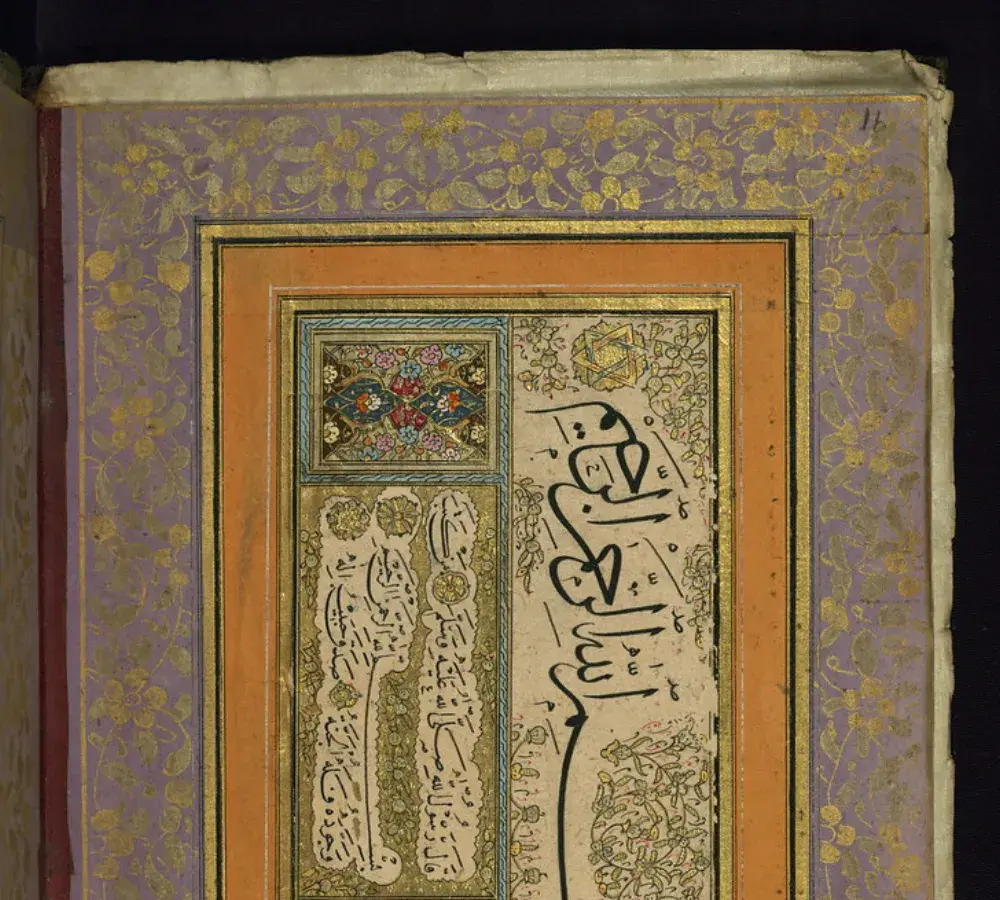
Dua skrip, satu bahasa: mengapa audiens sasaran menentukan pengekodan
Skrip Tradisional Mongolia ialah salah satu daripada segelintir sistem penulisan yang digunakan hari ini yang berjalan secara menegak. Garis berjalan dari atas ke bawah, dan lajur disusun dari kiri ke kanan - songsang daripada arah lajur Ibrani atau Arab, dan diputar 90 darjah relatif kepada teks Latin atau Cyrillic. PDF secara natif mengendalikan teks mendatar dari kiri ke kanan dan kanan ke kiri melalui sifat dua hala Unicode standard, tetapi teks menegak memerlukan sokongan susun atur menegak eksplisit. Penterjemah PDF yang mengeluarkan Skrip Tradisional Mongolia tanpa orientasi menegak yang betul akan menghasilkan dokumen di mana teksnya kelihatan kelam-kabut - aksara daripada skrip menegak yang dipaksa menjadi garis mendatar. Blok Unicode untuk Skrip Tradisional Mongolia (U+1800 hingga U+18AF) menambah kerumitan kerana banyak aksara Mongolia mempunyai bentuk glif sensitif konteks yang berubah bergantung pada kedudukannya di awal, tengah, atau akhir perkataan dan pada kelas vokal suku kata di sekelilingnya. Paparan yang betul memerlukan fon dengan set glif OpenType Mongolia penuh dan enjin susun atur yang menggunakan peraturan penggantian kontekstual.
Bahasa Mongolia Cyrillic, yang digunakan di Mongolia sendiri, menimbulkan lebih sedikit cabaran susun atur tetapi masih memerlukan fon dan titik kod Unicode yang betul untuk dua aksara khusus Mongolia. Akibat praktikal untuk terjemahan PDF ialah penterjemah mesti mengesahkan audiens yang disasarkan sebelum memilih skrip output. Kontrak perlombongan yang ditujukan kepada kementerian kerajaan Mongolia di Ulaanbaatar mesti dalam Cyrillic. Penyerahan kerajaan serantau Mongolia Dalam atau sijil universiti dari Universiti Normal Mongolia Dalam mesti menggunakan Skrip Tradisional Mongolia. Untuk dokumen imigresen, universiti Korea dan Jepun yang mendaftar pelajar Mongolia biasanya menerima dokumen dalam Bahasa Mongolia Cyrillic daripada pemohon Mongolia Luar, manakala pelajar dari Mongolia Dalam mungkin menyerahkan dokumen dalam skrip Tradisional atau dalam bahasa Cina, yang memerlukan aliran kerja terjemahan yang berbeza sama sekali.
Dokumen yang biasa diterjemahkan antara Bahasa Inggeris dan Bahasa Mongolia
Industri perlombongan dan pengeluaran sumber Mongolia - arang batu, tembaga, dan emas mendominasi ekonomi negara - menjana permintaan yang ketara untuk terjemahan kontrak dwibahasa Inggeris-Mongolia. Lombong tembaga dan emas Oyu Tolgoi, salah satu yang terbesar di dunia, beroperasi di bawah perjanjian yang memerlukan versi Bahasa Mongolia untuk semakan kerajaan dan komuniti tempatan. Deposit arang batu Tavan Tolgoi melibatkan pelbagai pengendali antarabangsa yang kontraknya mesti mematuhi keperluan peraturan Mongolia, termasuk keperluan bahawa penyerahan rasmi mestilah dalam Bahasa Mongolia Cyrillic. Institusi akademik membentangkan kategori berasingan: diploma dan transkrip dari Universiti Kebangsaan Mongolia di Ulaanbaatar kerap diterjemahkan ke dalam Bahasa Inggeris untuk permohonan siswazah, pengesahan pekerjaan, dan penilaian kelayakan di luar negara. Jenis dokumen yang paling biasa termasuk:
- Kad pengenalan kebangsaan dan pasport Mongolia untuk permohonan visa ke Korea Selatan, Jepun, Amerika Syarikat, dan negara-negara EU
- Kontrak sektor perlombongan dan sumber - arang batu, tembaga, emas - memerlukan versi Bahasa Mongolia Cyrillic untuk penyerahan kerajaan dan pematuhan peraturan
- Diploma dan transkrip akademik Universiti Kebangsaan Mongolia untuk pengiktirafan kelayakan di luar negara
- Dokumen kerajaan serantau Mongolia Dalam dalam Skrip Tradisional Mongolia untuk tujuan undang-undang atau pentadbiran
- Dokumen imigresen dan visa pelajar untuk rakyat Mongolia yang belajar di Korea Selatan dan Jepun - dua destinasi terbesar untuk pelajar Mongolia di luar negara
- Sijil kelahiran, sijil perkahwinan, dan dokumen status sivil untuk petisyen imigresen berasaskan keluarga
- Laporan perubatan dan dokumentasi ujian klinikal untuk syarikat farmaseutikal antarabangsa yang beroperasi di Mongolia
Terjemahan AI menghasilkan draf kerja yang tepat untuk pemahaman bacaan, semakan dalaman, dan penyediaan dokumen. Untuk penyerahan rasmi kerajaan, permohonan visa, atau kegunaan mahkamah, terjemahan bertauliah yang disemak dan ditandatangani oleh penterjemah bertauliah diperlukan. Petisyen imigresen yang difailkan dengan USCIS atau pihak berkuasa yang setara di negara lain memerlukan pensijilan bertulis bahawa terjemahan itu lengkap dan tepat. Lihat keperluan terjemahan USCIS untuk butiran tentang apa yang perlu disertakan dalam pensijilan itu.
Harga terjemahan PDF Inggeris ke Bahasa Mongolia
Daftar secara percuma, bayar setiap dokumen, dan naik taraf mengikut keperluan terjemahan anda.
Free
Tiada kad diperlukan untuk mendaftar
- Terjemahan AI $0.005/kata
- $1 setiap muka surat untuk imbasan dan PDF imej
- 108 bahasa
- Fail sehingga 20 MB dan 20 muka surat
- DOCX, PDF, XLSX, PPTX, IDML, TXT, JPG, PNG dan CSV
- Storan fail 24 jam sahaja
- Editor PDF dan penukar PDF ke DOCX
Asas
Paling popularDibilankan setiap minggu · batalkan bila-bila masa
Dibilankan setiap bulan
Dibilankan setahun sekali · jimat 33%
- Terjemahan AI disertakan setiap bulan
- Kemudian $0.005/kata terjemahan AI
- Fail sehingga 100 MB dan 300 halaman
- DOCX, PDF, XLSX, PPTX, IDML, TXT, JPG, PNG dan CSV
- OCR untuk dokumen yang diimbas
- Storan dokumen
- Sokongan keutamaan
- Percubaan percuma 7 hari pada pelan bulanan
- Batal bila-bila masa
Pro
Dibilankan setiap bulan
Dibilankan setahun sekali · jimat 34%
- Terjemahan AI disertakan setiap bulan
- Kemudian $0.004/kata terjemahan AI
- Fail sehingga 1 GB dan 5,000 halaman
- DOCX, PDF, XLSX, PPTX, IDML, TXT, JPG, PNG dan CSV
- Glosari
- Giliran keutamaan
- 5 tempat pasukan
- Permintaan API · 1,000 halaman sebulan
- Akses MCP untuk pembantu AI
- Batal bila-bila masa
Perniagaan
Dibilankan setiap bulan
Dibilankan setahun sekali · jimat 33%
- Terjemahan AI disertakan setiap bulan
- Kemudian $0.003/kata terjemahan AI
- Fail sehingga 1 GB dan 5,000 halaman
- DOCX, PDF, XLSX, PPTX, IDML, TXT, JPG, PNG dan CSV
- Glosari
- Giliran keutamaan
- 15 tempat pasukan
- Permintaan API · 5,000 halaman sebulan
- Akses MCP untuk pembantu AI
- Batal bila-bila masa
Perusahaan
Perlukan lebih banyak volum, invois atau perjanjian tersuai? Bercakap dengan kami tentang pelan Enterprise.
Cara menterjemah PDF anda ke Bahasa Mongolia
Cipta akaun percuma
Daftar dengan e-mel anda untuk mengakses papan pemuka terjemahan dalam talian.
Muat naik fail PDF anda
Seret dan lepas fail anda atau semak imbas untuk memilihnya. Fail sehingga 1 GB disokong pada pelan Pro dan Perniagaan.
Pilih Bahasa Mongolia sebagai bahasa sasaran
Pilih bahasa asal PDF anda dan tetapkan Bahasa Mongolia sebagai bahasa sasaran. Output akan menggunakan skrip Bahasa Mongolia Cyrillic dengan pengekodan yang betul untuk dua huruf khusus Mongolia, O-umlaut dan U-umlaut.
Terjemah dan muat turun
Klik "Terjemah" dan tunggu sebentar. PDF terjemahan anda akan sedia untuk dimuat turun dalam Bahasa Mongolia dengan susun atur asal dikekalkan.
Terokai lebih banyak perkhidmatan terjemahan dokumen
Soalan Lazim Terjemahan PDF Inggeris ke Bahasa Mongolia
Skrip Mongolia manakah yang akan digunakan oleh PDF yang diterjemahkan - Cyrillic atau Tradisional?
DocTranslator menghasilkan output Mongolia Cyrillic, yang merupakan piawaian bertulis rasmi di Mongolia (Mongolia Luar) sejak 1940-an. Mongolia Cyrillic menggunakan 35 huruf - 33 huruf Cyrillic Rusia ditambah O-umlaut dan U-umlaut, yang mewakili bunyi vokal bulat hadapan Mongolia dan dikodkan dengan betul dalam output. Jika anda memerlukan Skrip Mongolia Tradisional (skrip menegak yang digunakan secara rasmi di Mongolia Dalam, China), itu memerlukan aliran kerja pakar dengan penterjemah manusia yang biasa dengan sistem skrip itu.
Apakah dua huruf Cyrillic khusus Mongolia dan mengapa ia penting untuk terjemahan PDF?
Dua huruf itu ialah O-umlaut dan U-umlaut Mongolia. Ia mewakili bunyi vokal bulat hadapan yang tidak terdapat dalam bahasa Rusia dan merupakan titik kod Unicode yang berbeza daripada aksara umlaut Jerman yang serupa secara visual. Jika enjin terjemahan menggantikan O dan U Cyrillic Rusia biasa untuk huruf-huruf ini, atau jika pemulihan fon meninggalkannya sebagai kotak kosong, teks output salah eja pada tahap asas. DocTranslator merender aksara ini menggunakan titik kod yang sesuai dan fon Cyrillic yang serasi.
Bagaimanakah tatabahasa Mongolia menjejaskan terjemahan dokumen teknikal atau undang-undang?
Mongolia adalah aglutinatif dengan lapan kes tatabahasa dan susunan perkataan SOV, songsang daripada struktur SVO Inggeris. Dalam kontrak undang-undang, objek klausa muncul sebelum kata kerja dan bukannya selepasnya, dan akhiran kes pada kata nama membawa maklumat tatabahasa yang dinyatakan oleh Inggeris melalui preposisi dan susunan perkataan. Dokumen teknikal seperti kontrak perlombongan memerlukan istilah undang-undang diinfleksikan dengan betul untuk kes dan keselarasan vokal akhiran sepadan dengan kata dasar. Model AI yang dilatih pada teks undang-undang dan teknikal Mongolia mengendalikan corak ini dengan baik untuk dokumen standard moden.
Dokumen Mongolia manakah yang paling kerap diterjemahkan untuk tujuan visa dan imigresen?
Dokumen yang paling biasa ialah kad pengenalan kebangsaan Mongolia, pasport, sijil kelahiran, sijil perkahwinan, dan diploma atau transkrip akademik dari institusi seperti Universiti Kebangsaan Mongolia. Rakyat Mongolia yang memohon visa pelajar atau kerja ke Korea Selatan dan Jepun - dua destinasi utama untuk pendatang dan pelajar Mongolia - kerap memerlukan dokumen ini diterjemahkan ke dalam bahasa Korea, Jepun, dan Inggeris. Untuk penyerahan imigresen rasmi, terjemahan bertauliah dengan kenyataan ketepatan bertulis diperlukan berbanding draf AI.
Jenis dokumen perniagaan Mongolia manakah yang biasa diterjemahkan dalam sektor perlombongan?
Mongolia adalah antara pengeluar arang batu, tembaga, dan emas terkemuka di dunia, dan sektor perlombongan mendorong kebanyakan permintaan untuk terjemahan perniagaan Inggeris-Mongolia. Jenis dokumen biasa termasuk perjanjian usaha sama, penilaian impak alam sekitar, laporan perundingan komuniti, pemfailan kawal selia dengan Penguasa Mineral dan Petroleum Mongolia, kontrak eksport, dan perjanjian pekerjaan untuk kakitangan Mongolia tempatan. Penyerahan kerajaan mesti dalam Mongolia Cyrillic dan mesti menggunakan daftar formal yang sesuai untuk prosiding rasmi.
Seberapa besar PDF Mongolia yang boleh saya terjemahkan?
Sehingga 1 GB atau 5,000 halaman pada Pro dan Perniagaan, 100 MB dan 300 halaman pada Asas, dan 20 MB dan 20 halaman pada Percuma. Menterjemah sampel pendek dahulu berharga dari $0.99 dan sudah cukup untuk mengesahkan bagaimana aksara Cyrillic Mongolia dan pemformatan umum dokumen anda dikendalikan sebelum meneruskan terjemahan penuh.
Bolehkah saya menterjemah daripada Bahasa Mongolia ke Bahasa Inggeris serta daripada Bahasa Inggeris ke Bahasa Mongolia?
Ya. Pasangan Mongolia-Inggeris berfungsi dalam kedua-dua arah. Menterjemah PDF bahasa Mongolia ke Inggeris adalah biasa bagi syarikat antarabangsa yang menyemak dokumen kerajaan Mongolia, pemfailan kawal selia, atau kontrak pembekal, dan bagi institusi akademik yang menilai transkrip Universiti Kebangsaan Mongolia. Menterjemah dokumen Inggeris ke Mongolia adalah standard bagi syarikat yang beroperasi di Mongolia yang mesti menyediakan versi bahasa Mongolia bagi kontrak, polisi, atau penyerahan kawal selia.
Terjemahkan PDF anda ke Bahasa Mongolia hari ini
DocTranslator menukar PDF kepada Bahasa Mongolia dalam talian, memaparkan Bahasa Mongolia Cyrillic dengan pengekodan yang betul untuk dua huruf khusus Mongolia, mengekalkan susun atur dokumen anda, dan menyokong fail sehingga 1 GB.
Alat Berkaitan
Terjemah PDF mengikut Bahasa
Jenis Dokumen
Rakan Kongsi Kami