وەرگێڕانی PDF بۆ سینهالا
PDF-an bo Sinhala veguherînin û hemî 58 karakterên nivîsa Brahmî yên dorpêçkirî bi durustî werin nîşandan. Diglossia ya Sinhala tê vê wateyê ku qeyda nivîskî ya fermî ji Sinhala axaftinê pir cûda ye - wergêr standarda nivîskî ya fermî ya ku di hemî belgeyên hukûmeta Srî Lankayê de tê bikar anîn armanc digire. Sêwirandin û formatkirin hatine parastin. Pelên heya 1 GB.
Belgeya ji bo wergerandinê bar bike an jî biavêje
Mezinahiya pelê herî zêde 1 GB
- OCR بۆ سکان و وێنەکان
- 108 زمان
- شێوازی ڕەسەن ناگۆڕدرێت
Dema ku hûn PDF-ek bo Sinhala wergerînin çi diqewime
Nivîsa Sinhala abugîdeyek Brahmî ye ku 58 tîpan heye, her yek li dora bingehek dorvekirî an dorpêçkirî ya cihêreng hatî çêkirin. Berevajî nivîsên Latînî an Kirîlî yên ku tîp bi piranî şeklên serbixwe ne, Sinhala diyarên dengdaran bikar tîne ku li jor, jêrîn, an li kêleka bingehan têne girêdan, şikilên tevlihev çêdikin. Pêdivî ye ku motorek wergerandina PDF-ê ku Sinhala rêve dibe, van kombînasyonên şikilî bi durustî nîşan bide, ne ku karakterên takekesî bi tenê derxe. Sîstemên ku bi nebaşî hatine çêkirin rêzên parçeyên bêgirêdayî çêdikin ku her çend xalên koda Unicode yên bingehîn teknîkî rast bin jî nayên xwendin. DocTranslator qaîdeyên şikilkirina nivîsa Sinhala rast bicîh tîne, ku di tevahiya belgeya wergerandî de komployên bi rêkûpêk hatine çêkirin û konsonantên bi dengdêr hatine nîşankirin hilberîne.
Taybetmendiyek avahîsaziyê ku wergerandina Sinhala ji piraniya zimanên din cuda dike diglossia ye. Sinhala nivîskî ya fermî, ku di dîrokê de wekî elu an Sinhala wêjeyî tê zanîn, ji Sinhala axaftinê ya rojane di gramer, lehçe û formên lêker de bi dereceyek cûda ye ku standarda nivîskî ji axaftvanên xwecihî re jî wekî qeydek cûda xuya dike. Hemî belgeyên fermî yên Srî Lankayê - biryarnameyên hukûmetê, dozên dadgehê, sertîfîkayên zanîngehê, û belgeyên nasnameya neteweyî - qeyda nivîskî ya fermî bikar tînin. Pêdivî ye ku wergerandina PDF-ek ku ji bo mebestên fermî ye, vê qeyda fermî armanc bigire ne ku Sinhala kolokyal. Modelên AI-ê yên ku li ser korpusên nûçe, qanûnî û hukûmetê hatine perwerde kirin, ji bo wergerandina belgeyê, derketinê di qeyda fermî ya guncav de hilberînin.
Sinhala ji hêla zêdetirî 16 mîlyon kesan ve tê axaftin, ku nêzîkê %74 ê nifûsa Srî Lankayê pêk tîne. Ew li gel Tamîlî zimanek fermî ya Srî Lankayê ye. Tevî cihê wê yê erdnîgarî li dawiya başûrê binebeşa Hindistanê, Sinhala ji hêla genetîkî ve zimanekî Aryenî yê Hindî ye - di heman malbata berfireh de wekî Hindî û Bengalî - ku zêdetirî 2,000 sal berê hatiye giravê. Ev 2,000 sal îzolasyona erdnîgarî ji zimanên din ên Aryenî yên Hindî re nivîsek çêkir ku bi serbixwe pêş ketiye, ku ji Sinhala re formên tîpên wê yên dorvekirî yên ku ji Devanagari, Tamîlî, an Telugu bi dîtbarî cûda dibin daye. Kevintirîn nivîsên Sinhala vedigerin sedsala 3-an a BZ, ku zimanek bi kevneşopiyek nivîskî ya bêdawî ya ku zêdetirî du hezar salan dirêj dibe dide.
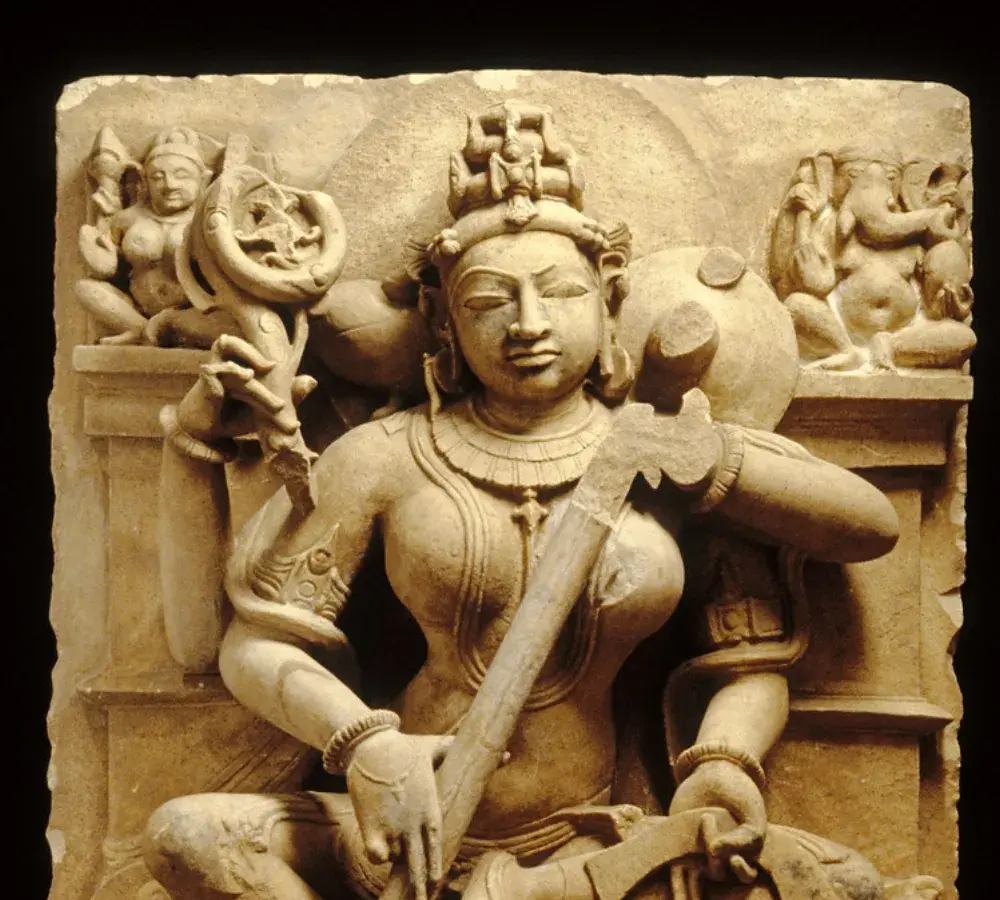
Kevneşopiyek nivîskî ya 2,000-salî ku ji hêla desthilatdariya Brîtanî û serxwebûnê ve hatî çêkirin
Sinhala yek ji kevintirîn kevneşopiyên nivîskî yên domdar li Başûrê Asyayê heye. Kevintirîn nivîsarên mayî li ser rûyên kevir hatine nivîsandin û vedigerin dora sedsala 3-an a BZ. Pîrozbahiya Bûdîst a Pali yekem car di sedsala 1-an a BZ de li Srî Lankayê hate nivîsandin, û nivîsa Sinhala bi sedsalan li ser destnivîsarên pelên palmiyê yên ku şîroveya Bûdîst, kronîkên padîşahî, û nivîsarên bijîjkî hildigirtin hate bikar anîn. Mahavamsa, kronîkek sedsala 5-an a dîroka Srî Lankayê, yek ji berfirehtirîn tomarên dîrokî yên ku ji cîhana kevnar mayî ye û bingeha kevneşopiya wêjeyî ya Sinhala ye.
Dîroka belgeyên Srî Lankayê di serdemên siyasî yên cihêreng de gelek zimanên fermî li hev kirine. Di dema serdema kolonyal a Brîtanî de, Îngilîzî zimanê yekane yê îdarî, qanûnî û perwerdehiya bilind bû. Piştî serxwebûnê di sala 1948-an de, Sinhala bû zimanê fermî yê sereke, û Îngilîzî ji piraniya karên hukûmetê derxist. Destûra heyî hem Sinhala û hem jî Tamîlî wekî zimanên fermî bi Îngilîzî wekî zimanek girêdanê nas dike. Ev dîroka qatkirî tê vê wateyê ku tomarên Srî Lankayê ji serdemên cihêreng dibe ku bi Îngilîzî, Sinhala, Tamîlî, an jî tevliheviyek bin, û projeyên wergerandinê divê hesabê wê bikin ka di dema derketina belgeyekê de kîjan qeyda fermî û ziman dihat bikar anîn.
Belgeyên ku mirov di navbera Îngilîzî û Sinhala de wergerînin
Srî Lanka civakên diyasporayê yên girîng li Keyaniya Yekbûyî, Kanada, û Avusturalya hene, ku daxwazek birêkûpêk ji bo wergerandina belgeyên Sinhala di her du aliyan de diafirînin. Pêvajoyên penaberan û penaberan ên UNHCR hejmareke girîng a wergerandinê çêdike, ji ber ku hemwelatiyên Srî Lankayê di çend dehsalên borî de di nav komên penaberên herî mezin de li gelek welatên rojavayî de cih girtine. Cûreyên belgeyên herî hevpar ev in:
- ناسنامەی نیشتمانیی سریلانکا (NIC، دەرچووە بە بوارەکانی بە سینهالی و تامیلی) وەرگێڕدراوە بۆ ئینگلیزی بۆ داواکارییەکانی کۆچبەری و نیشتەجێبوون لە شانشینی یەکگرتوو، کەنەدا، و ئوسترالیا
- پاسپۆرت و دۆکیومێنتەکانی گەشتیاریی سریلانکا بۆ داواکاری ڤیزا، لەگەڵ بوارەکانی دوو زمانی سینهالی-ئینگلیزی کە پێویستی بە مامەڵەیەکی وردی هەردوو نووسین هەیە
- بڕوانامە و وەرگێڕدراوەکانی زانکۆی کۆڵۆمبۆ و زانکۆی پەرادینیا کە بۆ ناسینەوەی بڕوانامە لە دەرەوە پێشکەش دەکرێن
- بەڵگەنامەکانی لەدایکبوون، هاوسەرگیری، و مردن کە لەلایەن تۆمارگەی گشتیی سریلانکا بە سینهالی و تامیلی دەرچوون
- دۆکیومێنتەکانی پرۆسەی پەنابەرانی نەتەوە یەکگرتووەکان، ماددە پاڵپشتیکەرەکانی داوای پەنابەری، و ڕاپۆرتەکانی وڵاتی سەرچاوە کە پێویستیان بە وەرگێڕانی سینهالی هەیە بۆ پێشکەشکردن بە دەزگاکانی کۆچبەری ڕۆژئاوا
- بەڵگەنامەکانی پاکتاوکردنی پۆلیس و تۆمارەکانی دادگا بۆ پێداویستییەکانی پشکنینی پسپۆڕی کۆچبەری لە شانشینی یەکگرتوو، کەنەدا، و ئوسترالیا
- ڕاپۆرتە پزیشکییەکان و پوختەی نەخۆشخانەکان بۆ ئەندامانی پەڕیوەبوو کە داوای چارەسەر یان ناسینەوەی بیمە لە دەرەوە دەکەن
وەرگێڕانی زیراکی دەستکرد گونجاوە بۆ خوێندنەوە، لێدوان، و نووسین. بۆ پێشکەشکردنی فەرمی بۆ دەزگاکانی کۆچبەری، دادگا، یان دەزگاکانی حکومەت، وەرگێڕانی پشتڕاستکراو کە لەلایەن وەرگێڕێکی مرۆڤی ماڵپەڕەوە ئامادە و واژۆ کرابێت پێویستە. دۆکیومێنتەکانی سریلانکا کە پێشکەش دەکرێن بە دەزگاکانی کۆچبەری ئەمریکا دەبێت هەمان ستانداردەکانی پشتڕاستکردنەوەی USCIS وەک دۆکیومێنتەکانی هەر وڵاتێکی تر، جیاواز لەوەی کە دەقە سەرەکییەکە بە سینهالی، تامیلی، یان ئینگلیزی بێت، پەیڕەو بکات. سەیری پێداویستییەکانی وەرگێڕانی USCIS بکە بۆ وردەکارییەکانی مانای پشتڕاستکردنەوە لە کرداردا.
نرخی وەرگێڕانی PDF لە ئینگلیزییەوە بۆ سینهالی
بە خۆڕایی ناوی خۆت تۆمار بکە، پارە بۆ هەر دۆکیومێنتێك بدە، و لەگەڵ گەشەی پێویستی وەرگێڕانتدا نوێ بکەرەوە.
Free
پێویست بە کارتی بانکی ناکات بۆ خۆتۆمارکردن
- 0.005$ وهرگێڕانی زیرهکی دهستکرد بۆ ههر وشهیهک
- ١$ بۆ هەر لاپەڕەیەک بۆ سکان و PDFی وێنەیی
- 108 زمان
- فایلەکان تا 20 مێگابایت و 20 لاپەڕە
- DOCX, PDF, XLSX, PPTX, IDML, TXT, JPG, PNG و CSV
- تەنها ٢٤ کاتژمێر هەڵگرتنی فایل
- پێداچوونەوەی PDF و گۆڕینەری PDF بۆ DOCX
بنەڕەتی
زۆرترین داواکراوهەفتانە پارە دەدرێت · هەر کاتێک هەڵوەشێنەرەوە
مانگانە پارە دەدرێت
ساڵانە پارە دەدرێت · 33% پاشەکەوت بکە
- وەرگێڕانی زیرەکی دەستکرد مانگانە لەخۆدەگرێت
- پاشان 0.005$ بۆ هەر وشەیەک وەرگێڕانی زیرەکی دەستکرد
- فایل تا 100 مێگابایت و 300 لاپەڕە
- DOCX, PDF, XLSX, PPTX, IDML, TXT, JPG, PNG و CSV
- OCR بۆ بەڵگەنامە سکان کراوەکان
- هەڵگرتنی بەڵگەنامە
- پاڵپشتی یەکەم
- 7 ڕۆژ تاقیکردنەوەی بێبەرامبەر لەسەر پلانی مانگانە
- هەڵوەشاندنەوە لە هەر کاتێکدا
Pro
مانگانە پارە دەدرێت
ساڵانە پارە دەدرێت · 34% پاشەکەوت بکە
- وەرگێڕانی زیرەکی دەستکرد مانگانە لەخۆدەگرێت
- پاشان 0.004$ بۆ هەر وشەیەک وەرگێڕانی زیرەکی دەستکرد
- فایل تا 1 گێگابایت و 5,000 لاپەڕە
- DOCX, PDF, XLSX, PPTX, IDML, TXT, JPG, PNG و CSV
- Glossary
- ڕیزبەندی یەکەم
- 5 کورسی تیمی
- داواکارییەکانی API · 1,000 لاپەڕە لە مانگێکدا
- دەستگەیشتنی MCP بۆ یارمەتیدەرە زیرەکەکان
- هەڵوەشاندنەوە لە هەر کاتێکدا
بزنس
مانگانە پارە دەدرێت
ساڵانە پارە دەدرێت · 33% پاشەکەوت بکە
- وەرگێڕانی زیرەکی دەستکرد مانگانە لەخۆدەگرێت
- پاشان 0.003$ بۆ هەر وشەیەک وەرگێڕانی زیرەکی دەستکرد
- فایل تا 1 گێگابایت و 5,000 لاپەڕە
- DOCX, PDF, XLSX, PPTX, IDML, TXT, JPG, PNG و CSV
- Glossary
- ڕیزبەندی یەکەم
- 15 کورسی تیمی
- داواکارییەکانی API · 5,000 لاپەڕە لە مانگێکدا
- دەستگەیشتنی MCP بۆ یارمەتیدەرە زیرەکەکان
- هەڵوەشاندنەوە لە هەر کاتێکدا
کۆمپانیا گهورهکان
پێویستت بە قەبارەی زیاتر، پارەدان یان ڕێککەوتنێکی تایبەت هەیە؟ قسەمان لەگەڵ بکە سەبارەت بە پلانی Enterprise.
چۆن PDFـەکەت وەربگێڕیت بۆ سینهالی
هەژمارێکی بێبەرامبەر دروست بکە
بە ئیمەیڵەکەت تۆمار بکە بۆ دەستگەیشتن بە داشبۆردی وەرگێڕانی ئۆنلاین.
فایلە PDFـەکەت بار بکە
فایلەکەت بکێشە و دابنێ یان بۆ هەڵبژاردنی کلیک بکە. فایل تا 1 گێگابایت لەسەر پلانەکانی Pro و Business پشتگیریکراون.
سینهالی وەک زمانی ئامانج هەڵبژێرە
زمانی سەرەکیی PDFـەکەت دیاری بکە و سینهالی وەک زمانی ئامانج دابنێ. دەرئەنجامەکە هەموو 58 پیتە سینهالییەکە لەگەڵ شێوەی بازنەیی دروست و جێگیرکردنی نیشانە دەنگییەکان، بە شێوەزارە فەرمی و نووسراوەکەی کە بۆ دۆکیومێنتە فەرمییەکانی سریلانکا پێویستە، لەخۆ دەگرێت.
وەرگێڕە و دابگرە
کرتە بکە لەسەر "وەرگێڕان" و چەند ساتێک چاوەڕوان بکە. PDFـە وەرگێڕدراوەکەت بە سینهالی ئامادە دەبێت بۆ دابەزاندن لەگەڵ پاراستنی شێوەی ڕەسەنی.
پرسیارە باوەکان لەسەر وەرگێڕانی PDF لە ئینگلیزییەوە بۆ سینهالی
Ma alfabeya Sinhala di PDF-a wergerandî de rast tê nîşandan?
Erê. Sinhala 58 tîpan di abugîdeyek Brahmî de bikar tîne ku dengên dengdêr wekî nîşanên dengdêr têne nivîsandin ku bi formên bingeha konsonantê ve girêdidin, û tîpên tevlihev diafirînin. Renderer-a PDF-ê ku qaîdeyên şêweya alfabeya Sinhala bicîh nakin dê perçeyên karakterên veqetandî derxînin ku her çend Unicode-ya bingehîn rast be jî şikestî xuya dikin. DocTranslator şêweya rast a alfabeya Sinhala bicîh tîne da ku nîşanên dengdêr di pozîsyona rast de li gorî bingeha konsonantê ya wan di tevahiya derketina wergerandî de xuya bibin.
Diglossia di Sinhala de çi ye û çima ew ji bo wergera belgeyê girîng e?
Diglossia tê wateya ku Sinhala nivîskî ya fermî ji Sinhala axaftinê ya rojane di warê lêker, rêziman, û guheztinên lêkeran de pir cûda ye. Cudahî ew qas mezin e ku hin formên nivîskî qet di axaftinê de nayên bikar anîn. Hemî belgeyên fermî yên Srî Lankayê - daxuyaniyên hikûmetê, biryarên dadgehê, sertîfîkayên zanîngehê, û karta nasnameya neteweyî - qeyda nivîskî ya fermî bikar tînin. Dema ku PDFek ji bo mebestên fermî an profesyonel tê wergerandin, derketin divê vê qeyda axaftinê, ne Sinhala kolokyal, armanc bigire. Modelên AI-ê yên ku li ser nûçe û korpusên hikûmetê hatine perwerde kirin, derketina qeyda fermî ya ku ji bo wergera belgeyê guncan e hilberînin.
Ma Sinhala bi Tamîlî re têkildar e, ku ew jî zimanekî fermî yê Srî Lankayê ye?
Na. Sinhala û Tamîlî bi tevahî malbatên zimanî yên cûda ne. Sinhala Indo-Aryan e, di heman malbata berfireh de wekî Hindî, Bengalî, û Pencabî, ku zêdetirî 2,000 sal berê anîne Srî Lankayê. Tamîlî zimanekî Dravîdî ye, di heman malbatê de wekî Telugu, Kannada, û Malayalam, bi kokên xwe li Başûrê Hindistanê. Her du ziman ji ber sedsalên têkiliyê hin peyvên deyn girtine lê ji aliyê rêzimanî û avahîsaziyê ve ne têkildar in. Her du jî zimanên fermî yên Srî Lankayê ne, û gelek belgeyên hikûmetê bi her du alfabeyan têne weşandin.
Kîjan belgeyên Srî Lankayê ji bo koçberiya Brîtanya, Kanada, û Avusturalya herî pir têne wergerandin?
باوترین دۆکیومێنتەکان بریتین لە ناسنامەی نیشتمانیی سریلانکا (NIC)، پاسپۆرت، بڕوانامەی لەدایکبوون، بڕوانامەی هاوسەرگیری، بڕوانامەی پاکتاوکردنی پۆلیس، و بڕوانامەی زانکۆ لە دامەزراوەکانی وەک زانکۆی کۆڵۆمبۆ یان زانکۆی پەرادینیا. بۆ پێشکەشکردنی فەرمی بۆ کۆچبەری، وەرگێڕانی پشتڕاستکراو کە لەلایەن وەرگێڕێکی مرۆڤی ماڵپەڕەوە ئامادە کرابێت پێویستە. دەرئەنجامی زیراکی دەستکرد گونجاوە بۆ خوێندنەوە و لێدوان لەسەر دۆکیومێنتەکان پێش ئەوەی داوای وەشانی پشتڕاستکراو بکەیت.
Ma DocTranslator dikare PDF-ên Srî Lankayî yên ku hem nivîsa Sinhala û hem jî Îngilîzî tê de hene, birêve bibe?
Erê. Gelek belgeyên fermî yên Srî Lankayê duzimanî ne, bi qadên ku bi Sinhala li kêleka wekhevên Îngilîzî hatine çap kirin. DocTranslator dikare PDF-ên bi alfabeya tevlihev pêvajoy bike û dê beşên Sinhala wergerîne dema ku nivîsa Îngilîzî û dîmena belgeya orîjînal biparêze. Mînakî, karta nasnameya neteweyî, nav û hûrguliyên xwediyê kartê hem bi Sinhala û hem jî bi Îngilîzî li ser heman rûyê kartê hildigire.
Min çiqas PDF Sinhala dikare wergerînim?
تا ١ گێگابایت یان ٥٠٠٠ لاپەڕە لەسەر Pro و Business، ١٠٠ مێگابایت و ٣٠٠ لاپەڕە لەسەر بنەڕەتی، و ٢٠ مێگابایت و ٢٠ لاپەڕە لەسەر بێبەرامبەر. وەرگێڕانی نموونەیەکی کورت لە سەرەتادا تێچووی لە ٠.٩٩ دۆلارەوە دەست پێ دەکات و بەسە بۆ پشتڕاستکردنەوەی ئەوەی کە نووسەی سینهالی بە دروستی دەردەکەوێت و ڕێنووسی فەرمی بۆ جۆرە بەڵگەنامە تایبەتەکەت گونجاوە پێش ئەوەی مامەڵە لەگەڵ فایلێکی گەورەتر بکەیت.
Ma belgeyên penaberan ên UNHCR bi Sinhala têne piştgirî kirin?
Erê. Belgeyên pêvajoya penaberan ên UNHCR, materyalên piştgirîkirina daxwaza penaberiyê, û raporên welatê eslî bi Sinhala hemî di çarçoveya tiştê ku DocTranslator dikare wergerîne de ne. Neteweyên Srî Lankayî di nav gelên penaber ên girîng de li gelek welatên rojavayî de ne, û hewcedariya wergerandina delîlên piştgirî yên bi zimanê Sinhala bo Îngilîzî di van pêvajoyan de hevpar e. Wergera AI ji bo amadekirina guhertoyên xebatê guncan e. Wergerandinek pejirandî ya ku ji hêla mirov ve hatî nirxandin bi gelemperî ji bo pêşkêşkirina fermî ji rayedarên koçberiyê an dadgehan re hewce ye.
ئەمڕۆ PDFـەکەت وەربگێڕە بۆ سینهالی
DocTranslator فایلەکانی PDF بە سینهالی بە شێوەی ئۆنلاین وەردەگێڕێت، هەموو 58 پیتی بازنەیی سینهالی بە نیشانە دەنگییە دروستەکانەوە، بە ئامانجی شێوەزارە فەرمی و نووسراوەکەی کە لە دۆکیومێنتە فەرمییەکانی سریلانکا بەکاردێت، و پشتگیریکردنی فایلەکان تا 1 گێگابایت.
ئامرازە پەیوەندیدارەکان
وەرگێڕانی PDF بە زمانی
جۆرەکانی بەڵگەنامە
هاوبەشەکانمان