
Oversett PDF til singalesisk
Konverter PDF-er til singalesisk med alle 58 avrundede brahmiske skrifttegn gjengitt korrekt. Singalesisk diglossi betyr at den formelle skriftlige registeren skiller seg betydelig fra muntlig singalesisk – oversetteren retter seg mot den offisielle skriftlige standarden som brukes i alle singalesiske offentlige dokumenter. Layout og formatering bevares. Filer opptil 1 GB.
Last opp eller dra dokument for å oversette
Maks filstørrelse 1 GB
- OCR for skanninger og bilder
- 108 språk
- Opprinnelig layout beholdt
Hva skjer når du oversetter en PDF til singalesisk
Singalesisk skrift er en brahmisk abugida med 58 bokstaver, hver bygget rundt en særegen sirkulær eller avrundet grunnform. I motsetning til latinske eller kyrilliske skrifter der bokstaver stort sett er uavhengige former, bruker singalesisk vokaldiakritiske tegn som festes over, under eller til siden av konsonantbaser, og danner kombinerte glyfer. En PDF-oversettelsesmotor som håndterer singalesisk må gjengi disse glyfkombinasjonene korrekt i stedet for å gi ut individuelle tegn isolert. Dårlig konstruerte systemer produserer sekvenser av usammenhengende deler som er uleselige selv om de underliggende Unicode-kodepunktene er teknisk korrekte. DocTranslator bruker korrekte singalesiske skriftformateringsregler, og produserer korrekt formede sammensetninger og vokalfylte konsonanter gjennom hele det oversatte dokumentet.
Et strukturelt trekk som skiller singalesisk oversettelse fra de fleste andre språk er diglossi. Formell skriftlig singalesisk, historisk kjent som elu eller litterær singalesisk, skiller seg fra daglig muntlig singalesisk i grammatikk, ordforråd og verbformer i en grad som gjør at den skriftlige standarden føles som et eget register, selv for morsmålsbrukere. Alle offisielle singalesiske dokumenter – regjeringsdekreter, rettsdokumenter, universitetsdiplomer og nasjonale identifikasjonsdokumenter – bruker det formelle skriftlige registeret. En oversettelse av en PDF beregnet for offisielle formål må rette seg mot dette formelle registeret i stedet for det muntlige singalesiske. AI-modeller trent på nyhets-, juridiske og offentlige korpus produserer utdata i det passende formelle registeret for dokumentoversettelse.
Singalesisk snakkes av over 16 millioner mennesker, noe som utgjør omtrent 74 prosent av befolkningen i Sri Lanka. Det er et offisielt språk i Sri Lanka ved siden av tamil. Til tross for sin geografiske plassering ved den sørlige tuppen av det indiske subkontinentet, er singalesisk genetisk et indoarisk språk – i samme brede familie som hindi og bengali – brakt til øya for over 2000 år siden. Denne 2000 år lange geografiske isolasjonen fra andre indoariske språk produserte en skrift som utviklet seg uavhengig, noe som ga singalesisk sine karakteristiske avrundede bokstavformer som visuelt skiller seg fra devanagari, tamil eller telugu. De eldste singalesiske inskripsjonene dateres tilbake til 3. århundre f.Kr., noe som gir språket en ubrutt skriftlig tradisjon som strekker seg over to årtusener.
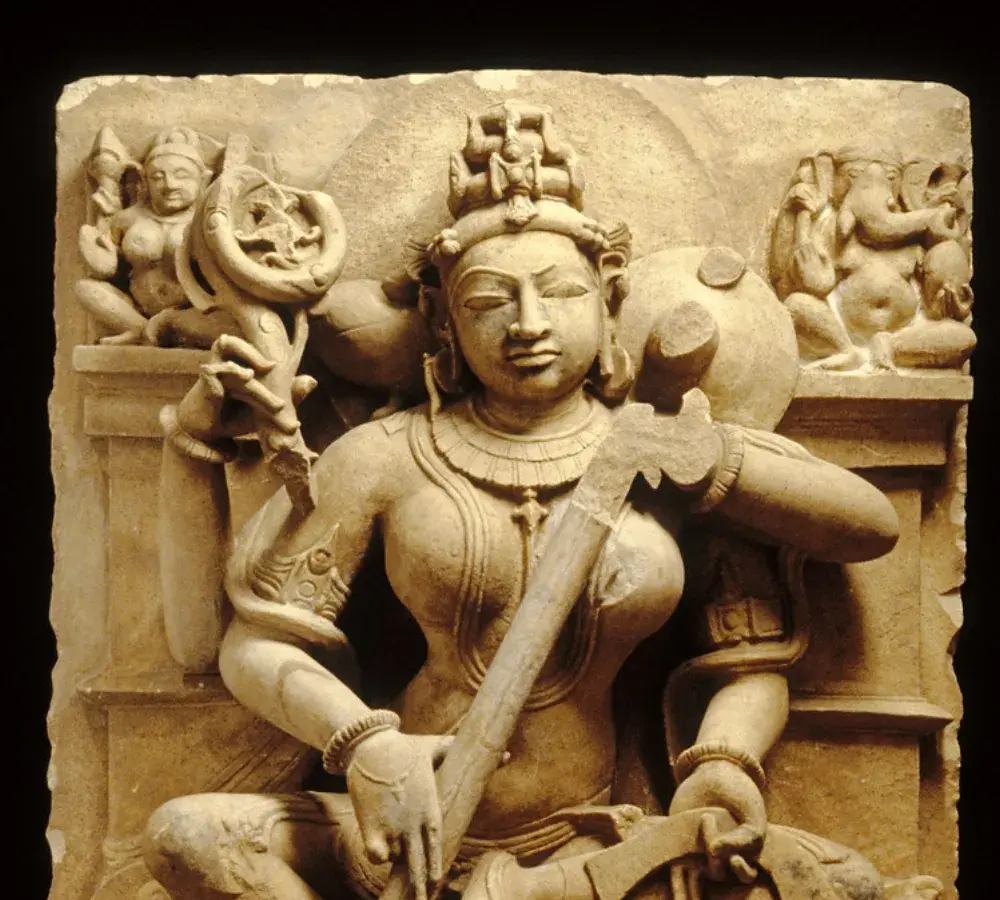
En 2000 år lang skriftlig tradisjon formet av britisk styre og uavhengighet
Singalesisk har en av de lengste kontinuerlige skriftlige tradisjonene i Sør-Asia. De eldste bevarte tekstene er inskribert på steiner og dateres til rundt 3. århundre f.Kr. Pali-buddhistiske kanon ble først skrevet ned i Sri Lanka i 1. århundre f.Kr., og singalesisk skrift ble brukt i århundrer på palmebladsmanuskripter som inneholdt buddhistiske kommentarer, kongelige krøniker og medisinske tekster. Mahavamsa, en krønike over Sri Lankas historie fra 500-tallet, forblir en av de mest detaljerte historiske opptegnelsene som overlever fra den gamle verden og er en grunnleggende tekst i den singalesiske litterære tradisjonen.
Sri Lankas dokumenthistorie har lagt flere offisielle språk på tvers av distinkte politiske epoker. Under den britiske kolonitiden var engelsk det eneste språket for administrasjon, lov og høyere utdanning. Etter uavhengigheten i 1948 ble singalesisk det primære offisielle språket, og erstattet engelsk fra de fleste offentlige funksjoner. Den nåværende grunnloven anerkjenner både singalesisk og tamil som offisielle språk med engelsk som et bindeledd. Denne lagdelte historien betyr at singalesiske opptegnelser fra forskjellige epoker kan være på engelsk, singalesisk, tamil eller en kombinasjon, og oversettelsesprosjekter må ta hensyn til hvilket offisielt register og språk som var i bruk da et dokument ble utstedt.
Dokumenter folk oversetter mellom engelsk og singalesisk
Sri Lanka har betydelige diaspora-samfunn i Storbritannia, Canada og Australia, noe som skaper jevnlig etterspørsel etter singalesisk dokumentoversettelse i begge retninger. UNHCRs flyktning- og asylprosesser genererer et betydelig oversettelsesvolum, ettersom singalesiske statsborgere har vært blant de større asylsøkende befolkningene i flere vestlige land de siste tiårene. De vanligste dokumenttypene inkluderer:
- Srilankiske nasjonale identitetskort (NIC, utstedt med felt på singalesisk og tamil) oversatt til engelsk for immigrasjons- og oppholdssøknader i Storbritannia, Canada og Australia
- Srilankiske pass og reisedokumenter for visumsøknader, med tospråklige singalesisk-engelske datafelt som krever nøye håndtering av begge skriftspråk
- Vitnemål og akademiske utskrifter fra University of Colombo og University of Peradeniya innsendt for godkjenning av kvalifikasjoner i utlandet
- Fødselsattester, vigselsattester og dødsattester utstedt av Generalregisterføreren i Sri Lanka på singalesisk og tamil
- UNHCR-flyktningprosessdokumentasjon, støttedokumenter for asylsøknader og rapporter om opprinnelsesland som krever singalesisk oversettelse for innsending til vestlige immigrasjonsmyndigheter
- Politiattester og rettsdokumenter for bakgrunnssjekk-krav for immigrasjon i Storbritannia, Canada og Australia
- Medisinske rapporter og sykehusutskrivningsnotater for diaspora-medlemmer som søker behandling eller forsikringsgodkjenning i utlandet
AI-oversettelse er egnet for lesing, gjennomgang og utforming. For offisielle innsendinger til immigrasjonsmyndigheter, domstoler eller offentlige etater, kreves en sertifisert oversettelse utarbeidet og signert av en kvalifisert menneskelig oversetter. Srilankiske dokumenter innsendt til amerikanske immigrasjonsmyndigheter må oppfylle de samme USCIS-sertifiseringsstandardene som dokumenter fra ethvert annet land, uavhengig av om kildeteksten er på singalesisk, tamil eller engelsk. Se USCIS oversettelseskrav for detaljer om hva sertifisering innebærer i praksis.
Priser for oversettelse av PDF fra engelsk til singalesisk
Registrer deg gratis, betal per dokument, og oppgrader etter hvert som dine oversettelsesbehov vokser.
Free
Ingen kort kreves for registrering
- 0,005 USD/ord AI-oversettelse
- 1 dollar per side for skanninger og bilde-PDF-er
- 108 språk
- Filer opptil 20 MB og 20 sider
- DOCX, PDF, XLSX, PPTX, IDML, TXT, JPG, PNG og CSV
- Kun 24-timers fillagring
- PDF-redigering og PDF til DOCX-konvertering
Grunnleggende
Mest populærFakturert hver uke · kanseller når som helst
Fakturert månedlig
Fakturert én gang i året · spar 33 %
- AI-oversettelse inkludert hver måned
- Deretter 0,005 $/ord AI-oversettelse
- Filer opptil 100 MB og 300 sider
- DOCX, PDF, XLSX, PPTX, IDML, TXT, JPG, PNG og CSV
- OCR for skannede dokumenter
- Dokumentlagring
- Prioritert støtte
- 7-dagers gratis prøveperiode på månedsplanen
- Avbryt når som helst
Pro
Fakturert månedlig
Fakturert én gang i året · spar 34 %
- AI-oversettelse inkludert hver måned
- Deretter 0,004 $/ord AI-oversettelse
- Filer opptil 1 GB og 5000 sider
- DOCX, PDF, XLSX, PPTX, IDML, TXT, JPG, PNG og CSV
- Ordliste
- Prioritert kø
- 5 teamplasser
- API-forespørsler · 1000 sider per måned
- MCP-tilgang for AI-assistenter
- Avbryt når som helst
Forretning
Fakturert månedlig
Fakturert én gang i året · spar 33 %
- AI-oversettelse inkludert hver måned
- Deretter 0,003 $/ord AI-oversettelse
- Filer opptil 1 GB og 5000 sider
- DOCX, PDF, XLSX, PPTX, IDML, TXT, JPG, PNG og CSV
- Ordliste
- Prioritert kø
- 15 teamplasser
- API-forespørsler · 5000 sider per måned
- MCP-tilgang for AI-assistenter
- Avbryt når som helst
Bedrift
Trenger du mer volum, fakturering eller en tilpasset avtale? Snakk med oss om en Enterprise-plan.
Slik oversetter du PDF-en din til singalesisk
Opprett en gratis konto
Registrer deg med e-posten din for å få tilgang til dashbordet for nettbasert oversettelse.
Last opp PDF-filen din
Dra og slipp filen din eller bla for å velge den. Filer opptil 1 GB støttes på Pro- og Forretningsplanene.
Velg singalesisk som målspråk
Velg originalspråket til PDF-en din og sett singalesisk som målspråk. Resultatet vil inkludere alle 58 singalesiske skrifttegn med korrekte avrundede bokstavformer og plassering av vokaltegn, i det formelle skriftlige registeret som kreves for offisielle srilankiske dokumenter.
Oversett og last ned
Klikk "Oversett" og vent et øyeblikk. Din oversatte PDF vil være klar til nedlasting på singalesisk med det originale oppsettet bevart.
FAQ for oversettelse av PDF fra engelsk til singalesisk
Gjengir DocTranslator singalesisk skrift korrekt i den oversatte PDF-en?
Ja. Singalesisk bruker 58 bokstaver i en Brahmisk abugida der vokallyder skrives som diakritiske tegn som fester seg til konsonantbaser, og skaper kombinerte glyfer. En PDF-gjengiver som ikke implementerer singalesiske formingsregler, vil produsere frakoblede tegn-deler som ser ødelagte ut, selv om den underliggende Unicode er korrekt. DocTranslator bruker riktig singalesisk skriftforming slik at vokaldia kritiker vises i riktig posisjon i forhold til konsonantbasen i hele det oversatte resultatet.
Hva er diglossi på singalesisk, og hvorfor er det viktig for dokumentoversettelse?
Diglossi betyr at formell skriftlig singalesisk skiller seg vesentlig fra dagligdags muntlig singalesisk i ordforråd, grammatikk og verb-bøyninger. Forskjellen er så stor at noen skriftlige former ikke brukes i tale i det hele tatt. Alle offisielle srilankiske dokumenter – offentlige kunngjøringer, rettsavgjørelser, universitetsdiplomer og nasjonalt identitetskort – bruker det formelle skriftlige registeret. Ved oversettelse av en PDF for offisielle eller profesjonelle formål, må resultatet målrettes mot dette formelle registeret, ikke den muntlige singalesiske. AI-modeller trent på nyhets- og offentlige korpus produserer resultater i formelt register som er passende for dokumentoversettelse.
Er singalesisk relatert til tamil, som også er et offisielt språk på Sri Lanka?
Nei. Singalesisk og tamil tilhører helt forskjellige språkfamilier. Singalesisk er indo-arisk, i samme brede familie som hindi, bengali og punjabi, brakt til Sri Lanka for over 2000 år siden. Tamil er et dravidisk språk, i samme familie som telugu, kannada og malayalam, med røtter i Sør-India. De to språkene deler noen lånord fra århundrer med kontakt, men er grammatisk og strukturelt urelaterte. Begge er offisielle språk på Sri Lanka, og mange offentlige dokumenter utstedes med felt på begge skriftene.
Hvilke srilankiske dokumenter oversettes oftest for immigrasjon til Storbritannia, Canada og Australia?
De vanligste dokumentene er det srilankiske nasjonale identitetskortet (NIC), pass, fødselsattest, vigselsattest, politiattest og vitnemål fra universiteter som University of Colombo eller University of Peradeniya. For offisielle immigrasjonsinnsendinger kreves en sertifisert oversettelse utarbeidet av en kvalifisert menneskelig oversetter. AI-utdata er egnet for lesing og gjennomgang av dokumenter før bestilling av en sertifisert versjon.
Kan DocTranslator håndtere srilankiske PDF-er som inneholder både singalesisk og engelsk tekst?
Ja. Mange srilankiske offisielle dokumenter er tospråklige, med felt trykt på singalesisk ved siden av engelske ekvivalenter. DocTranslator kan behandle PDF-er med blandet skrift og vil oversette de singalesiske delene samtidig som den engelske teksten og den originale dokumentlayouten bevares. Nasjonalt identitetskort, for eksempel, har navnet og detaljene til innehaveren på både singalesisk og engelsk på samme kortflate.
Hvor stor singalesisk PDF kan jeg oversette?
Opptil 1 GB eller 5000 sider på Pro og Business, 100 MB og 300 sider på Basic, og 20 MB og 20 sider på Free. Å oversette en kort prøve først koster fra 0,99 dollar og er tilstrekkelig for å verifisere at singalesisk skrift gjengis korrekt og at den formelle skriftlige registeret er passende for din spesifikke dokumenttype før du behandler en større fil.
Støttes UNHCR flyktningdokumenter på singalesisk?
Ja. UNHCR-flyktningprosessdokumenter, støttemateriell for asylsøknader og rapporter om opprinnelsesland på singalesisk er alle innenfor omfanget av hva DocTranslator kan oversette. Srilankiske statsborgere har vært blant de betydelige asylsøkende befolkningene i flere vestlige land, og behovet for å oversette singalesiskspråklig støttebevis til engelsk er vanlig i disse prosessene. AI-oversettelse er egnet for å utarbeide arbeidsutkast. En menneskelig gjennomgått sertifisert oversettelse kreves vanligvis for formell innlevering til immigrasjonsmyndigheter eller domstoler.
Oversett PDF-en din til singalesisk i dag
DocTranslator konverterer PDF-er til singalesisk online, gjengir alle 58 avrundede brahmiske skrifttegn med korrekt plassering av vokaltegn, retter seg mot det formelle skriftlige registeret som brukes i offisielle srilankiske dokumenter, og støtter filer opptil 1 GB.
Relaterte verktøy
Oversett PDF etter språk
Dokumenttyper
Våre partnere