
Traduzir PDF para Búlgaro
Converta PDFs para Búlgaro com renderização completa do cirílico. O búlgaro usa um alfabeto cirílico de 30 letras que difere do russo: inclui a vogal Ъ, omite Ы, Э e Ё, e usa ordem fixa de palavras em vez de casos gramaticais. O layout e a formatação são preservados. Arquivos de até 1 GB.
Faça upload ou arraste o documento para traduzir
Tamanho máximo do arquivo 1 GB
- OCR para digitalizações e fotos
- 108 idiomas
- Layout original mantido
O que acontece quando você traduz um PDF para búlgaro
O búlgaro é escrito em cirílico, mas não é o mesmo cirílico usado para russo, ucraniano ou sérvio. O alfabeto cirílico búlgaro tem 30 letras. Ele inclui a letra Ъ, que representa uma vogal central posterior não arredondada encontrada no búlgaro, mas ausente na ortografia padrão russa. Inversamente, o búlgaro omite as letras russas Ы (uma vogal posterior não arredondada), Э (uma vogal frontal) e Ё (um som de yo), que aparecem com frequência em fontes de PDF russas. Quando um PDF é exportado com um perfil de fonte cirílica russa e, em seguida, renderizado em búlgaro, essas letras ausentes e a presença de Ъ em posições inesperadas causam resultados ilegíveis. DocTranslator usa um mapeamento de fontes calibrado para o cirílico búlgaro, de modo que os caracteres sejam corretamente atribuídos, espaçados e pesquisáveis no PDF final.
A gramática búlgara é estruturalmente distinta de todas as outras línguas eslavas em um aspecto fundamental: não possui casos gramaticais. Línguas como russo, polonês, tcheco e sérvio marcam a função gramatical de um substantivo alterando sua terminação dependendo se ele é o sujeito, o objeto direto, o objeto indireto, e assim por diante. O búlgaro abandonou esse sistema e o substituiu por preposições e ordem fixa de palavras, muito mais próximo do inglês nesse aspecto do que de seus parentes eslavos. Um motor de tradução deve produzir as preposições corretas em vez de terminações de substantivos flexionadas, ou a frase ficará agramatical, mesmo que cada palavra seja escolhida corretamente. O búlgaro também anexa o artigo definido como um sufixo ao substantivo: a palavra para "homem" é "mazh" e "o homem" é "mazhat". Obter a forma correta do sufixo depende do gênero gramatical e da posição da palavra na frase. O búlgaro tem dois gêneros gramaticais, masculino e feminino, que afetam a concordância adjetiva em todo o documento traduzido.
O búlgaro é falado por cerca de 8 milhões de pessoas. A Bulgária aderiu à União Europeia em 2007, tornando o búlgaro uma língua oficial da UE e a primeira língua com escrita cirílica a obter esse status. A diáspora búlgara é substancial: aproximadamente 500.000 búlgaros vivem na Espanha, cerca de 400.000 na Alemanha e cerca de 300.000 no Reino Unido, seguindo a liberdade de circulação da UE. Essas comunidades geram uma demanda constante pela tradução de documentos de identidade, registros acadêmicos e certidões de estado civil búlgaros para uso nos sistemas administrativos dos países de acolhimento da UE.
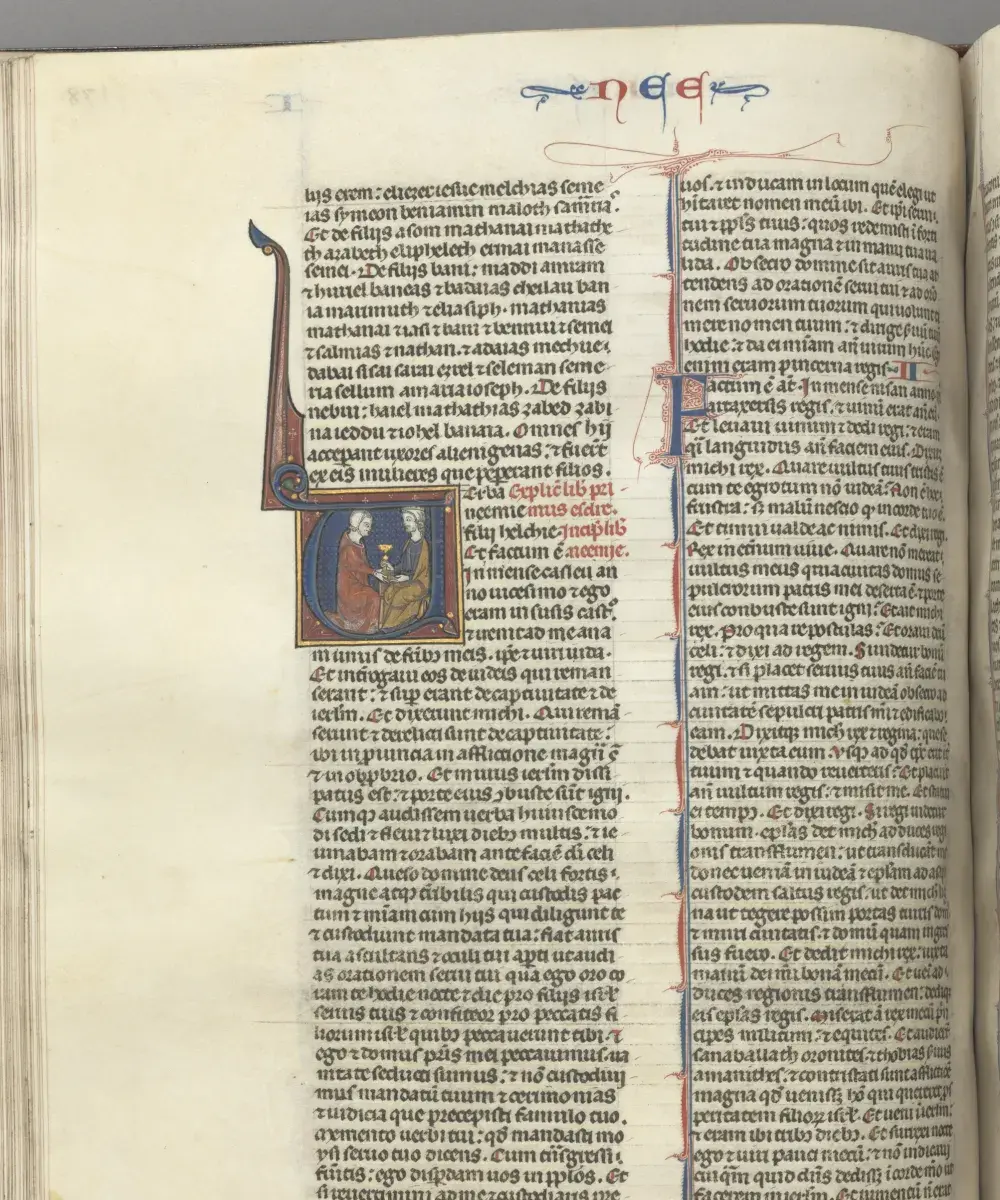
Cirílico Búlgaro: a escrita que moldou um continente
O alfabeto cirílico foi criado no Primeiro Império Búlgaro no século IX por discípulos dos Santos Cirilo e Metódio, trabalhando na Escola Literária de Preslav. A Bulgária é, portanto, o ponto de origem do alfabeto cirílico agora usado por mais de 250 milhões de pessoas na Europa Oriental, Ásia Central e Sibéria. Manuscritos medievais búlgaros estão entre os documentos mais antigos e significativos da história literária cirílica, e a Igreja Ortodoxa Búlgara preservou e transmitiu a escrita ao longo dos séculos. Isso significa que o búlgaro tem uma tradição escrita cirílica ininterrupta mais longa do que qualquer outra língua viva que usa a escrita.
Para fins de tradução de documentos, essa história é importante porque as fontes cirílicas búlgaras e os padrões de codificação têm suas próprias convenções separadas dos padrões cirílicos russos que dominam a maioria das configurações padrão de software. Diplomas acadêmicos da Universidade de Sofia, documentos de identidade nacionais búlgaros, documentos da UE emitidos em búlgaro e papéis de imigração da diáspora carregam peso legal em todos os estados membros da UE. O sistema de sufixo de artigo definido búlgaro, combinado com o sistema de substantivos de dois gêneros e a gramática baseada em preposições, significa que cada documento traduzido requer um manuseio gramatical específico para o búlgaro, em vez de uma saída cirílica genérica.
Documentos que as pessoas traduzem entre inglês e búlgaro
A adesão da Bulgária à UE desde 2007 e a grande diáspora búlgara na Europa Ocidental criam uma demanda constante por tradução de documentos em ambas as direções. Os tipos de documentos mais comuns incluem:
- Documentos de identidade nacionais búlgaros e passaportes para registro de residência na Espanha, Alemanha e Reino Unido
- Carteiras de motorista búlgaras apresentadas para troca por carteiras da UE do país de acolhimento
- Certidões de nascimento, casamento e divórcio para reconhecimento de estado civil em países membros da UE
- Diplomas e históricos escolares de universidades búlgaras, incluindo a Universidade de Sofia "St. Kliment Ohridski", para reconhecimento de credenciais no exterior
- Documentos notariais e procurações usadas em transações imobiliárias transfronteiriças ou processos de herança na Bulgária
- Relatórios médicos e resumos de alta hospitalar para pacientes búlgaros recebendo tratamento no exterior, ou para membros da diáspora acessando cuidados de saúde búlgaros em visitas de retorno
- Documentos fiscais e contratos de trabalho para profissionais búlgaros que trabalham em países da UE
A tradução por IA funciona bem para entender o conteúdo de um PDF em búlgaro ou para preparar um rascunho de trabalho. Submissões oficiais a um escritório de governo, autoridade de imigração ou tribunal geralmente exigem uma tradução certificada revisada e assinada por um tradutor humano qualificado. Para processos de imigração dos EUA e USCIS envolvendo documentos búlgaros, consulte nossa página de serviços de tradução USCIS para obter orientações sobre os requisitos de certificação.
Preços de tradução de PDF para búlgaro
Inscreva-se gratuitamente, pague por documento e atualize conforme suas necessidades de tradução aumentam.
Free
Não é necessário cartão para se inscrever
- Tradução por IA a partir de US$ 0,005/palavra
- US$ 1 por página para digitalizações e PDFs de imagem
- 108 idiomas
- Arquivos de até 20 MB e 20 páginas
- DOCX, PDF, XLSX, PPTX, IDML, TXT, JPG, PNG e CSV
- Armazenamento de arquivos de 24 horas apenas
- Editor de PDF e conversor de PDF para DOCX
Básico
Mais popularFaturado toda semana · cancele a qualquer momento
Faturado mensalmente
Faturado uma vez por ano · economize 33%
- Tradução por IA incluída todo mês
- Depois R$ 0,005/palavra de tradução por IA
- Arquivos de até 100 MB e 300 páginas
- DOCX, PDF, XLSX, PPTX, IDML, TXT, JPG, PNG e CSV
- OCR para documentos digitalizados
- Armazenamento de documentos
- Suporte prioritário
- Teste grátis de 7 dias no plano mensal
- Cancele a qualquer momento
Pro
Faturado mensalmente
Faturado uma vez por ano · economize 34%
- Tradução por IA incluída todo mês
- Depois R$ 0,004/palavra de tradução por IA
- Arquivos de até 1 GB e 5.000 páginas
- DOCX, PDF, XLSX, PPTX, IDML, TXT, JPG, PNG e CSV
- Glossário
- Fila prioritária
- 5 assentos para equipe
- Requisições de API · 1.000 páginas por mês
- Acesso MCP para assistentes de IA
- Cancele a qualquer momento
Business
Faturado mensalmente
Faturado uma vez por ano · economize 33%
- Tradução por IA incluída todo mês
- Depois R$ 0,003/palavra de tradução por IA
- Arquivos de até 1 GB e 5.000 páginas
- DOCX, PDF, XLSX, PPTX, IDML, TXT, JPG, PNG e CSV
- Glossário
- Fila prioritária
- 15 assentos para equipe
- Requisições de API · 5.000 páginas por mês
- Acesso MCP para assistentes de IA
- Cancele a qualquer momento
Empresas
Precisa de mais volume, faturamento ou um acordo personalizado? Fale conosco sobre um plano Enterprise.
Como traduzir seu PDF para búlgaro
Criar conta gratuita
Cadastre-se com seu e-mail para acessar o painel de tradução online.
Carregue seu arquivo PDF
Arraste e solte seu arquivo ou navegue para selecioná-lo. Arquivos de até 1 GB são suportados nos planos Pro e Business.
Escolha búlgaro como idioma de destino
Selecione o idioma de origem do seu PDF e defina o búlgaro como idioma de destino. A saída usará o alfabeto cirílico búlgaro correto de 30 letras, incluindo o artigo definido Ъ, com os sufixos de artigo definido e a gramática baseada em preposições renderizados apropriadamente.
Traduzir e baixar
Clique em "Traduzir" e aguarde alguns instantes. Seu PDF traduzido estará pronto para download em búlgaro, com o layout original preservado.
Explore mais serviços de tradução de documentos
Perguntas frequentes sobre tradução de PDF de inglês para búlgaro
As letras cirílicas búlgaras serão renderizadas corretamente no PDF traduzido?
Sim. O búlgaro usa um alfabeto cirílico de 30 letras que difere do cirílico russo. Inclui a vogal Ъ, que representa um som búlgaro específico, e omite as letras russas Ы, Э e Ё. Muitos perfis de fonte de PDF usam codificação cirílica russa por padrão, o que representa incorretamente o texto búlgaro. DocTranslator gera o cirílico búlgaro usando as atribuições Unicode corretas para que o texto seja visualmente preciso, com espaçamento correto e pesquisável digitalmente.
Como a gramática búlgara afeta a qualidade da tradução de PDF?
O búlgaro é único entre as línguas eslavas por não ter um sistema de casos gramaticais. Em vez de alterar as terminações dos substantivos para marcar a função gramatical, o búlgaro usa preposições e ordem fixa das palavras. Um motor de tradução deve produzir a preposição correta para cada contexto. Além disso, o búlgaro anexa o artigo definido como um sufixo ao substantivo: "homem" é "mazh" e "o homem" é "mazhat". A forma correta do sufixo depende do gênero gramatical (masculino ou feminino) e da posição na frase. Modelos de IA treinados em texto búlgaro lidam com essas estruturas de forma confiável para tipos de documentos padrão.
Existe diferença entre o búlgaro usado na Bulgária e nas comunidades da diáspora?
O padrão escrito é consistente. As comunidades da diáspora búlgara na Espanha, Alemanha e Reino Unido usam o mesmo búlgaro escrito que na Bulgária para documentos oficiais, correspondências e textos formais. Registros falados informais podem incluir empréstimos de línguas dos países anfitriões, mas estes não aparecem em PDFs legais ou administrativos. DocTranslator gera o búlgaro literário padrão, que está correto para todos os tipos de documentos, independentemente da origem.
Quais documentos búlgaros são comumente traduzidos para fins de imigração na UE?
Os documentos mais frequentemente traduzidos são o cartão de identidade nacional búlgaro, passaporte, carteira de motorista, certidão de nascimento e certidão de casamento ou divórcio. Cidadãos búlgaros que vivem na Espanha, Alemanha ou Reino Unido geralmente precisam desses documentos traduzidos para registro de residência, troca de carteira ou reunificação familiar. Para submissões oficiais a autoridades governamentais, uma tradução certificada é necessária em vez de um rascunho gerado por IA.
Qual o tamanho de um PDF búlgaro que posso traduzir?
Até 1 GB ou 5.000 páginas nos planos Pro e Business, 100 MB e 300 páginas no Basic, e 20 MB e 20 páginas no Free. Traduzir uma pequena amostra primeiro custa a partir de US$ 0,99 e é suficiente para verificar como o cirílico búlgaro, os sufixos de artigo definido e a formatação do documento são tratados em uma amostra antes de se comprometer com um arquivo completo.
Posso traduzir do búlgaro para o inglês, assim como do inglês para o búlgaro?
Sim. O par búlgaro-inglês funciona em ambas as direções. Traduzir um PDF búlgaro para o inglês é comum para membros da diáspora que compartilham documentos com empregadores ou autoridades que não falam búlgaro, e para empresas que revisam contratos, registros regulatórios ou históricos acadêmicos em língua búlgara.
O que torna o cirílico búlgaro historicamente significativo para a tradução de documentos?
O alfabeto cirílico foi criado no Primeiro Império Búlgaro no século IX, tornando o búlgaro a língua viva mais antiga escrita continuamente em cirílico. Essa história significa que os padrões de codificação cirílica búlgara têm suas próprias convenções distintas dos padrões russos. Quando o software assume perfis de fonte cirílica russa, os documentos búlgaros perdem a letra Ъ e podem ser renderizados incorretamente. DocTranslator aplica mapeamento de fonte específico para o búlgaro em vez de usar o cirílico russo como padrão, que é a fonte mais comum de erros de renderização na tradução automatizada de PDFs búlgaros.
Traduza seu PDF para búlgaro hoje
DocTranslator converte PDFs para búlgaro online, renderizando o alfabeto cirílico búlgaro correto de 30 letras com os sufixos de artigo definido e a gramática baseada em preposições apropriados, preservando o layout do seu documento e suportando arquivos de até 1 GB.
Ferramentas Relacionadas
Traduzir PDF por Idioma
Tipos de Documentos
Nossos Parceiros