
Oversæt PDF til bulgarsk
Konverter PDF'er til bulgarsk med fuld kyrillisk gengivelse. Bulgarsk bruger et 30-bogstavs kyrillisk alfabet, der adskiller sig fra russisk: det inkluderer vokalen Ъ, udelader Ы, Э og Ё, og bruger fast ordstilling i stedet for grammatiske kasus. Layout og formatering bevares. Filer op til 1 GB.
Upload eller træk dokumentet hertil for oversættelse
Maks. filstørrelse 1 GB
- OCR til scanninger og fotos
- 108 sprog
- Originalt layout bevaret
Hvad sker der, når du oversætter en PDF til bulgarsk
Bulgarsk skrives med kyrillisk, men det er ikke det samme kyrilliske, der bruges til russisk, ukrainsk eller serbisk. Det bulgarske kyrilliske alfabet har 30 bogstaver. Det inkluderer bogstavet Ъ, som repræsenterer en central bageste urundet vokal, der findes på bulgarsk, men mangler i russisk standardortografi. Omvendt udelader bulgarsk de russiske bogstaver Ы (en bageste urundet vokal), Э (en frontvokal) og Ё (en yo-lyd), som ofte forekommer i russiske PDF-fonte. Når en PDF eksporteres med en russisk kyrillisk skrifttypeprofil og derefter gengives på bulgarsk, forårsager disse manglende bogstaver og tilstedeværelsen af Ъ på uventede steder fejlbehæftet output. DocTranslator bruger en skrifttypemapping kalibreret til bulgarsk kyrillisk, så tegn tildeles, mellemrummes og søges korrekt i den endelige PDF.
Bulgarsk grammatik er strukturelt forskellig fra alle andre slaviske sprog på én fundamental måde: den har ingen grammatiske kasus. Sprog som russisk, polsk, tjekkisk og serbisk markerer den grammatiske rolle af et navneord ved at ændre dets endelse afhængigt af, om det er subjektet, det direkte objekt, det indirekte objekt osv. Bulgarsk opgav dette system og erstattede det med præpositioner og fast ordstilling, meget tættere på engelsk i denne henseende end på dets slaviske slægtninge. En oversættelsesmotor skal producere de korrekte præpositioner snarere end bøjede navneordsendelser, ellers vil sætningen være ugrammatisk, selvom hvert ord er valgt korrekt. Bulgarsk tilføjer også den bestemte artikel som et suffiks til navneordet: ordet for "mand" er "mazh" og "manden" er "mazhat." At få suffiksformen rigtig afhænger af det grammatiske køn og ordets placering i sætningen. Bulgarsk har to grammatiske køn, maskulinum og femininum, som påvirker adjektivisk kongruens i et oversat dokument.
Bulgarsk tales af omkring 8 millioner mennesker. Bulgarien blev medlem af Den Europæiske Union i 2007, hvilket gør bulgarsk til et officielt EU-sprog og det første sprog med kyrillisk skrift, der opnåede denne status. Den bulgarske diaspora er betydelig: ca. 500.000 bulgarere bor i Spanien, omkring 400.000 i Tyskland og omkring 300.000 i Storbritannien som følge af EU's frie bevægelighed. Disse samfund genererer en konstant efterspørgsel efter oversættelse af bulgarske identitetsdokumenter, akademiske optegnelser og civilstatusattester til brug i administrative systemer i EU's værtslande.
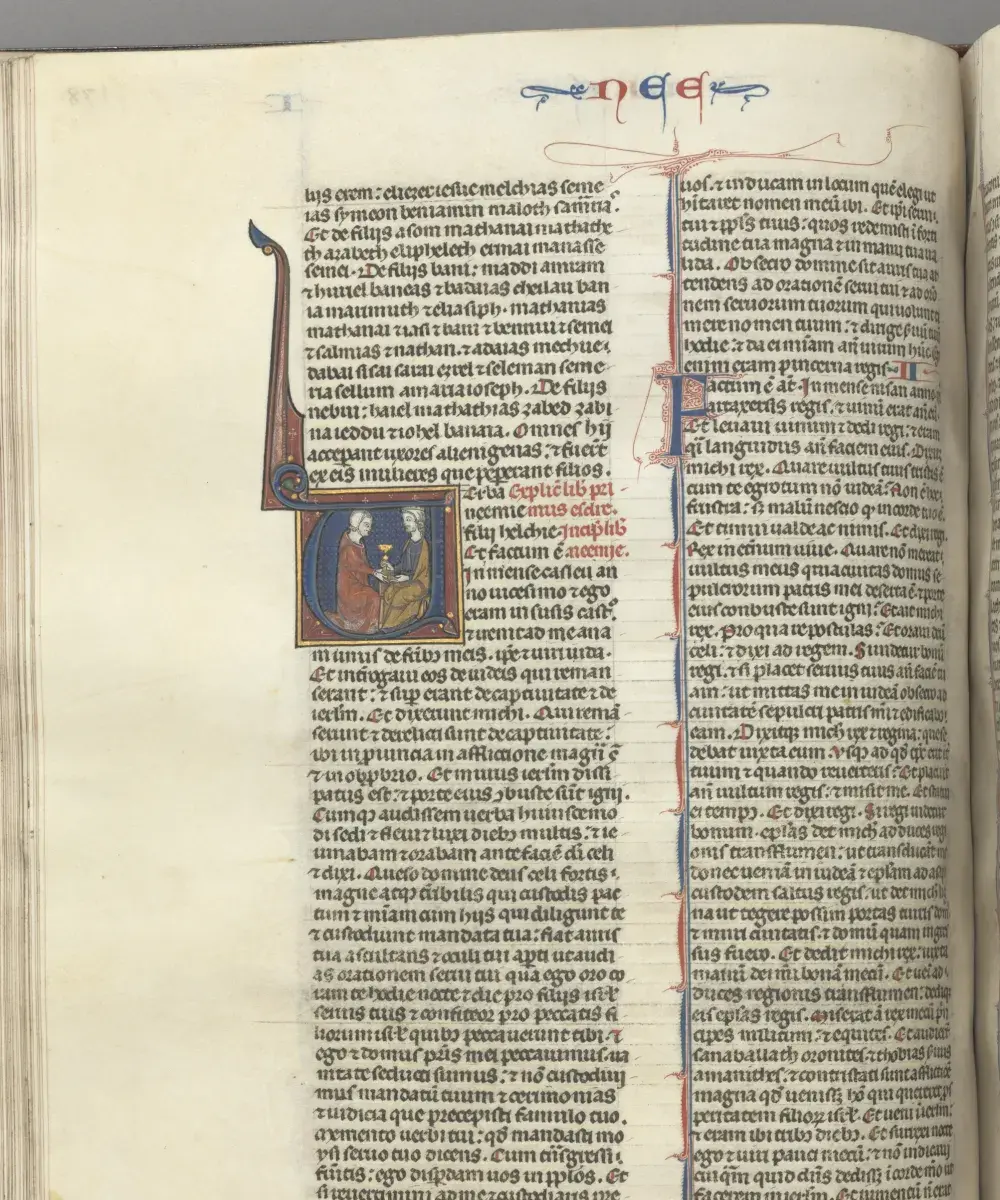
Bulgarsk kyrillisk: skriften der formede et kontinent
Det kyrilliske alfabet blev skabt i det Første Bulgarske Rige i det 9. århundrede af disciple af de hellige Cyrillus og Methodius, der arbejdede på Preslav Litterære Skole. Bulgarien er derfor udgangspunktet for den kyrilliske skrift, der nu bruges af over 250 millioner mennesker i Østeuropa, Centralasien og Sibirien. Bulgarske middelalderlige manuskripter er blandt de tidligste og mest betydningsfulde dokumenter i den kyrilliske litterære historie, og den bulgarske ortodokse kirke bevarede og transmitterede skriften gennem århundreder. Dette betyder, at bulgarsk har en ubrudt kyrillisk skriftlig tradition, der er længere end noget andet levende sprog, der bruger skriften.
Til dokumentoversættelsesformål er denne historie vigtig, fordi bulgarske kyrilliske fonte og kodningsstandarder har deres egne konventioner, der er adskilt fra de russiske kyrilliske standarder, som dominerer de fleste softwarestandarder. Akademiske diplomer fra Sofia Universitet, bulgarske nationale identitetsdokumenter, EU-dokumenter udstedt på bulgarsk og papirer fra diasporaen til immigration bærer alle juridisk vægt i EU's medlemslande. Det bulgarske bestemte artikel-suffikssystem, kombineret med to-køns navneordssystemet og præpositionsbaseret grammatik, betyder, at hvert oversat dokument kræver grammatisk håndtering, der er specifik for bulgarsk snarere end generisk kyrillisk output.
Dokumenter folk oversætter mellem engelsk og bulgarsk
Bulgariens EU-medlemskab siden 2007 og den store bulgarske diaspora i Vesteuropa skaber en stabil efterspørgsel efter dokumentoversættelse i begge retninger. De mest almindelige dokumenttyper inkluderer:
- Bulgarske nationale identitetsdokumenter og pas til registrering af bopæl i Spanien, Tyskland og Storbritannien
- Bulgarske kørekort indleveret til ombytning til værtslandets EU-kørekort
- Fødselsattester, vielsesattester og skilsmisseattester til anerkendelse af civilstatus i EU-medlemsstaterne
- Akademiske diplomer og karakterudskrifter fra bulgarske universiteter, herunder Sofia Universitet "St. Kliment Ohridski", til anerkendelse af kvalifikationer i udlandet
- Notardokumenter og fuldmagter anvendt i grænseoverskridende ejendomstransaktioner eller arveforhold i Bulgarien
- Medicinske rapporter og hospitalsudskrivningsresuméer for bulgarske patienter, der modtager behandling i udlandet, eller for diaspora-medlemmer, der får adgang til bulgarsk sundhedspleje ved tilbagevendende besøg
- Skattepapirer og ansættelseskontrakter for bulgarske fagfolk, der arbejder i EU-lande
AI-oversættelse fungerer godt til at forstå indholdet af en bulgarsksproget PDF eller til at forberede et arbejdsudkast. Officielle indleveringer til et kontor, en immigrationsmyndighed eller en domstol kræver typisk en certificeret oversættelse, der er gennemgået og underskrevet af en kvalificeret menneskelig oversætter. For USCIS-indleveringer og amerikanske immigrationsprocesser, der involverer bulgarske dokumenter, se vores USCIS oversættelsesservices side for vejledning om certificeringskrav.
Priser for bulgarsk PDF-oversættelse
Tilmeld dig gratis, betal pr. dokument, og opgrader efterhånden som dine oversættelsesbehov vokser.
Free
Intet kort kræves for at tilmelde sig
- 0,005 $/ord AI-oversættelse
- 1 USD pr. side for scanninger og billed-PDF'er
- 108 sprog
- Filer op til 20 MB og 20 sider
- DOCX, PDF, XLSX, PPTX, IDML, TXT, JPG, PNG og CSV
- Kun 24-timers fillagring
- PDF-editor og PDF til DOCX-konverter
Basic
Mest populæreFaktureres hver uge · annuller når som helst
Faktureres månedligt
Faktureres én gang om året · spar 33%
- AI-oversættelse inkluderet hver måned
- Derefter 0,005 $/ord AI-oversættelse
- Filer op til 100 MB og 300 sider
- DOCX, PDF, XLSX, PPTX, IDML, TXT, JPG, PNG og CSV
- OCR til scannede dokumenter
- Dokumentlagring
- Prioriteret support
- 7-dages gratis prøveperiode på månedsplanen
- Annuller når som helst
Pro
Faktureres månedligt
Faktureres én gang om året · spar 34%
- AI-oversættelse inkluderet hver måned
- Derefter 0,004 $/ord AI-oversættelse
- Filer op til 1 GB og 5.000 sider
- DOCX, PDF, XLSX, PPTX, IDML, TXT, JPG, PNG og CSV
- Ordliste
- Prioriteret kø
- 5 teampladser
- API-anmodninger · 1.000 sider om måneden
- MCP-adgang til AI-assistenter
- Annuller når som helst
Business
Faktureres månedligt
Faktureres én gang om året · spar 33%
- AI-oversættelse inkluderet hver måned
- Derefter 0,003 $/ord AI-oversættelse
- Filer op til 1 GB og 5.000 sider
- DOCX, PDF, XLSX, PPTX, IDML, TXT, JPG, PNG og CSV
- Ordliste
- Prioriteret kø
- 15 teampladser
- API-anmodninger · 5.000 sider om måneden
- MCP-adgang til AI-assistenter
- Annuller når som helst
Virksomhed
Har du brug for mere volumen, fakturering eller en tilpasset aftale? Tal med os om en Enterprise-plan.
Sådan oversætter du din PDF til bulgarsk
Opret en gratis konto
Tilmeld dig med din e-mail for at få adgang til oversættelses-dashboardet online.
Upload din PDF-fil
Træk og slip din fil, eller browse for at vælge den. Filer op til 1 GB understøttes på Pro- og Business-planerne.
Vælg bulgarsk som målsprog
Vælg kildesproget for din PDF, og indstil bulgarsk som målsprog. Outputtet vil bruge det korrekte 30-bogstavs bulgarske kyrilliske alfabet, inklusive vokalen Ъ, med de bestemte artikel-suffikser og præpositionsbaserede grammatik korrekt gengivet.
Oversæt og download
Klik "Oversæt" og vent et øjeblik. Din oversatte PDF vil være klar til download på bulgarsk med det originale layout bevaret.
Udforsk flere dokumentoversættelsestjenester
Ofte stillede spørgsmål om engelsk til bulgarsk PDF-oversættelse
Vil det bulgarske kyrilliske gengives korrekt i den oversatte PDF?
Ja. Bulgarsk bruger et 30-bogstavs kyrillisk alfabet, der adskiller sig fra russisk kyrillisk. Det inkluderer vokalen Ъ, som repræsenterer en specifik bulgarsk lyd, og udelader de russiske bogstaver Ы, Э og Ё. Mange PDF-skrifttypeprofiler bruger som standard russisk kyrillisk kodning, hvilket fejlagtigt gengiver bulgarsk tekst. DocTranslator producerer bulgarsk kyrillisk ved hjælp af de korrekte Unicode-tildelinger, så teksten er visuelt nøjagtig, korrekt afmålt og digitalt søgbar.
Hvordan påvirker bulgarsk grammatik kvaliteten af PDF-oversættelse?
Bulgarsk er unikt blandt slaviske sprog ved at have intet grammatisk kasus-system. I stedet for at ændre navneordsendelser for at markere grammatisk rolle, bruger bulgarsk præpositioner og fast ordstilling. En oversættelsesmotor skal producere den korrekte præposition for hver kontekst. Derudover vedhæfter bulgarsk den bestemte artikel som et suffiks til navneordet: "mand" er "mazh" og "manden" er "mazhat." Den korrekte suffiksform afhænger af grammatisk køn (maskulinum eller femininum) og sætningsposition. AI-modeller trænet på bulgarsk tekst håndterer disse strukturer pålideligt for standard dokumenttyper.
Er der forskel på bulgarsk brugt i Bulgarien og i diasporasamfund?
Standard skriftsproget er konsistent. Bulgarske diasporasamfund i Spanien, Tyskland og Storbritannien bruger det samme skriftlige bulgarske som i Bulgarien til officielle dokumenter, korrespondance og formelle tekster. Uformelle talte registre kan indeholde låneord fra værtslandenes sprog, men disse vises ikke i juridiske eller administrative PDF'er. DocTranslator producerer standard litterært bulgarsk, hvilket er korrekt for alle dokumenttyper uanset oprindelse.
Hvilke bulgarske dokumenter oversættes almindeligvis til EU-immigrationsformål?
De mest hyppigt oversatte dokumenter er det bulgarske nationale identitetskort, pas, kørekort, fødselsattest og ægteskabs- eller skilsmisseattest. Bulgarske borgere, der bor i Spanien, Tyskland eller Storbritannien, har typisk brug for disse oversat til registrering af bopæl, ombytning af kørekort eller familiesammenføring. Til officielle indleveringer til myndighederne kræves en certificeret oversættelse snarere end et AI-genereret udkast.
Hvor stor en bulgarsk PDF kan jeg oversætte?
Op til 1 GB eller 5.000 sider på Pro og Business, 100 MB og 300 sider på Basic, og 20 MB og 20 sider på Free. Oversættelse af en kort prøve først koster fra $0,99 og er nok til at verificere, hvordan bulgarsk kyrillisk, bestemte artikelsuffikser og dokumentformatering håndteres på en prøve, før du forpligter dig til en fuld fil.
Kan jeg oversætte fra bulgarsk til engelsk såvel som fra engelsk til bulgarsk?
Ja. Det bulgarsk-engelske par fungerer i begge retninger. Oversættelse af en bulgarsk PDF til engelsk er almindeligt for diasporamedlemmer, der deler dokumenter med ikke-bulgarsktalende arbejdsgivere eller myndigheder, og for virksomheder, der gennemgår bulgarsksprogede kontrakter, regulatoriske indberetninger eller akademiske udskrifter.
Hvad gør bulgarsk kyrillisk historisk signifikant for dokumentoversættelse?
Det kyrilliske alfabet blev skabt i det Første Bulgarske Rige i det 9. århundrede, hvilket gør bulgarsk til det ældste kontinuerligt kyrillisk-skrevne levende sprog. Denne historie betyder, at bulgarske kyrilliske kodningsstandarder har deres egne konventioner, der er forskellige fra russiske standardindstillinger. Når software antager russiske kyrilliske skrifttypeprofiler, mister bulgarske dokumenter bogstavet Ъ og kan blive gengivet forkert. DocTranslator anvender bulgarsk-specifik skrifttype-mapping i stedet for at bruge russisk kyrillisk som standard, hvilket er den mest almindelige årsag til gengivelsesfejl i automatiseret bulgarsk PDF-oversættelse.
Oversæt din PDF til bulgarsk i dag
DocTranslator konverterer PDF'er til bulgarsk online, gengiver det korrekte 30-bogstavs bulgarske kyrilliske alfabet med korrekte bestemte artikel-suffikser og præpositionsbaseret grammatik, bevarer dit dokumentlayout og understøtter filer op til 1 GB.
Relaterede Værktøjer
Oversæt PDF efter sprog
Dokumenttyper
Vores Partnere