
Oversæt PDF til Kinesisk
Omdan en engelsk PDF til kinesisk, enten med forenklede eller traditionelle tegn, mens det originale layout, tabeller og billeder forbliver på plads. Det samme værktøj oversætter også kinesiske PDF'er tilbage til engelsk. Filer op til 1 GB.
Upload eller træk dokumentet hertil for oversættelse
Maks. filstørrelse 1 GB
- OCR til scanninger og fotos
- 108 sprog
- Originalt layout bevaret
Hvad sker der, når du oversætter en PDF til kinesisk
Kinesisk skrives med Han-tegn snarere end et alfabet, så det første, en oversætter skal gøre, er at genskabe meningen med hver sætning og derefter udtrykke den med de rigtige tegn, ikke bare bytte ét ord for et andet. Mandarin-kinesisk har omkring 920 millioner modersmålstalende, flere end noget andet sprog, hvilket er grunden til, at så mange virksomheder i sidste ende har brug for en kinesisk version af en kontrakt, manual eller rapport på et tidspunkt.
Kinesisk efterlader heller ingen mellemrum mellem ordene. En læser genkender, hvor ét ord slutter, og det næste begynder ud fra selve tegnene, så et værktøj ikke kan stole på mellemrum til at ombryde linjer eller tælle ord, som det ville gøre på engelsk. DocTranslator arbejder på sætningsniveau og placerer den færdige kinesiske tekst tilbage på siden, så tegnene sidder rent i kolonnerne, tabellerne og billedteksterne, de kom fra, i stedet for at løbe ud over margenerne.
En nyttig bivirkning er plads. Kinesisk er kompakt: en frase, der løber hen over en hel linje på engelsk, passer ofte ind i en håndfuld tegn, så den oversatte tekst fylder ofte mindre end kilden. Den samme motor kører også i den anden retning og vender en kinesisk PDF tilbage til engelsk, hvor teksten normalt vokser, og layoutet skal tilpasses, så de længere engelske linjer stadig passer på siden.
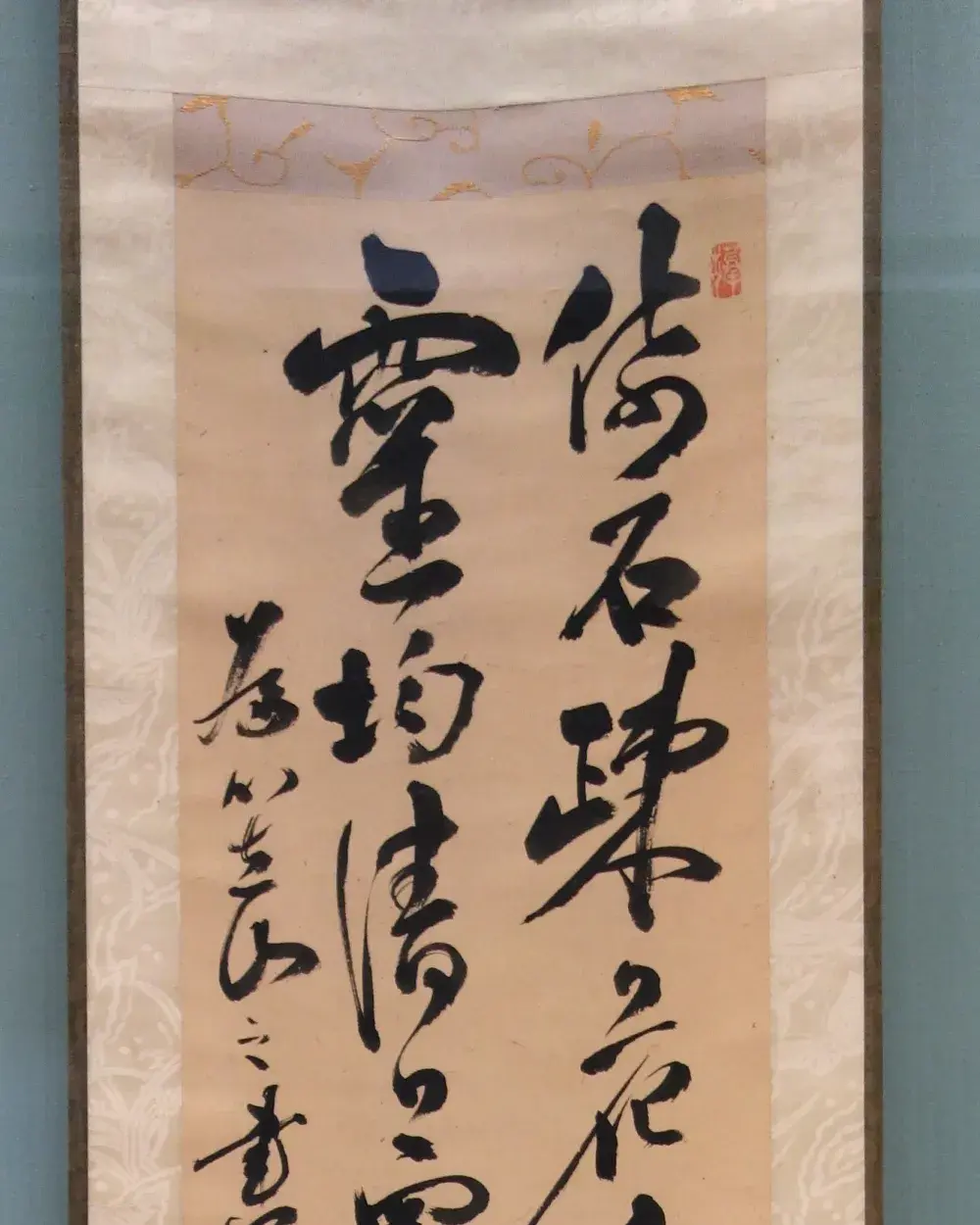
Forenklet eller traditionel: vælg de rigtige tegn
Der findes ikke ét enkelt skriftligt kinesisk. Forenklede tegn er standarden i fastlands-Kina og Singapore, mens traditionelle tegn bruges i Taiwan, Hong Kong og Macau. De to deler meget, men en læser vil straks bemærke, når et dokument ankommer i det forkerte sæt, så valget er værd at træffe, før du oversætter, snarere end efter.
Som en tommelfingerregel, vælg forenklet til en partner eller kunde på fastlandet og traditionel til Taiwan eller Hong Kong. Moderne kinesisk læses fra venstre mod højre og top til bund, samme retning som engelsk, selvom ældre og mere formelt materiale undertiden sættes lodret. DocTranslator bevarer den strømning, din PDF allerede bruger, så resultatet læses, som originalen gjorde.
Dokumenter folk oversætter mellem engelsk og kinesisk
Kina er en af verdens største handels- og produktionsøkonomier, så de fleste PDF'er i dette sprogpar er kommercielle eller tekniske. De filer, vi oftest ser, inkluderer:
- Forretningskontrakter og leverandøraftaler for grænseoverskridende handler
- Produktions- og produktspecifikationer, tegninger og inspektionsrapporter
- Certifikater og officielle papirer til støtte for handel eller flytning
- Marketingpræsentationer, brochurer og tekster til produktemballage
- Brugermanualer, sikkerhedsdatablade og teknisk dokumentation
Et par kinesisk-specifikke ting, der er værd at vide
Fordi kinesisk bruger Han-tegn, skal output-PDF'en have en skrifttype, der faktisk indeholder dem. DocTranslator indlejrer en skrifttype, der dækker tegnsættet, så teksten vises korrekt i stedet for at efterlade tomme bokse, hvor en latinsk-kun skrifttype ville fejle. Firmanavne, stednavne og produktnavne er de dele, der mest er værd at få tjekket af et menneske, da flere tegn kan mappes til den samme engelske stavemåde, og det forkerte ændrer betydningen.
AI-oversættelse er den hurtige, billige måde at læse et kinesisk dokument på eller producere et arbejdsudkast. For alt, hvad du indsender til et offentligt kontor eller en domstol, kræves der normalt en officiel, menneskeligt gennemgået oversættelse. Se certificeret oversættelse, hvis du har brug for et officielt stempel.
Priser for oversættelse af PDF fra engelsk til kinesisk
Start gratis og opgrader efterhånden som dine oversættelsesbehov vokser.
Free
Intet kort kræves for at tilmelde sig
- 0,005 $/ord AI-oversættelse
- 1 USD pr. side for scanninger og billed-PDF'er
- 108 sprog
- Filer op til 20 MB og 20 sider
- DOCX, PDF, XLSX, PPTX, IDML, TXT, JPG, PNG og CSV
- Kun 24-timers fillagring
- PDF-editor og PDF til DOCX-konverter
Basic
Mest populæreFaktureres hver uge · annuller når som helst
Faktureres månedligt
Faktureres én gang om året · spar 33%
- AI-oversættelse inkluderet hver måned
- Derefter 0,005 $/ord AI-oversættelse
- Filer op til 100 MB og 300 sider
- DOCX, PDF, XLSX, PPTX, IDML, TXT, JPG, PNG og CSV
- OCR til scannede dokumenter
- Dokumentlagring
- Prioriteret support
- 7-dages gratis prøveperiode på månedsplanen
- Annuller når som helst
Pro
Faktureres månedligt
Faktureres én gang om året · spar 34%
- AI-oversættelse inkluderet hver måned
- Derefter 0,004 $/ord AI-oversættelse
- Filer op til 1 GB og 5.000 sider
- DOCX, PDF, XLSX, PPTX, IDML, TXT, JPG, PNG og CSV
- Ordliste
- Prioriteret kø
- 5 teampladser
- API-anmodninger · 1.000 sider om måneden
- MCP-adgang til AI-assistenter
- Annuller når som helst
Business
Faktureres månedligt
Faktureres én gang om året · spar 33%
- AI-oversættelse inkluderet hver måned
- Derefter 0,003 $/ord AI-oversættelse
- Filer op til 1 GB og 5.000 sider
- DOCX, PDF, XLSX, PPTX, IDML, TXT, JPG, PNG og CSV
- Ordliste
- Prioriteret kø
- 15 teampladser
- API-anmodninger · 5.000 sider om måneden
- MCP-adgang til AI-assistenter
- Annuller når som helst
Virksomhed
Har du brug for mere volumen, fakturering eller en tilpasset aftale? Tal med os om en Enterprise-plan.
Hvordan oversætter man sin PDF til kinesisk?
Opret en gratis konto
Tilmeld dig med din e-mail for at få adgang til oversættelses-dashboardet online.
Upload din PDF-fil
Træk og slip din fil, eller browse for at vælge den. Filer op til 1 GB understøttes på Pro- og Business-planerne.
Vælg Kinesisk som målsprog
Vælg det originale sprog for din PDF, og indstil Kinesisk som målsprog, og vælg forenklet eller traditionel, så det passer til dine læsere.
Oversæt og download
Klik på "Oversæt" og vent et øjeblik. Din oversatte PDF vil være klar til download på kinesisk, med bevaret formatering.
Ofte stillede spørgsmål om oversættelse af PDF fra engelsk til kinesisk
Skal jeg vælge forenklet eller traditionel kinesisk?
Det afhænger af læseren. Forenklede tegn er standard i Kina og Singapore, mens traditionelle tegn bruges i Taiwan, Hong Kong og Macau. Vælg forenklet for publikum i fastlandet og traditionel for Taiwan eller Hong Kong. DocTranslator lader dig indstille en af dem som mål.
Vil kinesiske tegn og skrifttyper blive vist korrekt i PDF'en?
Ja. Outputtet indlejrer en skrifttype, der dækker Han-tegnsområdet, så den kinesiske tekst gengives korrekt i stedet for at vise tomme bokse, som en rent latinsk skrifttype ville gøre. Dette er mest relevant for scannede filer og ældre PDF'er, hvor den oprindelige kinesiske skrifttype ikke længere er tilgængelig.
Kinesisk har ingen mellemrum mellem ord. Giver det problemer?
Nej. Kinesiske læsere kan se, hvor ord begynder og slutter ud fra tegnene selv, ikke ud fra mellemrum. DocTranslator oversætter hele sætninger og placerer tegnene tilbage i de oprindelige kolonner og tabeller, så linjerne ombrydes rent uden at afhænge af mellemrum.
Kan jeg også oversætte fra kinesisk til engelsk?
Ja, parret fungerer begge veje og bruger den samme motor. Når der oversættes fra kinesisk, udvider teksten sig normalt, da kompakt kinesisk bliver til længere engelsk, og layoutet tilpasses, så de længere linjer stadig passer på siden.
Er AI-oversættelse god nok til officiel eller certificeret brug?
Til at forstå et dokument, internt brug og første udkast, ja. Men kontrakter, certifikater og papirarbejde, der indsendes til et offentligt kontor eller en domstol, kræver normalt en certificeret, menneskeligt gennemgået oversættelse. Se vores certificeret oversættelse mulighed for dem.
Hvor stor en kinesisk PDF kan jeg oversætte?
På Pro og Business kan en enkelt PDF være op til 1 GB og 5.000 sider, hvilket dækker fulde tekniske manualer og rapporter. Basic stopper ved 100 MB og 300 sider, Free ved 20 MB og 20 sider. Et kort kinesisk uddrag koster fra $0,99, en billig måde at kontrollere kvaliteten på, før den fulde fil.
Hvad koster oversættelse af engelsk til kinesisk PDF?
AI-oversættelse koster $0,005/ord på Free, betales pr. dokument med et minimum på $0,99. Et Basic, Pro eller Business abonnement er valgfrit og kommer med inkluderede sider, der nulstilles hver 30. dag. Se priser for detaljer.
Min kinesiske PDF er en scanning. Kan den stadig oversættes?
Billedfiler (JPG, JPEG, PNG) og billed-PDF'er understøttes. Rene scanninger i høj opløsning giver de bedste resultater, mens svage eller håndskrevne kinesiske tegn er sværere at læse nøjagtigt. For skarpere output skal du uploade den originale digitale fil, når du har den.
Oversæt PDF til Kinesisk i dag
Behov for en hurtig og pålidelig PDF til kinesisk-konverter? Med DocTranslator kan du oversætte PDF'er online på få minutter, mens den originale formatering, billeder og layout bevares intakte. Upload filer op til 1 GB og få nøjagtige resultater øjeblikkeligt.
Relaterede Værktøjer
Oversæt PDF efter sprog
Dokumenttyper
Vores Partnere