
PDF ins Chinesische übersetzen
Wandeln Sie ein englisches PDF in Chinesisch um, entweder in vereinfachten oder traditionellen Schriftzeichen, während das ursprüngliche Layout, Tabellen und Bilder erhalten bleiben. Das gleiche Tool übersetzt auch chinesische PDFs zurück ins Englische. Dateien bis zu 1 GB.
Dokument hochladen oder per Drag & Drop ziehen, um es zu übersetzen
Max. Dateigröße 1 GB
- OCR für Scans und Fotos
- 108 Sprachen
- Original-Layout beibehalten
Was passiert, wenn Sie ein PDF ins Chinesische übersetzen
Chinesisch wird mit Han-Schriftzeichen anstelle eines Alphabets geschrieben. Daher muss ein Übersetzer zunächst die Bedeutung jedes Satzes rekonstruieren und diese dann mit den richtigen Schriftzeichen ausdrücken, anstatt nur ein Wort durch ein anderes zu ersetzen. Mandarin-Chinesisch hat rund 920 Millionen Muttersprachler, mehr als jede andere Sprache. Deshalb benötigen viele Unternehmen irgendwann eine chinesische Version eines Vertrags, Handbuchs oder Berichts.
Chinesisch lässt auch keine Leerzeichen zwischen Wörtern. Ein Leser erkennt anhand der Schriftzeichen selbst, wo ein Wort endet und das nächste beginnt. Ein Tool kann sich also nicht auf Leerzeichen zum Zeilenumbruch oder zur Wortzählung verlassen, wie es dies im Englischen tun würde. DocTranslator arbeitet auf Satzebene und fügt das fertige Chinesisch wieder in die Seite ein, sodass die Schriftzeichen sauber in den Spalten, Tabellen und Bildunterschriften sitzen, aus denen sie stammen, anstatt über die Ränder hinaus zu laufen.
Ein nützlicher Nebeneffekt ist der Platz. Chinesisch ist kompakt: Ein Satz, der sich über eine ganze Zeile im Englischen erstreckt, passt oft in eine Handvoll Schriftzeichen, sodass der übersetzte Text häufig weniger Platz beansprucht als die Quelle. Die gleiche Engine läuft auch in die andere Richtung und wandelt ein chinesisches PDF zurück ins Englische um, wobei der Text normalerweise wächst und das Layout neu angepasst werden muss, damit die längeren englischen Zeilen immer noch auf die Seite passen.
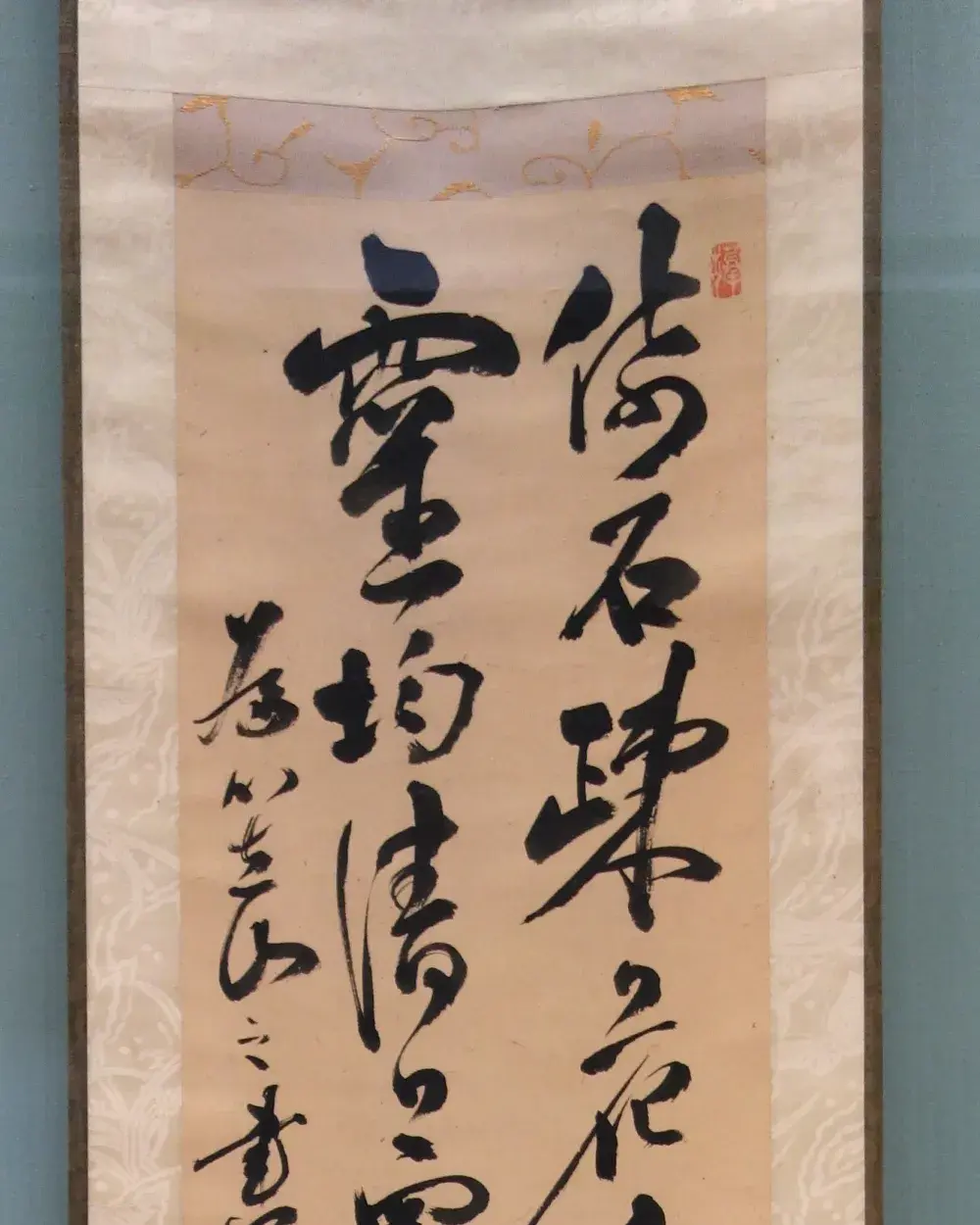
Vereinfacht oder Traditionell: Wählen Sie die richtigen Schriftzeichen
Es gibt kein einziges geschriebenes Chinesisch. Vereinfachte Schriftzeichen sind der Standard in Festlandchina und Singapur, während traditionelle Schriftzeichen in Taiwan, Hongkong und Macau verwendet werden. Die beiden teilen vieles, aber ein Leser wird sofort bemerken, wenn ein Dokument im falschen Satz ankommt. Daher lohnt es sich, die Wahl vor der Übersetzung zu treffen und nicht danach.
Als Faustregel gilt: Wählen Sie vereinfacht für einen Partner oder Kunden auf dem Festland und traditionell für Taiwan oder Hongkong. Modernes Chinesisch wird von links nach rechts und von oben nach unten gelesen, in der gleichen Richtung wie Englisch, obwohl älteres und formelleres Material manchmal vertikal gesetzt wird. DocTranslator behält den Fluss bei, den Ihr PDF bereits verwendet, sodass das Ergebnis so gelesen wird, wie das Original.
Dokumente, die Menschen zwischen Englisch und Chinesisch übersetzen
China ist eine der größten Handels- und Produktionswirtschaften der Welt. Daher sind die meisten PDFs in diesem Sprachpaar kommerzieller oder technischer Natur. Die Dateien, die wir am häufigsten sehen, umfassen:
- Geschäftsverträge und Lieferantenvereinbarungen für grenzüberschreitende Geschäfte
- Herstellungs- und Produktspezifikationen, Zeichnungen und Inspektionsberichte
- Zertifikate und offizielle Papiere zur Unterstützung von Handel oder Umsiedlung
- Marketing-Decks, Broschüren und Texte für Produktverpackungen
- Benutzerhandbücher, Sicherheitsdatenblätter und technische Dokumentation
Ein paar spezifische Dinge über Chinesisch, die man wissen sollte
Da Chinesisch Han-Schriftzeichen verwendet, benötigt das Ausgabe-PDF eine Schriftart, die diese tatsächlich enthält. DocTranslator bettet eine Schriftart ein, die den Zeichensatz abdeckt, sodass der Text korrekt angezeigt wird und keine leeren Kästchen hinterlässt, wo eine reine lateinische Schriftart fehlschlagen würde. Firmennamen, Ortsnamen und Produktnamen sind die Teile, die am ehesten eine menschliche Überprüfung erfordern, da mehrere Schriftzeichen mit derselben englischen Schreibweise übereinstimmen können und das falsche die Bedeutung verändert.
KI-Übersetzung ist der schnelle, kostengünstige Weg, um ein chinesisches Dokument zu lesen oder einen Arbeitsentwurf zu erstellen. Für alles, was Sie bei einer Regierungsbehörde oder einem Gericht einreichen, ist in der Regel eine offizielle, von Menschen geprüfte Übersetzung erforderlich. Sehen Sie beglaubigte Übersetzung, wenn Sie einen offiziellen Stempel benötigen.
Preise für die Übersetzung von PDF von Englisch nach Chinesisch
Beginnen Sie kostenlos und rüsten Sie auf, wenn Ihr Übersetzungsbedarf wächst.
Free
Keine Karte zur Anmeldung erforderlich
- 0,005 $/Wort KI-Übersetzung
- 1 $ pro Seite für Scans und Bild-PDFs
- 108 Sprachen
- Dateien bis zu 20 MB und 20 Seiten
- DOCX, PDF, XLSX, PPTX, IDML, TXT, JPG, PNG und CSV
- Nur 24-Stunden-Dateispeicherung
- PDF-Editor und PDF-zu-DOCX-Konverter
Basis
Am beliebtestenWöchentlich abgerechnet · jederzeit kündbar
Monatlich abgerechnet
Einmal jährlich abgerechnet · 33% sparen
- KI-Übersetzung jeden Monat inklusive
- Dann 0,005 $/Wort KI-Übersetzung
- Dateien bis zu 100 MB und 300 Seiten
- DOCX, PDF, XLSX, PPTX, IDML, TXT, JPG, PNG und CSV
- OCR für gescannte Dokumente
- Dokumentenspeicherung
- Prioritäts-Support
- 7-tägige kostenlose Testversion im Monatsplan
- Jederzeit kündbar
Pro
Monatlich abgerechnet
Einmal jährlich abgerechnet · 34% sparen
- KI-Übersetzung jeden Monat inklusive
- Dann 0,004 $/Wort KI-Übersetzung
- Dateien bis zu 1 GB und 5.000 Seiten
- DOCX, PDF, XLSX, PPTX, IDML, TXT, JPG, PNG und CSV
- Glossar
- Prioritätswarteschlange
- 5 Team-Sitze
- API-Anfragen · 1.000 Seiten pro Monat
- MCP-Zugang für KI-Assistenten
- Jederzeit kündbar
Business
Monatlich abgerechnet
Einmal jährlich abgerechnet · 33% sparen
- KI-Übersetzung jeden Monat inklusive
- Dann 0,003 $/Wort KI-Übersetzung
- Dateien bis zu 1 GB und 5.000 Seiten
- DOCX, PDF, XLSX, PPTX, IDML, TXT, JPG, PNG und CSV
- Glossar
- Prioritätswarteschlange
- 15 Team-Sitze
- API-Anfragen · 5.000 Seiten pro Monat
- MCP-Zugang für KI-Assistenten
- Jederzeit kündbar
Unternehmen
Benötigen Sie mehr Volumen, Rechnungsstellung oder eine individuelle Vereinbarung? Sprechen Sie uns an für einen Enterprise-Plan.
Wie übersetzt man Ihr PDF ins Chinesische?
Kostenloses Konto erstellen
Melden Sie sich mit Ihrer E-Mail-Adresse an, um auf das Online-Übersetzungs-Dashboard zuzugreifen.
Laden Sie Ihre PDF-Datei hoch
Ziehen Sie Ihre Datei per Drag & Drop oder klicken Sie zum Auswählen. Dateien bis zu 1 GB werden in den Pro- und Business-Plänen unterstützt.
Wählen Sie Chinesisch als Zielsprache
Wählen Sie die Originalsprache Ihres PDFs aus und legen Sie Chinesisch als Zielsprache fest. Wählen Sie vereinfacht oder traditionell, um Ihre Leser anzusprechen.
Übersetzen und herunterladen
Klicken Sie auf „Übersetzen“ und warten Sie einen Moment. Ihr übersetztes PDF ist zum Download in Chinesisch bereit, wobei die Formatierung erhalten bleibt.
Häufig gestellte Fragen zur Übersetzung von PDF von Englisch nach Chinesisch
Sollte ich vereinfachtes oder traditionelles Chinesisch wählen?
Das hängt vom Leser ab. Vereinfachte Schriftzeichen sind in Festlandchina und Singapur Standard, während traditionelle Schriftzeichen in Taiwan, Hongkong und Macau verwendet werden. Wählen Sie vereinfacht für Zielgruppen auf dem Festland und traditionell für Taiwan oder Hongkong. DocTranslator ermöglicht es Ihnen, eines von beiden als Ziel festzulegen.
Werden chinesische Schriftzeichen und Schriftarten korrekt in der PDF angezeigt?
Ja. Die Ausgabe bettet eine Schriftart ein, die den Han-Zeichenbereich abdeckt, sodass der chinesische Text korrekt gerendert wird und keine leeren Kästchen anzeigt, wie es bei einer rein lateinischen Schriftart der Fall wäre. Dies ist besonders wichtig für gescannte Dateien und ältere PDFs, bei denen die ursprüngliche chinesische Schriftart nicht mehr verfügbar ist.
Chinesisch hat keine Leerzeichen zwischen Wörtern. Verursacht das Probleme?
Nein. Chinesische Leser erkennen, wo Wörter beginnen und enden, anhand der Zeichen selbst und nicht an Leerzeichen. DocTranslator übersetzt ganze Sätze und fügt die Zeichen wieder in die ursprünglichen Spalten und Tabellen ein, sodass die Zeilen sauber umbrochen werden, ohne auf Leerzeichen angewiesen zu sein.
Kann ich auch aus dem Chinesischen ins Englische übersetzen?
Ja, das Paar funktioniert in beide Richtungen und verwendet dieselbe Engine. Bei der Übersetzung aus dem Chinesischen dehnt sich der Text normalerweise aus, da kompaktes Chinesisch zu längerem Englisch wird, und das Layout wird angepasst, sodass die längeren Zeilen immer noch auf die Seite passen.
Ist KI-Übersetzung gut genug für den offiziellen oder zertifizierten Gebrauch?
Zum Verständnis eines Dokuments, für interne Zwecke und für erste Entwürfe ja. Verträge, Zertifikate und Unterlagen, die bei einer Regierungsbehörde oder einem Gericht eingereicht werden, erfordern jedoch in der Regel eine beglaubigte, von Menschen geprüfte Übersetzung. Sehen Sie unsere Option beglaubigte Übersetzung dafür.
Wie groß kann eine chinesische PDF-Datei sein, die ich übersetzen kann?
Bei Pro und Business kann eine einzelne PDF-Datei bis zu 1 GB und 5.000 Seiten umfassen, was vollständige technische Handbücher und Berichte abdeckt. Basic stoppt bei 100 MB und 300 Seiten, Free bei 20 MB und 20 Seiten. Ein kurzer chinesischer Auszug kostet ab 0,99 $, eine günstige Möglichkeit, die Qualität vor der vollständigen Datei zu prüfen.
Was kostet die Übersetzung von PDF-Dokumenten vom Englischen ins Chinesische?
KI-Übersetzung kostet 0,005 $/Wort auf Free, bezahlt pro Dokument mit einem Mindestbetrag von 0,99 $. Ein Basic-, Pro- oder Business-Plan ist optional und kommt mit enthaltenen Seiten, die alle 30 Tage zurückgesetzt werden. Siehe Preise für Details.
Meine chinesische PDF ist ein Scan. Kann sie trotzdem übersetzt werden?
Bilddateien (JPG, JPEG, PNG) und Bild-PDFs werden unterstützt. Saubere Scans mit hoher Auflösung liefern die besten Ergebnisse, während schwache oder handschriftliche chinesische Texte schwerer genau zu lesen sind. Für eine schärfere Ausgabe laden Sie die ursprüngliche digitale Datei hoch, wenn Sie sie haben.
Übersetzen Sie Ihr PDF noch heute ins Chinesische
Benötigen Sie einen schnellen und zuverlässigen PDF-zu-Chinesisch-Konverter? Mit DocTranslator können Sie PDFs online in wenigen Minuten übersetzen und dabei die ursprüngliche Formatierung, Bilder und das Layout beibehalten. Laden Sie Dateien bis zu 1 GB hoch und erhalten Sie sofort genaue Ergebnisse.
Verwandte Tools
PDF übersetzen nach Sprache
Dokumenttypen
Unsere Partner