
PDF ins Indonesische übersetzen
Übersetzen Sie jedes PDF online ins Bahasa Indonesia. Agglutinierende Morphologie erweitert die Wortlänge und kann Text über Seiten hinweg umbrechen, und der Übersetzer beherrscht das formelle Bahasa baku Register, das für offizielle Dokumente erforderlich ist. Dateien bis zu 1 GB.
Dokument hochladen oder per Drag & Drop ziehen, um es zu übersetzen
Max. Dateigröße 1 GB
- OCR für Scans und Fotos
- 108 Sprachen
- Original-Layout beibehalten
Was passiert, wenn Sie ein PDF ins Indonesische übersetzen
Bahasa Indonesia verwendet das lateinische Alphabet, sodass die Leserichtung Ihres PDFs von links nach rechts bleibt und die allgemeine Seitenorientierung unverändert bleibt. Was sich ändert, ist die Textlänge. Indonesisch ist eine agglutinierende Sprache, was bedeutet, dass ein einzelnes Basiswort durch Affixe erheblich wachsen kann. Die Präfix me- und die Suffix -kan bilden zusammen ein kausatives Verb: „buku“ (Buch) wird zu „membukukan“ (offiziell in einem Buch aufzeichnen). Die Präfix per- in Kombination mit dem Suffix -an bildet abstrakte Nomen, und ke- mit -an bildet Zustandsnomen. Eine kurze englische Phrase kann zu einer längeren indonesischen Entsprechung werden, sobald die richtigen Affixe angewendet werden, und diese Erweiterung führt dazu, dass sich der Text innerhalb des PDFs umbricht. Spalten, die im englischen Original gut passen, können im indonesischen Ergebnis überlaufen oder anders umbrechen.
Das Register ist für die Dokumentenübersetzung ins Bahasa Indonesia von erheblicher Bedeutung. Die Sprache hat zwei klar unterschiedene Register: das formelle Bahasa baku, das in Regierungsdokumenten, Gesetzestexten, wissenschaftlichen Arbeiten und offiziellen Verträgen verwendet wird; und das umgangssprachliche Bahasa gaul, das in der Alltagssprache und informellen Schrift verwendet wird. Offizielle indonesische Dokumente müssen Bahasa baku verwenden. Die Rechtschreibkonventionen für dieses formelle Register wurden durch die EYD-Reform von 1972 standardisiert, die auch die indonesische Rechtschreibung mit der malaiischen Sprache vereinheitlichte. Diese Reform änderte mehrere Digraphen: „tj“ wurde zu „c“, „dj“ wurde zu „j“ und „nj“ wurde zu „ny“. Eine Übersetzung, die eine Rechtschreibung vor 1972 in einem modernen Dokument verwendet, wirkt für jeden indonesischen Leser veraltet.
Indonesisch fehlt auch grammatikalische Zeiten, grammatisches Geschlecht und obligatorische Pluralmarkierung. Englische Sätze sind stark auf Hilfsverben und Pluralformen angewiesen, um Zeit und Menge zu vermitteln, und die Übersetzung dieser ins Indonesische erfordert, dass der Übersetzer die Bedeutung aus dem Kontext ableitet, anstatt direkte grammatikalische Entsprechungen anzuwenden. Der Plural wird oft durch Verdopplung angezeigt („buku-buku“ für Bücher), aber formelle Dokumente lassen diese Markierung oft sogar weg, wenn der Kontext klar ist. Das Ergebnis ist, dass ein indonesisches PDF in einigen Passagen prägnanter und in anderen im Vergleich zur englischen Quelle erweitert erscheinen kann, abhängig davon, wie stark das Affigierungssystem angewendet wird.
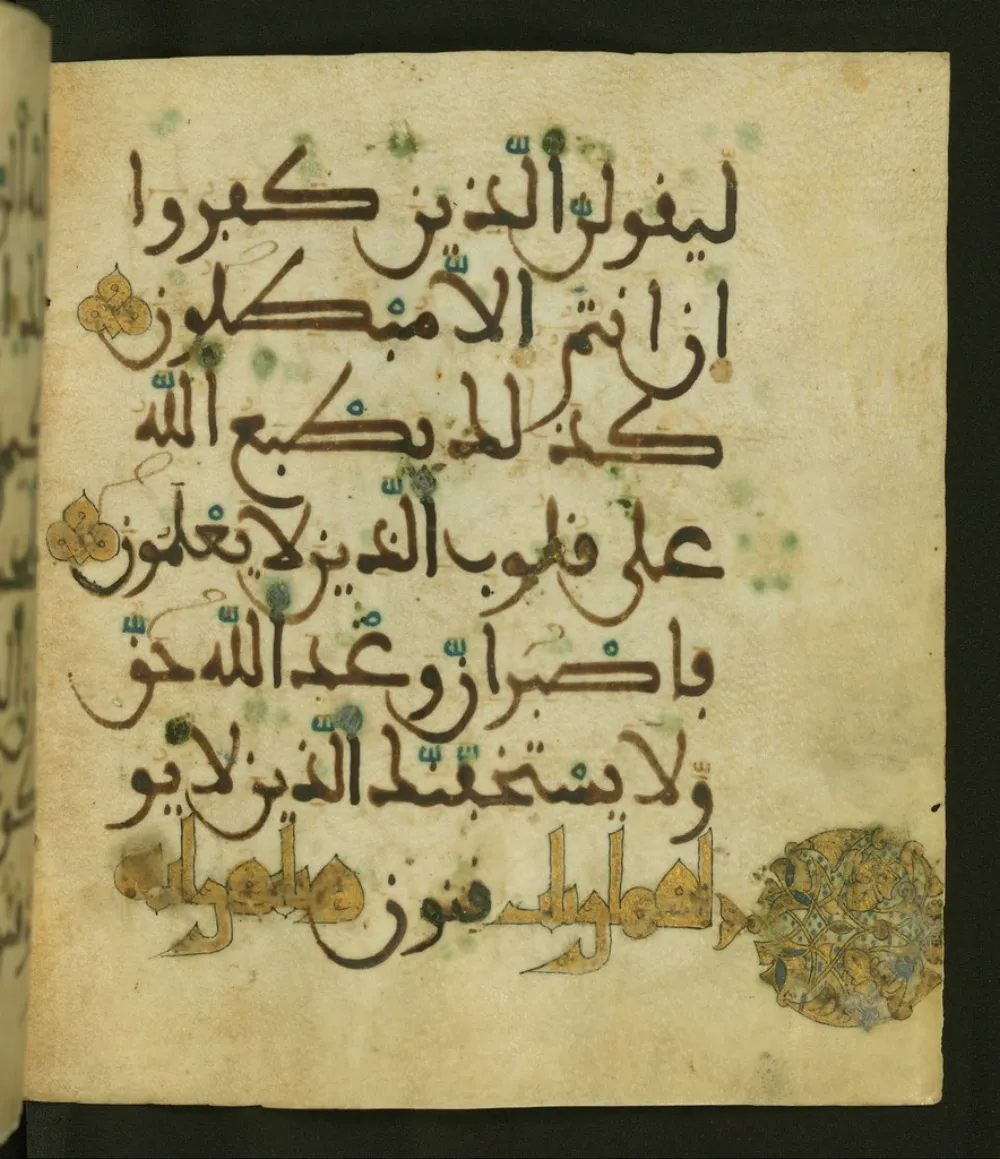
Das lateinische Alphabet von Bahasa Indonesia ersetzte eine jahrhundertealte arabische Schrifttradition
Vor der indonesischen Unabhängigkeit 1945 war das dominierende Schriftsystem für malaiisch-basierte Texte im gesamten Archipel Jawi, eine aus dem Arabischen abgeleitete Schrift, die an malaiische Laute angepasst war. Jawi war jahrhundertelang die Sprache der islamischen Bildung, religiöser Manuskripte, königlicher Korrespondenz und Handelsdokumente in der gesamten Region. Es wird heute noch in der indonesischen religiösen Bildung und in Teilen Malaysias verwendet. Moderne offizielle indonesische Dokumente verwenden das lateinische Alphabet, das mit der Unabhängigkeit eingeführt wurde, aber ältere Archivdokumente, Zeugnisse von religiösen Institutionen und einige Gemeinderegister können noch in Jawi verfasst sein, was einen Übersetzer erfordert, der mit beiden Schriften vertraut ist.
Mit 270 Millionen Sprechern insgesamt, von denen etwa 45 Millionen es als Erstsprache und der Rest als erlernte Nationalsprache sprechen, gehört Bahasa Indonesia zu den zehn meistgesprochenen Sprachen der Welt. Es ist die Arbeitssprache des viertbevölkerungsreichsten Landes der Erde und die Amtssprache der ASEAN-Verhandlungen neben Englisch. Sein Vokabular entlehnt stark aus dem Niederländischen (polisi für Polizei, gratis für kostenlos, wortel für Karotte), Arabischen (waktu für Zeit, selamat für Gruß, kitab für heiliges Buch) und Englischen (komputer, internet, film). Ein Übersetzer, der ins formelle Bahasa Indonesia arbeitet, muss navigieren, welches Lehnwortregister für den jeweiligen Kontext angemessen ist, da niederländische Lehnwörter manchmal als informell gelten, während ihre Sanskrit- oder einheimischen Entsprechungen einen offizielleren Ton haben.
Dokumente, die Menschen zwischen Englisch und Indonesisch übersetzen
Indonesiens Wirtschaft mit 280 Millionen Einwohnern, seine großen Diaspora-Gemeinschaften in Australien, den Niederlanden und Neuseeland sowie seine Rolle als ASEAN-Mitglied generieren täglich eine breite Palette von Dokumenten, die zwischen Bahasa Indonesia und Englisch ausgetauscht werden:
- Einwanderungsdokumente für indonesische Staatsbürger, die sich für Australien und Neuseeland bewerben, wo Indonesisch eine gängige Fremdsprache für von Einwanderungsbehörden bearbeitete Dokumente ist
- Akademische Zeugnisse und Abschlussurkunden von indonesischen Universitäten für Bewerbungen zum postgradualen Studium im Ausland
- ASEAN-Geschäftsverträge und Joint-Venture-Vereinbarungen zwischen indonesischen und englischsprachigen Vertragspartnern
- Von Regierungsbehörden ausgestellte Ausweisdokumente, einschließlich indonesischer KTP (nationale Personalausweise) und Familienkarten (Kartu Keluarga), für rechtliche Zwecke der Diaspora in den Niederlanden und anderswo
- Rechtsdokumente im indonesischen Zivil- und Handelsrecht für internationale Schiedsverfahren oder Due Diligence bei indonesischen Akquisitionen
- Medizinische Berichte und Gesundheitszeugnisse von indonesischen Krankenhäusern für internationale Versicherungsansprüche oder medizinische Visabestimmungen
KI-Übersetzung eignet sich gut zum Lesen eines Dokuments, zum internen Teilen oder zur Vorbereitung eines Arbeitsentwurfs. Offizielle Einreichungen bei Einwanderungsbehörden erfordern in der Regel eine beglaubigte Übersetzung, die von einem qualifizierten menschlichen Übersetzer geprüft und unterzeichnet wurde.
Preise für die PDF-Übersetzung von Englisch nach Indonesisch
Melden Sie sich kostenlos an, bezahlen Sie pro Dokument und rüsten Sie auf, wenn Ihre Übersetzungsanforderungen wachsen.
Free
Keine Karte zur Anmeldung erforderlich
- 0,005 $/Wort KI-Übersetzung
- 1 $ pro Seite für Scans und Bild-PDFs
- 108 Sprachen
- Dateien bis zu 20 MB und 20 Seiten
- DOCX, PDF, XLSX, PPTX, IDML, TXT, JPG, PNG und CSV
- Nur 24-Stunden-Dateispeicherung
- PDF-Editor und PDF-zu-DOCX-Konverter
Basis
Am beliebtestenWöchentlich abgerechnet · jederzeit kündbar
Monatlich abgerechnet
Einmal jährlich abgerechnet · 33% sparen
- KI-Übersetzung jeden Monat inklusive
- Dann 0,005 $/Wort KI-Übersetzung
- Dateien bis zu 100 MB und 300 Seiten
- DOCX, PDF, XLSX, PPTX, IDML, TXT, JPG, PNG und CSV
- OCR für gescannte Dokumente
- Dokumentenspeicherung
- Prioritäts-Support
- 7-tägige kostenlose Testversion im Monatsplan
- Jederzeit kündbar
Pro
Monatlich abgerechnet
Einmal jährlich abgerechnet · 34% sparen
- KI-Übersetzung jeden Monat inklusive
- Dann 0,004 $/Wort KI-Übersetzung
- Dateien bis zu 1 GB und 5.000 Seiten
- DOCX, PDF, XLSX, PPTX, IDML, TXT, JPG, PNG und CSV
- Glossar
- Prioritätswarteschlange
- 5 Team-Sitze
- API-Anfragen · 1.000 Seiten pro Monat
- MCP-Zugang für KI-Assistenten
- Jederzeit kündbar
Business
Monatlich abgerechnet
Einmal jährlich abgerechnet · 33% sparen
- KI-Übersetzung jeden Monat inklusive
- Dann 0,003 $/Wort KI-Übersetzung
- Dateien bis zu 1 GB und 5.000 Seiten
- DOCX, PDF, XLSX, PPTX, IDML, TXT, JPG, PNG und CSV
- Glossar
- Prioritätswarteschlange
- 15 Team-Sitze
- API-Anfragen · 5.000 Seiten pro Monat
- MCP-Zugang für KI-Assistenten
- Jederzeit kündbar
Unternehmen
Benötigen Sie mehr Volumen, Rechnungsstellung oder eine individuelle Vereinbarung? Sprechen Sie uns an für einen Enterprise-Plan.
So übersetzen Sie Ihr PDF ins Indonesische
Kostenloses Konto erstellen
Melden Sie sich mit Ihrer E-Mail-Adresse an, um auf das Online-Übersetzungs-Dashboard zuzugreifen.
Laden Sie Ihre PDF-Datei hoch
Ziehen Sie Ihre Datei per Drag & Drop oder klicken Sie zum Auswählen. Dateien bis zu 1 GB werden in den Pro- und Business-Plänen unterstützt.
Wählen Sie Indonesisch als Zielsprache
Wählen Sie die Originalsprache Ihres PDFs aus und legen Sie Indonesisch (Bahasa Indonesia) als Zielsprache fest.
Übersetzen und herunterladen
Klicken Sie auf „Übersetzen“ und warten Sie einige Augenblicke. Ihr übersetztes PDF steht zum Download in Bahasa Indonesia mit formellem Register bereit.
Weitere Dokumentenübersetzungsdienste erkunden
Häufig gestellte Fragen zur PDF-Übersetzung von Englisch nach Indonesisch
Verwendet Indonesisch Sonderzeichen, die Probleme bei der PDF-Darstellung verursachen können?
Bahasa Indonesia verwendet Standard-Lateinbuchstaben ohne Diakritika, abgesehen vom gelegentlichen „e“ mit einem Schwa-Laut, der schriftlich nicht markiert ist. Die lateinische Schrift bedeutet, dass es keine Rechts-nach-Links-Umflussprobleme, keine Ligaturkomplexitäten und keine Schriftart-Ersetzungsprobleme gibt, wie sie bei arabischen oder CJK-Schriften auftreten. Die größte Herausforderung bei der Darstellung ist die Textausdehnung, die durch agglutinierende Affixe verursacht wird und Text in benachbarte Spalten verschieben oder Textfelder in eng gestalteten PDFs überlaufen lassen kann.
Wie wirkt sich die agglutinierende Grammatik des Indonesischen auf die Länge meiner übersetzten PDF-Datei aus?
Indonesisch bildet Wörter, indem Affixe an einen Stamm angehängt werden: me-, ber-, per-, -kan, -an, -i und ke--an gehören zu den gebräuchlichsten. Ein einzelnes englisches Nomen oder Verb kann zu einem deutlich längeren indonesischen Wort werden, sobald der entsprechende Präfix und Suffix angehängt sind. In der Praxis bedeutet dies, dass Absätze in einer Bahasa-Indonesia-PDF-Übersetzung oft 10-20 % länger sind als die englische Quelle, was zu einer Erhöhung der Seitenzahl oder zu einem Umbruch des Textes innerhalb von Textrahmen fester Größe führen kann.
Welcher indonesische Register wird verwendet: formelles Bahasa baku oder umgangssprachliches Bahasa gaul?
DocTranslator zielt bei allen Dokumentenübersetzungen auf formelles Bahasa baku ab. Offizielle indonesische Dokumente, Verträge, akademische Zeugnisse und Formulare der Regierung erfordern diesen Register. Bahasa gaul, der umgangssprachliche gesprochene Register, der in der Alltagskonversation verwendet wird, ist für kein offizielles oder professionelles Dokument geeignet. Die Rechtschreibreform EYD von 1972 wird durchgängig angewendet, sodass die Ausgabe moderne Standardrechtschreibungen anstelle der Orthographie der niederländischen Ära vor der Unabhängigkeit verwendet.
Kann ich indonesische Einwanderungsdokumente für australische oder neuseeländische Visumanträge übersetzen lassen?
Ja. Australien und Neuseeland gehören zu den häufigsten Zielen für indonesische Staatsbürger und bearbeiten eine große Menge an indonesischsprachigen Dokumenten. KI-Übersetzung ist nützlich für die Vorbereitung eines Entwurfs oder das Verständnis des Inhalts eines Dokuments. Visum- und Einwanderungsanträge beim Australian Department of Home Affairs oder Immigration New Zealand erfordern jedoch in der Regel eine beglaubigte Übersetzung durch einen anerkannten Übersetzer, wie z. B. einen NAATI-zertifizierten Fachmann in Australien.
Kann ich vom Indonesischen ins Englische und vom Englischen ins Indonesische übersetzen?
Ja. Das Paar funktioniert in beide Richtungen. Die Übersetzung einer indonesischen PDF ins Englische wird gleichermaßen unterstützt, unabhängig davon, ob die Quelle ein formelles Regierungsdokument in Bahasa baku, ein akademisches Zeugnis einer indonesischen Universität oder ein Rechtsvertrag eines indonesischen Unternehmens ist. Die gleiche Dateigrößenbeschränkung von 1 GB gilt in beide Richtungen.
Wie geht der Übersetzer mit indonesischen Lehnwörtern aus dem Niederländischen, Arabischen und Englischen um?
Bahasa Indonesia enthält ein großes Inventar an Lehnwörtern aus dem Niederländischen (polisi, gratis, wortel), Arabischen (waktu, selamat, kitab) und Englischen (komputer, internet, film). Diese Wörter werden als Standard-Indonesisch-Vokabular behandelt und im übersetzten Ergebnis korrekt beibehalten oder wiedergegeben. Bei der Übersetzung aus dem Englischen ins Indonesische werden technische und wissenschaftliche Begriffe, die direkt ins Indonesische übernommen wurden (wie „internet“ oder „film“), in ihrer indonesischen Form beibehalten, anstatt in ältere Synonyme zurückübersetzt zu werden.
Wird die indonesische Reduplikation wie „buku-buku“ korrekt übersetzt?
Indonesisch verwendet Reduplikation (Wiederholung eines Stammworts), um Pluralität oder Betonung anzuzeigen: „buku-buku“ bedeutet Bücher, „anak-anak“ bedeutet Kinder, „berlari-lari“ bedeutet weiterlaufen. Die KI generiert die Reduplikation in der indonesischen Ausgabe korrekt, wo die englische Quelle Pluralität oder wiederholte Handlung impliziert. In formellen Bahasa-baku-Dokumenten wird die Reduplikation selektiv verwendet; der Kontext macht die Menge oft ohne sie deutlich, und der Übersetzer wendet die registergerechte Wahl an.
Übersetzen Sie Ihr PDF noch heute ins Indonesische
DocTranslator konvertiert PDFs online zwischen Englisch und Bahasa Indonesia, wendet das formelle Bahasa baku Register an und bewältigt die Textausdehnung, die sich aus der indonesischen agglutinierenden Morphologie ergibt, mit Dateisupport bis zu 1 GB.
Verwandte Tools
PDF übersetzen nach Sprache
Dokumenttypen
Unsere Partner