Превод на PDF на норвежки
Конвертирайте PDF файлове на норвежки букмол или нюнорск. Трите допълнителни букви от норвежката азбука, лигатурата ae (AE), o с черта (O) и a с пръстен (A), се изобразяват правилно навсякъде. Оформлението е запазено. Файлове до 1 GB.
Качете или пуснете документ за превод
Макс. размер на файла 1 GB
- OCR за сканирания и снимки
- 108 езика
- Оригиналното оформление е запазено
Какво се случва, когато преведете PDF на норвежки
Норвежкият се пише на азбука от 29 букви: 26 стандартни латински букви плюс три допълнителни знака, лигатурата ae, o с черта и a с пръстен. Тези три букви не са декоративни варианти на a, o и ae; те представляват различни норвежки гласни звукове със собствени Unicode кодови точки. Лигатурата ae (U+00E6) представлява предна отворена гласна. O с черта (U+00F8) представлява предна заоблена гласна без еквивалент на английски. A с пръстен (U+00E5) представлява задна заоблена гласна, първоначално произлязла от „ao“. Когато PDF файл се изобразява без пълна поддръжка на Unicode за разширен латински, тези три букви често се деградират до най-близките си ASCII еквиваленти: ae, o и a. Това произвежда текст, който изглежда почти правилен за някой, който не познава норвежки, но е ортографски грешен и ще се провали при търсене, сортиране и проверка на правописа във всяка система за управление на норвежки документи. DocTranslator картографира и трите знака към правилните Unicode кодови точки в преведения PDF.
Норвежкият има два официални писмени стандарта. Букмол, което означава „книжовен език“, се използва от приблизително 85 до 90 процента от норвежкото население. Той се е развил от писмения датски, използван в Норвегия по време на периода на съюза, и постепенно е бил норвегизиран след независимостта. Нюнорск, което означава „нов норвежки“, е създаден през 19 век от лингвиста Айвар Аасен като писмен стандарт, базиран на западните и селските норвежки диалекти, предназначен като по-отличително норвежки алтернатива на датски повлияния букмол. И двата стандарта са еднакво официални, всички правителствени комуникации трябва да бъдат достъпни и на двата езика, а норвежките ученици се тестват и по двата в училище. За превод на документи практичекият избор е почти винаги букмол, освен ако документът не е специално адресиран до институция, пишеща на нюнорск, като например община в Западна Норвегия.
Норвежкият няма граматически падежи за съществителни имена и само ограничена флексия, което го прави структурно един от по-простите европейски езици за превод от английски. Редът на думите е сравнително гъвкав и няма граматически падежи за проследяване на съществителни, местоимения или прилагателни в повечето писмени контексти. Норвежкият има три граматически рода (мъжки, женски и среден), но женските съществителни често се третират като мъжки в букмол, намалявайки практическото въздействие на триродовия система в официалното писане. Тази граматическа простота е основна причина, поради която скандинавските езици често се класират като едни от най-лесните за изучаване и превод от английски говорители. Норвежкият се говори от приблизително 5 милиона души в Норвегия, с по-малки общности в Съединените щати и Швеция, отразяващи исторически модели на емиграция.
От старонорвежки до букмол и нюнорск: как норвежкият придоби два писмени стандарта
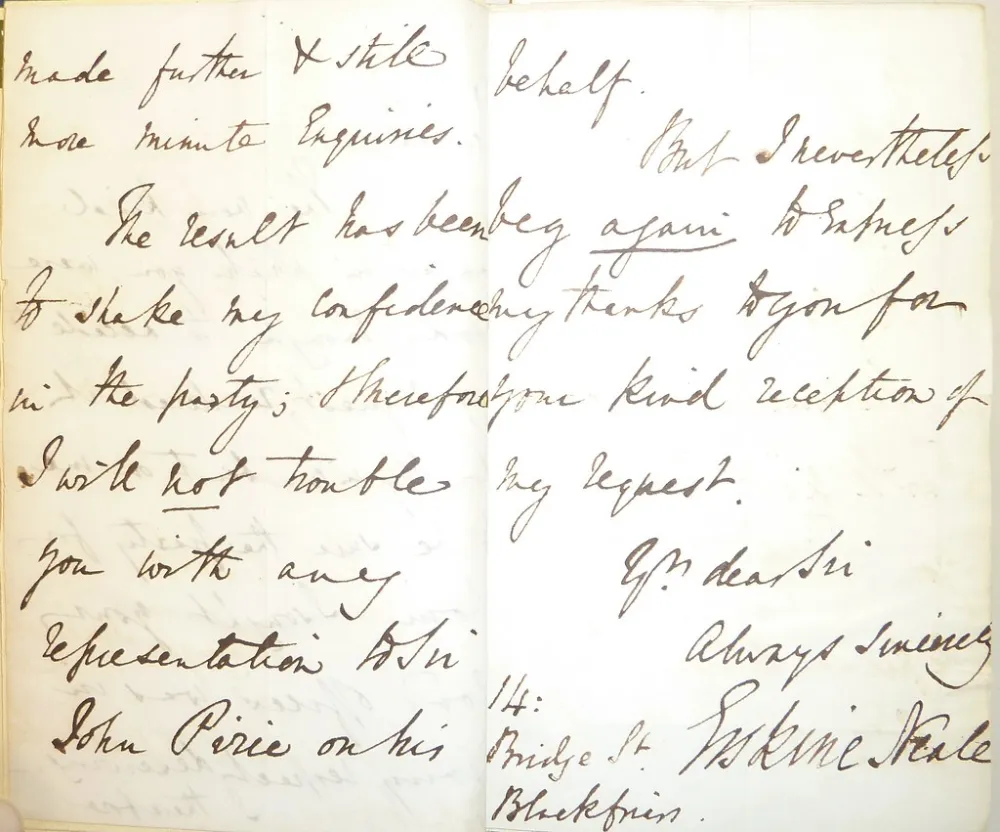
Старонорвежкият, езикът на епохата на викингите, е бил писмен на рунически шрифт, а по-късно и на латински шрифт през средновековния период. Норвегия, Дания и Швеция са били езиково много близки през средновековния период, а скандинавските езици постепенно се разминават от този общ произход. Норвегия е била под датско политическо господство в продължение на няколко века и през този период писменият административен език на Норвегия е бил датски, а не норвежки. Когато Норвегия постига независимост през 1814 г., започва дебат дали да се създаде норвежки писмен стандарт и ако да, кои норвежки говорими форми трябва да служат за негова основа. Този дебат води до два резултата: Риксмол, който по-късно става букмол, разработен чрез постепенно норвегизиране на писмения датски, който вече е бил в употреба, и Ландсмал, който по-късно става нюнорск, конструиран от Айвар Аасен от западни норвежки диалекти като по-чисто норвежка алтернатива.
Днес и двата стандарта се преподават в норвежките училища и се изискват в правителствената комуникация, но букмол доминира в Осло, Източна Норвегия и повечето търговски и институционални писания. За професионален превод на документи букмол е подходящият целеви език, освен ако документът не е специално предназначен за институция, използваща нюнорск. Документацията на норвежката петролна индустрия, морските корабоплавателни записи от Осло и Берген, и имиграционните документи, подадени от норвежки граждани в чужбина, всички следват стандарта букмол.
Документи, които хората превеждат между английски и норвежки
Норвежкият офшорен сектор за нефт и газ, големият му търговски флот и статутът му на основен член на ЕИП генерират значителен трафик на междуезикови документи. Най-често срещаните типове документи включват:
- Договори за норвежкия нефт и газ, наръчници за здраве, безопасност и околна среда (HSE) и регулаторни подавания до Норвежкия петролен директорат и Службата за безопасност на петрола
- Морска документация за кораби под норвежки флаг, включително сертификати на екипажа, записи за класификация на корабите и документи за съответствие с контрола на пристанищната държава, издадени от Норвежката морска администрация
- Норвежки паспорти и национални документи за самоличност, подадени за заявления за шенгенски визи и регистрация на пребиваване в държави-членки на ЕС
- Дипломи от Университета в Осло, NTNU и други норвежки университети и академични справки за признаване на квалификации в ЕС и Съединените щати
- Удостоверения за раждане, удостоверения за брак и записи за семейно положение от норвежки служби за гражданска регистрация за емигрирали норвежци в Швеция и Съединените щати
- Регулаторни подавания за продукти и фармацевтични продукти в ЕИП на норвежки език за Норвежката агенция по лекарствата и други регулаторни органи
AI преводът е подходящ за създаване на работни проекти и за вътрешен преглед на норвежки PDF файлове. Официалните подавания до имиграционни власти, норвежки държавни агенции или съдилища изискват сертифициран превод, подписан от квалифициран преводач. Норвежки граждани в Съединените щати, които трябва да представят норвежки документи на имиграционни власти, трябва да прегледат изискванията на USCIS за превод.
Цени за превод на PDF на норвежки
Регистрирайте се безплатно, плащайте на документ и надграждайте според нуждите си за превод.
Free
Не е необходима карта за регистрация
- 0,005 $/дума AI превод
- $1 на страница за сканирани и изображения PDF файлове
- 108 езика
- Файлове до 20 MB и 20 страници
- DOCX, PDF, XLSX, PPTX, IDML, TXT, JPG, PNG и CSV
- Само 24-часово съхранение на файлове
- PDF редактор и PDF към DOCX конвертор
Базов
Най-популяренТаксуване всяка седмица · анулиране по всяко време
Таксуване на месечна база
Таксуване веднъж годишно · спести 33%
- AI преводи включени всеки месец
- След това 0,005 $/дума AI превод
- Файлове до 100 MB и 300 страници
- DOCX, PDF, XLSX, PPTX, IDML, TXT, JPG, PNG и CSV
- OCR за сканирани документи
- Съхранение на документи
- Приоритетна поддръжка
- 7-дневна безплатна пробна версия на месечния план
- Отказ по всяко време
Pro
Таксуване на месечна база
Таксуване веднъж годишно · спести 34%
- AI преводи включени всеки месец
- След това 0,004 $/дума AI превод
- Файлове до 1 GB и 5000 страници
- DOCX, PDF, XLSX, PPTX, IDML, TXT, JPG, PNG и CSV
- Речник
- Приоритетна опашка
- 5 места за екипа
- API заявки · 1000 страници на месец
- MCP достъп за AI асистенти
- Отказ по всяко време
Бизнес
Таксуване на месечна база
Таксуване веднъж годишно · спести 33%
- AI преводи включени всеки месец
- След това 0,003 $/дума AI превод
- Файлове до 1 GB и 5000 страници
- DOCX, PDF, XLSX, PPTX, IDML, TXT, JPG, PNG и CSV
- Речник
- Приоритетна опашка
- 15 места за екипа
- API заявки · 5000 страници на месец
- MCP достъп за AI асистенти
- Отказ по всяко време
За бизнеса
Нуждаете се от повече обем, фактуриране или персонализирано споразумение? Говорете с нас за Enterprise план.
Как да преведете своя PDF на норвежки
Създай безплатен акаунт
Регистрирайте се с Вашия имейл, за да получите достъп до онлайн таблото за преводи.
Качи своя PDF файл
Плъзни и пусни файла си или прегледай, за да го избереш. Файлове до 1 GB се поддържат в Pro и Business плановете.
Изберете норвежки като целеви език
Изберете оригиналния език на вашия PDF и задайте норвежки като целеви език. Резултатът ще включва всички три норвежки допълнителни букви (ae-ligature, o-slash, a-ring), изписани правилно, в стандарт Bokmal, освен ако не е посочено друго.
Преведи и изтегли
Кликнете върху „Преведи“ и изчакайте няколко минути. Вашият преведен PDF ще бъде готов за изтегляне на норвежки с оригиналното оформление запазено.
ЧЗВ за превод на PDF на норвежки
Какви са трите допълнителни норвежки букви и ще се появят ли правилно в преведения PDF?
Норвежкият език има три букви, които не се срещат в стандартната 26-буквена латинска азбука: ae-ligature (Unicode U+00E6), o-slash (U+00F8) и a-ring (U+00E5). Всяка от тях представлява различен норвежки гласен звук. PDF конвейерите, които нямат пълна поддръжка на разширен латински Unicode, често ги заменят съответно с ae, o и a, генерирайки текст, който не преминава проверката на норвежки правопис и операции за сортиране. DocTranslator генерира правилните Unicode кодови точки за всички три символа в целия преведен документ.
Каква е разликата между Bokmal и Nynorsk и кой от двата да избера?
Bokmal и Nynorsk са двата официални писмени стандарта на норвежкия език. Bokmal, базиран на норвегизиран датски, се използва от приблизително 85 до 90 процента от норвежкото население и доминира в Осло, източна Норвегия и повечето търговски и правителствени текстове. Nynorsk, конструиран от западни норвежки селски диалекти от лингвиста Ивар Аасен през 19-ти век, се използва в западна Норвегия и се изисква в някои правителствени публикации. За повечето нужди от превод на документи, включително имиграционни документи, корпоративни договори и академични справки, Bokmal е правилният избор. Изберете Nynorsk само ако документът е специално предназначен за институция или община, използваща Nynorsk.
Норвежката граматика по-лесна ли е за превод от други европейски езици?
Норвежкият език е сред по-достъпните за превод европейски езици от английски. Той няма граматически падежи за съществителни имена, което прави избора на форма на думата по-прост, отколкото в руски, полски или немски. Той има три граматически рода (мъжки, женски и среден), но в Bokmal женският род често се слива с мъжкия в официални текстове, намалявайки сложността на съгласуването. Словоредът е сравнително фиксиран. Липсата на падежно склонение означава по-малко възможни грешки на морфологично ниво, а AI преводаческите модели обработват стандартните норвежки документни регистри с висока надеждност.
Кои норвежки документи се превеждат най-често за официални цели?
Най-често превежданите документи са норвежки паспорти, ръководства и договори за здраве, безопасност и околна среда в петролния и газовия сектор, сертификати за морски екипаж и класификационни записи, академични степени от Университета в Осло и NTNU, както и документи за гражданско състояние (актове за раждане и брак). Документацията от норвежкия петролен сектор е особено обемна поради големия брой международни оператори, работещи на норвежкия континентален шелф, които се нуждаят от английски версии на норвежки регулаторни документи и документация за безопасност.
Колко голям PDF файл на норвежки мога да преведа?
До 1 GB или 5000 страници при Pro и Business, 100 MB и 300 страници при Basic, и 20 MB и 20 страници при Free. Преводът на кратък примерен файл струва от 0,99 $ и е достатъчен, за да проверите как се обработват норвежките допълнителни букви и форматирането на документа в пример от вашия файл, преди да преминете към пълен превод.
Мога ли да превеждам от норвежки на английски, както и от английски на норвежки?
Да. Двойката норвежки-английски работи и в двете посоки. Преводът на норвежки PDF на английски е често срещан за чуждестранни компании, преглеждащи норвежки регулаторни подавания, доклади от петролния сектор или морски документи. Преводът от английски на норвежки е често срещан за документация на продукти, регулаторни подавания за фармацевтични продукти, материали за съответствие с ЕС и HR документи за норвежки служители на международни компании.
Шведският и датският значително ли се различават от норвежкия за целите на превода на PDF?
Шведският, датският и норвежкият са тясно свързани и отчасти взаимно разбираеми в неформална реч, но те са отделни стандартизирани езици за официални цели. И трите използват едни и същи три допълнителни букви (ae-ligature, o-slash, a-ring), въпреки че датският използва същите форми, докато шведският използва леко различен ред на символите (a-ring, a-umlaut, o-umlaut). Речникът, правописът и някои граматически конвенции се различават между трите езика. Норвежки документ не може да замести шведски или датски в официални контексти и обратното.
Преведете своя PDF на норвежки днес
DocTranslator преобразува PDF файлове на норвежки Bokmal или Nynorsk онлайн, като изписва правилно трите допълнителни букви, запазва оформлението на документа ви и поддържа файлове до 1 GB.
Свързани инструменти
Преведи PDF по език
Типове документи
Нашите партньори