人工智慧驅動 · 支援120多種語言

Translate PDF to Norwegian

Convert PDFs to Norwegian Bokmal or Nynorsk. The three extra letters of the Norwegian alphabet, ae-ligature (AE), o-slash (O), and a-ring (A), are rendered correctly throughout. Layout is preserved. Files up to 1 GB.

最大檔案大小 1 GB 保留原格式
免費註冊

上傳或拖放文件進行翻譯

最大。文件大小 1 GB

PDF .DOCX .PPTX .XLSX 。 TXT .JPG .PNG .IDML .EPUB .HTML
南非語(Afrikaans)
阿爾巴尼亞語
阿姆哈拉語
阿拉伯
亞美尼亞
阿塞拜疆語(阿塞拜疆)
巴斯克
白俄羅斯
孟加拉
波斯尼亞語(波斯尼亞語)
保加利亞語
緬甸
加泰隆尼亞語
宿霧語(Cebuano)
英語(英語)
中文簡體(Chinese Simplified)
中文 繁體 (Chinese Traditional)
科西嘉(Corsican)
克羅埃西亞語
捷克語(捷克)
丹麥語
荷蘭語(荷蘭語)
英語(英語)
世界語(Esperanto)
愛沙尼亞(愛沙尼亞語)
芬蘭(芬蘭語)
法語
弗里西亞人(弗里西亞人)
加利西亞語
喬治亞
德文
希臘文
古吉拉特語
海地克里奧爾語(海地語)
豪薩語(Hausa)
夏威夷
希伯來文
印地語
苗族(Hmong)
匈牙利
冰島語
伊博語(伊博)
印尼
愛爾蘭語(愛爾蘭語)
義大利語(義大利語)
日本人
爪哇語
卡納達語
哈薩克語(哈薩克語)
高棉語
基尼亞盧安達語(基尼亞盧安達語)
韓語(Koean)
庫德語(Kurdish)
吉爾吉斯語(Kyrgyz)
寮國
拉丁裔
拉脫維亞語(Latvian)
立陶宛語
盧森堡語(盧森堡)
馬其頓
馬達加斯加語(Malagasy)
馬來語(Malay)
馬拉雅拉姆語
馬爾他語
毛利語(Maori)
馬拉地語
蒙古語(蒙古語)
尼泊爾語
挪威
奧裡亞語(Odia)
波斯語
拋光
葡萄牙語
旁遮普語
羅馬尼亞語
俄文
薩摩亞語(薩摩亞語)
蓋爾語(蘇格蘭語)
塞爾維亞語(塞爾維亞語)
塞索托語(Sesotho)
紹納語(英語)
信德語
僧伽羅語
斯洛伐克語
斯洛維尼亞語
索馬利語(索馬里人)
Español(西班牙文)
巽他語(巽他族語)
斯瓦希里語(Swahili)
瑞典
他加祿語(Tagalog)
塔吉克語(Tajik)
泰米爾語(Tamil)
韃靼
泰盧固語
泰國
土耳其
土庫曼語(土庫曼人)
烏克蘭
烏爾都語
維吾爾族(維吾爾語)
烏茲別克語(Uzbek)
越南語
威爾斯語(威爾斯語)
科薩語(科薩語)
意第緒語
約魯巴語(約魯巴語)
祖魯語(祖魯)
南非語(Afrikaans)
阿爾巴尼亞語
阿姆哈拉語
阿拉伯
亞美尼亞
阿塞拜疆語(阿塞拜疆)
巴斯克
白俄羅斯
孟加拉
波斯尼亞語(波斯尼亞語)
保加利亞語
緬甸
加泰隆尼亞語
宿霧語(Cebuano)
英語(英語)
中文簡體(Chinese Simplified)
中文 繁體 (Chinese Traditional)
科西嘉(Corsican)
克羅埃西亞語
捷克語(捷克)
丹麥語
荷蘭語(荷蘭語)
英語(英語)
世界語(Esperanto)
愛沙尼亞(愛沙尼亞語)
芬蘭(芬蘭語)
法語
弗里西亞人(弗里西亞人)
加利西亞語
喬治亞
德文
希臘文
古吉拉特語
海地克里奧爾語(海地語)
豪薩語(Hausa)
夏威夷
希伯來文
印地語
苗族(Hmong)
匈牙利
冰島語
伊博語(伊博)
印尼
愛爾蘭語(愛爾蘭語)
義大利語(義大利語)
日本人
爪哇語
卡納達語
哈薩克語(哈薩克語)
高棉語
基尼亞盧安達語(基尼亞盧安達語)
韓語(Koean)
庫德語(Kurdish)
吉爾吉斯語(Kyrgyz)
寮國
拉丁裔
拉脫維亞語(Latvian)
立陶宛語
盧森堡語(盧森堡)
馬其頓
馬達加斯加語(Malagasy)
馬來語(Malay)
馬拉雅拉姆語
馬爾他語
毛利語(Maori)
馬拉地語
蒙古語(蒙古語)
尼泊爾語
挪威
奧裡亞語(Odia)
波斯語
拋光
葡萄牙語
旁遮普語
羅馬尼亞語
俄文
薩摩亞語(薩摩亞語)
蓋爾語(蘇格蘭語)
塞爾維亞語(塞爾維亞語)
塞索托語(Sesotho)
紹納語(英語)
信德語
僧伽羅語
斯洛伐克語
斯洛維尼亞語
索馬利語(索馬里人)
Español(西班牙文)
巽他語(巽他族語)
斯瓦希里語(Swahili)
瑞典
他加祿語(Tagalog)
塔吉克語(Tajik)
泰米爾語(Tamil)
韃靼
泰盧固語
泰國
土耳其
土庫曼語(土庫曼人)
烏克蘭
烏爾都語
維吾爾族(維吾爾語)
烏茲別克語(Uzbek)
越南語
威爾斯語(威爾斯語)
科薩語(科薩語)
意第緒語
約魯巴語(約魯巴語)
祖魯語(祖魯)
阿拉伯 葡萄牙語 俄文 義大利語 韓國人 荷蘭語 拋光 土耳其 瑞典 英語 西班牙語 法語 德文 中國人 日本人 孟加拉 越南語 泰國 希臘文 希伯來文 阿拉伯 葡萄牙語 俄文 義大利語 韓國人 荷蘭語 拋光 土耳其 瑞典 英語 西班牙語 法語 德文 中國人 日本人 孟加拉 越南語 泰國 希臘文 希伯來文

What happens when you translate a PDF into Norwegian

Norwegian is written in an alphabet of 29 letters: the 26 standard Latin letters plus three additional characters, the ae-ligature, the o-slash, and the a-ring. These three letters are not decorative variants of a, o, and ae; they represent distinct Norwegian vowel sounds with their own Unicode code points. The ae-ligature (U+00E6) represents a front open vowel. The o-slash (U+00F8) represents a front rounded vowel with no English equivalent. The a-ring (U+00E5) represents a back rounded vowel originally derived from "ao." When a PDF is rendered without full extended Latin Unicode support, these three letters frequently degrade to their nearest ASCII equivalents: ae, o, and a. This produces text that looks almost correct to someone unfamiliar with Norwegian but is orthographically wrong and will fail search, sort, and spell-check operations in any Norwegian document management system. DocTranslator maps all three characters to the correct Unicode code points throughout the translated PDF.

Norwegian has two official written standards. Bokmal, which means "book language," is used by approximately 85 to 90 percent of the Norwegian population. It developed from the written Danish used in Norway during the union period and was gradually Norwegianized after independence. Nynorsk, meaning "New Norwegian," was created in the 19th century by linguist Ivar Aasen as a written standard based on the western and rural Norwegian dialects, intended as a more distinctively Norwegian alternative to the Danish-influenced Bokmal. Both standards are equally official, all government communications must be available in both, and Norwegian students are tested in both at school. For document translation, the practical choice is almost always Bokmal unless the document is specifically addressed to a Nynorsk-writing institution or region, such as a municipality in western Norway.

Norwegian has no grammatical cases for nouns and only limited inflection, which makes it structurally one of the simpler European languages for translation from English. The word order is relatively flexible, and there are no grammatical cases to track for nouns, pronouns, or adjectives in most written contexts. Norwegian does have three grammatical genders (masculine, feminine, and neuter), but feminine nouns are frequently treated as masculine in Bokmal, reducing the practical impact of the three-gender system in formal writing. This grammatical simplicity is a major reason why Scandinavian languages are often ranked as among the easiest for English speakers to learn and translate into. Norwegian is spoken by approximately 5 million people in Norway, with smaller communities in the United States and Sweden reflecting historical emigration patterns.

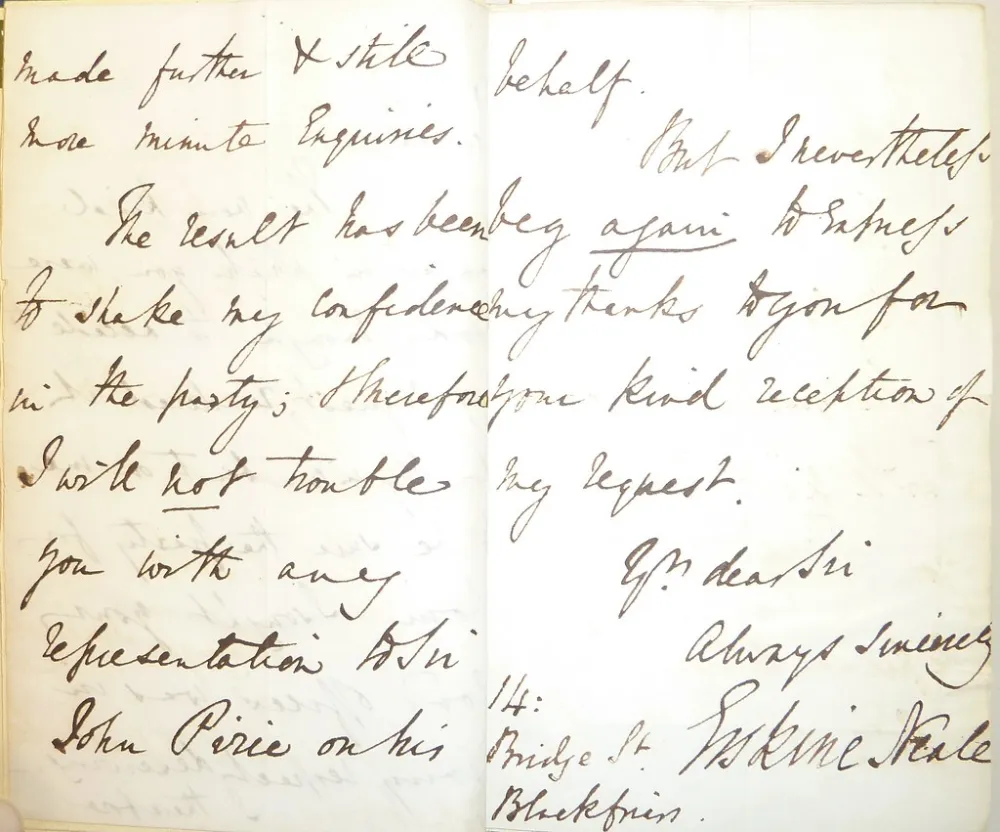
Old Norse manuscript page representing the runic and medieval written tradition before modern Norwegian

From Old Norse to Bokmal and Nynorsk: how Norwegian got two written standards

Old Norse, the language of the Viking Age, was written in runic script and later in Latin script during the medieval period. Norway, Denmark, and Sweden were linguistically very close during the medieval period, and the Scandinavian languages have been diverging gradually since that shared origin. Norway came under Danish political dominance for several centuries, and during this period the written administrative language of Norway was Danish rather than Norwegian. When Norway achieved independence in 1814, a debate began about whether to create a Norwegian written standard and if so, which Norwegian spoken forms should serve as its basis. This debate produced two outcomes: Riksmal, which later became Bokmal, developed by gradually Norwegianizing the written Danish that was already in use, and Landsmaal, which later became Nynorsk, constructed by Ivar Aasen from western Norwegian dialects as a more purely Norwegian alternative.

Today both standards are taught in Norwegian schools and required in government communication, but Bokmal dominates in Oslo, eastern Norway, and most commercial and institutional writing. For professional document translation, Bokmal is the appropriate target unless a document is specifically destined for a Nynorsk-using institution. Norwegian oil industry documentation, maritime shipping records from Oslo and Bergen, and immigration paperwork filed by Norwegian nationals abroad all follow the Bokmal standard.

Documents people translate between English and Norwegian

Norway's offshore oil and gas sector, its large merchant marine fleet, and its status as a major EEA member generate substantial cross-language document traffic. The most common document types include:

  • Norwegian oil and gas sector contracts, HSE (health, safety, and environment) manuals, and regulatory filings for the Norwegian Petroleum Directorate and the Petroleum Safety Authority
  • Maritime documentation for Norwegian-flagged vessels, including crew certificates, ship classification records, and port state control compliance documents issued by the Norwegian Maritime Authority
  • Norwegian passports and national identity documents submitted for Schengen visa applications and residence registration in EU member states
  • University of Oslo, NTNU, and other Norwegian university degrees and academic transcripts for credential recognition in the EU and the United States
  • Birth certificates, marriage certificates, and civil status records from Norwegian civil registry offices for emigrant Norwegians in Sweden and the United States
  • EEA product and pharmaceutical regulatory submissions in Norwegian for the Norwegian Medicines Agency and other regulatory bodies

AI translation is well suited for producing working drafts and for internal review of Norwegian-language PDFs. Official submissions to immigration authorities, Norwegian government agencies, or courts require a 認證翻譯 signed by a qualified human translator. Norwegian nationals in the United States needing to submit Norwegian documents to immigration authorities should review the USCIS 翻譯要求.

Norwegian PDF translation pricing

從 7 天的試用期開始,隨著翻譯需求的成長而升級。

7天試用期

最受歡迎
今天2美元

試用期結束後,每月收費 14.99 美元。

  • 7 天完整試用期
  • 試寫限制:10頁或3000字
  • $0。005/字 AI 翻譯
  • 120多種語言
  • PDF、DOCX、XLSX、PPTX、IDML、TXT、JPG、PNG、CSV、JSON
  • 團隊存取權限和自訂詞彙表
  • 電子郵件支援

每月

受歡迎的
每月 14.99 美元

原價 29。99 美元,現享 50% 折扣

  • 每月100頁或3萬字
  • $0。005/字 AI 翻譯
  • 120多種語言
  • 無限檔案存儲
  • PDF、DOCX、XLSX、PPTX、IDML、TXT、JPG、PNG、CSV、JSON
  • 團隊存取權限和自訂詞彙表
  • 優先電子郵件支持
🎉 最佳價值:每年節省 44。88 美元

年度的

節省25%
每年135美元

~$11。25/月,比每月節省 25%

  • 每月100頁或3萬字
  • $0。005/字 AI 翻譯
  • 120多種語言
  • 無限檔案存儲
  • PDF、DOCX、XLSX、PPTX、IDML、TXT、JPG、PNG、CSV、JSON
  • 團隊存取權限和自訂詞彙表
  • 優先電子郵件支持
所需步驟

How to translate your PDF to Norwegian

01

建立免費帳戶

註冊 使用您的電子郵件存取線上翻譯儀表板。

02

上傳您的 PDF 文件

拖放檔案或瀏覽選擇檔。付費方案支援最大 1GB 的檔案。

03

Choose Norwegian as target language

Select the original language of your PDF and set Norwegian as the target language. The output will include all three Norwegian extra letters (ae-ligature, o-slash, a-ring) rendered correctly, in Bokmal standard unless otherwise specified.

04

翻譯並下載

Click "Translate" and wait a few moments. Your translated PDF will be ready to download in Norwegian with the original layout preserved.

PDF to Norwegian translation FAQ

What are the three extra Norwegian letters and will they appear correctly in the translated PDF?

Norwegian has three letters not found in the standard 26-letter Latin alphabet: the ae-ligature (Unicode U+00E6), the o-slash (U+00F8), and the a-ring (U+00E5). Each represents a distinct Norwegian vowel sound. PDF pipelines that lack full extended Latin Unicode support often replace these with ae, o, and a respectively, producing text that fails Norwegian spell-check and sort operations. DocTranslator outputs the correct Unicode code points for all three characters throughout the translated document.

What is the difference between Bokmal and Nynorsk, and which one should I choose?

Bokmal and Nynorsk are the two official written standards of Norwegian. Bokmal, based on Norwegianized Danish, is used by approximately 85 to 90 percent of the Norwegian population and dominates in Oslo, eastern Norway, and most commercial and government writing. Nynorsk, constructed from western Norwegian rural dialects by linguist Ivar Aasen in the 19th century, is used in western Norway and is required in some government publications. For most document translation needs, including immigration paperwork, corporate contracts, and academic transcripts, Bokmal is the correct target. Choose Nynorsk only if the document is specifically destined for a Nynorsk-using institution or municipality.

Is Norwegian grammar easier to translate into than other European languages?

Norwegian is among the more translation-accessible European languages from English. It has no grammatical cases for nouns, making word-form selection simpler than in Russian, Polish, or German. It does have three grammatical genders (masculine, feminine, and neuter), but in Bokmal the feminine gender is frequently merged with the masculine in formal writing, reducing agreement complexity. Word order is relatively fixed. The absence of case inflection means fewer possible errors at the morphological level, and AI translation models handle standard Norwegian document registers with high reliability.

What Norwegian documents are most commonly translated for official purposes?

The most frequently translated documents are Norwegian passports, oil and gas sector HSE manuals and contracts, maritime crew certificates and classification records, University of Oslo and NTNU academic degrees, and civil status documents (birth and marriage certificates). Norwegian oil sector documentation is particularly high-volume because of the large number of international operators working on the Norwegian Continental Shelf who need English-language versions of Norwegian regulatory filings and safety documentation.

How large a Norwegian PDF can I translate?

Up to 1 GB or 5,000 pages on Monthly and Annual plans. The $2 7-day trial covers up to 10 pages or 3,000 words, which is enough to verify that Norwegian extra letters and document formatting are handled correctly on a sample of your file before committing to a full translation.

Can I translate from Norwegian into English as well as from English into Norwegian?

Yes. The Norwegian-English pair works in both directions. Translating a Norwegian PDF into English is common for foreign companies reviewing Norwegian regulatory submissions, oil sector reports, or maritime documents. Translating from English into Norwegian is common for product documentation, pharmaceutical regulatory filings, EU compliance materials, and HR documents for Norwegian employees of international companies.

Are Swedish and Danish significantly different from Norwegian for PDF translation purposes?

Swedish, Danish, and Norwegian are closely related and partly mutually intelligible in informal speech, but they are distinct standardized languages for official purposes. All three use the same three extra letters (ae-ligature, o-slash, a-ring), though Danish uses the same forms while Swedish uses a slightly different character ordering (a-ring, a-umlaut, o-umlaut). Vocabulary, spelling, and some grammatical conventions differ across the three languages. A Norwegian document cannot substitute for a Swedish or Danish one in official contexts, and vice versa.

Translate your PDF to Norwegian today

DocTranslator converts PDFs to Norwegian Bokmal or Nynorsk online, rendering the three extra letters correctly, preserving your document layout, and supporting files up to 1 GB.

我們的夥伴

Accenture
Bloomberg
Citrix
P&G
SAP