Μετάφραση PDF σε Λευκορωσικά
Μετατρέψτε PDF σε Λευκορωσικά με κυριλλική γραφή που αποδίδεται σωστά σύμφωνα με τις δύο επίσημες ορθογραφικές νόρμες, επτά γραμματικές πτώσεις διατηρημένες και τρία γραμματικά γένη σεβασμένα. Η διάταξη και η μορφοποίηση διατηρούνται άθικτες. Αρχεία έως 1 GB.
Ανεβάστε ή σύρετε το έγγραφο για μετάφραση
Μέγιστο μέγεθος αρχείου 1 GB
- OCR για σαρώσεις και φωτογραφίες
- 108 γλώσσες
- Πρωτότυπη διάταξη διατηρείται
Τι συμβαίνει όταν μεταφράζετε ένα PDF στα Λευκορωσικά
Τα Λευκορωσικά είναι μια διακριτή Ανατολική Σλαβική γλώσσα που ομιλείται από περισσότερα από 5 εκατομμύρια ανθρώπους ως μητρική τους γλώσσα. Είναι μία από τις δύο επίσημες γλώσσες της Λευκορωσίας μαζί με τα Ρωσικά, και ενώ οι δύο γλώσσες μοιράζονται μια κοινή καταγωγή, διαφέρουν ουσιαστικά στη φωνολογία, το λεξιλόγιο και τη γραμματική. Η αντιμετώπιση των Λευκορωσικών ως διαλέκτου των Ρωσικών είναι ένα γλωσσικό λάθος που παράγει κακή ποιότητα μετάφρασης. Η γλώσσα έχει τα δικά της φωνολογικά χαρακτηριστικά που δεν υπάρχουν στα Ρωσικά, συμπεριλαμβανομένης της σταθερής μαλακής προφοράς ορισμένων συμφώνων και της διατήρησης φωνηέντων ήχων που τα Ρωσικά μείωσαν ή εξάλειψαν. Μια μηχανή μετάφρασης προσαρμοσμένη για τα Ρωσικά θα χειριστεί λανθασμένα το λευκορωσικό κείμενο με τρόπους που είναι άμεσα ορατοί σε οποιονδήποτε φυσικό ομιλητή. Το DocTranslator χρησιμοποιεί μοντέλα εκπαιδευμένα ειδικά σε λευκορωσικό κείμενο για να παράγει ακριβή, φυσικά αποτελέσματα.
Η λευκορωσική γραμματική παρουσιάζει ιδιαίτερες προκλήσεις για τη μετάφραση εγγράφων. Η γλώσσα έχει επτά γραμματικές πτώσεις - ονομαστική, γενική, δοτική, αιτιατική, οργανική, τοπική και κλητική - και τρία γραμματικά γένη: αρσενικό, θηλυκό και ουδέτερο. Κάθε ουσιαστικό, επίθετο, αντωνυμία και αριθμητικό σε ένα έγγραφο πρέπει να κλίνεται σύμφωνα με τη σωστή πτώση και γένος για να διαβάζεται σωστά η πρόταση. Ένα μόνο λανθασμένα κλιμένο ουσιαστικό σε ένα νομικό ή διοικητικό έγγραφο μπορεί να αλλάξει το νόημα μιας πρότασης. Η ύπαρξη επτά πτώσεων (σε σύγκριση με έξι στα Ρωσικά) σημαίνει ότι τα λευκορωσικά κλιτικά πρότυπα δεν μπορούν απλώς να δανειστούν από ρωσικά μοντέλα.
Μια περαιτέρω πολυπλοκότητα είναι η ύπαρξη δύο ανταγωνιστικών ορθογραφικών κανόνων. Ο κανόνας Narkamauka, κωδικοποιημένος το 1933 κατά τη σοβιετική περίοδο, είναι το τρέχον επίσημο πρότυπο που χρησιμοποιείται από τα λευκορωσικά κρατικά ιδρύματα. Ο κανόνας Tarasjanka διατηρεί παλαιότερες παραδοσιακές συμβάσεις ορθογραφίας και χρησιμοποιείται ευρέως σε ανεπίσημη γραφή, από κοινότητες της διασποράς και από εκδόσεις που συνδέονται με την αντιπολίτευση. Έγγραφα που προέρχονται από κρατικούς φορείς στη Λευκορωσία ακολουθούν το Narkamauka, ενώ έγγραφα που παράγονται από Λευκορώσους στο εξωτερικό ή από ανεξάρτητους εκδότες συχνά ακολουθούν το Tarasjanka. Η αναγνώριση του κανόνα που χρησιμοποιεί ένα έγγραφο πηγής και η παραγωγή αποτελέσματος στον κατάλληλο κανόνα είναι σημαντική για την επίσημη μεταφραστική εργασία.
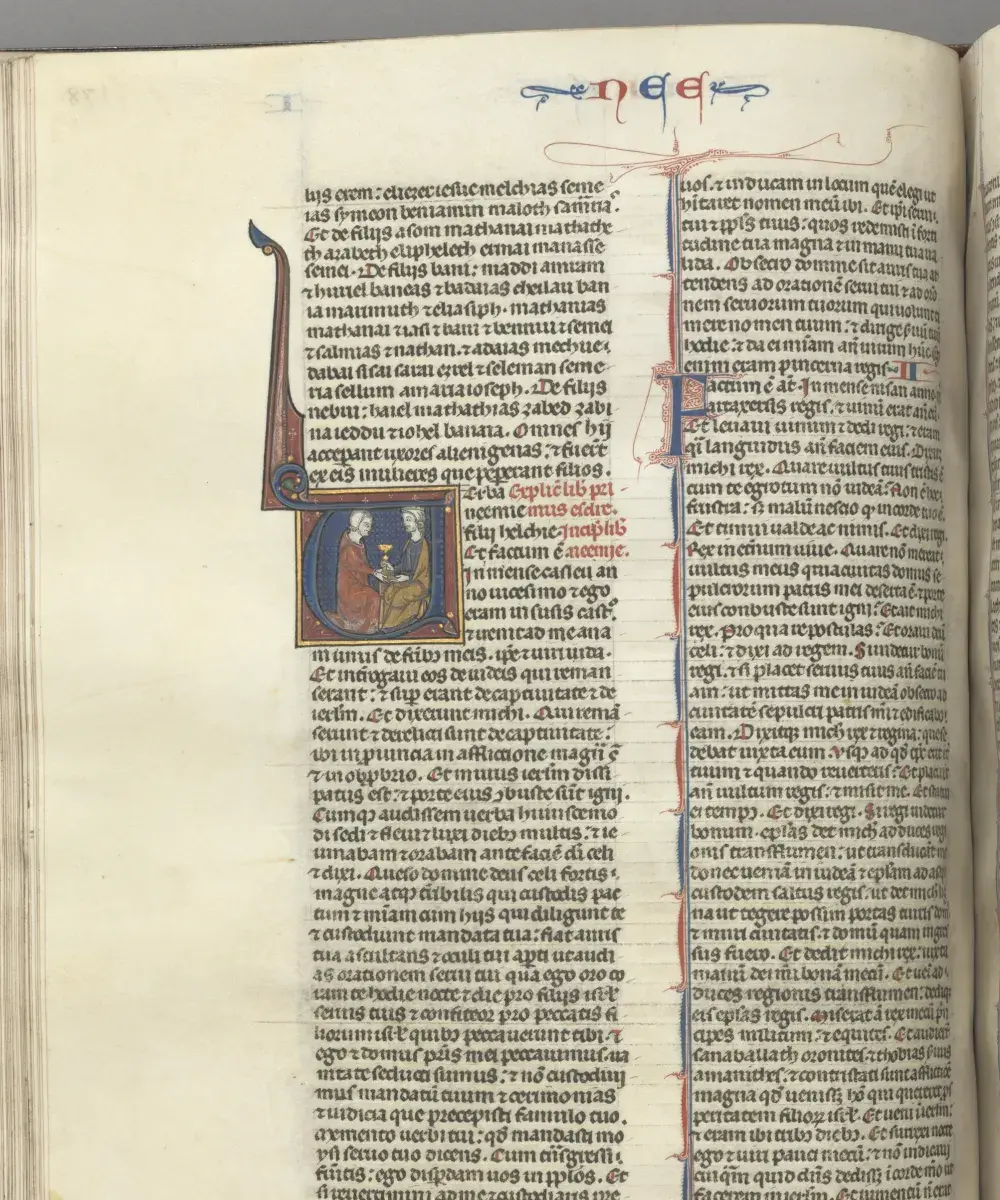
Λευκορωσική γραφή: Κυριλλική, Λατινική, και η διασπορά μετά το 2020
Τα Λευκορωσικά γράφονται κυρίως με κυριλλική γραφή, αλλά έχουν επίσης μια επίσημη μορφή λατινικού αλφαβήτου που ονομάζεται Λατινική. Η Λατινική ήταν η κυρίαρχη γραφή για τη λευκορωσική γραφή κατά τον 19ο και τις αρχές του 20ου αιώνα και χρησιμοποιήθηκε εκτενώς κατά την περίοδο του Μεγάλου Δουκάτου της Λιθουανίας. Σήμερα χρησιμοποιείται από μέρη της διασποράς, από ορισμένες εκδόσεις της αντιπολίτευσης και της κοινωνίας των πολιτών, και σε περιπτώσεις όπου η κυριλλική γραφή φέρει πολιτικές συνδηλώσεις. Ένα PDF που φτάνει σε λατινική γραφή απαιτεί αναγνώριση αυτής της γραφής πριν προχωρήσει η μετάφραση. Δεν είναι τυπική πολωνική ή τσεχική λατινική, αλλά μια διακριτή ορθογραφία με τα δικά της διγράμματα και διακριτικά προσαρμοσμένα στη λευκορωσική φωνολογία.
Η πολιτική κρίση που ξεκίνησε στη Λευκορωσία το 2020 δημιούργησε μια διασπορά άνω των 500.000 ατόμων που μετακόμισαν κυρίως στην Πολωνία, τη Λιθουανία, τη Γερμανία και την Ουκρανία. Αυτός ο πληθυσμός δημιουργεί σημαντική ζήτηση για μετάφραση εγγράφων. Λευκορώσοι στην Πολωνία και τη Λιθουανία χρειάζονται τα κρατικά τους έγγραφα - διαβατήρια, άδειες οδήγησης, πανεπιστημιακά διπλώματα και πιστοποιητικά δημοτολογίου - μεταφρασμένα για άδειες παραμονής, συμβάσεις εργασίας και διαδικασίες εγγραφής σε πανεπιστήμια. Πτυχία από το Κρατικό Πανεπιστήμιο της Λευκορωσίας και άλλα λευκορωσικά ιδρύματα απαιτούν επικυρωμένη μετάφραση για την αναγνώριση προσόντων σε ευρωπαϊκά πανεπιστήμια και επαγγελματικούς φορείς αδειοδότησης. Ο όγκος και η πολυπλοκότητα αυτής της μεταφραστικής ανάγκης έχουν αυξηθεί απότομα από το 2020, και περιλαμβάνει έγγραφα που παράγονται υπό τον ορθογραφικό κανόνα Narkamauka (κρατικά έγγραφα) και ανεπίσημα υλικά που παράγονται από τη διασπορά και μπορεί να χρησιμοποιούν Tarasjanka.
Έγγραφα που οι άνθρωποι μεταφράζουν μεταξύ Αγγλικών και Λευκορωσικών
Η λευκορωσική διασπορά μετά το 2020, σε συνδυασμό με τις μεγάλες προϋπάρχουσες λευκορωσικές κοινότητες στη Ρωσία και την Ουκρανία, δημιουργεί ζήτηση για μετάφραση εγγράφων σε ένα ευρύ φάσμα κατηγοριών εγγράφων. Οι πιο συνηθισμένοι τύποι εγγράφων περιλαμβάνουν:
- Λευκορωσικά εθνικά διαβατήρια που υποβάλλονται για εγγραφή κατοικίας, αιτήσεις ασύλου και διαδικασίες μετανάστευσης στην Πολωνία, τη Λιθουανία, τη Γερμανία και άλλες χώρες της ΕΕ
- Έγγραφα μετανάστευσης της διασποράς μετά το 2020, συμπεριλαμβανομένων εγγράφων που εκδίδονται από λευκορωσικούς φορείς αντιπολίτευσης και γραφεία δημοτολογίου που λειτουργούν στην εξορία
- Πτυχία του Κρατικού Πανεπιστημίου της Λευκορωσίας και ακαδημαϊκές μεταγραφές για αναγνώριση προσόντων σε ευρωπαϊκά πανεπιστήμια και αιτήσεις επαγγελματικής αδειοδότησης
- Πιστοποιητικά γέννησης, πιστοποιητικά γάμου και πιστοποιητικά οικογενειακής κατάστασης για διαδικασίες οικογενειακής επανένωσης και εγγραφής κατοικίας
- Έγγραφα για Λευκορώσους που ζουν στη Ρωσία ή την Ουκρανία και χρειάζονται μεταφράσεις στα Αγγλικά, Πολωνικά ή Γερμανικά για αιτήσεις σε τρίτες χώρες
- Συμβάσεις εργασίας, φορολογικά έγγραφα και συμβολαιογραφικά αρχεία που χρησιμοποιούνται από Λευκορώσους επαγγελματίες που εργάζονται στο εξωτερικό
Η μετάφραση μέσω AI είναι κατάλληλη για την κατανόηση του περιεχομένου ενός λευκορωσικού PDF, την προετοιμασία ενός προσχεδίου εργασίας ή την αναθεώρηση ενός άγνωστου εγγράφου. Οι επίσημες υποβολές σε αρχή μετανάστευσης, γραφείο εισαγωγής πανεπιστημίου ή δικαστήριο απαιτούν επικυρωμένη μετάφραση που έχει ελεγχθεί και υπογραφεί από εξειδικευμένο μεταφραστή. Για αιτήσεις μετανάστευσης στις ΗΠΑ, το πρότυπο της USCIS για επικυρωμένη μετάφραση εγγράφων απαιτεί υπογεγραμμένη δήλωση ακρίβειας από αρμόδιο μεταφραστή.
Τιμολόγηση μετάφρασης PDF από Αγγλικά σε Λευκορωσικά
Εγγραφείτε δωρεάν, πληρώστε ανά έγγραφο και αναβαθμίστε καθώς αυξάνονται οι ανάγκες μετάφρασής σας.
Free
Δεν απαιτείται κάρτα για εγγραφή
- Μετάφραση AI με $0.005/λέξη
- 1 $ ανά σελίδα για σαρώσεις και εικόνες PDF
- 108 γλώσσες
- Αρχεία έως 20 MB και 20 σελίδες
- DOCX, PDF, XLSX, PPTX, IDML, TXT, JPG, PNG και CSV
- Αποθήκευση αρχείων 24 ωρών μόνο
- Επεξεργαστής PDF και μετατροπέας PDF σε DOCX
Βασικό
ΔημοφιλέστεροΧρέωση κάθε εβδομάδα · ακύρωση οποτεδήποτε
Χρεώνεται μηνιαίως
Χρέωση μία φορά ετησίως · εξοικονομήστε 33%
- μεταφράσεις AI περιλαμβάνονται κάθε μήνα
- Στη συνέχεια 0,005 $/λέξη μετάφραση AI
- Αρχεία έως 100 MB και 300 σελίδες
- DOCX, PDF, XLSX, PPTX, IDML, TXT, JPG, PNG και CSV
- OCR για σαρωμένα έγγραφα
- Αποθήκευση εγγράφων
- Υποστήριξη προτεραιότητας
- Δωρεάν δοκιμή 7 ημερών στο μηνιαίο πρόγραμμα
- Ακύρωση οποιαδήποτε στιγμή
Pro
Χρεώνεται μηνιαίως
Χρέωση μία φορά ετησίως · εξοικονομήστε 34%
- μεταφράσεις AI περιλαμβάνονται κάθε μήνα
- Στη συνέχεια 0,004 $/λέξη μετάφραση AI
- Αρχεία έως 1 GB και 5.000 σελίδες
- DOCX, PDF, XLSX, PPTX, IDML, TXT, JPG, PNG και CSV
- Γλωσσάρι
- Προτεραιότητα ουράς
- 5 θέσεις ομάδας
- Αιτήματα API · 1.000 σελίδες ανά μήνα
- Πρόσβαση MCP για βοηθούς AI
- Ακύρωση οποιαδήποτε στιγμή
Επιχειρηματικό
Χρεώνεται μηνιαίως
Χρέωση μία φορά ετησίως · εξοικονομήστε 33%
- μεταφράσεις AI περιλαμβάνονται κάθε μήνα
- Στη συνέχεια 0,003 $/λέξη μετάφραση AI
- Αρχεία έως 1 GB και 5.000 σελίδες
- DOCX, PDF, XLSX, PPTX, IDML, TXT, JPG, PNG και CSV
- Γλωσσάρι
- Προτεραιότητα ουράς
- 15 θέσεις ομάδας
- Αιτήματα API · 5.000 σελίδες ανά μήνα
- Πρόσβαση MCP για βοηθούς AI
- Ακύρωση οποιαδήποτε στιγμή
Επιχειρήσεις
Χρειάζεστε περισσότερο όγκο, τιμολόγηση ή προσαρμοσμένη συμφωνία; Μιλήστε μας για ένα πρόγραμμα Enterprise.
Πώς να μεταφράσετε το PDF σας στα Λευκορωσικά
Δημιουργία δωρεάν λογαριασμού
Εγγραφείτε με το email σας για να αποκτήσετε πρόσβαση στον online πίνακα μετάφρασης.
Ανεβάστε το αρχείο PDF σας
Σύρετε και αποθέστε το αρχείο σας ή περιηγηθείτε για να το επιλέξετε. Υποστηρίζονται αρχεία έως 1 GB στα προγράμματα Pro και Business.
Επιλέξτε Λευκορωσικά ως γλώσσα προορισμού
Επιλέξτε την αρχική γλώσσα του PDF σας και ορίστε τα Λευκορωσικά ως γλώσσα προορισμού. Το αποτέλεσμα θα χρησιμοποιεί κυριλλική γραφή με όλες τις επτά γραμματικές πτώσεις να χειρίζονται σωστά.
Μετάφραση και λήψη
Κάντε κλικ στο "Μετάφραση" και περιμένετε λίγα λεπτά. Το μεταφρασμένο PDF σας θα είναι έτοιμο για λήψη στα Λευκορωσικά, με τη διατήρηση της αρχικής διάταξης.
Εξερευνήστε περισσότερες υπηρεσίες μετάφρασης εγγράφων
Συχνές Ερωτήσεις Μετάφρασης PDF από Αγγλικά σε Λευκορωσικά
Είναι τα Λευκορωσικά ίδια με τα Ρωσικά;
Όχι. Τα Λευκορωσικά και τα Ρωσικά είναι διακριτές ανατολικοσλαβικές γλώσσες που μοιράζονται έναν κοινό πρόγονο, αλλά έχουν αναπτυχθεί ξεχωριστά για αιώνες. Διαφέρουν στη φωνολογία, το λεξιλόγιο και τη γραμματική. Τα Λευκορωσικά έχουν επτά γραμματικές πτώσεις σε σύγκριση με έξι στα Ρωσικά, διατηρούν φωνηεντικούς ήχους που τα Ρωσικά μείωσαν, και έχουν δικά τους φωνολογικά χαρακτηριστικά που δεν βρίσκονται στα Ρωσικά. Η μετάφραση ενός Λευκορωσικού εγγράφου χρησιμοποιώντας ένα Ρωσικό μοντέλο παράγει αφύσικο αποτέλεσμα που αναγνωρίζεται αμέσως από έναν φυσικό ομιλητή Λευκορωσικών.
Ποιες είναι οι δύο Λευκορωσικές ορθογραφικές νόρμες και ποια χρησιμοποιεί το DocTranslator;
Τα Λευκορωσικά έχουν δύο επίσημες ορθογραφικές νόρμες. Η Narkamauka είναι το πρότυπο της σοβιετικής εποχής του 1933 και χρησιμοποιείται από κρατικούς φορείς στη Λευκορωσία. Η Tarasjanka είναι η παραδοσιακή νόρμα που προηγείται της σοβιετικής τυποποίησης και χρησιμοποιείται ευρέως από τη διασπορά, τα αντιπολιτευτικά μέσα ενημέρωσης και την ανεπίσημη γραφή. Το DocTranslator παράγει την τυπική Narkamauka από προεπιλογή, η οποία ταιριάζει με την ορθογραφία επίσημων κρατικών εγγράφων όπως διαβατήρια, άδειες οδήγησης και πανεπιστημιακά διπλώματα που εκδίδονται από Λευκορωσικούς φορείς.
Μπορώ να μεταφράσω ένα έγγραφο γραμμένο σε Λευκορωσική λατινική γραφή (Lacinka);
Η Lacinka είναι το σύστημα γραφής με λατινικό αλφάβητο για τα Λευκορωσικά. Δεν είναι τυπικό Πολωνικό ή Τσεχικό Λατινικό, αλλά μια διακριτή ορθογραφία με δικά της διγράμματα και διακριτικά. Εάν το πηγαίο έγγραφό σας είναι γραμμένο σε Lacinka, το DocTranslator μπορεί να το επεξεργαστεί και να παράγει έξοδο είτε σε κυριλλικά Λευκορωσικά είτε σε γλώσσα προορισμού όπως τα Αγγλικά. Τα έγγραφα Lacinka είναι πιο συνηθισμένα σε εκδόσεις της διασποράς και της αντιπολίτευσης που παράγονται από το 2020.
Ποια Λευκορωσικά έγγραφα μεταφράζονται συχνότερα για σκοπούς μετανάστευσης;
Από την πολιτική κρίση του 2020, τα πιο συνηθισμένα έγγραφα είναι τα λευκορωσικά εθνικά διαβατήρια, τα πιστοποιητικά δημοτολογίου (πιστοποιητικά γέννησης, γάμου και διαζυγίου) και τα ακαδημαϊκά διπλώματα από το Κρατικό Πανεπιστήμιο της Λευκορωσίας και άλλα ιδρύματα. Λευκορώσοι που μετακομίζουν στην Πολωνία, τη Λιθουανία και τη Γερμανία χρειάζονται αυτά τα έγγραφα μεταφρασμένα για άδειες παραμονής, οικογενειακή επανένωση και αναγνώριση ακαδημαϊκών προσόντων. Οι επίσημες υποβολές απαιτούν επικυρωμένη μετάφραση με υπογεγραμμένη δήλωση ακρίβειας.
Πώς επηρεάζει το σύστημα γραμματικής επτά πτώσεων την ποιότητα της Λευκορωσικής μετάφρασης;
Τα Λευκορωσικά χρησιμοποιούν επτά γραμματικές πτώσεις - ονομαστική, γενική, δοτική, αιτιατική, οργανική, προθετική και κλητική. Κάθε ουσιαστικό, επίθετο και αντωνυμία σε ένα έγγραφο πρέπει να φέρει τη σωστή κατάληξη πτώσης για να είναι η πρόταση γραμματικά σωστή. Μια λανθασμένα κλιμένη λέξη σε ένα νομικό ή διοικητικό έγγραφο μπορεί να αλλάξει το νόημα μιας φράσης. Το DocTranslator χρησιμοποιεί μοντέλα εκπαιδευμένα σε Λευκορωσικό κείμενο που χειρίζονται σωστά αυτά τα κλιτικά μοτίβα για τυπικούς τύπους εγγράφων.
Πόσο μεγάλο Λευκορωσικό PDF μπορώ να μεταφράσω;
Έως 1 GB ή 5.000 σελίδες στα Pro και Business, 100 MB και 300 σελίδες στο Basic, και 20 MB και 20 σελίδες στο Free. Η μετάφραση ενός σύντομου δείγματος πρώτα κοστίζει από 0,99 $ και είναι επαρκής για να επαληθεύσετε πώς η απόδοση των Κυριλλικών και οι κλίσεις των πτώσεων χειρίζονται σε ένα δείγμα εγγράφου πριν δεσμευτείτε για μια πλήρη μετάφραση.
Μπορώ να μεταφράσω από Λευκορωσικά σε Αγγλικά, καθώς και από Αγγλικά σε Λευκορωσικά;
Ναι. Το ζεύγος Λευκορωσικών-Αγγλικών λειτουργεί και προς τις δύο κατευθύνσεις. Η μετάφραση ενός Λευκορωσικού PDF στα Αγγλικά είναι συνηθισμένη για μέλη της διασποράς που μοιράζονται επίσημα έγγραφα με εργοδότες, πανεπιστήμια ή αρχές που δεν μιλούν Λευκορωσικά στη χώρα διαμονής τους. Η μετάφραση Αγγλικών εγγράφων σε Λευκορωσικά είναι συνηθισμένη για οργανισμούς που παράγουν υλικό για Λευκορωσικές κοινότητες και για επιχειρήσεις που εισέρχονται στην Λευκορωσική αγορά.
Μεταφράστε το PDF σας στα Λευκορωσικά σήμερα
Το DocTranslator μετατρέπει PDF σε Λευκορωσικά online, χειριζόμενο την κυριλλική γραφή σύμφωνα με τις δύο ορθογραφικές νόρμες, τις επτά γραμματικές πτώσεις και τα τρία γραμματικά γένη, διατηρώντας τη διάταξη του εγγράφου σας και υποστηρίζοντας αρχεία έως 1 GB.
Σχετικά Εργαλεία
Μετάφραση PDF ανά Γλώσσα
Τύποι εγγράφων
Οι Συνεργάτες μας