
Translate PDF to Belarusian
Convert PDFs to Belarusian with Cyrillic script rendered correctly under both official orthographic norms, seven grammatical cases preserved, and three grammatical genders respected. Layout and formatting are kept intact. Files up to 1 GB.
Upload or drop document to translate
Max. file size 1 GB
- OCR for scans and photos
- 108 languages
- Original layout kept
What happens when you translate a PDF into Belarusian
Belarusian is a distinct East Slavic language spoken by more than 5 million people as their native tongue. It is one of the two official languages of Belarus alongside Russian, and while the two languages share a common ancestry, they differ substantially in phonology, vocabulary, and grammar. Treating Belarusian as a dialect of Russian is a linguistic error that produces poor translation output. The language has its own phonological features not present in Russian, including the consistent soft pronunciation of certain consonants and the retention of vowel sounds that Russian reduced or eliminated. A translation engine calibrated for Russian will mishandle Belarusian text in ways that are immediately visible to any native reader. DocTranslator uses models trained specifically on Belarusian text to produce accurate, natural output.
Belarusian grammar poses particular challenges for document translation. The language has seven grammatical cases - nominative, genitive, dative, accusative, instrumental, prepositional, and vocative - and three grammatical genders: masculine, feminine, and neuter. Every noun, adjective, pronoun, and numeral in a document must be declined according to the correct case and gender for the sentence to read correctly. A single incorrectly declined noun in a legal or administrative document can change the meaning of a sentence. The presence of seven cases (compared to six in Russian) means that Belarusian inflectional patterns cannot simply be borrowed from Russian models.
A further complexity is the existence of two competing orthographic norms. The Narkamauka norm, codified in 1933 during the Soviet period, is the current official standard used by Belarusian state institutions. The Tarasjanka norm preserves older traditional spelling conventions and is widely used in informal writing, by diaspora communities, and by opposition-aligned publications. Documents originating from state institutions in Belarus follow Narkamauka, while documents produced by Belarusians abroad or by independent publishers frequently follow Tarasjanka. Recognising which norm a source document uses, and producing output in the appropriate norm, is important for formal translation work.
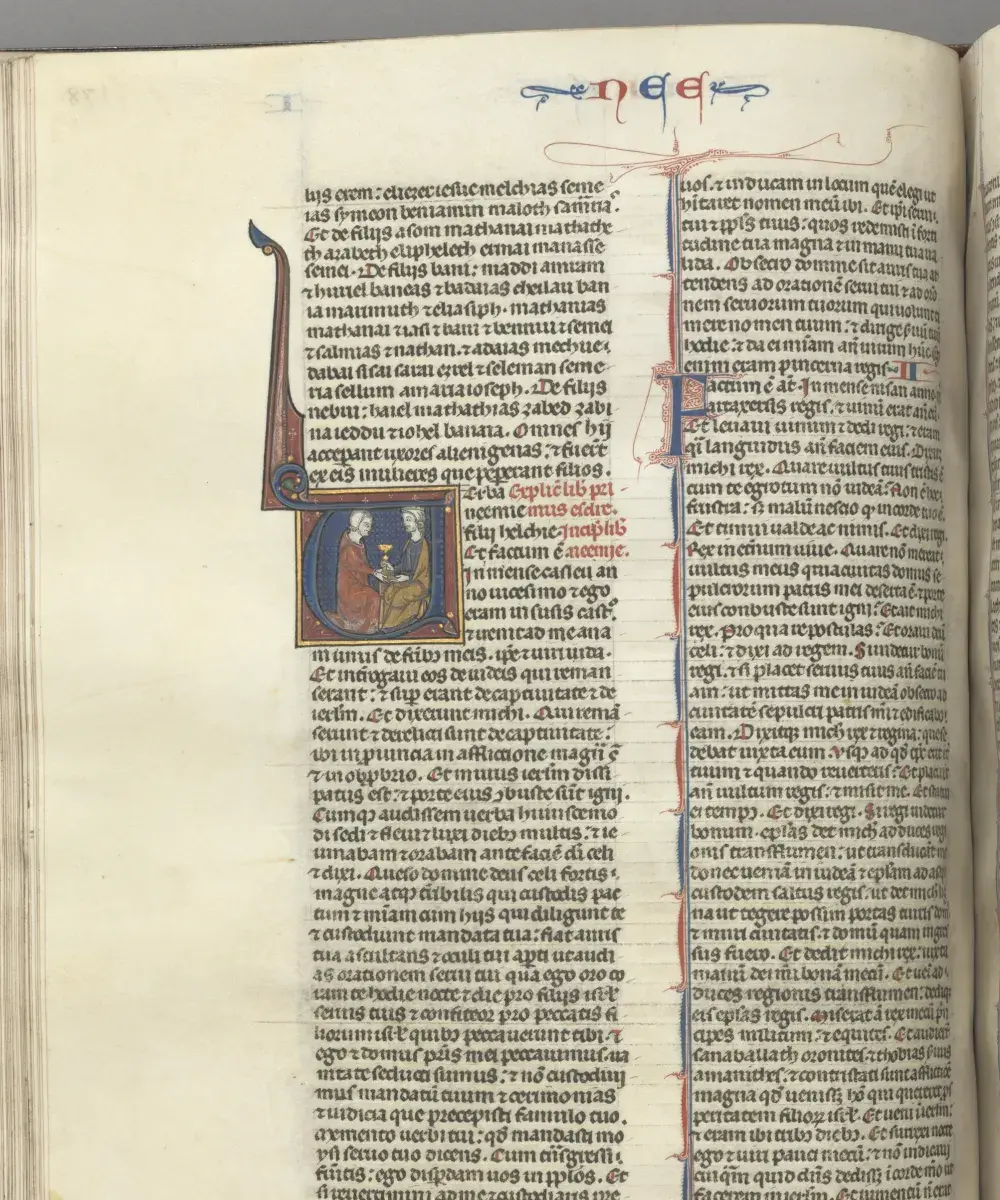
Belarusian script: Cyrillic, Lacinka, and the post-2020 diaspora
Belarusian is written primarily in Cyrillic, but it also has an official Latin-alphabet form called Lacinka. Lacinka was the dominant script for Belarusian writing during the 19th and early 20th centuries and was used extensively in the Grand Duchy of Lithuania period. Today it is used by parts of the diaspora, by some opposition and civil society publications, and in contexts where Cyrillic carries political associations. A PDF arriving in Lacinka script requires recognition of that script system before translation can proceed. It is not standard Polish or Czech Latin, but a distinct orthography with its own digraphs and diacritics tailored to Belarusian phonology.
The political crisis that began in Belarus in 2020 created a diaspora of more than 500,000 people who relocated primarily to Poland, Lithuania, Germany, and Ukraine. This population generates significant document translation demand. Belarusians in Poland and Lithuania need their state-issued documents - passports, driving licenses, university diplomas, and civil registry records - translated for residence permits, employment contracts, and university enrollment procedures. Degrees from Belarusian State University and other Belarusian institutions require certified translation for credential recognition in European universities and professional licensing bodies. The volume and complexity of this translation need has grown sharply since 2020, and it involves documents produced under both the Narkamauka orthographic norm (state documents) and informal or diaspora-produced materials that may use Tarasjanka.
Documents people translate between English and Belarusian
The post-2020 Belarusian diaspora, combined with the large pre-existing Belarusian communities in Russia and Ukraine, creates demand for document translation across a wide range of document categories. The most common document types include:
- Belarusian national passports submitted for residence registration, asylum applications, and immigration procedures in Poland, Lithuania, Germany, and other EU countries
- Post-2020 diaspora immigration documents, including documents issued by Belarusian opposition bodies and civil-registry offices operating in exile
- Belarusian State University degrees and academic transcripts for credential recognition in European universities and professional licensing applications
- Birth certificates, marriage certificates, and civil status records for family reunification and residence registration procedures
- Documents for Belarusians living in Russia or Ukraine who need translations into English, Polish, or German for third-country applications
- Employment contracts, tax documents, and notarial records used by Belarusian professionals working abroad
AI translation is well-suited for understanding the content of a Belarusian PDF, preparing a working draft, or reviewing an unfamiliar document. Official submissions to an immigration authority, a university admissions office, or a court require a certified translation reviewed and signed by a qualified human translator. For US immigration filings, the USCIS standard for certified document translation requires a signed statement of accuracy from a competent translator.
English to Belarusian PDF translation pricing
Sign up free, pay per document, and upgrade as your translation needs grow.
Free
No card needed to sign up
- $0.005/word AI translation
- $1 per page for scans and image PDFs
- 108 languages
- Files up to 20 MB and 20 pages
- DOCX, PDF, XLSX, PPTX, IDML, TXT, JPG, PNG and CSV
- 24-hour file storage only
- PDF editor and PDF to DOCX converter
Basic
Most popularBilled every week · cancel any time
Billed monthly
Billed once a year · save 33%
- AI translation included every month
- Then $0.005/word AI translation
- Files up to 100 MB and 300 pages
- DOCX, PDF, XLSX, PPTX, IDML, TXT, JPG, PNG and CSV
- OCR for scanned documents
- Document storage
- Priority support
- 7-day free trial on the monthly plan
- Cancel any time
Pro
Billed monthly
Billed once a year · save 34%
- AI translation included every month
- Then $0.004/word AI translation
- Files up to 1 GB and 5,000 pages
- DOCX, PDF, XLSX, PPTX, IDML, TXT, JPG, PNG and CSV
- Glossary
- Priority queue
- 5 team seats
- API requests · 1,000 pages a month
- MCP access for AI assistants
- Cancel any time
Business
Billed monthly
Billed once a year · save 33%
- AI translation included every month
- Then $0.003/word AI translation
- Files up to 1 GB and 5,000 pages
- DOCX, PDF, XLSX, PPTX, IDML, TXT, JPG, PNG and CSV
- Glossary
- Priority queue
- 15 team seats
- API requests · 5,000 pages a month
- MCP access for AI assistants
- Cancel any time
Enterprise
Need more volume, invoicing or a custom agreement? Talk to us about an Enterprise plan.
How to translate your PDF to Belarusian
Create a free account
Sign up with your email to access the online translation dashboard.
Upload your PDF file
Drag and drop your file or browse to select it. Files up to 1 GB are supported on the Pro and Business plans.
Choose Belarusian as target language
Select the original language of your PDF and set Belarusian as the target language. The output will use Cyrillic script with all seven grammatical cases handled correctly.
Translate and download
Click "Translate" and wait a few moments. Your translated PDF will be ready to download in Belarusian with the original layout preserved.
English to Belarusian PDF translation FAQ
Is Belarusian the same as Russian?
No. Belarusian and Russian are distinct East Slavic languages that share a common ancestor but have developed separately for centuries. They differ in phonology, vocabulary, and grammar. Belarusian has seven grammatical cases compared to six in Russian, retains vowel sounds that Russian reduced, and has its own phonological features not found in Russian. Translating a Belarusian document using a Russian model produces unnatural output that is immediately recognisable to a native Belarusian speaker.
What are the two Belarusian orthographic norms and which one does DocTranslator use?
Belarusian has two official orthographic norms. Narkamauka is the 1933 Soviet-era standard and is used by state institutions in Belarus. Tarasjanka is the traditional norm that predates Soviet standardisation and is widely used by the diaspora, opposition media, and informal writing. DocTranslator outputs standard Narkamauka by default, which matches the orthography of official state documents such as passports, driving licenses, and university diplomas issued by Belarusian institutions.
Can I translate a document written in Belarusian Latin script (Lacinka)?
Lacinka is the Latin-alphabet writing system for Belarusian. It is not standard Polish or Czech Latin but a distinct orthography with its own digraphs and diacritics. If your source document is written in Lacinka, DocTranslator can process it and produce output in either Cyrillic Belarusian or in a target language such as English. Lacinka documents are most common in diaspora and opposition-aligned publications produced since 2020.
What Belarusian documents are most commonly translated for immigration purposes?
Since the political crisis of 2020, the most common documents are Belarusian national passports, civil registry documents (birth, marriage, and divorce certificates), and academic diplomas from Belarusian State University and other institutions. Belarusians relocating to Poland, Lithuania, and Germany need these documents translated for residence permits, family reunification, and university credential recognition. Official submissions require a certified translation with a signed statement of accuracy.
How does the seven-case grammar system affect Belarusian translation quality?
Belarusian uses seven grammatical cases - nominative, genitive, dative, accusative, instrumental, prepositional, and vocative. Every noun, adjective, and pronoun in a document must carry the correct case ending for the sentence to be grammatically correct. An incorrectly declined word in a legal or administrative document can change the meaning of a phrase. DocTranslator uses models trained on Belarusian text that handle these inflectional patterns correctly for standard document types.
How large a Belarusian PDF can I translate?
Up to 1 GB or 5,000 pages on Pro and Business, 100 MB and 300 pages on Basic, and 20 MB and 20 pages on Free. Translating a short sample first costs from $0.99 and is sufficient to verify how Cyrillic rendering and case inflections are handled on a sample document before committing to a full translation.
Can I translate from Belarusian into English as well as from English into Belarusian?
Yes. The Belarusian-English pair works in both directions. Translating a Belarusian PDF into English is common for diaspora members sharing official documents with non-Belarusian-speaking employers, universities, or authorities in their host country. Translating English documents into Belarusian is common for organisations producing materials for Belarusian-speaking communities and for businesses entering the Belarusian market.
Translate your PDF to Belarusian today
DocTranslator converts PDFs to Belarusian online, handling Cyrillic script under both orthographic norms, seven grammatical cases, and three grammatical genders, while preserving your document layout and supporting files up to 1 GB.
Related Tools
Translate PDF by Language
Document Types
Our Partners