Translate PDF to Slovenian
Convert PDFs to Slovenian with caron diacritics rendered correctly and the dual grammatical number handled throughout. Slovenian uses three grammatical numbers (singular, dual, plural), making it one of the few living European languages with dual forms still in active use. Layout is preserved. Files up to 1 GB.
Upload or drop document to translate
Max. file size 1 GB
- OCR for scans and photos
- 108 languages
- Original layout kept
What happens when you translate a PDF into Slovenian
Slovenian is written in the Latin script with three characters that carry a caron diacritic: c with caron, s with caron, and z with caron. These three letters represent the ch, sh, and zh sounds respectively. PDF export pipelines that lack full Western Slavic character coverage frequently drop the carons, converting these letters to their plain c, s, and z equivalents. The result is text that is partially readable but orthographically incorrect and fails spell-check in Slovenian-language document systems. DocTranslator outputs all three caron characters using the correct Unicode code points, producing a translated PDF that meets Slovenian orthographic standards.
The most structurally distinctive feature of Slovenian grammar is the dual number. Most languages distinguish between singular (one item) and plural (more than one item). Slovenian goes further: it has three distinct grammatical numbers. The dual number covers exactly two items. When you are talking about two people, two documents, or two objects, Slovenian uses a different set of noun, adjective, verb, and pronoun forms than it would for three or more of the same thing. This is not an informal convention or an optional stylistic choice in Slovenian: the dual is grammatically obligatory when referring to exactly two entities. A translation engine that ignores the dual will produce plural forms throughout a document even in cases where two specific items are named. Native Slovenian readers immediately notice this error because it makes the text sound unnatural and occasionally ambiguous. AI translation models that are trained specifically on Slovenian text handle the dual correctly in most standard document contexts.
Slovenian is spoken by approximately 2.5 million people. The primary concentration is in Slovenia itself, where it is the sole official state language. Slovenia joined the European Union in 2004, making Slovenian one of the 24 official EU languages. Slovenian is also spoken by minorities in border regions of Austria, Italy, and Hungary, reflecting the historical position of the Slovenian ethnic territory at the junction of Central European cultural spheres. The language has been in contact with German, Italian, and Hungarian for centuries, and this contact history is reflected in loanwords that appear in legal, administrative, and technical vocabulary. Despite its small number of speakers, Slovenia's EU membership means that Slovenian-language documents have legal standing across EU institutions and must be translated accurately for EU administrative purposes.
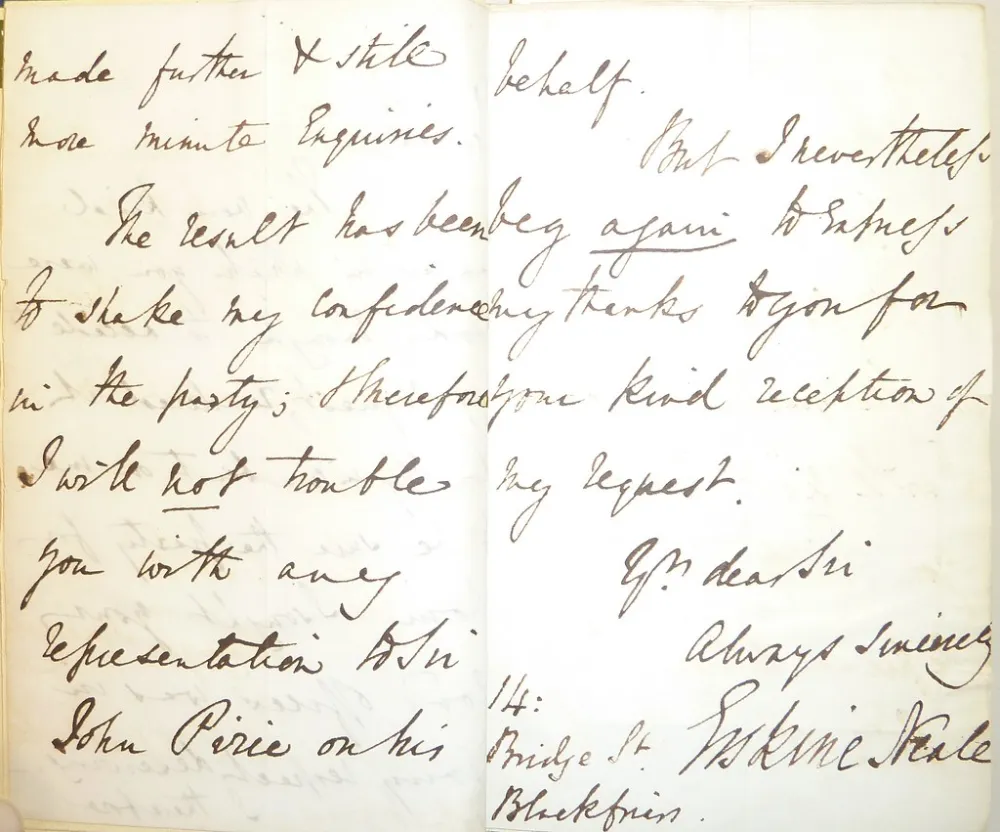
The Freising Manuscripts: the oldest surviving Slavic text in Latin script
The Freising Manuscripts, written around 1000 AD, are the oldest known documents in the Slovenian language and the oldest surviving continuous text in any Slavic language written in the Latin script. They consist of three short religious texts in Early Slovenian, preserved in the Bavarian State Library in Munich. Their existence demonstrates that Slovenian had a written form at least a millennium ago and that it was distinct enough from neighboring South Slavic varieties to be recognized as a separate linguistic entity. Slovenian national identity is deeply tied to these manuscripts, and they are considered the founding document of the Slovenian literary tradition.
For modern document translation, the Freising Manuscripts are a reminder that Slovenian has developed its vocabulary and grammar in close contact with German and Latin for over a thousand years. This contact introduced German and Latin loanwords into legal and administrative Slovenian vocabulary, and Italian loanwords are also present in the vocabulary of coastal and western Slovenian regions. A translation model that handles Slovenian as a generic South Slavic language will miss these lexical conventions, particularly in formal legal and official document registers where the vocabulary has specific borrowed technical terms alongside native Slavic constructions.
Documents people translate between English and Slovenian
Slovenia's EU membership, its open economy with strong ties to Austria and Germany, and its small but active diaspora create varied demand for Slovenian document translation. The most common document types include:
- Slovenian national identity cards and passports for residence registration in Austria, Germany, and other EU member states
- University of Ljubljana degree certificates and academic transcripts for credential recognition abroad, particularly in Austria and the United Kingdom
- Birth certificates, marriage certificates, and divorce decrees issued by Slovenian civil registry offices for EU administrative processes
- Real estate purchase contracts and land registry extracts for foreign buyers acquiring property in Slovenia, particularly along the Adriatic coast in the Koper and Piran areas
- Employment contracts and corporate agreements for Slovenian subsidiaries of Austrian or German parent companies
- EU regulation implementation documents and Slovenian national legislation, required by businesses operating in Slovenia under EU compliance frameworks
- Medical reports and discharge summaries for Slovenian patients treated abroad
AI translation produces reliable working drafts for understanding Slovenian PDFs and for preparing materials for internal review. Official submissions to immigration authorities, courts, and government agencies require a certified translation reviewed and signed by a qualified human translator. Slovenian diaspora members in the United States needing to submit Slovenian documents to immigration authorities should consult the USCIS translation requirements before submitting.
Slovenian PDF translation pricing
Sign up free, pay per document, and upgrade as your translation needs grow.
Free
No card needed to sign up
- $0.005/word AI translation
- $1 per page for scans and image PDFs
- 108 languages
- Files up to 20 MB and 20 pages
- DOCX, PDF, XLSX, PPTX, IDML, TXT, JPG, PNG and CSV
- 24-hour file storage only
- PDF editor and PDF to DOCX converter
Basic
Most popularBilled every week · cancel any time
Billed monthly
Billed once a year · save 33%
- AI translation included every month
- Then $0.005/word AI translation
- Files up to 100 MB and 300 pages
- DOCX, PDF, XLSX, PPTX, IDML, TXT, JPG, PNG and CSV
- OCR for scanned documents
- Document storage
- Priority support
- 7-day free trial on the monthly plan
- Cancel any time
Pro
Billed monthly
Billed once a year · save 34%
- AI translation included every month
- Then $0.004/word AI translation
- Files up to 1 GB and 5,000 pages
- DOCX, PDF, XLSX, PPTX, IDML, TXT, JPG, PNG and CSV
- Glossary
- Priority queue
- 5 team seats
- API requests · 1,000 pages a month
- MCP access for AI assistants
- Cancel any time
Business
Billed monthly
Billed once a year · save 33%
- AI translation included every month
- Then $0.003/word AI translation
- Files up to 1 GB and 5,000 pages
- DOCX, PDF, XLSX, PPTX, IDML, TXT, JPG, PNG and CSV
- Glossary
- Priority queue
- 15 team seats
- API requests · 5,000 pages a month
- MCP access for AI assistants
- Cancel any time
Enterprise
Need more volume, invoicing or a custom agreement? Talk to us about an Enterprise plan.
How to translate your PDF to Slovenian
Create a free account
Sign up with your email to access the online translation dashboard.
Upload your PDF file
Drag and drop your file or browse to select it. Files up to 1 GB are supported on the Pro and Business plans.
Choose Slovenian as target language
Select the original language of your PDF and set Slovenian as the target language. The output will include all three caron-diacritic characters and correct dual grammatical number forms throughout.
Translate and download
Click "Translate" and wait a few moments. Your translated PDF will be ready to download in Slovenian with the original layout preserved.
PDF to Slovenian translation FAQ
What is the dual grammatical number in Slovenian and why does it matter for translation?
Slovenian is one of the very few living European languages that has three distinct grammatical numbers: singular for one item, dual for exactly two items, and plural for three or more items. The dual is not optional: when referring to exactly two people, objects, or entities, Slovenian grammar requires different forms for nouns, adjectives, verbs, and pronouns than for three or more of the same thing. A translation model that ignores the dual consistently produces plural forms even in sentences that specify two items, which native Slovenian speakers immediately recognize as grammatically wrong. AI models trained specifically on Slovenian text handle the dual correctly in most standard document contexts.
Will the Slovenian caron characters render correctly in the translated PDF?
Yes. Slovenian has three letters with caron diacritics: c with caron (the ch sound), s with caron (sh), and z with caron (zh). Many PDF export pipelines drop these diacritics, converting the characters to plain c, s, and z, which produces technically incorrect output that fails Slovenian spell-check and search. DocTranslator outputs the correct Unicode code points for all three caron characters so the translated PDF meets Slovenian orthographic standards.
Is Slovenian mutually intelligible with Croatian or Serbian?
Slovenian is a South Slavic language related to Croatian, Serbian, and Bosnian, but it is not mutually intelligible with them in written formal registers. Spoken informal comprehension between Slovenian and Croatian is partial, but the grammatical structures differ significantly: Slovenian has the dual number, different case endings, a different verb aspect system in some respects, and a distinct vocabulary influenced by German, Italian, and Latin rather than by the Ottoman Turkish loanword stratum that affects other South Slavic languages. A document translated into Croatian or Serbian will not pass as a Slovenian-language document for official purposes.
What Slovenian documents are most commonly translated for official use?
The most frequently translated documents are Slovenian national identity cards and EU passports, University of Ljubljana degree certificates and academic transcripts, birth and marriage certificates issued by Slovenian civil registry offices, property purchase contracts and land registry extracts for the Adriatic coastal zone, and employment contracts for Austrian and German joint ventures in Slovenia. For submissions to immigration authorities or courts, a certified translation is required.
How large a Slovenian PDF can I translate, and what does a first document cost?
Pro and Business support files up to 1 GB or 5,000 pages, Basic up to 100 MB and 300 pages, and Free up to 20 MB and 20 pages. A first document is paid for on its own at $0.005 per word, with a $0.99 minimum, and a few pages are enough to verify that caron characters, dual number forms, and document formatting are handled correctly on a sample before committing to a full translation.
Can I translate from Slovenian into English as well as from English into Slovenian?
Yes. The Slovenian-English pair works in both directions. Translating a Slovenian PDF into English is common for Slovenian diaspora members sharing identity and academic documents with non-Slovenian-speaking employers or authorities, and for foreign companies reviewing Slovenian contracts or regulatory filings. Translating from English into Slovenian is common for EU compliance documents, product manuals, and international agreements requiring a Slovenian language version.
What are the Freising Manuscripts and why are they significant for Slovenian language history?
The Freising Manuscripts, written around 1000 AD and preserved in the Bavarian State Library in Munich, are the oldest surviving documents in the Slovenian language and the oldest continuous text in any Slavic language written in the Latin script. They consist of three short religious texts in Early Slovenian and demonstrate that Slovenian had a distinct written form at least a millennium ago. They are the foundational document of Slovenian literary history and a key symbol of Slovenian national identity. For modern document translation, they also highlight the long history of German and Latin influence on Slovenian vocabulary, which is visible in the formal and legal registers of the language today.
Translate your PDF to Slovenian today
DocTranslator converts PDFs to Slovenian online, rendering caron diacritics correctly, handling the dual grammatical number, preserving your document layout, and supporting files up to 1 GB.
Related Tools
Translate PDF by Language
Document Types
Our Partners