人工智能驱动 · 120+ 种语言

Translate PDF to Slovenian

Convert PDFs to Slovenian with caron diacritics rendered correctly and the dual grammatical number handled throughout. Slovenian uses three grammatical numbers (singular, dual, plural), making it one of the few living European languages with dual forms still in active use. Layout is preserved. Files up to 1 GB.

最大文件大小 1 GB 保留原格式
免费注册

上传或拖放要翻译的文档

最大文件大小 1 GB

.PDF .DOCX .PPTX .XLSX 。TXT .JPG .PNG .IDML .EPUB .HTML
南非语(Afrikaans)
阿尔巴尼亚语
阿姆哈拉语
阿拉伯
亚美尼亚
阿塞拜疆语(阿塞拜疆)
巴斯克
白俄罗斯
孟加拉
波斯尼亚语(波斯尼亚语)
保加利亚语
缅甸
加泰罗尼亚语
宿务语(Cebuano)
英语(英语)
中文 简体 (Chinese Simplified)
中文繁体(Chinese Traditional)
科西嘉人(Corsican)
克罗地亚语
捷克语(捷克)
丹麦语
荷兰语(荷兰语)
英语(英语)
世界语(Esperanto)
爱沙尼亚(爱沙尼亚语)
芬兰(芬兰语)
法语
弗里西亚人(弗里西亚人)
加利西亚语
格鲁吉亚
德语
希腊语
古吉拉特语
海地克里奥尔语(海地语)
豪萨语(Hausa)
夏威夷
希伯来语
印地语
苗族(Hmong)
匈牙利
冰岛语
伊博语(伊博)
印度尼西亚
爱尔兰语(爱尔兰语)
意大利语(意大利语)
日本人
爪哇语
卡纳达语
哈萨克语(哈萨克语)
高棉语
基尼亚卢旺达语(基尼亚卢旺达语)
韩语(Koean)
库尔德语(Kurdish)
吉尔吉斯语(Kyrgyz)
老挝
拉丁裔
拉脱维亚语(Latvian)
立陶宛语
卢森堡语(卢森堡)
马其顿
马达加斯加语(Malagasy)
马来语(Malay)
马拉雅拉姆语
马耳他语
毛利语(Maori)
马拉地语
蒙古语(蒙古语)
尼泊尔语
挪威
奥里亚语(Odia)
波斯语
抛光
葡萄牙语
旁遮普语
罗马尼亚语
俄语
萨摩亚语(萨摩亚语)
盖尔语(苏格兰语)
塞尔维亚语(塞尔维亚语)
塞索托语(Sesotho)
绍纳语(英语)
信德语
僧伽罗语
斯洛伐克语
斯洛文尼亚语
索马里语(索马里人)
Español(西班牙语)
巽他语(巽他族语)
斯瓦希里语(Swahili)
瑞典
他加禄语(Tagalog)
塔吉克语(Tajik)
泰米尔语(Tamil)
鞑靼
泰卢固语
泰国
土耳其
土库曼人(土库曼语)
乌克兰
乌尔都语
维吾尔族(维吾尔语)
乌兹别克语(Uzbek)
越南语
威尔士语(威尔士语)
科萨语(科萨语)
意第绪语
约鲁巴语(约鲁巴语)
祖鲁语(祖鲁)
南非语(Afrikaans)
阿尔巴尼亚语
阿姆哈拉语
阿拉伯
亚美尼亚
阿塞拜疆语(阿塞拜疆)
巴斯克
白俄罗斯
孟加拉
波斯尼亚语(波斯尼亚语)
保加利亚语
缅甸
加泰罗尼亚语
宿务语(Cebuano)
英语(英语)
中文 简体 (Chinese Simplified)
中文繁体(Chinese Traditional)
科西嘉人(Corsican)
克罗地亚语
捷克语(捷克)
丹麦语
荷兰语(荷兰语)
英语(英语)
世界语(Esperanto)
爱沙尼亚(爱沙尼亚语)
芬兰(芬兰语)
法语
弗里西亚人(弗里西亚人)
加利西亚语
格鲁吉亚
德语
希腊语
古吉拉特语
海地克里奥尔语(海地语)
豪萨语(Hausa)
夏威夷
希伯来语
印地语
苗族(Hmong)
匈牙利
冰岛语
伊博语(伊博)
印度尼西亚
爱尔兰语(爱尔兰语)
意大利语(意大利语)
日本人
爪哇语
卡纳达语
哈萨克语(哈萨克语)
高棉语
基尼亚卢旺达语(基尼亚卢旺达语)
韩语(Koean)
库尔德语(Kurdish)
吉尔吉斯语(Kyrgyz)
老挝
拉丁裔
拉脱维亚语(Latvian)
立陶宛语
卢森堡语(卢森堡)
马其顿
马达加斯加语(Malagasy)
马来语(Malay)
马拉雅拉姆语
马耳他语
毛利语(Maori)
马拉地语
蒙古语(蒙古语)
尼泊尔语
挪威
奥里亚语(Odia)
波斯语
抛光
葡萄牙语
旁遮普语
罗马尼亚语
俄语
萨摩亚语(萨摩亚语)
盖尔语(苏格兰语)
塞尔维亚语(塞尔维亚语)
塞索托语(Sesotho)
绍纳语(英语)
信德语
僧伽罗语
斯洛伐克语
斯洛文尼亚语
索马里语(索马里人)
Español(西班牙语)
巽他语(巽他族语)
斯瓦希里语(Swahili)
瑞典
他加禄语(Tagalog)
塔吉克语(Tajik)
泰米尔语(Tamil)
鞑靼
泰卢固语
泰国
土耳其
土库曼人(土库曼语)
乌克兰
乌尔都语
维吾尔族(维吾尔语)
乌兹别克语(Uzbek)
越南语
威尔士语(威尔士语)
科萨语(科萨语)
意第绪语
约鲁巴语(约鲁巴语)
祖鲁语(祖鲁)
阿拉伯 葡萄牙语 俄语 意大利语 韩国人 荷兰语 抛光 土耳其 瑞典 英语 西班牙语 法语 德语 中国人 日本人 孟加拉 越南语 泰国 希腊语 希伯来语 阿拉伯 葡萄牙语 俄语 意大利语 韩国人 荷兰语 抛光 土耳其 瑞典 英语 西班牙语 法语 德语 中国人 日本人 孟加拉 越南语 泰国 希腊语 希伯来语

What happens when you translate a PDF into Slovenian

Slovenian is written in the Latin script with three characters that carry a caron diacritic: c with caron, s with caron, and z with caron. These three letters represent the ch, sh, and zh sounds respectively. PDF export pipelines that lack full Western Slavic character coverage frequently drop the carons, converting these letters to their plain c, s, and z equivalents. The result is text that is partially readable but orthographically incorrect and fails spell-check in Slovenian-language document systems. DocTranslator outputs all three caron characters using the correct Unicode code points, producing a translated PDF that meets Slovenian orthographic standards.

The most structurally distinctive feature of Slovenian grammar is the dual number. Most languages distinguish between singular (one item) and plural (more than one item). Slovenian goes further: it has three distinct grammatical numbers. The dual number covers exactly two items. When you are talking about two people, two documents, or two objects, Slovenian uses a different set of noun, adjective, verb, and pronoun forms than it would for three or more of the same thing. This is not an informal convention or an optional stylistic choice in Slovenian: the dual is grammatically obligatory when referring to exactly two entities. A translation engine that ignores the dual will produce plural forms throughout a document even in cases where two specific items are named. Native Slovenian readers immediately notice this error because it makes the text sound unnatural and occasionally ambiguous. AI translation models that are trained specifically on Slovenian text handle the dual correctly in most standard document contexts.

Slovenian is spoken by approximately 2.5 million people. The primary concentration is in Slovenia itself, where it is the sole official state language. Slovenia joined the European Union in 2004, making Slovenian one of the 24 official EU languages. Slovenian is also spoken by minorities in border regions of Austria, Italy, and Hungary, reflecting the historical position of the Slovenian ethnic territory at the junction of Central European cultural spheres. The language has been in contact with German, Italian, and Hungarian for centuries, and this contact history is reflected in loanwords that appear in legal, administrative, and technical vocabulary. Despite its small number of speakers, Slovenia's EU membership means that Slovenian-language documents have legal standing across EU institutions and must be translated accurately for EU administrative purposes.

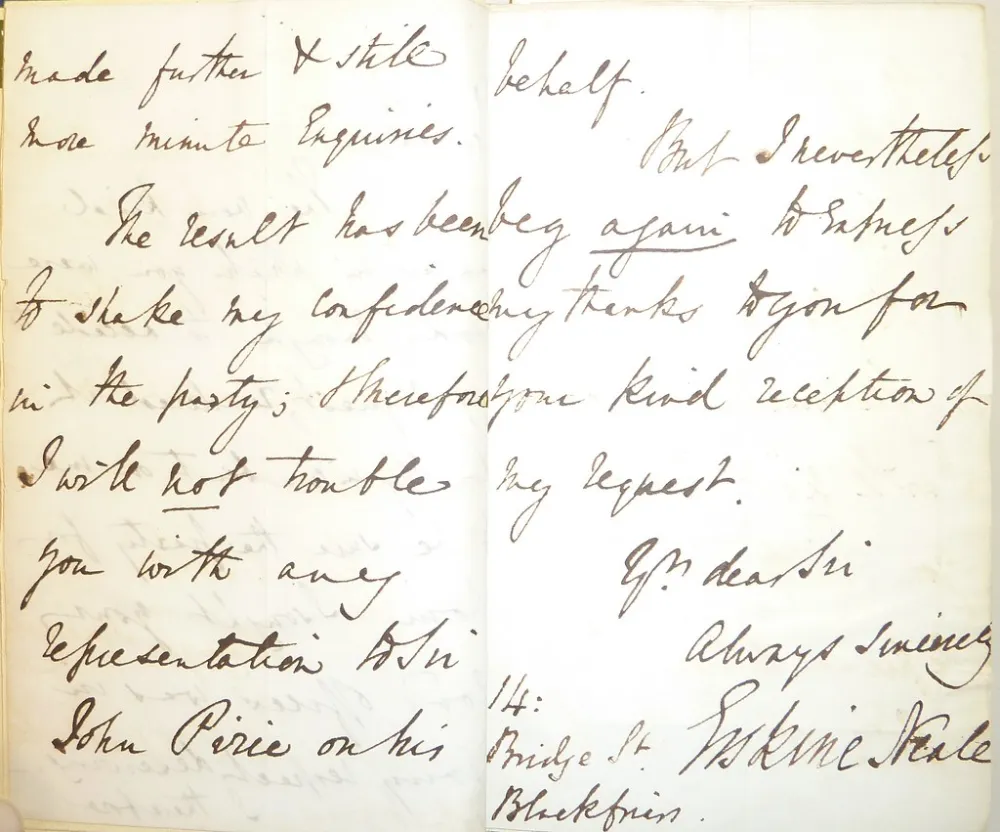
Freising Manuscripts page representing the oldest written document in Slovenian, from the 10th century

The Freising Manuscripts: the oldest surviving Slavic text in Latin script

The Freising Manuscripts, written around 1000 AD, are the oldest known documents in the Slovenian language and the oldest surviving continuous text in any Slavic language written in the Latin script. They consist of three short religious texts in Early Slovenian, preserved in the Bavarian State Library in Munich. Their existence demonstrates that Slovenian had a written form at least a millennium ago and that it was distinct enough from neighboring South Slavic varieties to be recognized as a separate linguistic entity. Slovenian national identity is deeply tied to these manuscripts, and they are considered the founding document of the Slovenian literary tradition.

For modern document translation, the Freising Manuscripts are a reminder that Slovenian has developed its vocabulary and grammar in close contact with German and Latin for over a thousand years. This contact introduced German and Latin loanwords into legal and administrative Slovenian vocabulary, and Italian loanwords are also present in the vocabulary of coastal and western Slovenian regions. A translation model that handles Slovenian as a generic South Slavic language will miss these lexical conventions, particularly in formal legal and official document registers where the vocabulary has specific borrowed technical terms alongside native Slavic constructions.

Documents people translate between English and Slovenian

Slovenia's EU membership, its open economy with strong ties to Austria and Germany, and its small but active diaspora create varied demand for Slovenian document translation. The most common document types include:

  • Slovenian national identity cards and passports for residence registration in Austria, Germany, and other EU member states
  • University of Ljubljana degree certificates and academic transcripts for credential recognition abroad, particularly in Austria and the United Kingdom
  • Birth certificates, marriage certificates, and divorce decrees issued by Slovenian civil registry offices for EU administrative processes
  • Real estate purchase contracts and land registry extracts for foreign buyers acquiring property in Slovenia, particularly along the Adriatic coast in the Koper and Piran areas
  • Employment contracts and corporate agreements for Slovenian subsidiaries of Austrian or German parent companies
  • EU regulation implementation documents and Slovenian national legislation, required by businesses operating in Slovenia under EU compliance frameworks
  • Medical reports and discharge summaries for Slovenian patients treated abroad

AI translation produces reliable working drafts for understanding Slovenian PDFs and for preparing materials for internal review. Official submissions to immigration authorities, courts, and government agencies require a 认证翻译 reviewed and signed by a qualified human translator. Slovenian diaspora members in the United States needing to submit Slovenian documents to immigration authorities should consult the USCIS 翻译要求 提交前。

Slovenian PDF translation pricing

从 7 天的试用开始,随着翻译需求的增长而升级。

7天试用期

最受欢迎
今天2美元

试用期结束后,每月收费 14.99 美元。

  • 7 天完整试用期
  • 试写限制:10页或3000字
  • 0。005美元/字AI翻译
  • 120多种语言
  • PDF、DOCX、XLSX、PPTX、IDML、TXT、JPG、PNG、CSV、JSON
  • 团队访问权限和自定义词汇表
  • 电子邮件支持

月度

受欢迎的
每月 14.99 美元

原价 29。99 美元,现享 50% 折扣

  • 每月100页或3万字
  • 0。005美元/字AI翻译
  • 120多种语言
  • 无限文件存储
  • PDF、DOCX、XLSX、PPTX、IDML、TXT、JPG、PNG、CSV、JSON
  • 团队访问权限和自定义词汇表
  • 优先电子邮件支持
🎉 最超值:每年节省 44。88 美元

年度的

节省25%
每年135美元

~每月 11。25 美元,比每月节省 25%

  • 每月100页或3万字
  • 0。005美元/字AI翻译
  • 120多种语言
  • 无限文件存储
  • PDF、DOCX、XLSX、PPTX、IDML、TXT、JPG、PNG、CSV、JSON
  • 团队访问权限和自定义词汇表
  • 优先电子邮件支持
所需步骤

How to translate your PDF to Slovenian

01

创建免费帐户

报名 使用您的电子邮件访问在线翻译仪表板。

02

上传您的 PDF 文件

拖放文件或浏览选择文件。付费套餐支持最大 1GB 的文件。

03

Choose Slovenian as target language

Select the original language of your PDF and set Slovenian as the target language. The output will include all three caron-diacritic characters and correct dual grammatical number forms throughout.

04

翻译并下载

Click "Translate" and wait a few moments. Your translated PDF will be ready to download in Slovenian with the original layout preserved.

PDF to Slovenian translation FAQ

What is the dual grammatical number in Slovenian and why does it matter for translation?

Slovenian is one of the very few living European languages that has three distinct grammatical numbers: singular for one item, dual for exactly two items, and plural for three or more items. The dual is not optional: when referring to exactly two people, objects, or entities, Slovenian grammar requires different forms for nouns, adjectives, verbs, and pronouns than for three or more of the same thing. A translation model that ignores the dual consistently produces plural forms even in sentences that specify two items, which native Slovenian speakers immediately recognize as grammatically wrong. AI models trained specifically on Slovenian text handle the dual correctly in most standard document contexts.

Will the Slovenian caron characters render correctly in the translated PDF?

Yes. Slovenian has three letters with caron diacritics: c with caron (the ch sound), s with caron (sh), and z with caron (zh). Many PDF export pipelines drop these diacritics, converting the characters to plain c, s, and z, which produces technically incorrect output that fails Slovenian spell-check and search. DocTranslator outputs the correct Unicode code points for all three caron characters so the translated PDF meets Slovenian orthographic standards.

Is Slovenian mutually intelligible with Croatian or Serbian?

Slovenian is a South Slavic language related to Croatian, Serbian, and Bosnian, but it is not mutually intelligible with them in written formal registers. Spoken informal comprehension between Slovenian and Croatian is partial, but the grammatical structures differ significantly: Slovenian has the dual number, different case endings, a different verb aspect system in some respects, and a distinct vocabulary influenced by German, Italian, and Latin rather than by the Ottoman Turkish loanword stratum that affects other South Slavic languages. A document translated into Croatian or Serbian will not pass as a Slovenian-language document for official purposes.

What Slovenian documents are most commonly translated for official use?

The most frequently translated documents are Slovenian national identity cards and EU passports, University of Ljubljana degree certificates and academic transcripts, birth and marriage certificates issued by Slovenian civil registry offices, property purchase contracts and land registry extracts for the Adriatic coastal zone, and employment contracts for Austrian and German joint ventures in Slovenia. For submissions to immigration authorities or courts, a 认证翻译 是必须的。

How large a Slovenian PDF can I translate, and what does the trial include?

Monthly and Annual plans support files up to 1 GB or 5,000 pages. The $2 7-day trial covers up to 10 pages or 3,000 words, which is enough to verify that caron characters, dual number forms, and document formatting are handled correctly on a sample before committing to a full translation.

Can I translate from Slovenian into English as well as from English into Slovenian?

Yes. The Slovenian-English pair works in both directions. Translating a Slovenian PDF into English is common for Slovenian diaspora members sharing identity and academic documents with non-Slovenian-speaking employers or authorities, and for foreign companies reviewing Slovenian contracts or regulatory filings. Translating from English into Slovenian is common for EU compliance documents, product manuals, and international agreements requiring a Slovenian language version.

What are the Freising Manuscripts and why are they significant for Slovenian language history?

The Freising Manuscripts, written around 1000 AD and preserved in the Bavarian State Library in Munich, are the oldest surviving documents in the Slovenian language and the oldest continuous text in any Slavic language written in the Latin script. They consist of three short religious texts in Early Slovenian and demonstrate that Slovenian had a distinct written form at least a millennium ago. They are the foundational document of Slovenian literary history and a key symbol of Slovenian national identity. For modern document translation, they also highlight the long history of German and Latin influence on Slovenian vocabulary, which is visible in the formal and legal registers of the language today.

Translate your PDF to Slovenian today

DocTranslator converts PDFs to Slovenian online, rendering caron diacritics correctly, handling the dual grammatical number, preserving your document layout, and supporting files up to 1 GB.

我们的伙伴

Accenture
Bloomberg
Citrix
P&G
SAP