
Μετάφραση PDF στα Χίντι
Μετατρέψτε αγγλικά PDF σε Χίντι και αποδώστε σωστά το σύστημα γραφής Devanagari, συμπεριλαμβανομένων των συμπλεγμάτων συμφώνων και της γραμμής shirorekha που συνδέει τα γράμματα στην κορυφή κάθε λέξης. Αρχεία έως 1 GB.
Ανεβάστε ή σύρετε το έγγραφο για μετάφραση
Μέγιστο μέγεθος αρχείου 1 GB
- OCR για σαρώσεις και φωτογραφίες
- 108 γλώσσες
- Πρωτότυπη διάταξη διατηρείται
Τι συμβαίνει όταν μετατρέπετε ένα αγγλικό PDF σε Χίντι
Τα Χίντι χρησιμοποιούν το σύστημα γραφής Devanagari, το οποίο διαβάζεται από αριστερά προς τα δεξιά και αποτελείται από 11 φωνήεντα και 33 σύμφωνα, συν ένα μεγάλο σύνολο συμπλεγμάτων που εμφανίζονται όταν δύο ή περισσότερα σύμφωνα βρίσκονται δίπλα-δίπλα χωρίς ενδιάμεσο ήχο φωνήεντος. Αυτά τα συμπλέγματα δεν είναι ξεχωριστοί χαρακτήρες που πληκτρολογούνται διαδοχικά· είναι συγχωνευμένα γλυφά που μια γραμματοσειρά συμβατή με το Devanagari αποδίδει ως μία μονάδα. Μια γραμματοσειρά που δεν διαθέτει το σύνολο των συμπλεγμάτων σπάει αυτές τις συστάδες σε αποσπασμένα κομμάτια, καθιστώντας το κείμενο μη αναγνώσιμο για έναν ομιλητή των Χίντι. Το PDF εξόδου χρησιμοποιεί μια γραμματοσειρά που περιλαμβάνει το πλήρες σύνολο των συμπλεγμάτων, ώστε οι λέξεις να εμφανίζονται όπως πρέπει.
Ένα από τα πιο ορατά χαρακτηριστικά των γραπτών Χίντι είναι το shirorekha, μια οριζόντια γραμμή που διατρέχει την κορυφή των περισσότερων γραμμάτων Devanagari και τα συνδέει σε μια λέξη. Αποδίδεται από την ίδια την γραμματοσειρά, και δεν προστίθεται ως ξεχωριστό στοιχείο, οπότε η επιλογή της σωστής γραμματοσειράς είναι αυτό που κάνει ή χαλάει την εμφάνιση της μεταφρασμένης σελίδας. Το Devanagari δεν έχει επίσης κεφαλαία γράμματα· το σύστημα γραφής έχει μόνο μία μορφή, και η έμφαση σε μια πρόταση εκφράζεται μέσω της σειράς των λέξεων και όχι της κεφαλαιοποίησης. Τα Χίντι συνήθως ακολουθούν τη σειρά υποκείμενο-αντικείμενο-ρήμα, η οποία είναι η αντίστροφη από τα Αγγλικά, οπότε οι μεταφρασμένες προτάσεις αναδιοργανώνονται δομικά αντί να αντικαθίστανται λέξη προς λέξη.
Τα επίσημα Χίντι αντλούν το λεξιλόγιό τους από τη Σανσκριτική, το κλασικό ύφος που χρησιμοποιείται σε κυβερνητικά έγγραφα, πιστοποιητικά και νομικά συμβόλαια. Η καθημερινή ομιλία δανείζεται ελεύθερα από τα Αγγλικά και τα Ούρντου, αλλά η επίσημη γραφειοκρατία παραμένει στο ύφος που προέρχεται από τη Σανσκριτική. Η μετάφραση στοχεύει σε αυτό το επίσημο ύφος, το οποίο απαιτείται στις περισσότερες μεταφράσεις εγγράφων.
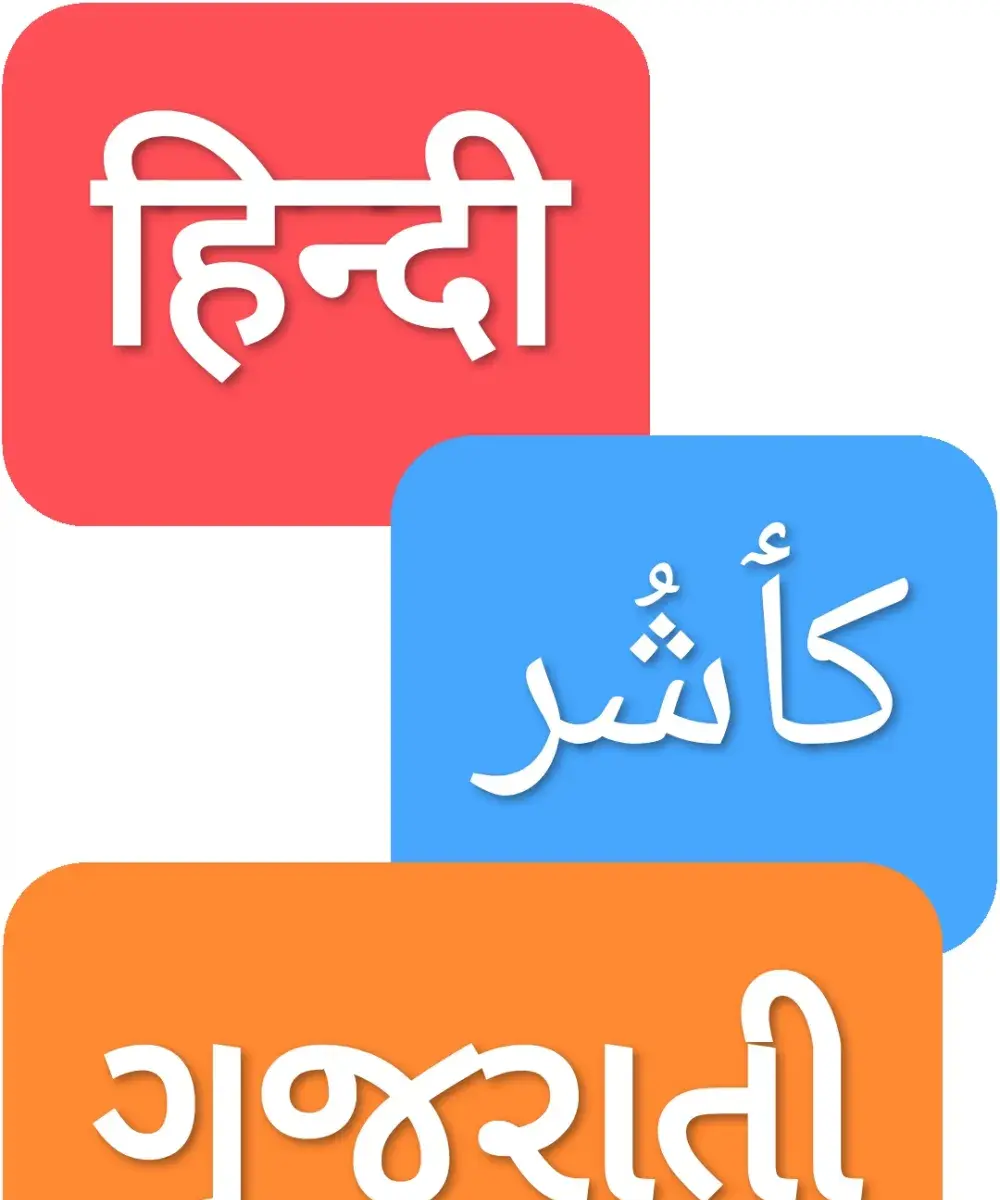
Το Devanagari και οι γλώσσες που φέρει
Το Devanagari χρησιμοποιείται όχι μόνο για τα Χίντι, αλλά και για τα Σανσκριτικά, τα Μαράτι, τα Νεπαλικά και πολλές άλλες γλώσσες της Νότιας Ασίας. Το σύστημα γραφής αναγνωρίζεται από την οριζόντια μπάρα που διατρέχει την κορυφή των περισσότερων χαρακτήρων, συνδέοντας τα γράμματα σε λέξεις. Μέσα σε μια λέξη Χίντι, τα σύμφωνα που εμφανίζονται μαζί χωρίς ενδιάμεσο φωνήεν σχηματίζουν συμπλέγματα, δύο ή περισσότερα σύμφωνα συγχωνευμένα σε ένα ενιαίο συνδυασμένο γλυφό. Μια γραμματοσειρά που δεν περιλαμβάνει αυτά τα συμπλέγματα αποδίδει το κείμενο λανθασμένα, εμφανίζοντας ξεχωριστούς χαρακτήρες όπου θα έπρεπε να εμφανίζεται μια συγχωνευμένη μορφή. Το μεταφρασμένο PDF χρησιμοποιεί μια γραμματοσειρά συμβατή με το Devanagari που περιλαμβάνει το πλήρες σύνολο των συμπλεγμάτων.
Τα Χίντι βρίσκονται σε ένα φάσμα από τα επίσημα, πλούσια σε Σανσκριτικά Shuddh Hindi που χρησιμοποιούνται σε επίσημα έγγραφα, έως την καθομιλουμένη που αναμιγνύει ελεύθερα λέξεις από τα Αγγλικά και τα Ούρντου. Κυβερνητικά πιστοποιητικά, νομικά συμβόλαια και εκπαιδευτικά αποσπάσματα χρησιμοποιούν το επίσημο ύφος. Για αυτά τα έγγραφα, η μετάφραση AI παράγει αποτέλεσμα που ένας ομιλητής των Χίντι θα αναγνωρίσει ως επίσημη γλώσσα, όχι ως ανεπίσημη ομιλία. Για περιεχόμενο μάρκετινγκ και καταναλωτικό περιεχόμενο που απευθύνεται σε ινδικό κοινό, ένας εγγενής αναθεωρητής μπορεί να προσαρμόσει τη διατύπωση για να ταιριάζει στον τόνο της περιοχής-στόχου.
Έγγραφα που οι άνθρωποι μεταφράζουν μεταξύ Αγγλικών και Χίντι
Με πάνω από 600 εκατομμύρια ομιλητές, τα Χίντι είναι μία από τις πιο διαδεδομένες γλώσσες στον κόσμο, και η γραφειοκρατία που κινείται μεταξύ Αγγλικών και Χίντι αντικατοπτρίζει την κλίμακα αυτής της κοινότητας:
- Έγγραφα μετανάστευσης για επανένωση οικογένειας και αιτήσεις βίζας από την Ινδία
- Πιστοποιητικά γέννησης, γάμου και εκπαιδευτικά που απαιτούνται για ινδικές κοινότητες στο εξωτερικό
- Νομικές συμφωνίες και έγγραφα ακινήτων για επιχειρήσεις στην Ινδία
- Ιατρικά αρχεία και σημειώματα εξιτηρίου για ασθενείς που ταξιδεύουν μεταξύ Ινδίας και εξωτερικού
- Κυβερνητικά και διοικητικά έντυπα που απαιτούνται από τις ινδικές αρχές
- Εγχειρίδια προϊόντων και έγγραφα συμμόρφωσης για αγαθά που εισέρχονται στην ινδική αγορά
Η μετάφραση AI καλύπτει την ανάγνωση, την εσωτερική αναθεώρηση και τα πρώτα προσχέδια αποτελεσματικά. Έγγραφα που κατατίθενται σε κυβερνητικές υπηρεσίες, γραφεία μετανάστευσης ή δικαστήρια απαιτούν γενικά μια πιστοποιημένη μετάφραση με βεβαίωση από ανθρώπινο αναθεωρητή.
Τιμολόγηση μετάφρασης PDF από Αγγλικά σε Χίντι
Εγγραφείτε δωρεάν, πληρώστε ανά έγγραφο και αναβαθμίστε καθώς αυξάνονται οι ανάγκες μετάφρασής σας.
Free
Δεν απαιτείται κάρτα για εγγραφή
- Μετάφραση AI με $0.005/λέξη
- 1 $ ανά σελίδα για σαρώσεις και εικόνες PDF
- 108 γλώσσες
- Αρχεία έως 20 MB και 20 σελίδες
- DOCX, PDF, XLSX, PPTX, IDML, TXT, JPG, PNG και CSV
- Αποθήκευση αρχείων 24 ωρών μόνο
- Επεξεργαστής PDF και μετατροπέας PDF σε DOCX
Βασικό
ΔημοφιλέστεροΧρέωση κάθε εβδομάδα · ακύρωση οποτεδήποτε
Χρεώνεται μηνιαίως
Χρέωση μία φορά ετησίως · εξοικονομήστε 33%
- μεταφράσεις AI περιλαμβάνονται κάθε μήνα
- Στη συνέχεια 0,005 $/λέξη μετάφραση AI
- Αρχεία έως 100 MB και 300 σελίδες
- DOCX, PDF, XLSX, PPTX, IDML, TXT, JPG, PNG και CSV
- OCR για σαρωμένα έγγραφα
- Αποθήκευση εγγράφων
- Υποστήριξη προτεραιότητας
- Δωρεάν δοκιμή 7 ημερών στο μηνιαίο πρόγραμμα
- Ακύρωση οποιαδήποτε στιγμή
Pro
Χρεώνεται μηνιαίως
Χρέωση μία φορά ετησίως · εξοικονομήστε 34%
- μεταφράσεις AI περιλαμβάνονται κάθε μήνα
- Στη συνέχεια 0,004 $/λέξη μετάφραση AI
- Αρχεία έως 1 GB και 5.000 σελίδες
- DOCX, PDF, XLSX, PPTX, IDML, TXT, JPG, PNG και CSV
- Γλωσσάρι
- Προτεραιότητα ουράς
- 5 θέσεις ομάδας
- Αιτήματα API · 1.000 σελίδες ανά μήνα
- Πρόσβαση MCP για βοηθούς AI
- Ακύρωση οποιαδήποτε στιγμή
Επιχειρηματικό
Χρεώνεται μηνιαίως
Χρέωση μία φορά ετησίως · εξοικονομήστε 33%
- μεταφράσεις AI περιλαμβάνονται κάθε μήνα
- Στη συνέχεια 0,003 $/λέξη μετάφραση AI
- Αρχεία έως 1 GB και 5.000 σελίδες
- DOCX, PDF, XLSX, PPTX, IDML, TXT, JPG, PNG και CSV
- Γλωσσάρι
- Προτεραιότητα ουράς
- 15 θέσεις ομάδας
- Αιτήματα API · 5.000 σελίδες ανά μήνα
- Πρόσβαση MCP για βοηθούς AI
- Ακύρωση οποιαδήποτε στιγμή
Επιχειρήσεις
Χρειάζεστε περισσότερο όγκο, τιμολόγηση ή προσαρμοσμένη συμφωνία; Μιλήστε μας για ένα πρόγραμμα Enterprise.
Πώς να μεταφράσετε το PDF σας σε Χίντι
Δημιουργία δωρεάν λογαριασμού
Εγγραφείτε με το email σας για να αποκτήσετε πρόσβαση στον online πίνακα μετάφρασης.
Ανεβάστε το αρχείο PDF σας
Σύρετε και αποθέστε το αρχείο σας ή περιηγηθείτε για να το επιλέξετε. Υποστηρίζονται αρχεία έως 1 GB στα προγράμματα Pro και Business.
Επιλέξτε Χίντι ως γλώσσα προορισμού
Επιλέξτε την αρχική γλώσσα του PDF σας και ορίστε τα Χίντι ως γλώσσα προορισμού.
Μετάφραση και λήψη
Κάντε κλικ στο "Μετάφραση" και περιμένετε λίγα λεπτά. Το μεταφρασμένο PDF σας θα είναι έτοιμο για λήψη στα Χίντι, με διατήρηση του συστήματος γραφής Devanagari και της μορφοποίησης.
Συχνές Ερωτήσεις Μετάφρασης PDF από Αγγλικά σε Χίντι
Θα αποδοθούν σωστά οι συγχωνευμένοι σύμφωνοι της Devanagari στο PDF;
Ναι. Οι συγχωνεύσεις είναι συμπλέγματα συμφώνων που συγχωνεύονται σε ένα ενιαίο γλύφο (για παράδειγμα, το σύμπλεγμα "ksha" σχηματίζει έναν δικό του συνδυασμένο χαρακτήρα). Η έξοδος χρησιμοποιεί μια γραμματοσειρά που περιλαμβάνει το πλήρες σύνολο των συγχωνεύσεων Devanagari, έτσι ώστε το κείμενο να διαβάζεται καθαρά αντί να εμφανίζει σπασμένα ή διαχωρισμένα στοιχεία.
Μπορώ να μεταφράσω και από Χίντι σε Αγγλικά;
Ναι. Το ζεύγος λειτουργεί και προς τις δύο κατευθύνσεις. Η μετάφραση από Χίντι σε Αγγλικά χειρίζεται επίσης τη μετατροπή της γραφής και προσαρμόζει τη διάταξη, καθώς το κείμενο στα Χίντι σε PDF τυπικά έχει διαφορετική πυκνότητα από το αντίστοιχο στα Αγγλικά.
Η έξοδος είναι επίσημα Χίντι ή καθομιλουμένη;
Η μετάφραση μέσω AI στοχεύει σε τυπικά, επίσημα Χίντι κατάλληλα για επίσημα έγγραφα, νομικά κείμενα και επιχειρηματική αλληλογραφία. Τα επίσημα Χίντι ακολουθούν το λεξιλόγιο που προέρχεται από τα σανσκριτικά και χρησιμοποιείται σε κυβερνητικές φόρμες, πιστοποιητικά και νομικές συμφωνίες.
Ποια έγγραφα μεταφράζονται συνήθως μεταξύ Αγγλικών και Χίντι;
Πιστοποιητικά γέννησης, ακαδημαϊκές μεταγραφές και πιστοποιητικά γάμου για αιτήσεις βίζας· νομικές και περιουσιακές συμφωνίες για επιχειρήσεις στην Ινδία· ιατρικά αρχεία για ασθενείς· και τεκμηρίωση προϊόντων για αγαθά που εισέρχονται ή εξέρχονται από την ινδική αγορά.
Το DocTranslator χειρίζεται το shirorekha (την επάνω γραμμή στο Devanagari);
Ναι. Το shirorekha είναι ένα χαρακτηριστικό απόδοσης σε επίπεδο γραμματοσειράς: σχεδιάζεται από την τυπογραφία, δεν προστίθεται ξεχωριστά. Η έξοδος χρησιμοποιεί μια γραμματοσειρά Devanagari που αποδίδει σωστά τη γραμμή, συνδέοντας τα γράμματα όπως αναμένεται.
Πόσο μεγάλο PDF στα Χίντι μπορώ να ανεβάσω;
Το Free δέχεται 20 MB και 20 σελίδες ανά έγγραφο, το Basic 100 MB και 300 σελίδες, και τα Pro και Business έως 1 GB ή 5.000 σελίδες. Για αρχική δοκιμή, ένα σύντομο έγγραφο αρκεί, και κοστίζει από 0,99 $.
Διατίθενται πιστοποιημένες μεταφράσεις για έγγραφα στα Χίντι που υποβάλλονται στην USCIS;
Ναι. Έγγραφα που υποβάλλονται στην USCIS ή σε άλλες κυβερνητικές υπηρεσίες συνήθως χρειάζονται πιστοποιημένη, ανθρώπινη μετάφραση. Δείτε πιστοποιημένη μετάφραση για αυτές τις απαιτήσεις.
Μεταφράστε το PDF σας σε Χίντι σήμερα
Το DocTranslator μετατρέπει PDF μεταξύ Αγγλικών και Χίντι με πλήρη υποστήριξη του συστήματος γραφής Devanagari, συμπεριλαμβανομένων των συμπλεγμάτων συμφώνων και της γραμμής shirorekha, χειριζόμενο αρχεία έως 1 GB.
Σχετικά Εργαλεία
Μετάφραση PDF ανά Γλώσσα
Τύποι εγγράφων
Οι Συνεργάτες μας