
Przetłumacz PDF na hindi
Konwertuj angielskie pliki PDF na hindi i uzyskaj poprawnie wyrenderowany skrypt Devanagari, w tym glify spółgłosek złożonych i kreskę shirorekha, która łączy litery u góry każdego słowa. Pliki do 1 GB.
Prześlij lub upuść dokument do tłumaczenia
Maks. rozmiar pliku 1 GB
- OCR dla skanów i zdjęć
- 108 języków
- Oryginalny układ zachowany
Co się dzieje, gdy zamieniasz angielski PDF na hindi
Hindi używa skryptu Devanagari, który jest zapisywany od lewej do prawej i składa się z 11 samogłosek i 33 spółgłosek, a także dużego zestawu form złożonych, które pojawiają się, gdy dwie lub więcej spółgłosek znajduje się obok siebie bez dźwięku samogłoski pomiędzy nimi. Te formy złożone nie są osobnymi znakami wpisywanymi sekwencyjnie; są to połączone glify, które czcionka obsługująca Devanagari rysuje jako jedną całość. Czcionka, której brakuje zestawu form złożonych, dzieli te klastry na oddzielne części, co czyni tekst nieczytelnym dla osoby mówiącej po hindi. Wyjściowy plik PDF używa czcionki zawierającej pełny zestaw form złożonych, dzięki czemu słowa są wyświetlane tak, jak powinny.
Jedną z najbardziej widocznych cech pisanej hindi jest shirorekha, pozioma linia biegnąca u góry większości liter Devanagari i łącząca je w słowo. Jest ona renderowana przez sam krój pisma, a nie dodawana jako osobny element, więc wybór odpowiedniej czcionki decyduje o wyglądzie przetłumaczonej strony. Devanagari nie ma również wielkich liter; skrypt ma tylko jedną wielkość liter, a nacisk w zdaniu wyraża się poprzez szyk wyrazów, a nie wielkość liter. Hindi zazwyczaj stosuje szyk podmiot-dopełnienie-orzeczenie, co jest odwrotnością angielskiego, więc przetłumaczone zdania są strukturalnie reorganizowane, a nie zastępowane słowo w słowo.
Formalne hindi czerpie swoje słownictwo z sanskrytu, klasycznego rejestru używanego w dokumentach rządowych, certyfikatach i umowach prawnych. Codzienna mowa swobodnie zapożycza z angielskiego i urdu, ale oficjalne dokumenty pozostają w rejestrze pochodzącym z sanskrytu. Tłumaczenie celuje w ten formalny rejestr, który jest wymagany w większości tłumaczeń dokumentów.
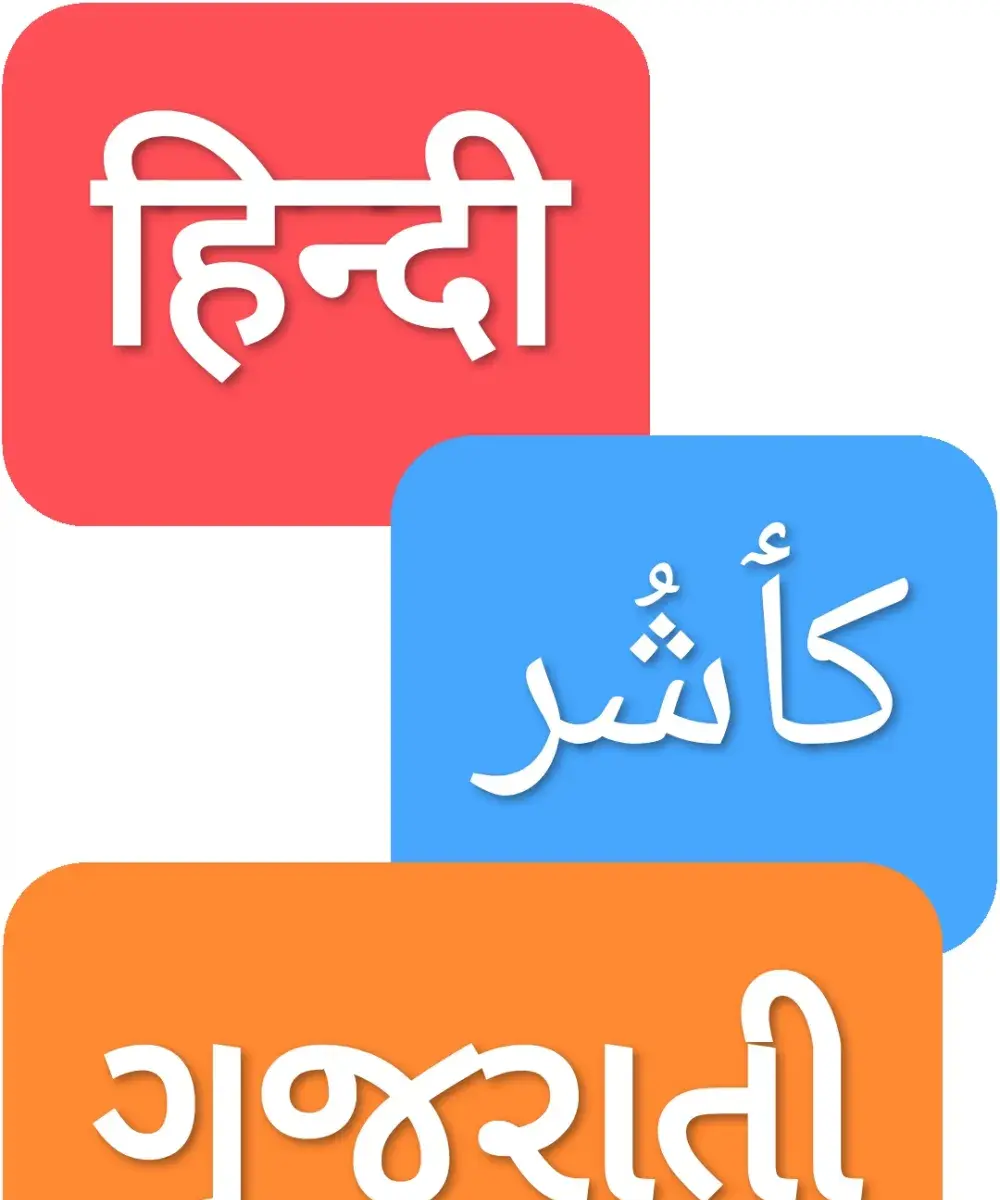
Devanagari i języki, które obsługuje
Devanagari jest używany nie tylko do hindi, ale także do sanskrytu, marathi, nepalskiego i kilku innych języków Azji Południowej. Skrypt jest rozpoznawalny dzięki poziomej belce biegnącej wzdłuż górnej części większości znaków, łączącej litery w słowa. W obrębie słowa w języku hindi spółgłoski występujące razem bez pośredniej samogłoski tworzą formy złożone, dwie lub więcej spółgłosek połączonych w jeden wspólny glif. Czcionka, która nie zawiera tych form złożonych, renderuje tekst niepoprawnie, pokazując oddzielne znaki tam, gdzie powinna pojawić się forma połączona. Przetłumaczony plik PDF używa czcionki kompatybilnej z Devanagari, która zawiera pełny zestaw form złożonych.
Hindi znajduje się w spektrum od formalnego, bogatego w sanskryt Shuddh Hindi używanego w dokumentach urzędowych, po potoczną mowę, która swobodnie miesza słowa angielskie i urdu. Certyfikaty rządowe, umowy prawne i świadectwa szkolne używają formalnego rejestru. W przypadku tych dokumentów tłumaczenie AI generuje wyniki, które osoba mówiąca po hindi rozpozna jako język oficjalny, a nie potoczny. W przypadku treści marketingowych i konsumenckich skierowanych do odbiorców indyjskich, rodzimy recenzent może dostosować sformułowania, aby dopasować je do tonu docelowego regionu.
Dokumenty, które ludzie tłumaczą między angielskim a hindi
Z ponad 600 milionami użytkowników, hindi jest jednym z najczęściej używanych języków na świecie, a dokumenty, które przemieszczają się między angielskim a hindi, odzwierciedlają skalę tej społeczności:
- Dokumenty imigracyjne dotyczące łączenia rodzin i wniosków wizowych z Indii
- Akty urodzenia, małżeństwa i świadectwa szkolne potrzebne dla indyjskich społeczności za granicą
- Umowy prawne i dokumenty dotyczące nieruchomości dla biznesu w Indiach
- Dokumentacja medyczna i karty wypisów dla pacjentów podróżujących między Indiami a zagranicą
- Formularze rządowe i administracyjne wymagane przez władze indyjskie
- Instrukcje produktowe i dokumenty zgodności dla towarów wchodzących na rynek indyjski
Tłumaczenie AI efektywnie obsługuje czytanie, przegląd wewnętrzny i pierwsze wersje robocze. Dokumenty składane do agencji rządowych, urzędów imigracyjnych lub sądów zazwyczaj wymagają poświadczonego tłumaczenia z atestem ludzkiego recenzenta.
Cennik tłumaczenia PDF z angielskiego na hindi
Zarejestruj się bezpłatnie, płać za dokument i ulepszaj w miarę rozwoju potrzeb w zakresie tłumaczeń.
Free
Nie jest wymagana karta do rejestracji
- Tłumaczenie AI za 0,005 $/słowo
- 1 USD za stronę dla skanów i plików PDF w formacie obrazu
- 108 języków
- Pliki do 20 MB i 20 stron
- DOCX, PDF, XLSX, PPTX, IDML, TXT, JPG, PNG i CSV
- Tylko 24-godzinne przechowywanie plików
- Edytor PDF i konwerter PDF do DOCX
Podstawowy
Najczęściej wybieranyFakturowanie co tydzień · anuluj w dowolnym momencie
Fakturowanie miesięczne
Fakturowanie raz w roku · oszczędność 33%
- miesięcznie w ramach tłumaczeń AI
- Następnie 0,005 $/słowo tłumaczenia AI
- Pliki do 100 MB i 300 stron
- DOCX, PDF, XLSX, PPTX, IDML, TXT, JPG, PNG i CSV
- OCR dla zeskanowanych dokumentów
- Przechowywanie dokumentów
- Priorytetowe wsparcie
- 7-dniowy bezpłatny okres próbny w planie miesięcznym
- Anuluj w dowolnym momencie
Pro
Fakturowanie miesięczne
Fakturowanie raz w roku · oszczędność 34%
- miesięcznie w ramach tłumaczeń AI
- Następnie 0,004 $/słowo tłumaczenia AI
- Pliki do 1 GB i 5000 stron
- DOCX, PDF, XLSX, PPTX, IDML, TXT, JPG, PNG i CSV
- Glosariusz
- Kolejka priorytetowa
- 5 miejsc w zespole
- Żądania API · 1000 stron miesięcznie
- Dostęp MCP do asystentów AI
- Anuluj w dowolnym momencie
Biznesowy
Fakturowanie miesięczne
Fakturowanie raz w roku · oszczędność 33%
- miesięcznie w ramach tłumaczeń AI
- Następnie 0,003 $/słowo tłumaczenia AI
- Pliki do 1 GB i 5000 stron
- DOCX, PDF, XLSX, PPTX, IDML, TXT, JPG, PNG i CSV
- Glosariusz
- Kolejka priorytetowa
- 15 miejsc w zespole
- Żądania API · 5000 stron miesięcznie
- Dostęp MCP do asystentów AI
- Anuluj w dowolnym momencie
Enterprise
Potrzebujesz większego wolumenu, faktury lub niestandardowej umowy? Porozmawiaj z nami o planie Enterprise.
Jak przetłumaczyć swój PDF na hindi
Utwórz darmowe konto
Zarejestruj się za pomocą swojego adresu e-mail, aby uzyskać dostęp do panelu tłumaczeń online.
Prześlij swój plik PDF
Przeciągnij i upuść plik lub przeglądaj, aby go wybrać. Pliki do 1 GB są obsługiwane w planach Pro i Biznesowy.
Wybierz hindi jako język docelowy
Wybierz oryginalny język swojego pliku PDF i ustaw hindi jako język docelowy.
Tłumacz i pobieraj
Kliknij „Tłumacz” i poczekaj chwilę. Twój przetłumaczony plik PDF będzie gotowy do pobrania w języku hindi, z zachowaniem skryptu Devanagari i formatowania.
Często zadawane pytania dotyczące tłumaczenia PDF z angielskiego na hindi
Czy złożone spółgłoski Devanagari będą poprawnie renderowane w pliku PDF?
Tak. Złożenia to grupy spółgłosek połączone w jeden glif (na przykład grupa „ksha” tworzy własny połączony znak). Wynik używa czcionki zawierającej pełny zestaw złożonych znaków Devanagari, dzięki czemu tekst jest czytelny, a nie pokazuje uszkodzonych lub oddzielonych elementów.
Czy mogę również tłumaczyć z hindi na angielski?
Tak. Para działa w obie strony. Tłumaczenie z hindi na angielski również obsługuje konwersję skryptu i dostosowuje układ, ponieważ tekst hindi w plikach PDF zazwyczaj ma inną gęstość niż jego angielski odpowiednik.
Czy wynik jest w formalnym hindi czy potocznym?
Tłumaczenie AI celuje w standardowe, formalne hindi odpowiednie dla dokumentów urzędowych, tekstów prawnych i korespondencji biznesowej. Formalne hindi podąża za słownictwem pochodzenia sanskryckiego używanym w formularzach rządowych, certyfikatach i umowach prawnych.
Jakie dokumenty ludzie powszechnie tłumaczą między angielskim a hindi?
Akty urodzenia, świadectwa szkolne i akty małżeństwa do wniosków wizowych; umowy prawne i dotyczące nieruchomości do prowadzenia działalności gospodarczej w Indiach; dokumentacja medyczna dla pacjentów; oraz dokumentacja produktowa dla towarów wchodzących lub opuszczających rynek indyjski.
Czy DocTranslator obsługuje shirorekha (górną linię w piśmie Devanagari)?
Tak. Shirorekha to funkcja renderowania na poziomie czcionki: jest rysowana przez czcionkę, a nie dodawana osobno. Wynik używa czcionki Devanagari, która poprawnie renderuje linię, łącząc litery zgodnie z oczekiwaniami.
Jak duży plik PDF w języku hindi mogę przesłać?
Free akceptuje 20 MB i 20 stron na dokument, Basic 100 MB i 300 stron, a Pro i Business do 1 GB lub 5000 stron. Do wstępnych testów wystarczy jeden krótki dokument, a kosztuje od 0,99 USD.
Czy dostępne są uwierzytelnione tłumaczenia dokumentów w języku hindi składanych do USCIS?
Tak. Dokumenty składane do USCIS lub innych urzędów rządowych zazwyczaj wymagają poświadczonego tłumaczenia wykonanego przez człowieka. Zobacz poświadczone tłumaczenie dla tych wymagań.
Przetłumacz swój PDF na hindi już dziś
DocTranslator konwertuje pliki PDF między angielskim a hindi z pełnym wsparciem dla skryptu Devanagari, w tym spółgłosek złożonych i kreski shirorekha, obsługując pliki do 1 GB.
Narzędzia powiązane
Tłumacz PDF według języka
Typy dokumentów
Nasi partnerzy