
Tõlgi PDF hindi keelde
Teisendage ingliskeelsed PDF-failid hindi keelde ja laske Devanagari kirjal õigesti renderdada, sealhulgas kaashäälikuühendite tähemärgid ja horisontaalne joon, mis ühendab tähti iga sõna kohal. Failid kuni 1 GB.
Laadi üles või lohista dokument tõlkimiseks
Max. faili suurus 1 GB
- Skannide ja fotode OCR
- 108 keelt
- Algne paigutus säilitatud
Mis juhtub, kui teisendate ingliskeelse PDF-faili hindi keelde
Hindi keel kasutab Devanagari kirja, mis jookseb vasakult paremale ja koosneb 11 täishäälikust ja 33 kaashäälikust, lisaks suurele hulgale kaashäälikuühenditele, mis ilmuvad, kui kaks või enam kaashäälikut seisavad kõrvuti ilma vahepealse vokaalita. Need ühendid ei ole eraldi tähemärgid, mida järjestikku sisestatakse; need on ühendatud tähemärgid, mida Devanagari-kujundusega font joonistab ühe üksusena. Font, millel puudub ühendite komplekt, murrab need klastrid eraldatud tükkideks, muutes teksti hindi keele kõnelejale loetamatuks. Väljund-PDF kasutab fonti, mis sisaldab täielikku ühendite inventari, nii et sõnad kuvatakse nii, nagu need peaksid olema.
Üks kirjaliku hindi kõige silmatorkavamaid omadusi on shirorekha, horisontaalne joon, mis kulgeb enamiku Devanagari tähemärkide kohal, ühendades need sõnaks. Seda renderdab ise tüpograafia, mitte ei lisata eraldi elemendina, nii et õige fonti valimine muudab või rikub tõlgitud lehe välimust. Devanagari keeles pole ka suurtähti; kirjal on ainult üks suurus ja rõhuasetus lauses väljendatakse sõnajärje, mitte suurtähtede abil. Hindi keel järgib tavaliselt subjekt-objekt-verb järjekorda, mis on inglise keele vastupidine, nii et tõlgitud laused reorganiseeritakse struktuuriliselt, mitte ei asendata sõna-sõnalt.
Formaalne hindi keel ammutab oma sõnavara sanskriti keelest, klassikalisest registrist, mida kasutatakse valitsuse dokumentides, sertifikaatides ja juriidilistes lepingutes. Igapäevane kõne laenab vabalt inglise ja urdu keelest, kuid ametlikud paberitööd jäävad sanskriti keelest tuletatud registrisse. Tõlge sihib seda formaalset registrit, mida enamik dokumenditõlkeid nõuab.
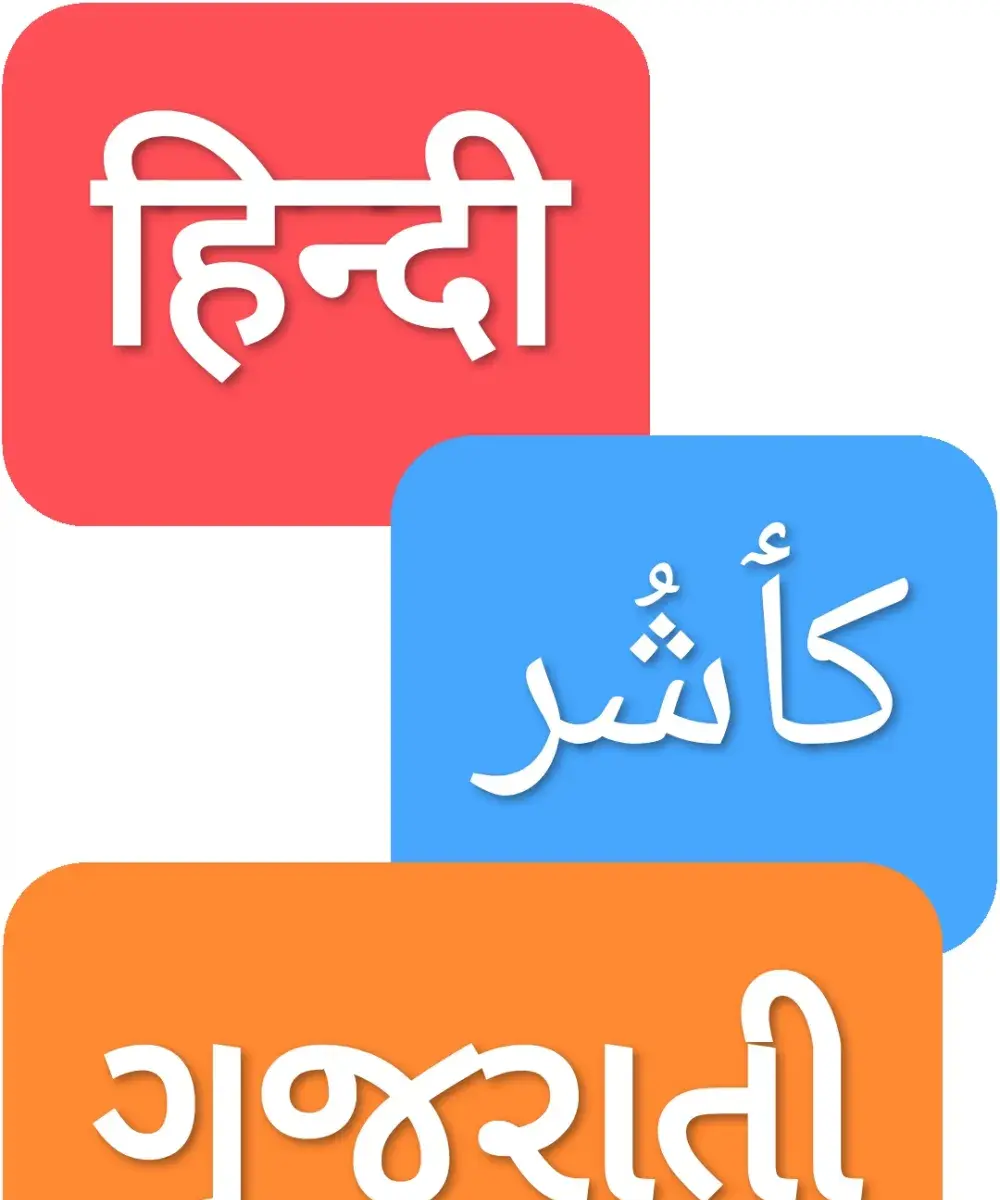
Devanagari ja sellega seotud keeled
Devanagari ei kasuta mitte ainult hindi keelt, vaid ka sanskriti, marathi, nepali ja mitmeid teisi Lõuna-Aasia keeli. Kirja tunneb ära horisontaalne joon, mis kulgeb enamiku tähemärkide kohal, ühendades tähti sõnadeks. Hindi sõna sees moodustavad kaashäälikud, mis esinevad koos ilma vahepealse vokaalita, ühendeid, kaks või enam kaashäälikut, mis on ühendatud üheks ühendatud tähemärgiks. Font, mis neid ühendeid ei sisalda, renderdab teksti valesti, näidates eraldi tähemärke seal, kus peaks ilmuma ühendatud vorm. Tõlgitud PDF kasutab Devanagari-ühilduvat fonti, mis sisaldab täielikku ühendite komplekti.
Hindi keel asub spektril, alates formaalsest, sanskriti-raskest Shuddh Hindi keelest, mida kasutatakse ametlikes dokumentides, kuni kõnekeelse kõneni, mis segab vabalt inglise ja urdu sõnu. Valitsuse sertifikaadid, juriidilised lepingud ja haridustunnistused kasutavad formaalset registrit. Nende dokumentide puhul toodab AI-tõlge väljundi, mida hindi keelt kõnelev lugeja tunnistab ametlikuks keeleks, mitte juhuslikuks kõneks. India publikule suunatud turundus- ja tarbijasisule saab emakeelne ülevaataja fraase kohandada, et need vastaksid sihtpiirkonna toonile.
Dokumendid, mida inimesed tõlgivad inglise ja hindi keele vahel
Rohkem kui 600 miljoni kõnelejaga on hindi keel üks maailma enimkasutatavaid keeli ja inglise ning hindi keele vahel liikuvad paberid peegeldavad selle kogukonna ulatust:
- Sisserändedokumendid pere taasühinemiseks ja viisataotlusteks Indiast
- Sünni-, abielu- ja haridustunnistused, mida vajavad välismaal elavad India kogukonnad
- Juriidilised lepingud ja kinnisvaradokumendid äritegevuseks Indias
- Meditsiinilised dokumendid ja väljakirjutamise kokkuvõtted patsientidele, kes reisivad India ja välismaa vahel
- Valitsuse ja haldusvormid, mida nõuavad India ametiasutused
- Tootejuhendid ja vastavusdokumendid India turule sisenevate kaupade jaoks
AI-tõlge katab tõhusalt lugemise, sisekontrolli ja esimesed mustandid. Valitsusasutustele, immigratsiooniametitele või kohtutele esitatavad dokumendid nõuavad tavaliselt sertifitseeritud tõlget koos inimliku ülevaataja kinnitusega.
Inglise keelest hindi keelde PDF-tõlgete hinnakiri
Registreeruge tasuta, makske dokumendi eest ja uuendage vastavalt oma tõlkevajadustele.
Free
Kaardiandmeid pole registreerumiseks vaja
- 0,005 $ / sõna tehisintellekti tõlge
- 1 $ lehekülje eest skannitud ja pildiga PDF-ide puhul
- 108 keelt
- Failid kuni 20 MB ja 20 lehekülge
- DOCX, PDF, XLSX, PPTX, IDML, TXT, JPG, PNG ja CSV
- Ainult 24-tunnine failide salvestusruum
- PDF-redaktor ja PDF-failide teisendaja DOCX-vormingusse
Põhi
Kõige populaarsemArveldatakse igal nädalal · tühistamine igal ajal
Arveldatakse kord kuus
Arveldatakse kord aastas · säästate 33%
- AI-tõlge iga kuu
- Seejärel 0,005 $/sõna AI-tõlge
- Failid kuni 100 MB ja 300 lehekülge
- DOCX, PDF, XLSX, PPTX, IDML, TXT, JPG, PNG ja CSV
- OCR skannitud dokumentidele
- Dokumendi salvestusruum
- Prioriteetne tugi
- 7-päevane tasuta prooviversioon igakuise paketiga
- Tühista igal ajal
Pro
Arveldatakse kord kuus
Arveldatakse kord aastas · säästate 34%
- AI-tõlge iga kuu
- Seejärel 0,004 $/sõna AI-tõlge
- Failid kuni 1 GB ja 5000 lehekülge
- DOCX, PDF, XLSX, PPTX, IDML, TXT, JPG, PNG ja CSV
- Sõnastik
- Prioriteetne järjekord
- 5 meeskonnaliiget
- API-päringud · 1000 lehekülge kuus
- MCP juurdepääs AI assistentidele
- Tühista igal ajal
Äri
Arveldatakse kord kuus
Arveldatakse kord aastas · säästate 33%
- AI-tõlge iga kuu
- Seejärel 0,003 $/sõna AI-tõlge
- Failid kuni 1 GB ja 5000 lehekülge
- DOCX, PDF, XLSX, PPTX, IDML, TXT, JPG, PNG ja CSV
- Sõnastik
- Prioriteetne järjekord
- 15 meeskonnaliiget
- API-päringud · 5000 lehekülge kuus
- MCP juurdepääs AI assistentidele
- Tühista igal ajal
Ettevõtetele
Vajate rohkem mahtu, arveldamist või kohandatud lepingut? Rääkige meiega Enterprise paketist.
Kuidas tõlkida oma PDF-fail hindi keelde
Loo tasuta konto
Registreeru oma e-posti aadressiga, et pääseda juurde veebipõhisele tõlkepaneelile.
Laadige üles oma PDF-fail
Lohistage ja kukutage oma fail või sirvige, et see valida. Pro ja Äri paketiga toetatakse faile kuni 1 GB.
Valige sihtkeeleks hindi keel
Valige oma PDF-faili algkeel ja määrake sihtkeeleks hindi keel.
Tõlgi ja laadi alla
Klõpsake nuppu „Tõlgi“ ja oodake mõni hetk. Teie tõlgitud PDF-fail on valmis allalaadimiseks hindi keeles, Devanagari kirja ja vorminguga säilitatud.
Inglise keelest hindi keelde PDF-tõlgete KKK
Kas Devanagari ühendkonsonantid renderdatakse PDF-is õigesti?
Jah. Ühendid on konsonantide klastrid, mis on ühendatud üheks glüüfiks (näiteks klaster "ksha" moodustab oma ühendatud tähemärgi). Väljund kasutab fonti, mis sisaldab täielikku komplekti Devanagari ühendeid, nii et tekst loeb puhtalt, mitte ei näita katkiseid või eraldatud komponente.
Kas ma saan tõlkida ka hindi keelest inglise keelde?
Jah. Paar töötab mõlemas suunas. Hindi keelest inglise keelde töötleb ka skripti teisendamist ja kohandab paigutust, kuna hindi tekst PDF-ides on tavaliselt tihedam kui selle ingliskeelne vaste.
Kas väljund on formaalne hindi või kõnekeelne?
AI-tõlge sihib standardset, formaalset hindi keelt, mis sobib ametlike dokumentide, juriidiliste tekstide ja ärikorrespondentsi jaoks. Formaalses hindi keeles kasutatakse sanskriti keelest tuletatud sõnavara, mida kasutatakse valitsuse vormides, sertifikaatides ja juriidilistes lepingutes.
Milliseid dokumente tõlgitakse tavaliselt inglise ja hindi keele vahel?
Sünnitunnistused, akadeemilised ärakirjad ja abielutunnistused viisataotluste jaoks; juriidilised ja kinnisvaralepingud äritegevuseks Indias; meditsiinilised dokumendid patsientide jaoks; ja tootmisedokumentatsioon kaupade jaoks, mis sisenevad või väljuvad India turult.
Kas DocTranslator käsitleb shirorekhat (Devanagari ülemine joon)?
Jah. Shirorekha on fondi tasemel renderdamise funktsioon: seda joonistab kirjastiil, mitte ei lisata eraldi. Väljund kasutab Devanagari fonti, mis renderdab joone õigesti, ühendades tähti ootuspäraselt.
Kui suurt Hindi PDF-i ma saan üles laadida?
Free plaan võimaldab 20 MB ja 20 lehekülge dokumendi kohta, Basic 100 MB ja 300 lehekülge ning Pro ja Business kuni 1 GB või 5000 lehekülge. Esialgseks testimiseks piisab ühest lühikesest dokumendist ja see maksab alates 0,99 dollarist.
Kas USCIS-ile esitatavate Hindi dokumentide jaoks on saadaval sertifitseeritud tõlked?
Jah. USCIS-ile või teistele valitsusasutustele esitatavad dokumendid vajavad tavaliselt sertifitseeritud, inimlikult ülevaadatud tõlget. Nõuete kohta vt sertifitseeritud tõlge.
Tõlgige oma PDF-fail hindi keelde juba täna
DocTranslator teisendab PDF-faile inglise ja hindi keele vahel täieliku Devanagari kirja toega, sealhulgas kaashäälikuühendid ja shirorekha joon, töödeldes kuni 1 GB suuruseid faile.
Seotud tööriistad
Tõlgi PDF keele järgi
Dokumenditüübid
Meie partnerid