
Tõlgi PDF suahiili keeleks
Teisendage PDF-e suahi keelde, käsitledes õigesti bantu keele nimisõnaklasside kokkuleppeid, aglutinatiivseid tegusõnavorme ja araabia laensõnavara. Ladina kiri ilma diakriitiliste märkideta tähendab puhast renderdamist kõigis PDF-vaaturites. Paigutus ja vorming säilitatakse. Failid kuni 1 GB.
Laadi üles või lohista dokument tõlkimiseks
Max. faili suurus 1 GB
- Skannide ja fotode OCR
- 108 keelt
- Algne paigutus säilitatud
Mis juhtub, kui PDF-i suahi keelde tõlgitakse
Suahi keel kirjutatakse ladina tähestikus ilma diakriitiliste märkideta, mis tähendab, et PDF-i suahi keelde tõlkimine väldib fondi renderdamise probleeme, mis on tavalised araabia, tai või vietnami väljundiga. Iga suahi tähestik vastab otse standardsele ASCII-märgile, nii et tõlgitud tekst kuvatakse õigesti mis tahes PDF-vaaturis mis tahes operatsioonisüsteemis ilma fondi asendamise või kodeerimisprobleemideta. Suahi tõlkimise väljakutse ei seisne mitte kirja renderdamises, vaid grammatilises struktuuris. Suahi keel on bantu keel, millel on nimisõnaklasside süsteem, mis juhib kokkulepet nimisõnade, tegusõnade, omadussõnade, asesõnade ja näitussõnade vahel samaaegselt. Grammatilisi nimisõnaklasse on üle kaheksa, millest igaühele on määratud eesliide, mis peab kajastuma igas lauses olevas sõnas, mis viitab sellele nimisõnale. Lauset õigesti tõlgendamine nõuab õige klassi määramist igale nimisõnale ja vastava eesliite rakendamist igale kokkuleppele kogu lauses.
Suahi tegusõnad on aglutinatiivsed, mis tähendab, et aeg, subjekt, objekt ja eitus on kõik ühendatud ühte tegusõnavormi, mitte väljendatud eraldi abisõnade kaudu. Tegusõna „nitakusaidia“ (ma aitan teid) sisaldab subjektieesliidet „ni-“ (mina), tuleviku aja tähist „-ta-“, objektieesliidet „-ku-“ (sina) ja juurt „-saidia“ (aidata), kõik ühes katkematus sõnas. Tõlkemootor peab nende mitme morfeemiga vormide õigeks väljundiks dekonstrueerima ja uuesti koostama. Umbes 35 protsenti suahi sõnavarast pärineb araabia keelest, mis on sajanditepikkuse India ookeani kaubanduse pärand Ida-Aafrika ja Araabia poolsaare vahel. Need laensõnad esinevad sageli juriidilistes, kaubanduslikes ja religioossetes dokumentides ning neid tuleb õigesti ära tunda ja reprodutseerida, mitte tagasi tõlkida kohmakateks konstruktsioonideks.
Suahi keelt räägib üle 200 miljoni inimese Ida- ja Kesk-Aafrikas. See on Tansaania, Kenya, Uganda, Rwanda ja Kongo Demokraatliku Vabariigi ametlik keel ning see on Ida-Aafrika Ühenduse töökeel. Tansaanial on suurim emakeelsete kõnelejate kontsentratsioon, kus suahi keel on avaliku elu, hariduse ja valitsuse peamine keel. Keenias on see inglise keele kõrval kaasametlik ja seda kasutatakse kõigis ametlikes institutsioonides. Keel ei kanna grammatilisi toone, mis eristab seda paljudest teistest Aafrika keeltest ja lihtsustab tekstipõhise tõlke väljakutset võrreldes tonaalsete bantu keeltega, nagu suulu või shona.
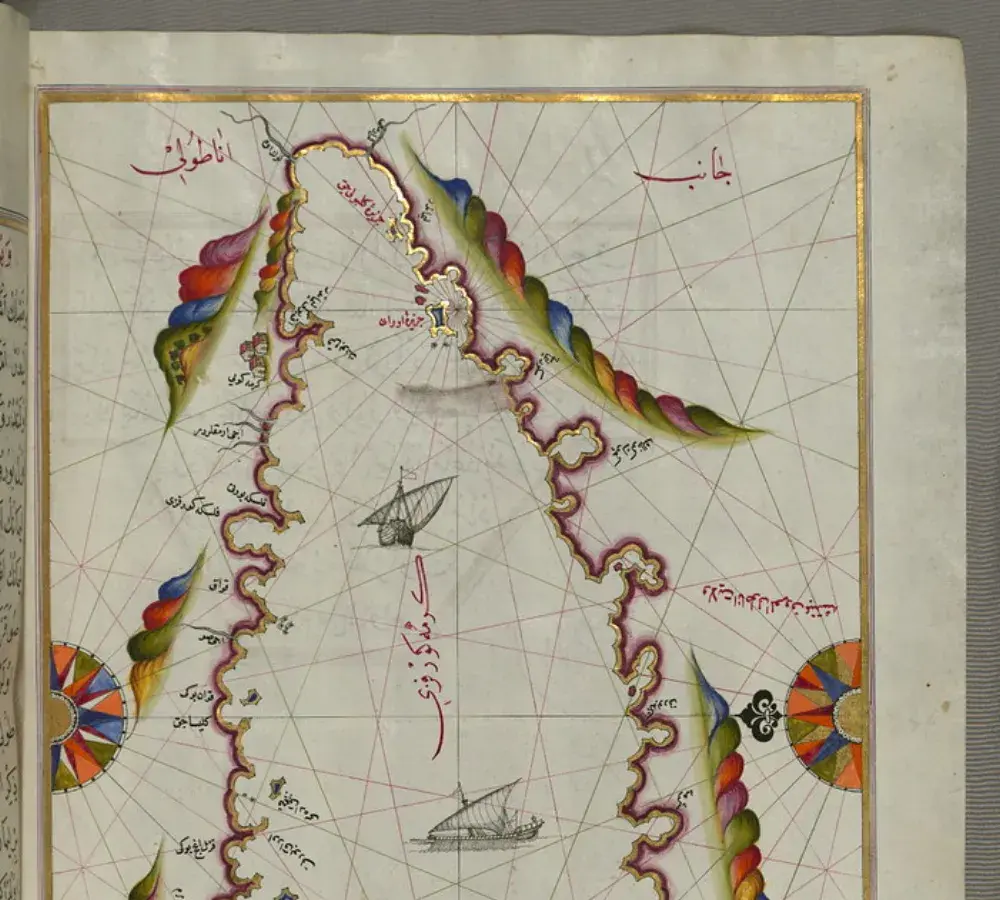
Suahi keele kirjalik traditsioon ulatub 13. sajandisse
Enne ladina tähestiku kasutuselevõttu koloniaalperioodil kirjutati suahi keelt araabia kirjas, mida selles vormis tuntakse kui Ajami. Randade käsikirjad Lamust, Sansibarilt ja Mombasast, mis pärinevad 13. sajandist, sisaldavad luulet, religioosseid kommentaare ja kaubandusõigust suahi keeles, mis on foneetiliselt araabia tähtedega esitatud. See koloniaalieelne kirjalik traditsioon on üks Sahara-taguse Aafrika vanimaid ja on kaasaegse suahi sõnavara ulatusliku araabiakeelse laensõnavara kihi allikas. Sõnad kontseptsioonide jaoks nagu seadus (sheria, araabia keelest shari'a), aeg (saa, araabia keelest sa'a) ja kaubandus (biashara, araabia keelest bi al-ishara) sisenesid keelde selle sajanditepikkuse kirjaliku ja kaubandusliku kontakti kaudu.
Tänapäeval kasutatakse kõigis ametlikes suahi dokumentides ladina tähestikku ja keelel on standardiseeritud kirjalik vorm, mida säilitavad sellised organid nagu Baraza la Kiswahili la Taifa (BAKITA) Tansaanias ja Chama cha Kiswahili cha Taifa (CHAKITA) Keenias. Valitsuse vormid, kohtudokumendid, valitsusväliste organisatsioonide sektoriraportid ja Ida-Aafrika Ühenduse kaubandusdokumendid toodetakse selles standardiseeritud kirjalikus registris. Tõlkijate ja tõlketööriistade jaoks on praktiline ülesanne alati kaasaegne ladina kirjas suahi keel. Ajaloolised Ajami dokumendid nõuavad automatiseeritud tõlke asemel spetsialistide teaduslikku käsitlust.
Dokumendid, mida inimesed tõlgivad inglise ja suahi keele vahel
Suahi keele roll Ida-Aafrika Ühenduse töökeelena, selle ametlik staatus viies riigis ja kasvav diaspora Ühendkuningriigis ja Kanadas loob pideva nõudluse dokumentide tõlkimiseks mõlemas suunas. Kõige tavalisemad dokumenditüübid hõlmavad:
- Ida-Aafrika Ühenduse kaubandusdokumendid, piiriülesed ärilepingud ja piirkondlikud regulatiivsed esildised, mis on toodetud suahi keeles ettevõtetele, kes tegutsevad Tansaania, Kenya, Uganda, Rwanda ja Kongo Demokraatliku Vabariigi kaudu
- Keenia ja Tansaania valitsuse vormid, sealhulgas riiklikud isikutunnistused, sünnitunnistused ja abielutunnistused, mis on vajalikud Ühendkuningriigi ja Kanada immigratsiooniprotseduuride jaoks
- Valitsusväliste organisatsioonide sektoriraportid, kogukonna terviseuuringud ja arenguprogrammide dokumendid, mille on tootnud Ida-Aafrika suahi keelt kõnelevates kogukondades tegutsevad organisatsioonid
- Tansaania ja Keenia ülikoolide akadeemilised ärakirjad ja diplomid, mis esitatakse tunnustamiseks ingliskeelsetes riikides
- Juriidilised dokumendid, sealhulgas kohtumäärused, kinnisvaratemplid ja volikirjad, mis pärinevad Tansaania või Keenia kohtutest
- Meditsiinilised dokumendid ja kliiniliste uuringute dokumentatsioon, mille on tootnud Tansaania või Keenia tervishoiuteenuse osutajad rahvusvaheliste partnerite ülevaatamiseks
AI-tõlge toodab kasulikke tööversioone suahi keeles olevate PDF-ide lugemiseks ja mõistmiseks. Ametlikud esildised immigratsiooniasutustele, kohtutele või valitsusasutustele nõuavad tavaliselt sertifitseeritud tõlget, mille on koostanud ja allkirjastanud kvalifitseeritud inimtõlkija. Eriti USCIS-i esildiste puhul vaadake enne mis tahes suahi keele dokumendi esitamist immigratsioonieesmärkidel juhendit USCIS-i tõlkenõuded.
Suahi PDF-tõlke hinnad
Registreeruge tasuta, makske dokumendi eest ja uuendage vastavalt oma tõlkevajadustele.
Free
Kaardiandmeid pole registreerumiseks vaja
- 0,005 $ / sõna tehisintellekti tõlge
- 1 $ lehekülje eest skannitud ja pildiga PDF-ide puhul
- 108 keelt
- Failid kuni 20 MB ja 20 lehekülge
- DOCX, PDF, XLSX, PPTX, IDML, TXT, JPG, PNG ja CSV
- Ainult 24-tunnine failide salvestusruum
- PDF-redaktor ja PDF-failide teisendaja DOCX-vormingusse
Põhi
Kõige populaarsemArveldatakse igal nädalal · tühistamine igal ajal
Arveldatakse kord kuus
Arveldatakse kord aastas · säästate 33%
- AI-tõlge iga kuu
- Seejärel 0,005 $/sõna AI-tõlge
- Failid kuni 100 MB ja 300 lehekülge
- DOCX, PDF, XLSX, PPTX, IDML, TXT, JPG, PNG ja CSV
- OCR skannitud dokumentidele
- Dokumendi salvestusruum
- Prioriteetne tugi
- 7-päevane tasuta prooviversioon igakuise paketiga
- Tühista igal ajal
Pro
Arveldatakse kord kuus
Arveldatakse kord aastas · säästate 34%
- AI-tõlge iga kuu
- Seejärel 0,004 $/sõna AI-tõlge
- Failid kuni 1 GB ja 5000 lehekülge
- DOCX, PDF, XLSX, PPTX, IDML, TXT, JPG, PNG ja CSV
- Sõnastik
- Prioriteetne järjekord
- 5 meeskonnaliiget
- API-päringud · 1000 lehekülge kuus
- MCP juurdepääs AI assistentidele
- Tühista igal ajal
Äri
Arveldatakse kord kuus
Arveldatakse kord aastas · säästate 33%
- AI-tõlge iga kuu
- Seejärel 0,003 $/sõna AI-tõlge
- Failid kuni 1 GB ja 5000 lehekülge
- DOCX, PDF, XLSX, PPTX, IDML, TXT, JPG, PNG ja CSV
- Sõnastik
- Prioriteetne järjekord
- 15 meeskonnaliiget
- API-päringud · 5000 lehekülge kuus
- MCP juurdepääs AI assistentidele
- Tühista igal ajal
Ettevõtetele
Vajate rohkem mahtu, arveldamist või kohandatud lepingut? Rääkige meiega Enterprise paketist.
Kuidas oma PDF-faili suahiili tõlkida
Loo tasuta konto
Registreeru oma e-posti aadressiga, et pääseda juurde veebipõhisele tõlkepaneelile.
Laadige üles oma PDF-fail
Lohistage ja kukutage oma fail või sirvige, et see valida. Pro ja Äri paketiga toetatakse faile kuni 1 GB.
Valige sihtkeeleks suahiili
Valige oma PDF-faili algne keel ja määrake sihtkeeleks suahiili. Väljundis käsitletakse nimisõna klasside kokkulepet ja standardse kirjaliku suahiili liitverbi vorme.
Tõlgi ja laadi alla
Klõpsake nuppu „Tõlgi“ ja oodake mõni hetk. Teie tõlgitud PDF-fail on suahiili keeles allalaadimiseks valmis, säilitades algse kujunduse.
Inglise keelest suahiili keelde PDF-failide tõlkimise KKK
Kas suahi keeles on erimärke, mis põhjustavad PDF-i renderdamisel probleeme?
Ei. Suahi keel on kirjutatud täielikult standardse ladina tähestikuga, ilma diakriitiliste märkideta ja ilma tähemärkideta väljaspool põhilist ASCII-vahemikku. Iga kirjaliku suahi keele täht vastab standardsele klaviatuurimärgile, nii et tõlgitud PDF-id kuvatakse õigesti mis tahes vaatajas mis tahes operatsioonisüsteemis ilma fondiasenduse, kodeerimisest tulenevate probleemide või paremalt-vasakule lugemise probleemideta. See muudab suahi keele üheks tehniliselt lihtsamaks Aafrika keeleks, mida PDF-väljundis renderdada.
Kuidas bantu nimisõnaklassisüsteem mõjutab suahi PDF-i tõlke kvaliteeti?
Suahi keeles on üle kaheksa grammatilise nimisõnaklassi, millest igaühel on spetsiifiline prefiks. Iga nimisõna kuulub ühte klassi ja seda klassiprefiksi peab peegeldama verb, omadussõna, asesõna ja demonstratiiv samas lauses. Näiteks 3. klassi nimisõna „mti“ (puu) võtab mitmuses prefiksi „mi-“ („miti“) ja käivitab omadussõnadel ja verbidel „u-“ kooskõla. Tehisintellekti mudel, mis määrab õigesti nimisõnaklassid ja levitab prefiksikooskõla kogu lauses, toodab loomulikult kõlavat suahi keelt. Suahi keele suurte korpustega treenitud mudelid töötlevad standardset dokumendisõnavara hästi.
Kas tõlgitud suahi dokumentides on vaja arvestada registri või dialektierinevustega?
Standardne kirjalik suahi keel, mida mõnikord nimetatakse Kiswahili Sanifu'ks, on vorm, mida kasutatakse ametlikes dokumentides, riiklikes vormides, ajalehtedes ja akadeemilistes väljaannetes Tansaanias, Keenia, Uganda, Rwanda ja Kongo Demokraatlikus Vabariigis. See põhineb Sansibari dialektil ja seda haldavad standardimisorganid nii Tansaanias kui ka Keenia. Kolokiaalne suahi keel varieerub piirkonniti märkimisväärselt, kusjuures Sheng (Nairobi linnakeskkond, kus segatakse suahi ja inglise keelt) on silmapaistev näide. DocTranslator toodab standardset kirjalikku suahi keelt, mis sobib kõikidele ametlikele dokumenditüüpidele.
Milliseid suahi dokumente tõlgitakse kõige sagedamini immigratsiooni eesmärgil?
Kõige sagedamini tõlgitavad dokumenditüübid on Keenia ja Tansaania sünnitunnistused, riiklikud isikutunnistused, abielu- ja lahutustunnistused ning politseipuhastuse tunnistused, mis esitatakse viisa- ja elamisloa taotlemiseks Ühendkuningriigis ja Kanadas. Ida-Aafrika diasporaa kogukonnad Ühendkuningriigis on eriti suured Keeniast, Ugandast ja Tansaania. Ametlike sisserändedokumentide esitamiseks on vajalik sertifitseeritud tõlge, mille on üle vaadanud ja allkirjastanud kvalifitseeritud tõlkija, mitte AI-põhine mustand.
Kui suurt suahi PDF-i ma saan tõlkida ja kas on olemas prooviversiooni võimalus?
Failid kuni 1 GB ja 5000 lehekülge töötlevad Pro ja Business plaanid, 100 MB ja 300 lehekülge Basic plaan, ja 20 MB ja 20 lehekülge tasuta plaan. Mis puudutab prooviversiooni, siis igakuine Basic plaan algab 7 tasuta päevaga ja nõuab kaarti. Lühike näidis, hinnaga alates 0,99 $, on piisav, et kontrollida, kuidas swhiili keele valitsuse vormi või valitsusvälise organisatsiooni aruannet enne täieliku dokumendi töötlemist käsitletakse. Kuna swhiili keel ei kasuta täpitähti, ilmub väljund kohe mis tahes standard PDF-vaaturis õigesti.
Kas ma saan tõlkida suahi keelest inglise keelde ja ka inglise keelest suahi keelde?
Jah. Suahi-inglise paar töötab mõlemas suunas. Suahi PDF-i tõlkimine inglise keelde on tavaline valitsusväliste organisatsioonide jaoks, kes jagavad väljaruandeid rahvusvaheliste doonoritega, ettevõtete jaoks, kes vaatavad läbi Ida-Aafrika Ühenduse kaubandusdokumente, ja diaspora liikmete jaoks, kes jagavad Keenia või Tansaania riiklikke vorme ingliskeelsete institutsioonidega. Inglise keelest suahi keelde tõlkimine on tavaline organisatsioonide jaoks, kes levitavad materjale Ida-Aafrika publikule, ja ettevõtete jaoks, kes sisenevad Ida-Aafrika turule.
Miks sisaldab suahi keel nii palju araabiakeelseid sõnu ja kas see mõjutab tõlkimist?
Umbes 35 protsenti suahi sõnavarast pärineb araabia keelest, mis on sajanditepikkuse kaubanduse tulemus Ida-Aafrika rannikulinnade ja Araabia poolsaare vahel. Sõnad kontseptsioonidele nagu seadus (sheria), aeg (saa), raamat (kitabu), kaubandus (biashara) ja religioon (dini) pärinevad kõik araabia keelest. Need laensõnad on täielikult integreeritud suahi grammatikasse ja käituvad nagu emakeelsed sõnad, võttes vastu bantu nimisõnaklassi prefikseid ja suahi verbi kooskõlastusmustreid. Suahi tekstiga treenitud tehisintellekti tõlkemudelid töötlevad neid laensõnu õigesti standardse sõnavara osana, mitte ei käsitle neid võõra lisandina.
Tõlkige oma PDF-fail suahiili keelde juba täna
DocTranslator teisendab PDF-faile suahiili keelde veebis, käsitledes bantu nimisõna klasside kokkulepet, liitverbi vorme ja araabia laensõnavara, säilitades samal ajal teie dokumendi kujunduse ja toetades kuni 1 GB suuruseid faile.
Seotud tööriistad
Tõlgi PDF keele järgi
Dokumenditüübid
Meie partnerid