
Dịch PDF sang tiếng Swahili
Chuyển đổi PDF sang tiếng Swahili với sự đồng nhất về lớp danh từ Bantu, hình thức động từ chắp dính và từ vựng vay mượn từ tiếng Ả Rập được xử lý chính xác. Bảng chữ cái Latinh không có dấu phụ có nghĩa là hiển thị rõ ràng trên tất cả các trình xem PDF. Bố cục và định dạng được bảo toàn. Tệp lên đến 1 GB.
Tải lên hoặc kéo thả tài liệu để dịch
Dung lượng tệp tối đa 1 GB
- OCR cho ảnh scan và ảnh chụp
- 108 ngôn ngữ
- Giữ nguyên bố cục gốc
Điều gì xảy ra khi bạn dịch PDF sang tiếng Swahili
Tiếng Swahili được viết bằng bảng chữ cái Latinh không có dấu phụ, nghĩa là dịch PDF sang tiếng Swahili tránh được các sự cố hiển thị phông chữ phổ biến với các ngôn ngữ đầu ra như tiếng Ả Rập, tiếng Thái hoặc tiếng Việt. Mọi chữ cái trong tiếng Swahili đều ánh xạ trực tiếp đến một ký tự ASCII tiêu chuẩn, vì vậy văn bản đã dịch hiển thị chính xác trong bất kỳ trình xem PDF nào trên bất kỳ hệ điều hành nào mà không cần thay thế phông chữ hoặc sự cố mã hóa. Thách thức trong dịch thuật tiếng Swahili không phải là hiển thị chữ viết mà là cấu trúc ngữ pháp. Tiếng Swahili là một ngôn ngữ Bantu với hệ thống lớp danh từ chi phối sự đồng nhất giữa danh từ, động từ, tính từ, đại từ và từ chỉ định đồng thời. Có hơn tám lớp danh từ ngữ pháp, mỗi lớp được gán một tiền tố phải được lặp lại bởi mọi từ trong câu đề cập đến danh từ đó. Dịch một câu chính xác đòi hỏi phải gán đúng lớp cho mỗi danh từ và áp dụng tiền tố phù hợp cho mọi yếu tố đồng nhất trong toàn bộ câu.
Động từ tiếng Swahili có tính chắp dính, nghĩa là thì, chủ ngữ, tân ngữ và phủ định đều được hợp nhất vào một hình thức động từ duy nhất thay vì được diễn đạt thông qua các từ phụ trợ riêng biệt. Động từ "nitakusaidia" (tôi sẽ giúp bạn) chứa tiền tố chủ ngữ "ni-" (tôi), dấu hiệu thì tương lai "-ta-", tiền tố tân ngữ "-ku-" (bạn), và gốc "-saidia" (giúp đỡ), tất cả trong một từ không bị ngắt quãng. Một công cụ dịch phải phân tách và tái cấu trúc các hình thức đa hình vị này một cách chính xác để đầu ra tự nhiên về mặt ngữ pháp. Khoảng 35% từ vựng tiếng Swahili có nguồn gốc từ tiếng Ả Rập, di sản của nhiều thế kỷ giao thương trên Ấn Độ Dương giữa Đông Phi và Bán đảo Ả Rập. Những từ vay mượn này xuất hiện thường xuyên trong các tài liệu pháp lý, thương mại và tôn giáo và phải được nhận dạng và tái tạo chính xác thay vì dịch ngược thành các cấu trúc vụng về.
Tiếng Swahili được nói bởi hơn 200 triệu người trên khắp Đông và Trung Phi. Đây là ngôn ngữ chính thức của Tanzania, Kenya, Uganda, Rwanda và Cộng hòa Dân chủ Congo, và nó đóng vai trò là ngôn ngữ làm việc của Cộng đồng Đông Phi. Tanzania có số lượng người bản ngữ lớn nhất, với tiếng Swahili là ngôn ngữ chính trong đời sống công cộng, giáo dục và chính phủ. Ở Kenya, nó đồng chính thức với tiếng Anh và được sử dụng trong tất cả các thể chế chính thức. Ngôn ngữ này không có thanh điệu ngữ pháp, điều này phân biệt nó với nhiều ngôn ngữ châu Phi khác và đơn giản hóa thách thức dịch văn bản so với các ngôn ngữ Bantu có thanh điệu như tiếng Zulu hoặc tiếng Shona.
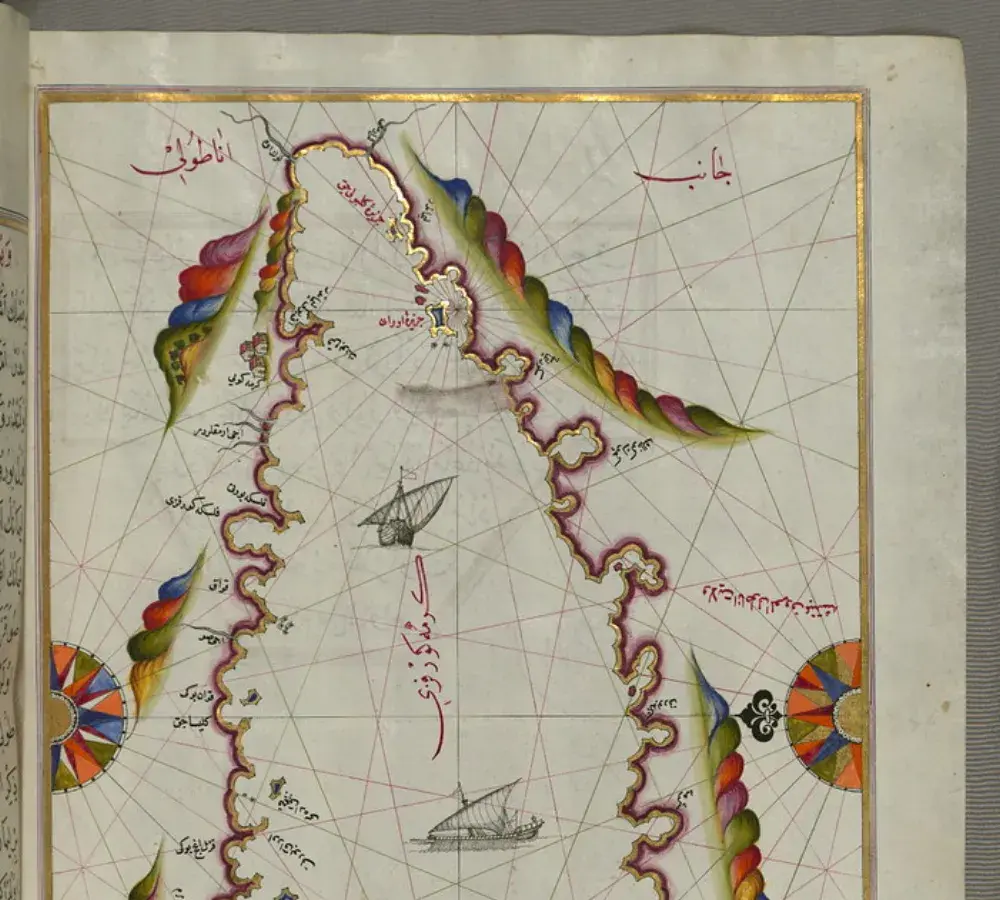
Truyền thống viết của tiếng Swahili kéo dài trở lại thế kỷ 13
Trước khi áp dụng bảng chữ cái Latinh trong thời kỳ thuộc địa, tiếng Swahili được viết bằng chữ Ả Rập, được gọi dưới dạng này là Ajami. Các bản thảo ven biển từ Lamu, Zanzibar và Mombasa có niên đại từ thế kỷ 13 ghi lại thơ ca, bình luận tôn giáo và luật thương mại bằng tiếng Swahili được phiên âm bằng chữ cái Ả Rập. Truyền thống viết tiền thuộc địa này là một trong những truyền thống lâu đời nhất ở châu Phi hạ Sahara và là nguồn gốc của lớp từ vay mượn tiếng Ả Rập phong phú trong từ vựng tiếng Swahili hiện đại. Các từ cho các khái niệm như luật (sheria, từ tiếng Ả Rập shari'a), thời gian (saa, từ tiếng Ả Rập sa'a) và thương mại (biashara, từ tiếng Ả Rập bi al-ishara) đã du nhập vào ngôn ngữ thông qua mối liên hệ văn bản và thương mại kéo dài hàng thế kỷ này.
Ngày nay, tất cả các tài liệu chính thức bằng tiếng Swahili đều sử dụng bảng chữ cái Latinh và ngôn ngữ này có một hình thức viết được chuẩn hóa do các cơ quan như Baraza la Kiswahili la Taifa (BAKITA) ở Tanzania và Chama cha Kiswahili cha Taifa (CHAKITA) ở Kenya duy trì. Các biểu mẫu chính phủ, tài liệu tòa án, báo cáo ngành NGO và tài liệu thương mại của Cộng đồng Đông Phi được sản xuất bằng văn phong viết được chuẩn hóa này. Đối với người dịch và công cụ dịch thuật, nhiệm vụ thực tế luôn là với tiếng Swahili viết bằng chữ Latinh hiện đại. Các tài liệu Ajami lịch sử đòi hỏi sự xử lý chuyên môn của các học giả thay vì dịch tự động.
Các tài liệu mọi người dịch giữa tiếng Anh và tiếng Swahili
Sự kết hợp giữa vai trò của tiếng Swahili là ngôn ngữ làm việc của Cộng đồng Đông Phi, tình trạng chính thức của nó ở năm quốc gia và cộng đồng người di cư ngày càng tăng ở Vương quốc Anh và Canada tạo ra nhu cầu nhất quán về dịch thuật tài liệu theo cả hai hướng. Các loại tài liệu phổ biến nhất bao gồm:
- Tài liệu thương mại của Cộng đồng Đông Phi, hợp đồng thương mại xuyên biên giới và các hồ sơ pháp lý khu vực được sản xuất bằng tiếng Swahili cho các doanh nghiệp hoạt động tại Tanzania, Kenya, Uganda, Rwanda và DRC
- Các biểu mẫu chính phủ Kenya và Tanzania bao gồm thẻ căn cước quốc gia, giấy khai sinh, giấy đăng ký kết hôn cần thiết cho thủ tục nhập cư tại Vương quốc Anh và Canada
- Báo cáo ngành NGO, nghiên cứu y tế cộng đồng và tài liệu chương trình phát triển do các tổ chức hoạt động trong các cộng đồng nói tiếng Swahili ở Đông Phi sản xuất
- Bảng điểm học tập và bằng cấp từ các trường đại học Tanzania và Kenya được nộp để công nhận văn bằng ở các quốc gia nói tiếng Anh
- Tài liệu pháp lý bao gồm lệnh tòa án, giấy chứng nhận quyền sở hữu, giấy ủy quyền có nguồn gốc từ tòa án Tanzania hoặc Kenya
- Hồ sơ y tế và tài liệu thử nghiệm lâm sàng do các nhà cung cấp dịch vụ chăm sóc sức khỏe ở Tanzania hoặc Kenya sản xuất để các đối tác quốc tế xem xét
Dịch thuật bằng AI tạo ra các bản nháp hữu ích để đọc và hiểu các tệp PDF bằng tiếng Swahili. Các hồ sơ chính thức nộp cho cơ quan di trú, tòa án hoặc văn phòng chính phủ thường yêu cầu bản dịch được chứng nhận do người dịch có trình độ chuẩn bị và ký. Đặc biệt đối với các hồ sơ USCIS, hãy xem hướng dẫn yêu cầu dịch thuật của USCIS trước khi nộp bất kỳ tài liệu tiếng Swahili nào cho mục đích nhập cư.
Bảng giá dịch PDF tiếng Swahili
Đăng ký miễn phí, thanh toán theo từng tài liệu và nâng cấp khi nhu cầu dịch thuật của bạn tăng lên.
Free
Không cần thẻ để đăng ký
- Dịch thuật AI với giá 0,005 USD/từ
- 1 đô la mỗi trang cho bản quét và PDF hình ảnh
- 108 ngôn ngữ
- Tệp lên đến 20 MB và 20 trang
- DOCX, PDF, XLSX, PPTX, IDML, TXT, JPG, PNG và CSV
- Chỉ lưu trữ tệp trong 24 giờ
- Trình chỉnh sửa PDF và công cụ chuyển đổi PDF sang DOCX
Cơ bản
Phổ biến nhấtThanh toán hàng tuần · hủy bất kỳ lúc nào
Thanh toán hàng tháng
Thanh toán một lần mỗi năm · tiết kiệm 33%
- bản dịch AI được bao gồm mỗi tháng
- Sau đó 0,005 USD/từ dịch thuật AI
- Tệp dung lượng lên tới 100 MB và 300 trang
- DOCX, PDF, XLSX, PPTX, IDML, TXT, JPG, PNG và CSV
- OCR cho tài liệu quét
- Lưu trữ tài liệu
- Hỗ trợ ưu tiên
- Dùng thử miễn phí 7 ngày với gói hàng tháng
- Hủy bất kỳ lúc nào
Pro
Thanh toán hàng tháng
Thanh toán một lần mỗi năm · tiết kiệm 34%
- bản dịch AI được bao gồm mỗi tháng
- Sau đó 0,004 USD/từ dịch thuật AI
- Tệp dung lượng lên tới 1 GB và 5.000 trang
- DOCX, PDF, XLSX, PPTX, IDML, TXT, JPG, PNG và CSV
- Thuật ngữ
- Hàng đợi ưu tiên
- 5 chỗ cho nhóm
- Yêu cầu API · 1.000 trang mỗi tháng
- Truy cập MCP cho trợ lý AI
- Hủy bất kỳ lúc nào
Doanh nghiệp
Thanh toán hàng tháng
Thanh toán một lần mỗi năm · tiết kiệm 33%
- bản dịch AI được bao gồm mỗi tháng
- Sau đó 0,003 USD/từ dịch thuật AI
- Tệp dung lượng lên tới 1 GB và 5.000 trang
- DOCX, PDF, XLSX, PPTX, IDML, TXT, JPG, PNG và CSV
- Thuật ngữ
- Hàng đợi ưu tiên
- 15 chỗ cho nhóm
- Yêu cầu API · 5.000 trang mỗi tháng
- Truy cập MCP cho trợ lý AI
- Hủy bất kỳ lúc nào
Doanh nghiệp
Cần thêm dung lượng, hóa đơn hoặc thỏa thuận tùy chỉnh? Nói chuyện với chúng tôi về gói Enterprise.
Dịch PDF sang tiếng Swahili như thế nào
Tạo tài khoản miễn phí
Đăng ký bằng email của bạn để truy cập bảng điều khiển dịch thuật trực tuyến.
Tải lên tệp PDF của bạn
Kéo và thả tệp của bạn hoặc duyệt để chọn tệp. Các tệp dung lượng lên tới 1 GB được hỗ trợ trên các gói Pro và Business.
Chọn tiếng Swahili làm ngôn ngữ đích
Chọn ngôn ngữ gốc của PDF và đặt tiếng Swahili làm ngôn ngữ đích. Bản dịch sẽ xử lý sự hòa hợp lớp danh từ và các dạng động từ ghép trong tiếng Swahili viết chuẩn.
Dịch và tải xuống
Nhấn "Dịch" và đợi vài giây. Bản PDF đã dịch của bạn sẽ sẵn sàng để tải xuống bằng tiếng Swahili với bố cục gốc được giữ nguyên.
Câu hỏi thường gặp về dịch PDF từ tiếng Anh sang tiếng Swahili
Tiếng Swahili có sử dụng ký tự đặc biệt nào gây ra sự cố hiển thị PDF không?
Không. Tiếng Swahili được viết hoàn toàn bằng bảng chữ cái Latinh tiêu chuẩn, không có dấu phụ và không có ký tự nào nằm ngoài phạm vi ASCII cơ bản. Mọi chữ cái trong tiếng Swahili viết đều tương ứng với một ký tự bàn phím tiêu chuẩn, vì vậy các tệp PDF được dịch sẽ hiển thị chính xác trong mọi trình xem trên mọi hệ điều hành mà không cần thay thế phông chữ, lỗi mã hóa hoặc sự cố hiển thị từ phải sang trái. Điều này làm cho tiếng Swahili trở thành một trong những ngôn ngữ châu Phi đơn giản nhất về mặt kỹ thuật để hiển thị trong kết quả đầu ra PDF.
Hệ thống lớp danh từ Bantu ảnh hưởng đến chất lượng dịch PDF tiếng Swahili như thế nào?
Tiếng Swahili có hơn tám lớp danh từ ngữ pháp, mỗi lớp mang một tiền tố cụ thể. Mọi danh từ thuộc về một lớp, và tiền tố lớp đó phải được phản chiếu bởi động từ, tính từ, đại từ và từ chỉ định trong cùng một câu. Ví dụ, danh từ lớp 3 "mti" (cây) nhận tiền tố "mi-" ở số nhiều ("miti") và kích hoạt sự nhất quán "u-" trên tính từ và động từ. Một mô hình AI gán đúng các lớp danh từ và truyền sự nhất quán tiền tố trong toàn bộ câu sẽ tạo ra tiếng Swahili nghe tự nhiên. Các mô hình được đào tạo trên kho ngữ liệu tiếng Swahili lớn xử lý tốt từ vựng tài liệu tiêu chuẩn.
Có sự khác biệt về văn phong hoặc phương ngữ nào tôi cần lưu ý trong các tài liệu tiếng Swahili đã dịch không?
Tiếng Swahili viết tiêu chuẩn, đôi khi được gọi là Kiswahili Sanifu, là hình thức được sử dụng trong các tài liệu chính thức, biểu mẫu chính phủ, báo chí và các ấn phẩm học thuật trên khắp Tanzania, Kenya, Uganda, Rwanda và Cộng hòa Dân chủ Congo. Nó dựa trên phương ngữ Zanzibar và được duy trì bởi các cơ quan tiêu chuẩn hóa ở cả Tanzania và Kenya. Tiếng Swahili giao tiếp thay đổi đáng kể theo từng vùng, với Sheng (một sự pha trộn đô thị Nairobi giữa tiếng Swahili và tiếng Anh) là một ví dụ nổi bật. DocTranslator xuất ra tiếng Swahili viết tiêu chuẩn, phù hợp với tất cả các loại tài liệu chính thức.
Những tài liệu tiếng Swahili nào thường được dịch nhất cho mục đích nhập cư?
Các loại tài liệu thường gặp nhất là giấy khai sinh, chứng minh nhân dân, giấy chứng nhận kết hôn và ly hôn của Kenya và Tanzania, và giấy chứng nhận lý lịch tư pháp được nộp cho các đơn xin thị thực và cư trú tại Vương quốc Anh và Canada. Cộng đồng người gốc Đông Phi ở Vương quốc Anh đặc biệt đông đảo từ Kenya, Uganda và Tanzania. Đối với các hồ sơ nhập cư chính thức, một bản dịch được chứng nhận được xem xét và ký bởi người dịch có trình độ là yêu cầu bắt buộc, thay vì bản nháp do AI tạo ra.
Tôi có thể dịch tệp PDF tiếng Swahili có dung lượng lớn đến mức nào và có tùy chọn dùng thử không?
Các tệp lên đến 1 GB và 5.000 trang được xử lý trên Gói Pro và Doanh nghiệp, 100 MB và 300 trang trên Gói Cơ bản, và 20 MB và 20 trang trên Gói Miễn phí. Đối với bản dùng thử, gói Cơ bản hàng tháng bắt đầu với 7 ngày miễn phí và yêu cầu thẻ tín dụng. Một mẫu ngắn, có giá từ 0,99 đô la, là đủ để xác minh cách xử lý một biểu mẫu chính phủ hoặc báo cáo NGO bằng tiếng Swahili trước khi cam kết dịch toàn bộ tài liệu. Vì tiếng Swahili không sử dụng dấu phụ, kết quả sẽ hiển thị chính xác trong bất kỳ trình xem PDF tiêu chuẩn nào ngay lập tức.
Tôi có thể dịch từ tiếng Swahili sang tiếng Anh cũng như từ tiếng Anh sang tiếng Swahili không?
Có. Cặp ngôn ngữ Swahili-Anh hoạt động theo cả hai chiều. Dịch PDF tiếng Swahili sang tiếng Anh là phổ biến đối với các tổ chức phi chính phủ chia sẻ báo cáo thực địa với các nhà tài trợ quốc tế, đối với các doanh nghiệp xem xét tài liệu thương mại của Cộng đồng Đông Phi và đối với các thành viên cộng đồng hải ngoại chia sẻ các biểu mẫu chính phủ Kenya hoặc Tanzania với các tổ chức nói tiếng Anh. Dịch từ tiếng Anh sang tiếng Swahili là phổ biến đối với các tổ chức phân phát tài liệu cho khán giả Đông Phi và đối với các doanh nghiệp gia nhập thị trường Đông Phi.
Tại sao tiếng Swahili lại chứa nhiều từ gốc Ả Rập và điều này có ảnh hưởng đến việc dịch thuật không?
Khoảng 35% từ vựng tiếng Swahili có nguồn gốc từ tiếng Ả Rập, kết quả của nhiều thế kỷ giao thương giữa các thành phố ven biển Đông Phi và Bán đảo Ả Rập. Các từ cho các khái niệm như luật (sheria), thời gian (saa), sách (kitabu), thương mại (biashara) và tôn giáo (dini) đều có nguồn gốc từ tiếng Ả Rập. Những từ mượn này được tích hợp hoàn toàn vào ngữ pháp tiếng Swahili và hoạt động như các từ bản địa, nhận tiền tố lớp danh từ Bantu và các mẫu nhất quán động từ tiếng Swahili. Các mô hình dịch thuật AI được đào tạo trên văn bản tiếng Swahili xử lý các từ mượn này một cách chính xác như một phần của từ vựng tiêu chuẩn thay vì coi chúng là các yếu tố nước ngoài.
Dịch PDF sang tiếng Swahili ngay hôm nay
DocTranslator chuyển đổi PDF sang tiếng Swahili trực tuyến, xử lý sự hòa hợp lớp danh từ Bantu, các dạng động từ ghép và từ vựng vay mượn tiếng Ả Rập, đồng thời giữ nguyên bố cục tài liệu của bạn và hỗ trợ các tệp lên đến 1 GB.
Công cụ liên quan
Dịch PDF theo Ngôn ngữ
Các loại tài liệu
Đối tác của chúng tôi