Dịch PDF sang tiếng Ả Rập
Chuyển đổi PDF tiếng Anh sang tiếng Ả Rập với bố cục từ phải sang trái đầy đủ được phản chiếu tự động: các cột chuyển đổi vị trí, lề đảo ngược và thứ tự đọc điều chỉnh để đầu ra tiếng Ả Rập đọc tự nhiên từ phải sang trái. Tệp lên đến 1 GB.
Tải lên hoặc kéo thả tài liệu để dịch
Dung lượng tệp tối đa 1 GB
- OCR cho ảnh scan và ảnh chụp
- 108 ngôn ngữ
- Giữ nguyên bố cục gốc
Điều gì xảy ra khi bạn dịch PDF sang tiếng Ả Rập
Tiếng Ả Rập được viết từ phải sang trái, nghĩa là một tệp PDF tiếng Anh không chỉ cần hoán đổi từ ngữ. Toàn bộ cấu trúc trực quan của tài liệu phải được phản chiếu. Các cột chạy từ trái sang phải chuyển đổi vị trí. Các lề rộng bên trái trở nên rộng bên phải. Thứ tự đọc đảo ngược để người đọc di chuyển từ phải sang trái gặp văn bản theo đúng trình tự. DocTranslator xử lý điều này tự động, vì vậy đầu ra tiếng Ả Rập không chỉ đơn thuần là các từ được dán vào khung tiếng Anh cũ mà là một tài liệu được định hướng đúng.
Các chữ cái tiếng Ả Rập cũng nhạy cảm với ngữ cảnh theo cách mà các chữ cái Latinh không có. Mỗi chữ cái có tới bốn hình dạng khác nhau tùy thuộc vào vị trí của nó trong một từ: hình dạng ban đầu ở đầu, hình dạng giữa ở giữa, hình dạng cuối cùng ở cuối và hình dạng cô lập khi chữ cái đứng một mình. Các hình dạng này kết nối để tạo thành một đường nét liền mạch ngay cả trong văn bản in. Các dấu nguyên âm ngắn thường bị bỏ qua trong tiếng Ả Rập viết trang trọng, vì vậy người đọc suy luận chúng từ ngữ cảnh. Đây là tiêu chuẩn trong Tiếng Ả Rập Hiện đại Chuẩn, một dạng viết trang trọng được sử dụng trong các tài liệu chính thức, tin tức và thư từ kinh doanh. Các phương ngữ nói của các vùng khác nhau đáng kể, nhưng đối với dịch thuật tài liệu, Tiếng Ả Rập Hiện đại Chuẩn là đích đến phù hợp.
Việc lựa chọn phông chữ cũng quan trọng hơn đối với tiếng Ả Rập so với hầu hết các ngôn ngữ viết bằng chữ Latinh. Văn bản tiếng Ả Rập trong PDF thường sử dụng các kiểu chữ cụ thể theo vùng: Naskh là kiểu chữ thân chính được sử dụng trên hầu hết các tài liệu chính thức, trong khi Kufi và các kiểu trang trí khác xuất hiện trong tiêu đề và thương hiệu. Các con số bổ sung thêm một lớp: các vùng nói tiếng Ả Rập đôi khi sử dụng các chữ số Ả Rập phương Đông (chuỗi ٠١٢٣٤٥٦٧٨٩) cùng với các chữ số phương Tây quen thuộc từ tiếng Anh. Đầu ra bản dịch bảo toàn định dạng số như chúng xuất hiện trong nguồn, và phông chữ được nhúng bao phủ bộ ký tự tiếng Ả Rập đầy đủ để không có gì hiển thị dưới dạng hình vuông trống hoặc ký tự thay thế.
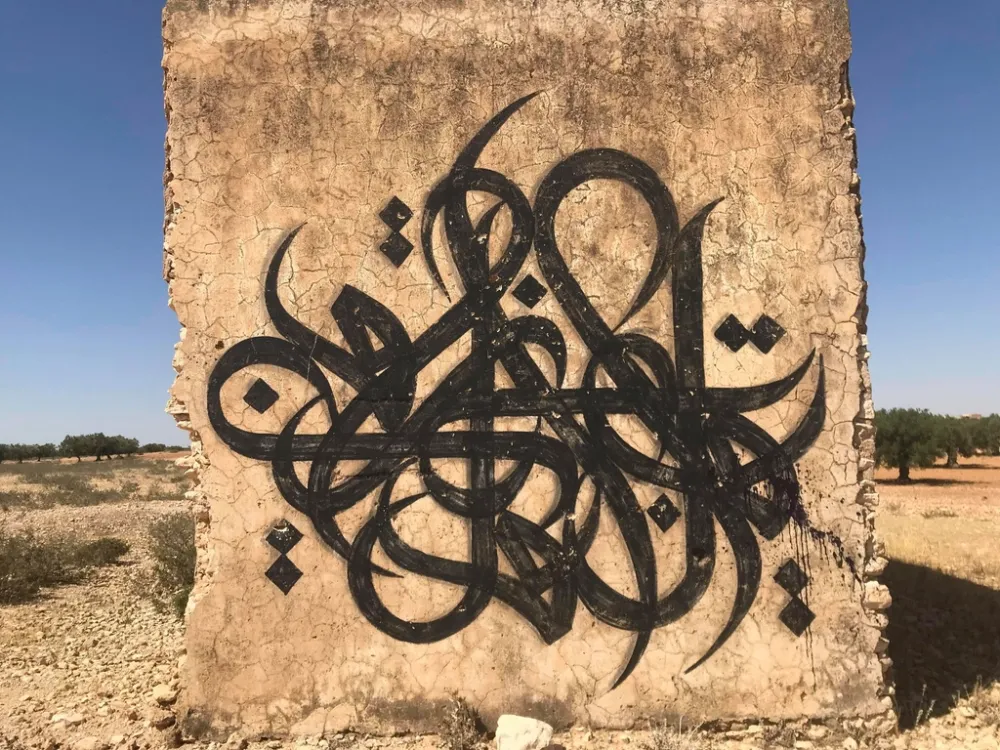
Tiếng Ả Rập không phải là một phương ngữ mà là nhiều dạng viết
Tiếng Ả Rập Hiện đại Chuẩn là ngôn ngữ viết trang trọng được chia sẻ trên 22 quốc gia có đa số dân là người Ả Rập, được sử dụng trong các tài liệu chính thức, tin tức và thư từ trang trọng. Nó bắt nguồn từ Tiếng Ả Rập Cổ điển, ngôn ngữ của Kinh Quran. Các phương ngữ nói khác nhau đáng kể giữa các vùng: Tiếng Ả Rập Ai Cập, Tiếng Ả Rập Levant, Tiếng Ả Rập Vùng Vịnh và Tiếng Ả Rập Maroc khác nhau đủ để người nói từ hai đầu của thế giới Ả Rập đôi khi gặp khó khăn trong việc hiểu nhau khi trò chuyện, nhưng tất cả đều chia sẻ cùng một dạng viết trang trọng. Đối với hầu hết các mục đích dịch thuật tài liệu, Tiếng Ả Rập Hiện đại Chuẩn là đích đến phù hợp. Nếu một tài liệu nhắm đến một thị trường khu vực cụ thể, một người xem xét bản địa có thể điều chỉnh thành ngữ và cách diễn đạt sau đó.
Chữ viết Ả Rập là một trong những hệ thống chữ viết được sử dụng rộng rãi nhất trên thế giới, chạy từ phải sang trái. Mỗi chữ cái kết nối với các chữ cái lân cận, tạo thành một dòng chảy liền mạch ngay cả trong bản in. Điều này có nghĩa là việc lựa chọn phông chữ rất quan trọng trong đầu ra PDF: một phông chữ không bao gồm tất cả các dạng liên kết sẽ tạo ra kết quả bị lỗi hoặc xấu. DocTranslator sử dụng các phông chữ bao phủ đầy đủ các tổ hợp chữ cái, vì vậy tệp PDF tiếng Ả Rập hiển thị rõ ràng thay vì hiển thị các dấu thay thế.
Các tài liệu mọi người dịch giữa tiếng Anh và tiếng Ả Rập
Tiếng Ả Rập được nói bởi khoảng 300 triệu người trên khắp Trung Đông và Bắc Phi, có nghĩa là phạm vi các tài liệu trao đổi giữa tiếng Ả Rập và tiếng Anh rất rộng và mang tính thực tế:
- Đơn xin nhập cư và thị thực cho các quốc gia vùng Vịnh, Ai Cập và Maroc
- Hợp đồng và thỏa thuận pháp lý với các công ty ở Trung Đông
- Giấy khai sinh và các giấy tờ cá nhân cho cộng đồng hải ngoại ở Châu Âu và Hoa Kỳ
- Báo cáo y tế và đơn thuốc giữa các bệnh viện nói tiếng Ả Rập và bệnh nhân quốc tế
- Các đề xuất kinh doanh và tài liệu tài chính cho Ả Rập Xê Út, UAE và các thị trường Vùng Vịnh khác
- Các hướng dẫn kỹ thuật cho thiết bị công nghiệp xuất khẩu sang các nước nói tiếng Ả Rập
Dịch thuật bằng AI hoạt động tốt để đọc tài liệu, chia sẻ nội bộ hoặc tạo bản nháp làm việc. Các hồ sơ chính thức gửi cho cơ quan chính phủ hoặc cơ quan di trú thường yêu cầu bản dịch có chứng thực được xem xét và ký bởi người dịch có trình độ.
Bảng giá dịch PDF tiếng Anh sang tiếng Ả Rập
Đăng ký miễn phí, thanh toán theo từng tài liệu và nâng cấp khi nhu cầu dịch thuật của bạn tăng lên.
Free
Không cần thẻ để đăng ký
- Dịch thuật AI với giá 0,005 USD/từ
- 1 đô la mỗi trang cho bản quét và PDF hình ảnh
- 108 ngôn ngữ
- Tệp lên đến 20 MB và 20 trang
- DOCX, PDF, XLSX, PPTX, IDML, TXT, JPG, PNG và CSV
- Chỉ lưu trữ tệp trong 24 giờ
- Trình chỉnh sửa PDF và công cụ chuyển đổi PDF sang DOCX
Cơ bản
Phổ biến nhấtThanh toán hàng tuần · hủy bất kỳ lúc nào
Thanh toán hàng tháng
Thanh toán một lần mỗi năm · tiết kiệm 33%
- bản dịch AI được bao gồm mỗi tháng
- Sau đó 0,005 USD/từ dịch thuật AI
- Tệp dung lượng lên tới 100 MB và 300 trang
- DOCX, PDF, XLSX, PPTX, IDML, TXT, JPG, PNG và CSV
- OCR cho tài liệu quét
- Lưu trữ tài liệu
- Hỗ trợ ưu tiên
- Dùng thử miễn phí 7 ngày với gói hàng tháng
- Hủy bất kỳ lúc nào
Pro
Thanh toán hàng tháng
Thanh toán một lần mỗi năm · tiết kiệm 34%
- bản dịch AI được bao gồm mỗi tháng
- Sau đó 0,004 USD/từ dịch thuật AI
- Tệp dung lượng lên tới 1 GB và 5.000 trang
- DOCX, PDF, XLSX, PPTX, IDML, TXT, JPG, PNG và CSV
- Thuật ngữ
- Hàng đợi ưu tiên
- 5 chỗ cho nhóm
- Yêu cầu API · 1.000 trang mỗi tháng
- Truy cập MCP cho trợ lý AI
- Hủy bất kỳ lúc nào
Doanh nghiệp
Thanh toán hàng tháng
Thanh toán một lần mỗi năm · tiết kiệm 33%
- bản dịch AI được bao gồm mỗi tháng
- Sau đó 0,003 USD/từ dịch thuật AI
- Tệp dung lượng lên tới 1 GB và 5.000 trang
- DOCX, PDF, XLSX, PPTX, IDML, TXT, JPG, PNG và CSV
- Thuật ngữ
- Hàng đợi ưu tiên
- 15 chỗ cho nhóm
- Yêu cầu API · 5.000 trang mỗi tháng
- Truy cập MCP cho trợ lý AI
- Hủy bất kỳ lúc nào
Doanh nghiệp
Cần thêm dung lượng, hóa đơn hoặc thỏa thuận tùy chỉnh? Nói chuyện với chúng tôi về gói Enterprise.
Cách dịch PDF của bạn sang tiếng Ả Rập
Tạo tài khoản miễn phí
Đăng ký bằng email của bạn để truy cập bảng điều khiển dịch thuật trực tuyến.
Tải lên tệp PDF của bạn
Kéo và thả tệp của bạn hoặc duyệt để chọn tệp. Các tệp dung lượng lên tới 1 GB được hỗ trợ trên các gói Pro và Business.
Chọn tiếng Ả Rập làm ngôn ngữ đích
Chọn ngôn ngữ gốc của PDF và đặt tiếng Ả Rập làm ngôn ngữ đích.
Dịch và tải xuống
Nhấp vào "Dịch" và đợi vài giây. PDF đã dịch của bạn sẽ sẵn sàng để tải xuống bằng tiếng Ả Rập, với bố cục từ phải sang trái được áp dụng.
Câu hỏi thường gặp về dịch PDF tiếng Anh sang tiếng Ả Rập
Bố cục tệp PDF có bị lật sang phải sang trái đối với tiếng Ả Rập không?
Có. Tiếng Ả Rập chạy từ phải sang trái, vì vậy tệp PDF đã dịch sẽ phản chiếu bản gốc: thứ tự đọc, lề và luồng cột bị đảo ngược. Văn bản căn lề trái trong tiếng Anh sẽ trở thành căn lề phải trong tiếng Ả Rập và bố cục hai cột sẽ đảo ngược các cột của nó. Điều này được xử lý tự động.
Tôi nên sử dụng tiếng Ả Rập nào: Tiếng Ả Rập Hiện đại Tiêu chuẩn hay một phương ngữ khu vực?
DocTranslator xuất ra Tiếng Ả Rập Hiện đại Tiêu chuẩn, là hình thức viết trang trọng được chia sẻ trên 22 quốc gia có đa số dân cư Ả Rập. Đây là lựa chọn phù hợp cho các tài liệu chính thức, hợp đồng pháp lý và thư từ kinh doanh trang trọng. Sự khác biệt về phương ngữ nói (Ai Cập, Vùng Vịnh, Levant, v.v.) chủ yếu là bằng lời nói; đối với các tệp PDF viết, Tiếng Ả Rập Hiện đại Tiêu chuẩn đọc được ở mọi nơi.
Các ký tự và ký tự nối tiếng Ả Rập có hiển thị chính xác không?
Có. Các chữ cái tiếng Ả Rập thay đổi hình dạng tùy thuộc vào vị trí của chúng trong một từ và các cặp nối liền nhau tạo thành các ký tự nối. Kết quả đầu ra sử dụng một phông chữ bao gồm toàn bộ bộ ký tự tiếng Ả Rập và các dạng ký tự nối của nó, vì vậy văn bản hiển thị tự nhiên thay vì hiển thị các đoạn bị hỏng hoặc dấu thay thế.
Tôi cũng có thể dịch từ tiếng Ả Rập sang tiếng Anh không?
Có. Cặp ngôn ngữ này hoạt động theo cả hai hướng. Dịch từ tiếng Ả Rập sang tiếng Anh cũng chuyển đổi hướng đọc: nguồn từ phải sang trái trở thành đầu ra từ trái sang phải và bố cục được điều chỉnh cho phù hợp.
Dịch thuật bằng AI có đủ cho các tài liệu nhập cư bằng tiếng Ả Rập không?
Để đọc và sử dụng nội bộ, có. Các hồ sơ chính thức gửi cho cơ quan di trú thường yêu cầu bản dịch có chứng thực, được con người xem xét. Xem tùy chọn dịch có chứng thực của chúng tôi cho các tài liệu gửi cho cơ quan chính phủ.
Tôi có thể tải lên tệp PDF tiếng Ả Rập có kích thước bao nhiêu?
Lên đến 1 GB hoặc 5.000 trang trên gói Pro và Business, 100 MB và 300 trang trên gói Basic, và 20 MB và 20 trang trên gói Free. Dịch một mẫu ngắn trước có giá từ 0,99 đô la và đủ để kiểm tra kết quả tiếng Ả Rập trên một mẫu trước khi cam kết với một tài liệu lớn hơn.
Các chữ số Ả Rập phương Đông có xuất hiện trong kết quả đầu ra không?
Bản dịch sử dụng các quy ước văn bản tiếng Ả Rập. Các chữ số trong phần nội dung văn bản tuân theo tệp PDF gốc. Các tài liệu tiếng Ả Rập Hiện đại Tiêu chuẩn chính thức ở nhiều quốc gia sử dụng các chữ số phương Tây (Latinh), trong khi một số bối cảnh khu vực sử dụng các chữ số Ả Rập phương Đông (٠١٢٣٤٥٦٧٨٩). Nếu bạn cần một kiểu chữ số cụ thể, bạn có thể chỉ định điều đó trong ghi chú khi tải lên.
Dịch PDF của bạn sang tiếng Ả Rập ngay hôm nay
DocTranslator chuyển đổi PDF giữa tiếng Anh và tiếng Ả Rập trực tuyến, tự động phản chiếu bố cục từ phải sang trái và hiển thị chính xác toàn bộ chữ viết tiếng Ả Rập, với hỗ trợ tệp lên đến 1 GB.
Công cụ liên quan
Dịch PDF theo Ngôn ngữ
Các loại tài liệu
Đối tác của chúng tôi