
תרגום PDF לסוואהילית
המרת קבצי PDF לסוואהילי עם התאמת יחסי שמות בנטייה, צורות פועל מחוברות, ואוצר מילים שאול מערבית מטופלים כראוי. אלפבית לטיני ללא סימני ניקוד פירושו רינדור נקי בכל מציגי PDF. הפריסה והעיצוב נשמרים. קבצים עד 1 GB.
העלה או גרור ושחרר מסמך לתרגום
גודל קובץ מקסימלי 1 GB
- זיהוי תווים אופטי (OCR) לסריקות ותמונות
- 108 שפות
- הפריסה המקורית נשמרת
מה קורה כשמתרגמים PDF לסוואהילי
סוואהילי נכתבת באלפבית לטיני ללא סימני ניקוד, מה שאומר שתרגום PDF לסוואהילי נמנע מבעיות רינדור גופנים הנפוצות עם פלט בערבית, תאילנדית או וייטנאמית. כל אות בסוואהילי מתאימה ישירות לתו ASCII סטנדרטי, כך שהטקסט המתורגם מוצג כראוי בכל מציג PDF בכל מערכת הפעלה ללא החלפת גופנים או בעיות קידוד. האתגר בתרגום סוואהילי אינו רינדור הכתב אלא המבנה הדקדוקי. סוואהילי היא שפה בנטו עם מערכת של יחסי שמות השולטת בהתאמה בין שמות עצם, פעלים, שמות תואר, כינויי גוף ושמות תואר הפגנתיים בו-זמנית. ישנם יותר משמונה יחסי שמות דקדוקיים, שלכל אחד מהם מוקצה קידומת שיש לשכפל בכל מילה במשפט המתייחסת לשם עצם זה. תרגום משפט כראוי דורש הקצאת היחס הנכון לכל שם עצם ויישום הקידומת התואמת לכל אלמנט תואם בכל המשפט.
פועלי סוואהילי הם מחוברים, כלומר זמן, נושא, מושא והכחשה כולם מחוברים לצורת פועל אחת במקום להיות מבוטאים באמצעות מילות עזר נפרדות. הפועל "nitakusaidia" (אני אעזור לך) מכיל את קידומת הנושא "ni-" (אני), את סימן הזמן העתיד "-ta-", את קידומת המושא "-ku-" (את/ה), ואת השורש "-saidia" (לעזור), הכל במילה אחת ללא הפרעה. מנוע תרגום חייב לפרק ולבנות מחדש את הצורות הרב-מורפמיות הללו כראוי כדי שהפלט יהיה טבעי מבחינה דקדוקית. כ-35 אחוז מאוצר המילים של סוואהילי נגזר מערבית, המורשת של מאות שנים של סחר באוקיינוס ההודי בין מזרח אפריקה לחצי האי ערב. מילים שאולות אלו מופיעות לעיתים קרובות במסמכים משפטיים, מסחריים ודתיים ויש לזהותן ולשחזרן כראוי במקום לתרגם אותן חזרה לבנייה מסורבלת.
סוואהילי מדוברת על ידי יותר מ-200 מיליון איש ברחבי מזרח ומרכז אפריקה. זוהי שפה רשמית של טנזניה, קניה, אוגנדה, רואנדה והרפובליקה הדמוקרטית של קונגו, והיא משמשת כשפת עבודה של הקהילה המזרח-אפריקאית. לטנזניה יש את הריכוז הגדול ביותר של דוברי שפת אם, כאשר סוואהילי היא השפה העיקרית של החיים הציבוריים, החינוך והממשל. בקניה היא משותפת רשמית עם אנגלית ומשמשת בכל המוסדות הפורמליים. השפה אינה נושאת טונים דקדוקיים, מה שמבדיל אותה משפות אפריקאיות רבות אחרות ומפשט את אתגר התרגום מבוסס הטקסט בהשוואה לשפות בנטו טונאליות כמו זולו או שונה.
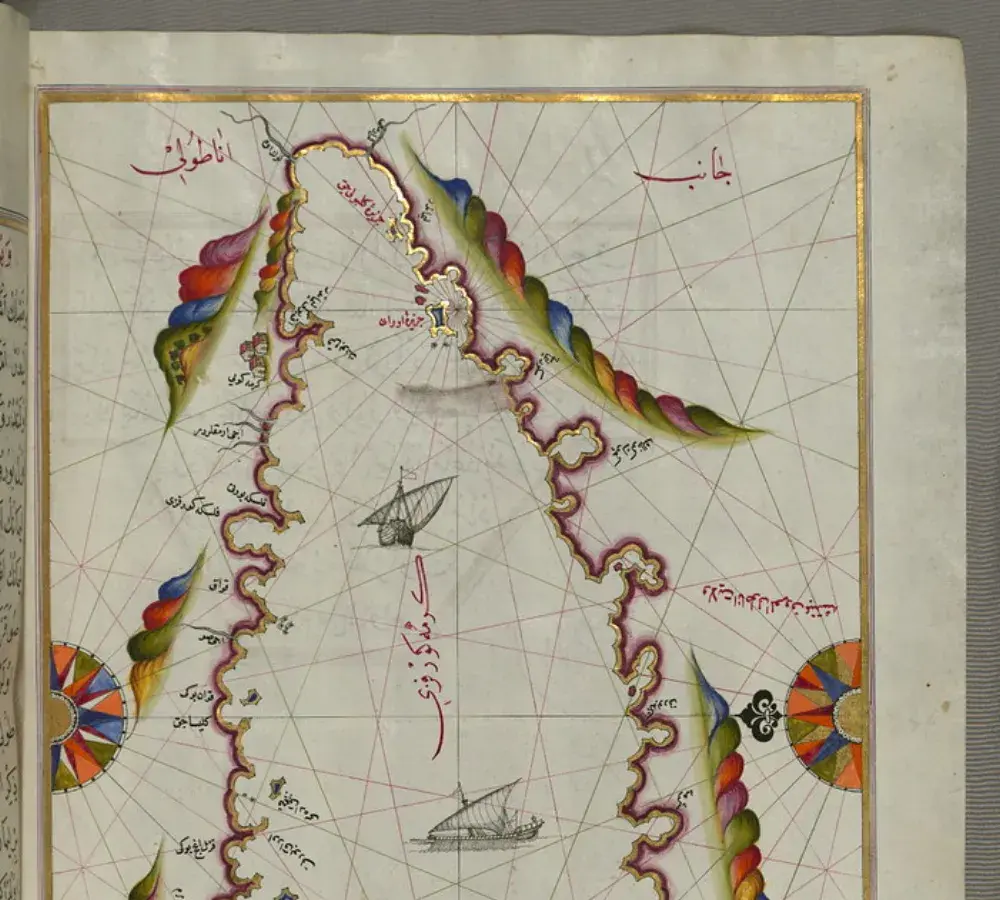
המסורת הכתובה של סוואהילי משתרעת עד למאה ה-13
לפני אימוץ האלפבית הלטיני בתקופה הקולוניאלית, סוואהילי נכתבה בכתב ערבי, הידוע בצורה זו כאג'מי. כתבי יד חופיים מלמו, זנזיבר ומומבסה המתוארכים למאה ה-13 מתעדים שירה, פרשנות דתית ודיני מסחר בסוואהילי המובעים פונטית באותיות ערביות. מסורת כתובה זו מלפני הקולוניאליזם היא אחת העתיקות ביותר בדרום מדבר סהרה באפריקה והיא המקור לשכבת המילים השאולות הערביות הנרחבת באוצר המילים המודרני של סוואהילי. מילים למושגים כמו חוק (sheria, מערבית shari'a), זמן (saa, מערבית sa'a), ומסחר (biashara, מערבית bi al-ishara) נכנסו לשפה דרך מגע כתוב ומסחרי זה בן מאות שנים.
כיום כל המסמכים הרשמיים בסוואהילי משתמשים באלפבית הלטיני, ולשפה יש צורה כתובה סטנדרטית המתוחזקת על ידי גופים כמו Baraza la Kiswahili la Taifa (BAKITA) בטנזניה ו-Chama cha Kiswahili cha Taifa (CHAKITA) בקניה. טפסים ממשלתיים, מסמכים משפטיים, דוחות של מגזר העמותות ומסמכי סחר של הקהילה המזרח-אפריקאית מופקים ברישום כתוב סטנדרטי זה. עבור מתרגמים וכלי תרגום, המשימה המעשית היא תמיד עם סוואהילי מודרנית בכתב לטיני. מסמכים היסטוריים באג'מי דורשים טיפול אקדמי מומחה ולא תרגום אוטומטי.
מסמכים שאנשים מתרגמים בין אנגלית לסוואהילי
השילוב של תפקידה של סוואהילי כשפת העבודה של הקהילה המזרח-אפריקאית, מעמדה הרשמי בחמש מדינות, וקהילה גולה גדלה בבריטניה וקנדה יוצר ביקוש עקבי לתרגום מסמכים בשני הכיוונים. סוגי המסמכים הנפוצים ביותר כוללים:
- מסמכי סחר של הקהילה המזרח-אפריקאית, חוזים מסחריים חוצי גבולות, והגשות רגולטוריות אזוריות המופקות בסוואהילי עבור עסקים הפועלים ברחבי טנזניה, קניה, אוגנדה, רואנדה וה-DRC
- טפסים ממשלתיים קנייתיים וטנזניים כולל תעודות זהות לאומיות, תעודות לידה ותעודות נישואין הנדרשות להליכי הגירה בבריטניה וקנדה
- דוחות של מגזר העמותות, מחקרי בריאות קהילתיים ומסמכי תוכניות פיתוח המופקים על ידי ארגונים הפועלים בקהילות דוברות סוואהילי במזרח אפריקה
- תמלילי אקדמיים ותעודות מאוניברסיטאות טנזניות וקנייתיות המוגשות להכרה בתארים במדינות דוברות אנגלית
- מסמכים משפטיים כולל צווים שיפוטיים, שטרות קניין וייפויי כוח שמקורם בבתי משפט טנזניים או קנייתיים
- רשומות רפואיות ותיעוד ניסויים קליניים המופקים על ידי ספקי שירותי בריאות בטנזניה או קניה לבדיקה על ידי שותפים בינלאומיים
תרגום AI מייצר טיוטות עבודה שימושיות לקריאה והבנה של קבצי PDF בשפת סוואהילי. הגשות רשמיות לרשויות ההגירה, בתי משפט או משרדים ממשלתיים דורשות בדרך כלל תרגום מוסמך שהוכן ונחתם על ידי מתרגם אנושי מוסמך. עבור הגשות ל-USCIS בפרט, עיין במדריך דרישות התרגום של USCIS לפני הגשת כל מסמך בסוואהילי למטרות הגירה.
מחירי תרגום PDF לסוואהילי
הירשם בחינם, שלם לפי מסמך, ושדרג ככל שצרכי התרגום שלך גדלים.
Free
אין צורך בכרטיס אשראי להרשמה
- תרגום AI ב-$0.005 למילה
- $1 לדף עבור סריקות וקובצי PDF מתמונות
- 108 שפות
- קבצים עד 20 MB ו-20 עמודים
- DOCX, PDF, XLSX, PPTX, IDML, TXT, JPG, PNG ו-CSV
- אחסון קבצים למשך 24 שעות בלבד
- עורך PDF וממיר PDF ל-DOCX
בסיסי
הכי פופולרימחויב כל שבוע · בטל בכל עת
מחויב חודשית
מחויב פעם בשנה · חסוך 33%
- תרגום AI כלול בכל חודש
- ואז $0.005 למילה תרגום AI
- קבצים עד 100 MB ו-300 עמודים
- DOCX, PDF, XLSX, PPTX, IDML, TXT, JPG, PNG ו-CSV
- OCR למסמכים סרוקים
- אחסון מסמכים
- תמיכה עדיפות
- 7 ימי ניסיון בחינם בחבילה החודשית
- בטל בכל עת
Pro
מחויב חודשית
מחויב פעם בשנה · חסוך 34%
- תרגום AI כלול בכל חודש
- ואז $0.004 למילה תרגום AI
- קבצים עד 1 GB ו-5,000 עמודים
- DOCX, PDF, XLSX, PPTX, IDML, TXT, JPG, PNG ו-CSV
- מילון מונחים
- תור עדיפות
- 5 מושבים לצוות
- בקשות API · 1,000 עמודים בחודש
- גישת MCP לעוזרי AI
- בטל בכל עת
עסקי
מחויב חודשית
מחויב פעם בשנה · חסוך 33%
- תרגום AI כלול בכל חודש
- ואז $0.003 למילה תרגום AI
- קבצים עד 1 GB ו-5,000 עמודים
- DOCX, PDF, XLSX, PPTX, IDML, TXT, JPG, PNG ו-CSV
- מילון מונחים
- תור עדיפות
- 15 מושבים לצוות
- בקשות API · 5,000 עמודים בחודש
- גישת MCP לעוזרי AI
- בטל בכל עת
ארגוני
צריך יותר נפח, חיוב או הסכם מותאם אישית? דבר איתנו לגבי חבילת Enterprise.
כיצד לתרגם את ה-PDF שלך לסווהילית
צור חשבון בחינם
הירשמו עם הדוא"ל שלכם כדי לגשת ללוח הבקרה של התרגום המקוון.
העלה את קובץ ה-PDF שלך
גרור ושחרר את הקובץ שלך או דפדף כדי לבחור אותו. קבצים עד 1 GB נתמכים בחבילות Pro ו-Business.
בחר סווהילית כשפת היעד
בחר את השפה המקורית של ה-PDF שלך והגדר סווהילית כשפת היעד. הפלט יטפל בהתאמת שמות עצם ובצורות פועל מחוברות בסווהילית תקנית כתובה.
תרגום והורדה
לחץ על "תרגם" והמתן מספר רגעים. ה-PDF המתורגם שלך יהיה מוכן להורדה בסווהילית תוך שמירה על הפריסה המקורית.
שאלות נפוצות בנושא תרגום PDF מאנגלית לסווהילית
האם סווהילית משתמשת בתווים מיוחדים הגורמים לבעיות רינדור PDF?
לא. סווהילית נכתבת כולה באלפבית הלטיני הסטנדרטי ללא סימנים דיאקריטיים וללא תווים מחוץ לטווח ASCII הבסיסי. כל אות בסווהילית כתובה מתאימה לתו מקלדת סטנדרטי, כך ש-PDF מתורגמים מוצגים כראוי בכל מציג בכל מערכת הפעלה ללא החלפת גופנים, אי-התאמות קידוד או בעיות רינדור מימין לשמאל. זה הופך את סווהילית לאחת השפות האפריקאיות הפשוטות ביותר מבחינה טכנית לרינדור בפלט PDF.
כיצד מערכת סיווג שמות העצם של בנטו משפיעה על איכות תרגום PDF בסווהילית?
לסווהילית יש יותר משמונה סיווגי שמות עצם דקדוקיים, כל אחד נושא תחילית ספציפית. כל שם עצם שייך לסיווג אחד, ותחילית הסיווג הזו חייבת להיות משתקפת על ידי הפועל, שם התואר, כינוי הגוף והמצביע באותה משפט. לדוגמה, שם העצם מסיווג 3 "mti" (עץ) מקבל את התחילית "mi-" ברבים ("miti") ומפעיל הסכמה "u-" על שמות תואר ופעלים. מודל AI שמקצה נכון סיווגי שמות עצם ומפיץ הסכמת תחיליות לאורך משפט מייצר סווהילית שנשמעת טבעית. מודלים שאומנו על קורפוסים גדולים של סווהילית מטפלים באוצר מילים מסמכים סטנדרטי היטב.
האם יש הבדל ברישום או ניב שאני צריך לקחת בחשבון במסמכים מתורגמים בסווהילית?
סווהילית כתובה סטנדרטית, הנקראת לעיתים Kiswahili Sanifu, היא הצורה המשמשת במסמכים רשמיים, טפסי ממשלה, עיתונים ופרסומים אקדמיים בטנזניה, קניה, אוגנדה, רואנדה ו-DRC. היא מבוססת על הניב של זנזיבר ומתוחזקת על ידי גופי תקינה הן בטנזניה והן בקניה. סווהילית מדוברת משתנה באופן משמעותי לפי אזור, כאשר שנג (שילוב עירוני מניירובי של סווהילית ואנגלית) הוא דוגמה בולטת. DocTranslator מוציא סווהילית כתובה סטנדרטית, המתאימה לכל סוגי המסמכים הפורמליים.
אילו מסמכי סווהילית מתורגמים לרוב למטרות הגירה?
סוגי המסמכים הנפוצים ביותר הם תעודות לידה קניית וטנזניות, תעודות זהות לאומיות, תעודות נישואין וגירושין, ותעודות יושר משטרתיות המוגשות לבקשות ויזה ותושבות בבריטניה ובקנדה. קהילות הפזורה במזרח אפריקה בבריטניה גדולות במיוחד מקניה, אוגנדה וטנזניה. עבור הגשות הגירה רשמיות, נדרש תרגום מאושר שנבדק ונחתם על ידי מתרגם מוסמך, ולא טיוטה שנוצרה על ידי בינה מלאכותית.
איזה קובץ PDF סווהילי גדול אני יכול לתרגם, והאם יש אפשרות ניסיון?
קבצים עד 1GB ו-5,000 עמודים עוברים ב-Pro ו-Business, 100MB ו-300 עמודים ב-Basic, ו-20MB ו-20 עמודים ב-Free. לגבי ניסיון, תוכנית Basic החודשית מתחילה עם 7 ימי חינם ומבקשת כרטיס. דוגמה קצרה, במחיר החל מ-0.99$, מספיקה כדי לוודא כיצד טופס ממשלתי או דוח NGO בשפה הסוואהילית מעובדים לפני התחייבות למסמך מלא. מכיוון שסוואהילית אינה משתמשת בסימני ניקוד, הפלט יופיע כראוי בכל צופה PDF סטנדרטי באופן מיידי.
האם אני יכול לתרגם מסווהילית לאנגלית וגם מאנגלית לסווהילית?
כן. זוג סווהילית-אנגלית עובד בשני הכיוונים. תרגום PDF סווהילי לאנגלית נפוץ עבור ארגונים ללא מטרות רווח המשתפים דוחות שטח עם תורמים בינלאומיים, עבור עסקים הסוקרים תיעוד סחר של קהילת מזרח אפריקה, ועבור חברי קהילה התפוצה המשתפים טפסי ממשלה קנייתיים או טנזניים עם מוסדות דוברי אנגלית. תרגום מאנגלית לסווהילית נפוץ עבור ארגונים המפיצים חומרים לקהלים במזרח אפריקה ועבור עסקים הנכנסים לשוק המזרח אפריקאי.
מדוע סווהילית מכילה כל כך הרבה מילים שמקורן בערבית, והאם זה משפיע על התרגום?
כ-35 אחוז מאוצר המילים של סווהילית נגזר מערבית, תוצאה של מאות שנים של סחר בין ערי החוף של מזרח אפריקה לחצי האי ערב. מילים למושגים כמו חוק (sheria), זמן (saa), ספר (kitabu), מסחר (biashara), ודת (dini) כולן מגיעות מערבית. מילות השאלה הללו משולבות באופן מלא בדקדוק הסווהילי ומתנהגות כמו מילים מקומיות, מקבלות תחיליות סיווג שמות עצם של בנטו ודפוסי הסכמת פעלים בסווהילית. מודלי תרגום AI שאומנו על טקסט סווהילי מטפלים במילות השאלה הללו כראוי כחלק מאוצר מילים סטנדרטי במקום להתייחס אליהן כאל הכנסות זרות.
כלים קשורים
תרגום PDF לפי שפה
סוגי מסמכים
השותפים שלנו