
תרגם PDF מאנגלית לספרדית
המר קבצי PDF באנגלית לספרדית עם סימני הטעמה, ñ, וסימני השאלה והקריאה הפותחים ¿ ו-¡ שלמים, או תרגם בכיוון ההפוך, מספרדית חזרה לאנגלית. הפריסה מתעדכנת כך שהטקסט הספרדי הארוך יותר עדיין מתאים לדף. קבצים עד 1 GB.
העלה או גרור ושחרר מסמך לתרגום
גודל קובץ מקסימלי 1 GB
- זיהוי תווים אופטי (OCR) לסריקות ותמונות
- 108 שפות
- הפריסה המקורית נשמרת
מה קורה כשאתה הופך PDF באנגלית לספרדית
אנגלית וספרדית חולקות את האלפבית הלטיני ושתיהן נקראות משמאל לימין, כך שהכתב עצמו אינו החלק הקשה. הקאץ' הוא האורך. אותו קטע נוטה לגדול בכ-15 עד 25 אחוזים בספרדית, מכיוון שהשפה נשענת על מילים ארוכות יותר, תוארי שם ומונחים מוקדמים שאנגלית יכולה לדלג עליהם. במסמך זורם חופשי זה פשוט אומר יותר שורות. ב-PDF עם תיבות קבועות, טבלאות ועמודות צפופות, לטקסט הנוסף אין לאן ללכת אלא אם הפריסה מתעדכנת. DocTranslator מתרגם את המילים ואז מתאים אותן מחדש, כך שתא טבלה או שדה טופס לא יחתכו את הספרדית הגולשת עליו.
ספרדית נושאת גם תווים שאנגלית לא. תנועות יכולות לקבל סימן הטעמה חריף (á, é, í, ó, ú), האות ñ היא אות בפני עצמה ולא n עם סימן, ו-ü מופיעה במספר מילים. שאלות וקריאות נפתחות עם סימני פיסוק הפוכים, ¿ ו-¡, כמו גם מסתיימות ב-? ו-! הרגילים. אם לפונט הפלט חסרים הגליפים הללו, אתה מקבל ריבועים ריקים או סימנים מעוותים, שהיא דרך נפוצה שבה קבצי PDF מתורגמים במכונה יוצאים שגויים. הפלט כאן משלב פונט המכסה את הסט המלא, כך שמילה עם סימן הטעמה כמו "información" ושאלה עטופה ב-¿ ... ? שתיהן מוצגות כפי שנכתבו.
אותו מנוע פועל בכיוון ההפוך, מספרדית לאנגלית. בכיוון זה הטקסט בדרך כלל מתכווץ ולא מתרחב, אך עדיין יש צורך להתאים את הפריסה כך שעמודות ופסקאות ינחתו במקומות הגיוניים במקום להשאיר רווחים קרועים.
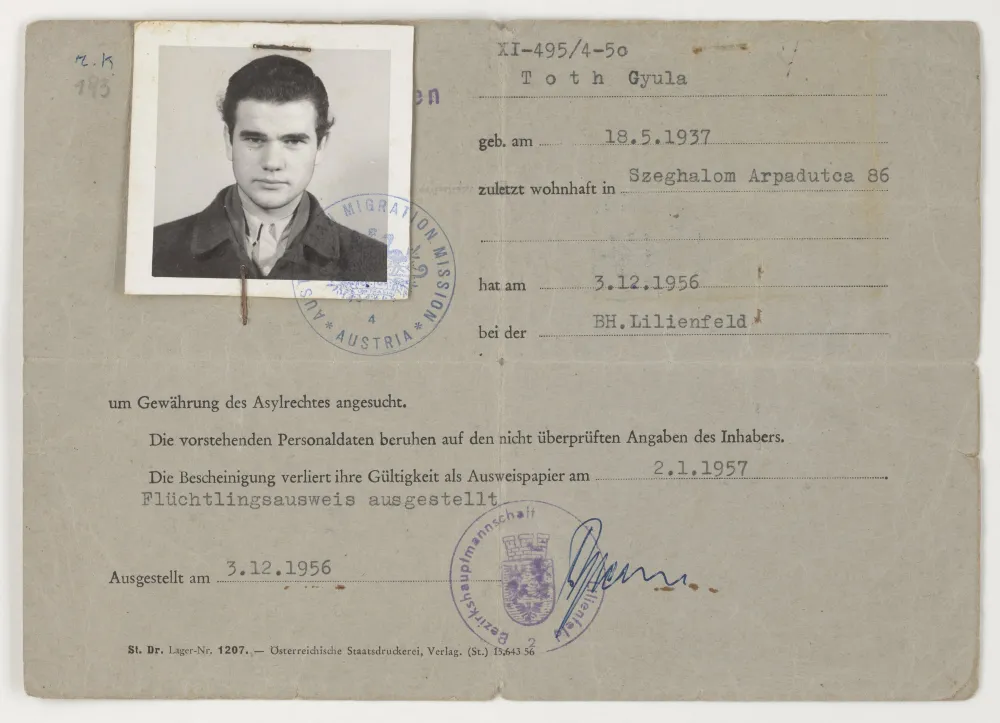
ספרדית היא שפה אחת עם הבדלים אזוריים
בערך 485 מיליון אנשים מדברים ספרדית כשפת אם, מה שהופך אותה לשפה המדוברת כשפת אם השנייה בעולם. זוהי שפת היומיום של ספרד ורוב אמריקה הלטינית, ולמרות ששני הצדדים מבינים זה את זה בקלות, הזנים הכתובים אינם זהים. אוצר המילים שונה (מכונית היא "coche" בספרד ולעיתים קרובות "carro" או "auto" ברוב אמריקה), וכמה דקדוק שונה, כמו השימוש הספרדי ב-"vosotros" עבור "אתם" בלתי רשמי ברבים שאמריקה הלטינית ספרדית מחליפה ב-"ustedes."
עבור רוב המסמכים ההבדלים קטנים מספיק כדי שספרדית ניטרלית ומובנת באופן נרחב תקרא באופן טבעי בשני צידי האוקיינוס. כאשר מסמך מיועד לקהל ספציפי, נניח חוזה עבור לקוח במקסיקו או תוכן שיווקי עבור קוראים בספרד, כדאי שיהיה בודק ילידי שיปรับ את הניסוח עבור אותו שוק.
מסמכים שאנשים מתרגמים בין אנגלית לספרדית
אנגלית וספרדית הן זוג השפות העמוס ביותר לעבודות מסמכים בארצות הברית, כך שה-PDF שעוברים דרכו נוטים להיות ניירת מעשית ולא ספרות:
- חוזים עסקיים, הסכמים והצעות ללקוחות וספקים בשווקים דוברי ספרדית
- ניירת הגירה ו-USCIS, כולל ראיות תומכות ומכתבי כיסוי
- תעודות לידה, נישואין ופטירה הדרושות לוויזות, למגורים או לענייני עיזבון
- חומר שיווקי, חוברות ודפי מוצר שעברו לוקליזציה עבור ספרד או אמריקה הלטינית
- מדריכי משתמש, הוראות ודפי בטיחות הנשלחים עם מוצרים בשתי השפות
תרגום AI הוא הבחירה המהירה והזולה כאשר אתם בעיקר צריכים לקרוא מסמך, לשתף אותו פנימית, או להפיק טיוטה ראשונה. כל דבר המוגש לבית משפט או למשרד ממשלתי, תעודה המוגשת להגירה לדוגמה, בדרך כלל דורש תרגום מוסמך שנבדק על ידי אדם. ראו תרגום מוסמך אם אתם זקוקים לחותמת רשמית.
מחירי תרגום PDF מאנגלית לספרדית
התחל עם מסמך קצר יחיד ושדרג ככל שצרכי התרגום שלך גדלים.
Free
אין צורך בכרטיס אשראי להרשמה
- תרגום AI ב-$0.005 למילה
- $1 לדף עבור סריקות וקובצי PDF מתמונות
- 108 שפות
- קבצים עד 20 MB ו-20 עמודים
- DOCX, PDF, XLSX, PPTX, IDML, TXT, JPG, PNG ו-CSV
- אחסון קבצים למשך 24 שעות בלבד
- עורך PDF וממיר PDF ל-DOCX
בסיסי
הכי פופולרימחויב כל שבוע · בטל בכל עת
מחויב חודשית
מחויב פעם בשנה · חסוך 33%
- תרגום AI כלול בכל חודש
- ואז $0.005 למילה תרגום AI
- קבצים עד 100 MB ו-300 עמודים
- DOCX, PDF, XLSX, PPTX, IDML, TXT, JPG, PNG ו-CSV
- OCR למסמכים סרוקים
- אחסון מסמכים
- תמיכה עדיפות
- 7 ימי ניסיון בחינם בחבילה החודשית
- בטל בכל עת
Pro
מחויב חודשית
מחויב פעם בשנה · חסוך 34%
- תרגום AI כלול בכל חודש
- ואז $0.004 למילה תרגום AI
- קבצים עד 1 GB ו-5,000 עמודים
- DOCX, PDF, XLSX, PPTX, IDML, TXT, JPG, PNG ו-CSV
- מילון מונחים
- תור עדיפות
- 5 מושבים לצוות
- בקשות API · 1,000 עמודים בחודש
- גישת MCP לעוזרי AI
- בטל בכל עת
עסקי
מחויב חודשית
מחויב פעם בשנה · חסוך 33%
- תרגום AI כלול בכל חודש
- ואז $0.003 למילה תרגום AI
- קבצים עד 1 GB ו-5,000 עמודים
- DOCX, PDF, XLSX, PPTX, IDML, TXT, JPG, PNG ו-CSV
- מילון מונחים
- תור עדיפות
- 15 מושבים לצוות
- בקשות API · 5,000 עמודים בחודש
- גישת MCP לעוזרי AI
- בטל בכל עת
ארגוני
צריך יותר נפח, חיוב או הסכם מותאם אישית? דבר איתנו לגבי חבילת Enterprise.
כיצד לתרגם את ה-PDF שלכם לספרדית
צרו חשבון חינם
הירשמו עם הדוא"ל שלכם כדי לגשת ללוח הבקרה של התרגום המקוון.
העלו את קובץ ה-PDF שלכם
גרור ושחרר את הקובץ שלך או דפדף כדי לבחור אותו. קבצים עד 1 GB נתמכים בחבילות Pro ו-Business.
בחר ספרדית כשפת יעד
בחר את השפה המקורית של ה-PDF שלך והגדר ספרדית כשפת יעד.
תרגמו והורידו
לחץ על "תרגם" והמתן מספר רגעים. ה-PDF המתורגם שלך יהיה מוכן להורדה בספרדית, תוך שמירה על העיצוב.
שאלות נפוצות בנושא תרגום PDF מאנגלית לספרדית
האם סימני הטעמה, ñ, והסימנים ¿ ¡ יופיעו כראוי ב-PDF המתורגם?
כן. הפלט משלב גופן המכסה את כל מערך התווים הספרדי, כך שתנועות עם סימן הטעמה (á, é, í, ó, ú), האות ñ, ü, וסימני הפתיחה ההפוכים ¿ ו-¡ יודפסו כפי שנכתבו במקום להפוך לריבועים ריקים או סימני הטעמה שבורים. זהו הפרט שרוב הפעמים נשבר ב-PDF מתורגמים במכונה.
האם אני יכול לבחור ספרדית אירופאית או ספרדית אמריקה הלטינית?
ה-AI מפיק ספרדית ניטרלית, מובנת באופן נרחב, הנקראת באופן טבעי הן בספרד והן באמריקה הלטינית. שני הזנים נבדלים באוצר מילים ובדקדוק מסוימים, למשל "vosotros" בספרד לעומת "ustedes" ברוב אמריקה. עבור מסמך המיועד לשוק ספציפי אחד, יש לבקש מסוקר ילידי להתאים את הניסוח לאותו אזור.
האם אני יכול לתרגם גם מספרדית לאנגלית?
כן, הזוג עובד בשני הכיוונים ומשתמש באותו מנוע. טקסט מאנגלית לספרדית בדרך כלל גדל בכ-15 עד 25 אחוז, ולכן הפריסה עוברת התאמה כדי להתאים. בכיוון ההפוך, מספרדית לאנגלית, הטקסט נוטה להתכווץ, והעמודות ושבירות השורה מותאמות מחדש כך שהעמוד לא יסתיים עם רווחים לא אחידים.
האם תרגום AI מספיק טוב לשימוש הגירתי או מוסמך?
לקריאת מסמך, לשימוש פנימי ולטיוטות, כן. אבל תעודות לידה, נישואין ופטירה וניירת אחרת המוגשת ל-USCIS, לבית משפט, או למשרד ממשלתי אחר, בדרך כלל דורשת תרגום מוסמך שנבדק על ידי אדם. ראו את אפשרות התרגום המוסמך שלנו עבורם.
איזה קובץ PDF ספרדי גדול אני יכול לתרגם?
Free מטפל ב-20 עמודים ו-20MB לקובץ ו-Basic ב-300 עמודים ו-100MB. Pro ו-Business מגיעים עד 5,000 עמודים או 1GB, שמכסים חוזים ומדריכים מלאים. תרגום כמה עמודים תחילה עולה מ-0.99$, כך שתוכל לבדוק את הפלט בספרדית על דוגמה לפני התחייבות.
מהי עלות תרגום PDF מאנגלית לספרדית?
בחינם אתה משלם עבור כל מסמך כאשר אתה מתרגם אותו, $0.005 למילה עם תשלום מינימלי של $0.99, כך שמנוי הוא אופציונלי. אם אתה מתרגם באופן קבוע, Basic, Pro ו-Business כוללים דפים כל 30 יום וגובים לפי מילה רק מעבר למכסה זו ($0.004 ב-Pro, $0.003 ב-Business). ראה תמחור לפרטים.
קובץ ה-PDF הספרדי שלי הוא סריקה. האם עדיין ניתן לתרגם אותו?
קבצי תמונה (JPG, JPEG, PNG) ו-PDF של תמונות נתמכים. סריקות נקיות וברזולוציה גבוהה נותנות את התוצאות הטובות ביותר, בעוד שספרדית עמומה או בכתב יד קשה יותר לקריאה מדויקת. כשיש לכם את הקובץ הדיגיטלי המקורי, העלו אותו במקום זאת לקבלת פלט חד יותר.
האם הפריסה נשארת זהה כאשר ספרדית ארוכה יותר מאנגלית?
ה-PDF המתורגם שומר על הגופנים, הטבלאות, התמונות והפריסה המקוריים. מכיוון שספרדית בדרך כלל תופסת יותר מקום מאנגלית, הטקסט מותאם מחדש כך שלא יגלוש מטבלאות, שדות טופס או עמודות צפופות. העמוד נקרא כפי שהמקור היה, רק בספרדית.
כלים קשורים
תרגום PDF לפי שפה
סוגי מסמכים
השותפים שלנו