
Перевести PDF на суахили
Конвертируйте PDF на суахили, правильно обрабатывая согласование именных классов банту, агглютинативные формы глаголов и словарный запас арабских заимствований. Латиница без диакритических знаков обеспечивает чистое отображение во всех программах просмотра PDF. Макет и форматирование сохраняются. Файлы до 1 ГБ.
Загрузите или перетащите документ для перевода
Макс. размер файла 1 GB
- OCR для сканов и фотографий
- 108 языков
- Оригинальная верстка сохранена
Что происходит при переводе PDF на суахили
Суахили пишется латиницей без диакритических знаков, что означает, что перевод PDF на суахили позволяет избежать проблем с отображением шрифтов, распространенных при выводе на арабском, тайском или вьетнамском языках. Каждая буква в суахили напрямую соответствует стандартному символу ASCII, поэтому переведенный текст корректно отображается в любой программе просмотра PDF на любой операционной системе без подмены шрифтов или проблем с кодировкой. Сложность перевода на суахили заключается не в отображении письма, а в грамматической структуре. Суахили — это язык банту с системой именных классов, которая управляет согласованием существительных, глаголов, прилагательных, местоимений и указательных местоимений одновременно. Существует более восьми грамматических именных классов, каждому из которых присвоен префикс, который должен повторяться в каждом слове предложения, относящемся к этому существительному. Правильный перевод предложения требует присвоения правильного класса каждому существительному и применения соответствующего префикса ко всем согласованным элементам во всем предложении.
Глаголы в суахили агглютинативны, что означает, что время, субъект, объект и отрицание сливаются в одну глагольную форму, а не выражаются отдельными вспомогательными словами. Глагол «nitakusaidia» (я помогу тебе) содержит субъектный префикс «ni-» (я), маркер будущего времени «-ta-», объектный префикс «-ku-» (тебе) и корень «-saidia» (помогать) — все в одном непрерывном слове. Система перевода должна правильно разложить и реконструировать эти многоморфемные формы, чтобы результат был грамматически естественным. Около 35 процентов словарного запаса суахили происходит из арабского языка, наследие многовековой торговли между Восточной Африкой и Аравийским полуостровом по Индийскому океану. Эти заимствованные слова часто встречаются в юридических, коммерческих и религиозных документах и должны быть распознаны и воспроизведены правильно, а не переведены обратно в неуклюжие конструкции.
На суахили говорят более 200 миллионов человек в Восточной и Центральной Африке. Это официальный язык Танзании, Кении, Уганды, Руанды и Демократической Республики Конго, а также рабочий язык Восточноафриканского сообщества. В Танзании проживает наибольшая концентрация носителей языка, где суахили является основным языком общественной жизни, образования и правительства. В Кении он является официальным наряду с английским и используется во всех официальных учреждениях. Язык не имеет грамматических тонов, что отличает его от многих других африканских языков и упрощает задачу текстового перевода по сравнению с тональными языками банту, такими как зулу или шона.
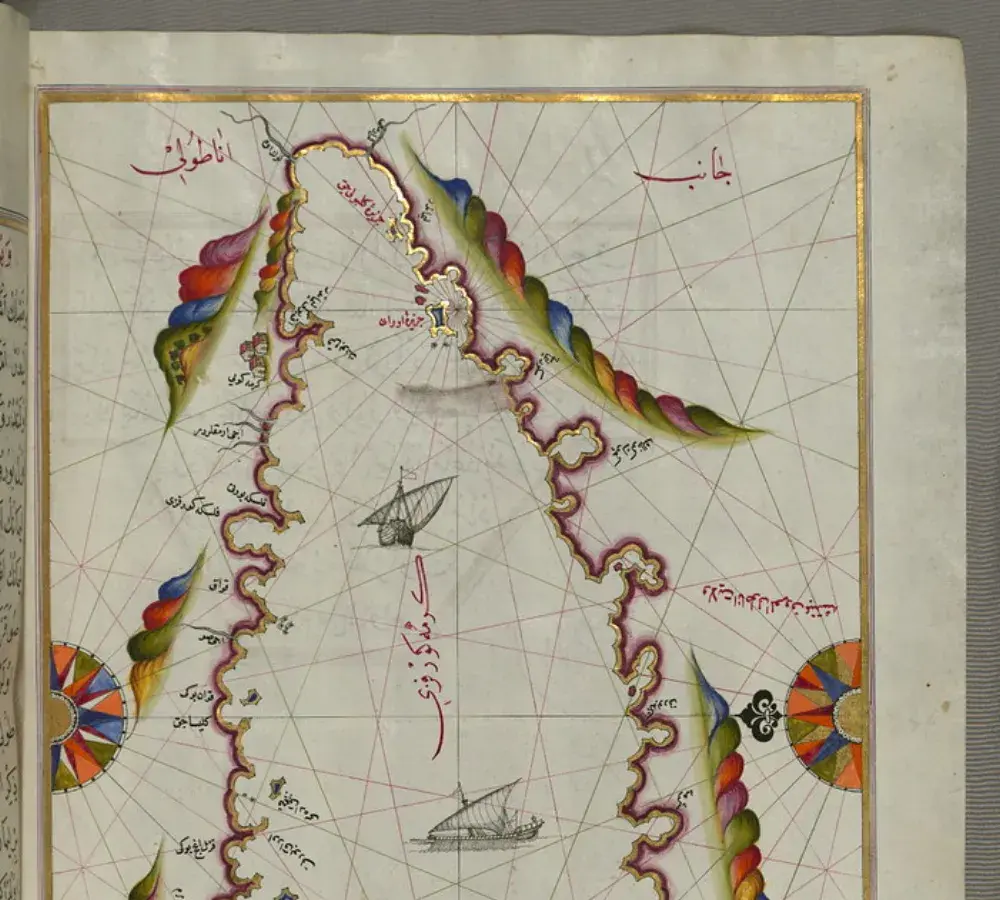
Письменная традиция суахили восходит к XIII веку
До принятия латинского алфавита в колониальный период суахили писали арабским шрифтом, известным в этой форме как Аджами. Прибрежные рукописи из Ламу, Занзибара и Момбасы, датируемые XIII веком, содержат стихи, религиозные комментарии и торговые законы на суахили, фонетически записанные арабскими буквами. Эта доколониальная письменная традиция является одной из старейших в к югу от Сахары Африки и источником обширного слоя арабских заимствований в современном словаре суахили. Слова, обозначающие понятия, такие как закон (sheria, от арабского shari'a), время (saa, от арабского sa'a) и торговля (biashara, от арабского bi al-ishara), вошли в язык благодаря этому многовековому письменному и коммерческому контакту.
Сегодня все официальные документы на суахили используют латинский алфавит, а язык имеет стандартизированную письменную форму, поддерживаемую такими органами, как Baraza la Kiswahili la Taifa (BAKITA) в Танзании и Chama cha Kiswahili cha Taifa (CHAKITA) в Кении. Государственные формы, судебные документы, отчеты сектора НПО и торговые документы Восточноафриканского сообщества производятся в этом стандартизированном письменном регистре. Для переводчиков и систем перевода практическая задача всегда связана с современным суахили, написанным латиницей. Исторические документы Аджами требуют специальной научной обработки, а не автоматического перевода.
Документы, которые люди переводят между английским и суахили
Сочетание роли суахили как рабочего языка Восточноафриканского сообщества, его официального статуса в пяти странах и растущей диаспоры в Соединенном Королевстве и Канаде создает постоянный спрос на перевод документов в обоих направлениях. Наиболее распространенные типы документов включают:
- Торговые документы Восточноафриканского сообщества, трансграничные коммерческие контракты и региональные нормативные документы, составленные на суахили для бизнеса, работающего в Танзании, Кении, Уганде, Руанде и ДРК
- Кенийские и танзанийские государственные формы, включая национальные удостоверения личности, свидетельства о рождении и свидетельства о браке, необходимые для иммиграционных процедур в Великобритании и Канаде
- Отчеты сектора НПО, исследования в области общественного здравоохранения и документы программ развития, подготовленные организациями, работающими в суахилоязычных сообществах Восточной Африки
- Академические транскрипты и дипломы танзанийских и кенийских университетов, представленные для признания квалификаций в англоязычных странах
- Юридические документы, включая судебные приказы, свидетельства о праве собственности и доверенности, выданные судами Танзании или Кении
- Медицинские записи и документация клинических испытаний, подготовленные поставщиками медицинских услуг в Танзании или Кении для рассмотрения международными партнерами
Машинный перевод создает полезные рабочие черновики для чтения и понимания PDF-файлов на суахили. Для официальных подач документов в иммиграционные органы, суды или государственные учреждения обычно требуется заверенный перевод, подготовленный и подписанный квалифицированным переводчиком. В частности, для подачи документов в USCIS ознакомьтесь с руководством по требованиям к переводу USCIS перед подачей любого документа на суахили для иммиграционных целей.
Стоимость перевода PDF на суахили
Зарегистрируйтесь бесплатно, платите за документ и обновляйте план по мере роста ваших потребностей в переводе.
Free
Карта не требуется для регистрации
- 0,005 $/слово AI-перевод
- 1 доллар за страницу для сканов и PDF-изображений
- 108 языков
- Файлы до 20 МБ и 20 страниц
- DOCX, PDF, XLSX, PPTX, IDML, TXT, JPG, PNG и CSV
- Только 24-часовое хранение файлов
- Редактор PDF и конвертер PDF в DOCX
Базовый
Самый популярныйОплата еженедельно · отмена в любое время
Оплата ежемесячно
Оплата раз в год · экономия 33%
- ИИ-перевод включен каждый месяц
- Затем 0,005 $/слово ИИ-перевод
- Файлы до 100 МБ и 300 страниц
- DOCX, PDF, XLSX, PPTX, IDML, TXT, JPG, PNG и CSV
- OCR для сканированных документов
- Хранилище документов
- Приоритетная поддержка
- 7-дневная бесплатная пробная версия по ежемесячному плану
- Отмена в любое время
Pro
Оплата ежемесячно
Оплата раз в год · экономия 34%
- ИИ-перевод включен каждый месяц
- Затем 0,004 $/слово ИИ-перевод
- Файлы до 1 ГБ и 5000 страниц
- DOCX, PDF, XLSX, PPTX, IDML, TXT, JPG, PNG и CSV
- Глоссарий
- Приоритетная очередь
- 5 мест в команде
- API-запросы · 1000 страниц в месяц
- Доступ к MCP для ИИ-помощников
- Отмена в любое время
Бизнес
Оплата ежемесячно
Оплата раз в год · экономия 33%
- ИИ-перевод включен каждый месяц
- Затем 0,003 $/слово ИИ-перевод
- Файлы до 1 ГБ и 5000 страниц
- DOCX, PDF, XLSX, PPTX, IDML, TXT, JPG, PNG и CSV
- Глоссарий
- Приоритетная очередь
- 15 мест в команде
- API-запросы · 5000 страниц в месяц
- Доступ к MCP для ИИ-помощников
- Отмена в любое время
Для бизнеса
Нужен больший объем, выставление счетов или индивидуальное соглашение? Свяжитесь с нами по поводу плана Enterprise.
Как перевести ваш PDF на суахили
Создать бесплатную учетную запись
Зарегистрируйтесь по электронной почте, чтобы получить доступ к панели онлайн-перевода.
Загрузите ваш PDF-файл
Перетащите файл или нажмите, чтобы выбрать его. Файлы размером до 1 ГБ поддерживаются в планах Pro и Business.
Выберите суахили в качестве целевого языка
Выберите исходный язык вашего PDF и установите суахили в качестве целевого языка. Результат будет учитывать согласование классов существительных и агглютинативные формы глаголов в стандартном письменном суахили.
Перевести и скачать
Нажмите «Перевести» и подождите несколько минут. Ваш переведенный PDF будет готов к загрузке на суахили с сохранением исходного макета.
Узнайте больше о услугах перевода документов
Часто задаваемые вопросы по переводу PDF с английского на суахили
Использует ли суахили специальные символы, вызывающие проблемы с отображением PDF?
Нет. Суахили пишется полностью стандартным латинским алфавитом без диакритических знаков и символов, выходящих за пределы основного диапазона ASCII. Каждая буква в письменном суахили соответствует стандартному символу клавиатуры, поэтому переведенные PDF-файлы корректно отображаются в любом средстве просмотра на любой операционной системе без замены шрифтов, несоответствия кодировок или проблем с отображением справа налево. Это делает суахили одним из самых технически простых африканских языков для отображения в выходных данных PDF.
Как система классов существительных банту влияет на качество перевода PDF на суахили?
В суахили более восьми грамматических классов существительных, каждый из которых несет определенный префикс. Каждое существительное принадлежит к одному классу, и этот префикс класса должен быть отражен глаголом, прилагательным, местоимением и указательным словом в одном предложении. Например, существительное 3-го класса «mti» (дерево) принимает префикс «mi-» во множественном числе («miti») и вызывает согласование «u-» с прилагательными и глаголами. Модель ИИ, которая правильно назначает классы существительных и распространяет согласование префиксов по всему предложению, создает естественно звучащий суахили. Модели, обученные на больших корпусах суахили, хорошо справляются со стандартной лексикой документов.
Существуют ли различия в регистре или диалекте, которые мне нужно учитывать в переведенных документах на суахили?
Стандартный письменный суахили, иногда называемый кисуахили санифу, — это форма, используемая в официальных документах, государственных формах, газетах и академических публикациях в Танзании, Кении, Уганде, Руанде и ДРК. Он основан на диалекте Занзибара и поддерживается стандартизирующими органами как в Танзании, так и в Кении. Разговорный суахили значительно варьируется в зависимости от региона, причем шенг (городская смесь суахили и английского языка из Найроби) является ярким примером. DocTranslator выводит стандартный письменный суахили, который подходит для всех формальных типов документов.
Какие документы на суахили чаще всего переводятся для иммиграционных целей?
Наиболее частые типы документов — это свидетельства о рождении, национальные удостоверения личности, свидетельства о браке и разводе, а также справки о несудимости из Кении и Танзании, подаваемые для получения виз и видов на жительство в Соединенном Королевстве и Канаде. Диаспоры из Восточной Африки в Великобритании особенно многочисленны из Кении, Уганды и Танзании. Для официальных иммиграционных подач документов требуется заверенный перевод, проверенный и подписанный квалифицированным переводчиком, а не черновик, сгенерированный ИИ.
Какого размера PDF на суахили я могу перевести, и есть ли пробная версия?
Файлы размером до 1 ГБ и 5000 страниц обрабатываются на Pro и Business, 100 МБ и 300 страниц на Basic, и 20 МБ и 20 страниц на Free. Что касается пробной версии, ежемесячный план Basic начинается с 7 бесплатных дней и требует карту. Короткий образец, стоимостью от $0.99, достаточен, чтобы проверить, как обрабатывается правительственная форма или отчет НПО на суахили, перед оформлением полного документа. Поскольку суахили не использует диакритические знаки, вывод будет корректно отображаться в любом стандартном PDF-просмотрщике немедленно.
Могу ли я переводить с суахили на английский, а также с английского на суахили?
Да. Пара суахили-английский работает в обоих направлениях. Перевод PDF на суахили на английский часто используется НПО, которые делятся отчетами с международными донорами, компаниями, просматривающими торговую документацию Восточноафриканского сообщества, и членами диаспоры, которые делятся государственными формами Кении или Танзании с англоязычными учреждениями. Перевод с английского на суахили часто используется организациями, распространяющими материалы среди аудитории в Восточной Африке, и компаниями, выходящими на рынок Восточной Африки.
Почему в суахили так много слов арабского происхождения, и влияет ли это на перевод?
Около 35 процентов словарного запаса суахили происходит из арабского языка, результат многовековой торговли между прибрежными городами Восточной Африки и Аравийским полуостровом. Слова для таких понятий, как закон (sheria), время (saa), книга (kitabu), торговля (biashara) и религия (dini), все происходят из арабского языка. Эти заимствованные слова полностью интегрированы в грамматику суахили и ведут себя как родные слова, принимая префиксы классов существительных банту и модели согласования глаголов суахили. Модели машинного перевода, обученные на текстах на суахили, правильно обрабатывают эти заимствованные слова как часть стандартной лексики, а не как иностранные вставки.
Переведите ваш PDF на суахили сегодня
DocTranslator преобразует PDF на суахили онлайн, обрабатывая согласование классов существительных банту, агглютинативные формы глаголов и арабские заимствования, сохраняя при этом макет вашего документа и поддерживая файлы размером до 1 ГБ.
Связанные инструменты
Перевести PDF по языку
Типы документов
Наши партнеры