
Tõlgi PDF türgi keeleks
Teisendage ingliskeelsed PDF-id türgi keelde, säilitades täpid i ja täpideta ı eristuse, mis eraldab türgi helisid, või tõlkige türgikeelseid dokumente tagasi inglise keelde. Kuna türgi keel ehitab väga pikki sõnu, lisades juurtele sufikseid, kohandub paigutus nii, et need sõnad mahuksid tabelitesse ja tekstikastidesse ilma ülevooluta. Failid kuni 1 GB.
Laadi üles või lohista dokument tõlkimiseks
Max. faili suurus 1 GB
- Skannide ja fotode OCR
- 108 keelt
- Algne paigutus säilitatud
Mis juhtub, kui tõlgite PDF-i türgi keelde või türgi keelest
Türgi asendas oma araabia kirjas Osmanite kirjasüsteemi ladina kirjas põhineva tähestikuga 1928. aastal. Kaasaegsed türgikeelsed dokumendid kasutavad seda ladina kirja, mis jagab enamikku tähti inglise keelega, kuid lisab mitu tähte, mida inglise keeles pole. Kõige olulisem on täpid i (i/I) ja täpideta ı (ı/I) erinevus. Need on türgi keeles kaks täiesti erinevat tähte erinevate helide ja erinevate grammatiliste rollidega. Nende kokkusulatamine üheks ingliskeelseks „i“-ks toodab türgikeelseid valesti kirjutatud sõnu. Tõlkemootor ja väljundfont säilitavad selle erinevuse kogu dokumendis.
Türgi keel on aglutinatiivne keel, mis tähendab, et see ehitab tähendust, lisades sufikseid otse juursõnale üksteise järel. Grammatiliste ideede jada, mida inglise keel väljendab mitme lühikese sõna fraasina, võib türgi keeles esineda ühe pika liitsõnana. Türgi keel järgib ka subjekt-objekt-verb sõnajärge, mis on inglise subjekt-verb-objekt vastupidine, nii et tõlgitud laused restruktureeritakse algusest peale, mitte ainult üksikuid sõnu vahetades. Täishäälikute harmoonia on veel üks grammatikareegel: sõna ja selle sufiksite täishäälikud peavad kuuluma samasse eesmise või tagumise täishääliku rühma, mida tõlkemootor automaatselt käsitleb.
Praktiline tagajärg PDF-tõlkimisel on see, et türgikeelsed sõnad on sageli pikemad kui nende ingliskeelsed vasted. Tabeli veerg või tekstikast, mis on suurusega ingliskeelse teksti jaoks, ei pruugi mahutada asendavat türgikeelset sõna ilma ülevooluta. DocTranslator kohandab teksti nii, et paigutus jääb puutumata: veeru laiused, tabeli lahtrid ja reamurded kohanduvad kõik, et mahutada türgikeelne väljund puhtalt ilma kärpimiseta.
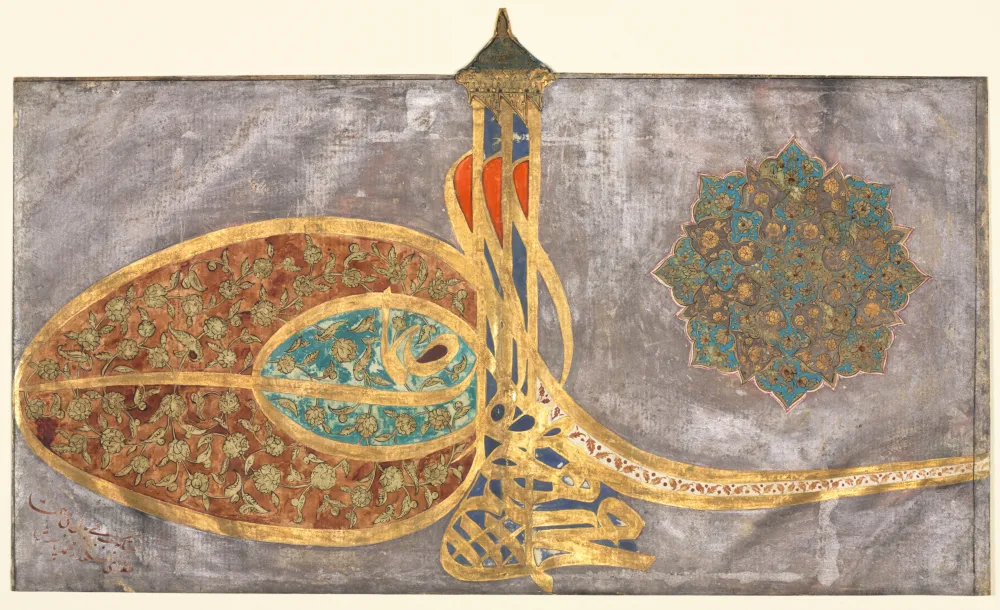
Kaasaegne türgi keel ja selle osmanite minevik
Türgi keelt kõneleb umbes 88 miljonit inimest Türgis ja mitu miljonit inimest diasporaa kogukondades, kusjuures Saksamaal elab üle 3 miljoni türgi keele kõneleja. 1928. aastal asendas Türgi araabia kirjal põhineva osmanite kirjasüsteemi ladina kirjal põhineva tähestikuga, mis oli kohandatud türgi keele helidele. Kaasaegsetes türgi dokumentides kasutatakse seda ladina tähestikku. Vanemad osmanite dokumendid enne reformi kasutavad araabia kirjal põhinevat süsteemi ja vajavad spetsialiseerunud osmanite tõlkijaid. Kaasaegsete türgi PDF-failide puhul on ladina kirjal põhinev süsteem standard.
Türgi keel on aglutinatiivne keel, mis tähendab, et see ehitab keerukaid tähendusi, kuhjates sufikseid juursõnale. Üks türgi sõna võib vastata tervele ingliskeelsele lausele. Näiteks "Türkiyeli olduğunuzu söylediniz" (ütlesite, et olete Türgist) surub mitu grammatilist elementi verbi vormi. See kuhjumine tähendab, et türgi laused võivad sõnade arvu poolest olla ingliskeelsetest lühemad, kuid üksikute sõnade pikkuse poolest pikemad. Ingliskeelse teksti jaoks suurusega tabelirakud ja tekstiväljad võivad vajada pikemate türgi sõnade mahutamiseks ümberpaigutamist.
Dokumendid, mida inimesed tõlgivad türgi ja inglise keele vahel
Türgi diaspora Euroopas ja Türgi ning rahvusvaheliste turgude vaheline kaubamaht tekitavad pideva hulga dokumente, mida tuleb mõlemas suunas tõlkida:
- Saksa, Hollandi või muu Euroopa elamisloa taotlemiseks türgi kodanike sisserändedokumendid
- Isiklikud dokumendid, nagu sünni-, abielu- ja lahutustunnistused, Euroopas asuva suure türgi diaspora jaoks
- Ärilepingud ja tarnijalepingud Türgi ja rahvusvaheliste ettevõtete vahel
- Tehniline dokumentatsioon Türgi tootjatele, kes ekspordivad Euroopasse või Põhja-Ameerikasse
- Meditsiinilised dokumendid Türgi patsientidele, kes otsivad ravi välismaal
- Akadeemilised tunnistused Türgi üliõpilastele, kes kandideerivad välisülikoolidesse
AI-tõlge on kiire ja odav valik, kui teil on vaja dokumenti lugeda, seda sisemiselt jagada või koostada tööversiooni. Saksa, ELi või muude sisserändebüroode ametlikud esitamised nõuavad tavaliselt sertifitseeritud tõlget koos inimkontrolliga. Vaadake nende juhtumite jaoks linki.
Inglise keelest türgi keelde PDF-tõlke hinnad
Registreeruge tasuta, makske dokumendi eest ja uuendage vastavalt oma tõlkevajadustele.
Free
Kaardiandmeid pole registreerumiseks vaja
- 0,005 $ / sõna tehisintellekti tõlge
- 1 $ lehekülje eest skannitud ja pildiga PDF-ide puhul
- 108 keelt
- Failid kuni 20 MB ja 20 lehekülge
- DOCX, PDF, XLSX, PPTX, IDML, TXT, JPG, PNG ja CSV
- Ainult 24-tunnine failide salvestusruum
- PDF-redaktor ja PDF-failide teisendaja DOCX-vormingusse
Põhi
Kõige populaarsemArveldatakse igal nädalal · tühistamine igal ajal
Arveldatakse kord kuus
Arveldatakse kord aastas · säästate 33%
- AI-tõlge iga kuu
- Seejärel 0,005 $/sõna AI-tõlge
- Failid kuni 100 MB ja 300 lehekülge
- DOCX, PDF, XLSX, PPTX, IDML, TXT, JPG, PNG ja CSV
- OCR skannitud dokumentidele
- Dokumendi salvestusruum
- Prioriteetne tugi
- 7-päevane tasuta prooviversioon igakuise paketiga
- Tühista igal ajal
Pro
Arveldatakse kord kuus
Arveldatakse kord aastas · säästate 34%
- AI-tõlge iga kuu
- Seejärel 0,004 $/sõna AI-tõlge
- Failid kuni 1 GB ja 5000 lehekülge
- DOCX, PDF, XLSX, PPTX, IDML, TXT, JPG, PNG ja CSV
- Sõnastik
- Prioriteetne järjekord
- 5 meeskonnaliiget
- API-päringud · 1000 lehekülge kuus
- MCP juurdepääs AI assistentidele
- Tühista igal ajal
Äri
Arveldatakse kord kuus
Arveldatakse kord aastas · säästate 33%
- AI-tõlge iga kuu
- Seejärel 0,003 $/sõna AI-tõlge
- Failid kuni 1 GB ja 5000 lehekülge
- DOCX, PDF, XLSX, PPTX, IDML, TXT, JPG, PNG ja CSV
- Sõnastik
- Prioriteetne järjekord
- 15 meeskonnaliiget
- API-päringud · 5000 lehekülge kuus
- MCP juurdepääs AI assistentidele
- Tühista igal ajal
Ettevõtetele
Vajate rohkem mahtu, arveldamist või kohandatud lepingut? Rääkige meiega Enterprise paketist.
Kuidas oma PDF-i türgi keelde tõlkida
Loo tasuta konto
Registreeru oma e-posti aadressiga, et pääseda juurde veebipõhisele tõlkepaneelile.
Laadige üles oma PDF-fail
Lohistage ja kukutage oma fail või sirvige, et see valida. Pro ja Äri paketiga toetatakse faile kuni 1 GB.
Valige sihtkeeleks türgi keel
Valige oma PDF-i algne keel ja määrake sihtkeeleks türgi keel.
Tõlgi ja laadi alla
Klõpsake "Tõlgi" ja oodake mõni hetk. Teie tõlgitud PDF on türgi keeles allalaadimiseks valmis, vorming säilib.
Inglise keelest türgi keelde PDF-tõlke KKK
Kas tähiseta ı (suur I ilma täpita) kuvatakse PDF-is õigesti?
Jah. Türgi keeles on kaks erinevat "i" tähte: tähisega i/I ja tähiseta ı/I. Need tähistavad erinevaid häälikuid ja ei ole kunagi vahetatavad. Väljundfond ja tõlkemootor käsitlevad neid eraldi tähemärkidena, nii et erinevus säilib, mitte ei kao ühte tähte.
Kas DocTranslator saab hakkama osmanitürgi dokumentidega (araabia kirjas)?
DocTranslator tõlgib tänapäevast türgi keelt, mis kasutab 1928. aastal kasutusele võetud ladina kirja. Araabia kirjas osmanite süsteemis enne reformi kirjutatud osmanite dokumendid nõuavad spetsiifilisi osmanitürgi keele oskusi ja ei kuulu tavapärase tehisintellekti tõlke alla.
Kas ma saan tõlkida türgi keelest inglise keelde?
Jah. Paar töötab mõlemas suunas. Türgi-inglise tõlge kohandab küljendust ka tekstitiheduse muutuse jaoks.
Milliseid dokumente vajavad türgi diaspora kogukonnad tõlkimiseks?
Sünni-, abielu- ja surmatunnistused Saksamaa ja teiste Euroopa elamis- või kodakondsustaotluste jaoks; kinnisvaradokumendid Türgist; haridustunnistused; ja meditsiinilised dokumendid.
Kas tehisintellekti tõlge on türgi sisserändedokumentide jaoks piisav?
Lugemiseks ja ettevalmistamiseks jah. Ametlikud esitamised Saksa, ELi või muudele sisserändebüroodele nõuavad tavaliselt sertifitseeritud tõlget. Vaadake ametlike esitamiste jaoks sertifitseeritud tõlget.
Kui suurt türgi PDF-i ma saan üles laadida?
Dokumendi kohta aktsepteerib tasuta plaan 20 MB ja 20 lehekülge, Basic plaan 100 MB ja 300 lehekülge ning Pro või Business kuni 1 GB ja 5000 lehekülge.
Kas pikad aglutinatiivsed türgi sõnad ületavad minu PDF-i küljenduse?
Türgi keel võib sufiksite virnastamise kaudu toota väga pikki liitsõnu. DocTranslator paigutab teksti ümber, nii et pikad sõnad mahuvad veergudesse ja tabeliridadesse, mitte ei ületa neid.
Tõlgige oma PDF türgi keelde juba täna
DocTranslator teisendab PDF-faile inglise ja türgi keele vahel, tagades õige punktiga ja punktita i renderduse, aglutinatiivsete sõnade ümberpaigutamise ja säilinud vormingu, toetades kuni 1 GB suuruseid faile.
Seotud tööriistad
Tõlgi PDF keele järgi
Dokumenditüübid
Meie partnerid