
Isalin ang PDF sa Turkish
I-convert ang mga PDF na Ingles sa Turkish habang pinapanatili ang pagkakaiba ng may tuldok na i at walang tuldok na ı na naghihiwalay sa mga tunog ng Turkish, o isalin ang mga dokumentong Turkish pabalik sa Ingles. Dahil ang Turkish ay bumubuo ng napakahabang mga salita sa pamamagitan ng pagpapatong ng mga suffix sa mga ugat, ang layout ay nagre-reflow upang ang mga salitang iyon ay magkasya sa loob ng mga talahanayan at text box nang hindi lumalampas. Mga file hanggang 1 GB.
Mag-upload o mag-drop ng dokumento para isalin
Max. laki ng file 1 GB
- OCR para sa mga scan at larawan
- 108 na wika
- Napanatili ang orihinal na layout
Ano ang nangyayari kapag isinasalin mo ang isang PDF papunta o mula sa Turkish
Pinalitan ng Turkish ang Ottoman writing system na gumagamit ng Arabic script nito ng alpabetong nakabatay sa Latin noong 1928. Ang mga modernong dokumentong Turkish ay gumagamit lahat ng Latin script na ito, na nagbabahagi ng karamihan sa mga letra sa Ingles ngunit nagdaragdag ng ilang mga karakter na wala sa Ingles. Ang pinakamahalaga ay ang pagkakaiba sa pagitan ng may tuldok na i (i/I) at walang tuldok na ı (ı/I). Ang mga ito ay dalawang ganap na magkahiwalay na letra sa Turkish na may iba't ibang tunog at iba't ibang mga tungkuling panggramatika. Ang paglalagay sa mga ito sa isang solong "i" na parang Ingles ay nagreresulta sa maling pagbaybay ng mga salitang Turkish. Ang translation engine at ang output font ay pinapanatili ang pagkakaiba sa buong dokumento.
Ang Turkish ay isang agglutinative na wika, na nangangahulugang bumubuo ito ng kahulugan sa pamamagitan ng pagdaragdag ng mga suffix nang direkta sa isang salitang ugat nang paisa-isa. Ang isang pagkakasunud-sunod ng mga ideyang panggramatika na ipinapahayag ng Ingles gamit ang isang parirala ng ilang maikling salita ay maaaring lumitaw sa Turkish bilang isang solong mahabang tambalang salita. Sinusunod din ng Turkish ang subject-object-verb word order, ang kabaligtaran ng English subject-verb-object, kaya ang mga isinaling pangungusap ay muling binubuo mula sa simula sa halip na basta-basta pagpapalit ng mga indibidwal na salita. Ang vowel harmony ay isa pang tuntunin sa gramatika: ang mga patinig sa loob ng isang salita at ang mga suffix nito ay dapat kabilang sa parehong grupo ng patinig sa harap o likod, na awtomatikong hinahawakan ng translation engine.
Ang praktikal na kahihinatnan para sa pagsasalin ng PDF ay ang mga salitang Turkish ay madalas na mas mahaba kaysa sa kanilang mga katumbas sa Ingles. Ang isang column ng talahanayan o text box na may sukat para sa tekstong Ingles ay maaaring hindi magkasya sa salitang Turkish na pumalit dito nang hindi lumalampas. Ang DocTranslator ay nagre-reflow ng teksto upang manatiling buo ang layout: ang mga lapad ng column, mga cell ng talahanayan, at mga line break ay lahat ay nag-a-adjust upang malinis na mailagay ang output ng Turkish nang walang pagputol.
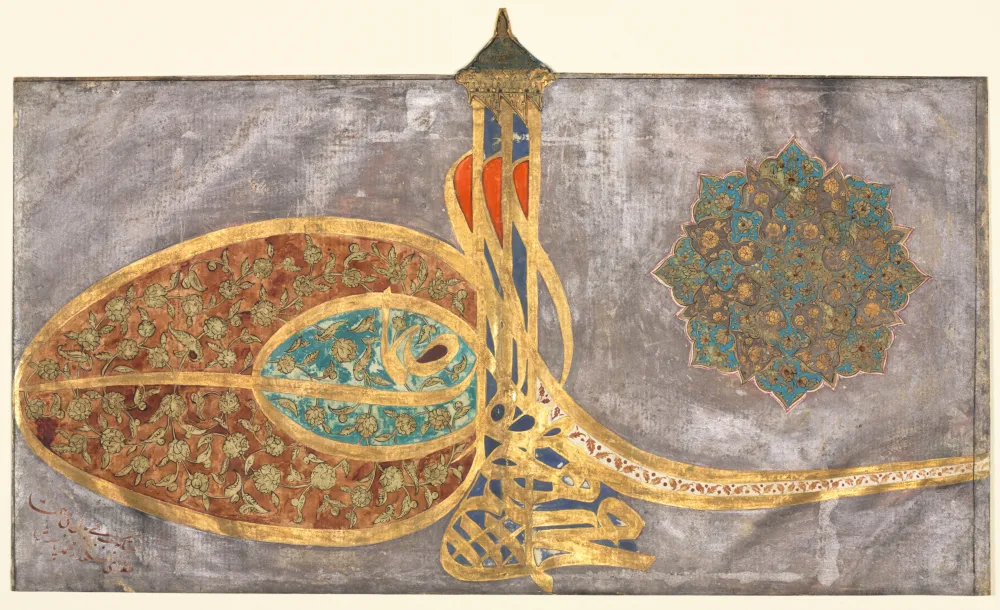
Modernong Turkish at ang nakaraan nitong Ottoman
Ang Turkish ay sinasalita ng humigit-kumulang 88 milyong tao sa Turkey at ng ilang milyong higit pa sa mga komunidad ng diaspora, kung saan ang Germany lamang ay tahanan ng mahigit 3 milyong nagsasalita ng Turkish. Noong 1928, pinalitan ng Turkey ang Ottoman writing system na gumagamit ng Arabic script ng isang alpabetong nakabatay sa Latin na iniakma sa mga tunog ng Turkish. Ang mga modernong dokumentong Turkish ay gumagamit lahat ng Latin script na ito. Ang mga mas lumang dokumentong Ottoman mula bago ang reporma ay gumagamit ng sistema ng Arabic script at nangangailangan ng mga espesyalistang tagasalin ng Ottoman. Para sa mga kontemporaryong PDF na Turkish, ang Latin-based script ang pamantayan sa lahat ng dako.
Ang Turkish ay isang agglutinative language, na nangangahulugang bumubuo ito ng mga kumplikadong kahulugan sa pamamagitan ng pagpapatong-patong ng mga suffix sa isang root word. Ang isang salitang Turkish ay maaaring katumbas ng isang buong English clause. Halimbawa, ang "Türkiyeli olduğunuzu söylediniz" (sinabi mong ikaw ay mula sa Turkey) ay naglalaman ng ilang mga elemento ng gramatika sa anyo ng pandiwa. Ang pagpapatong-patong na ito ay nangangahulugang ang mga pangungusap na Turkish ay maaaring mas maikli kaysa sa mga English sa bilang ng salita ngunit mas mahaba sa haba ng indibidwal na salita. Ang mga table cell at text box na may sukat para sa English text ay maaaring mangailangan ng reflowing upang magkasya ang mas mahahabang salitang Turkish.
Mga dokumentong isinasalin ng mga tao sa pagitan ng Turkish at English
Ang Turkish diaspora sa Europe at ang dami ng kalakalan sa pagitan ng Turkey at mga internasyonal na merkado ay lumilikha ng tuluy-tuloy na daloy ng mga dokumento na kailangang isalin sa parehong direksyon:
- Mga dokumento sa imigrasyon para sa mga mamamayan ng Turkish na nag-a-apply para sa residence sa Germany, Netherlands, o iba pang European bansa
- Mga personal na dokumento tulad ng birth, marriage, at divorce certificates para sa malaking Turkish diaspora sa Europe
- Mga kontrata sa negosyo at kasunduan sa supplier sa pagitan ng mga kumpanyang Turkish at internasyonal
- Teknikal na dokumentasyon para sa mga Turkish manufacturer na nag-e-export sa Europe o North America
- Mga medical record para sa mga pasyenteng Turkish na naghahanap ng paggamot sa ibang bansa
- Mga academic certificate para sa mga estudyanteng Turkish na nag-a-apply sa mga dayuhang unibersidad
Ang AI translation ay ang mabilis, mababang-gastos na opsyon kapag kailangan mong basahin ang isang dokumento, ibahagi ito sa loob ng kumpanya, o gumawa ng isang working draft. Ang mga opisyal na pagsumite sa mga tanggapan ng imigrasyon ng Germany, EU, o iba pa ay karaniwang nangangailangan ng certified translation na may human reviewer. Tingnan ang naka-link na pahina para sa mga kasong iyon.
Presyo ng Pagsasalin ng PDF mula English patungong Turkish
Mag-sign up nang libre, magbayad bawat dokumento, at mag-upgrade habang lumalaki ang iyong mga pangangailangan sa pagsasalin.
Free
Hindi kailangan ng card para mag-sign up
- $0.005/salita AI translation
- $1 bawat pahina para sa mga scan at image PDF
- 108 na wika
- Mga file hanggang 20 MB at 20 pahina
- DOCX, PDF, XLSX, PPTX, IDML, TXT, JPG, PNG at CSV
- 24-oras na pag-iimbak ng file lamang
- PDF editor at PDF to DOCX converter
Basic
PinakapopularBinabayaran bawat linggo · kanselahin anumang oras
Binabayaran buwan-buwan
Binabayaran isang beses sa isang taon · makatipid ng 33%
- AI translation kasama bawat buwan
- Pagkatapos ay $0.005/salita AI translation
- Mga File hanggang 100 MB at 300 pahina
- DOCX, PDF, XLSX, PPTX, IDML, TXT, JPG, PNG at CSV
- OCR para sa mga naka-scan na dokumento
- Document storage
- Priority support
- 7-araw na libreng trial sa buwanang plano
- Kanselahin anumang oras
Pro
Binabayaran buwan-buwan
Binabayaran isang beses sa isang taon · makatipid ng 34%
- AI translation kasama bawat buwan
- Pagkatapos ay $0.004/salita AI translation
- Mga File hanggang 1 GB at 5,000 pahina
- DOCX, PDF, XLSX, PPTX, IDML, TXT, JPG, PNG at CSV
- Glossary
- Priority queue
- 5 team seats
- API requests · 1,000 pahina bawat buwan
- MCP access para sa AI assistants
- Kanselahin anumang oras
Business
Binabayaran buwan-buwan
Binabayaran isang beses sa isang taon · makatipid ng 33%
- AI translation kasama bawat buwan
- Pagkatapos ay $0.003/salita AI translation
- Mga File hanggang 1 GB at 5,000 pahina
- DOCX, PDF, XLSX, PPTX, IDML, TXT, JPG, PNG at CSV
- Glossary
- Priority queue
- 15 team seats
- API requests · 5,000 pahina bawat buwan
- MCP access para sa AI assistants
- Kanselahin anumang oras
Enterprise
Kailangan ng mas maraming volume, invoicing o custom na kasunduan? Makipag-usap sa amin tungkol sa isang Enterprise plan.
Paano Isalin ang Iyong PDF sa Turkish
Gumawa ng libreng account
Mag-sign up gamit ang iyong email upang ma-access ang online translation dashboard.
I-upload ang iyong PDF file
I-drag at i-drop ang iyong file o mag-browse upang piliin ito. Ang mga file na hanggang 1 GB ay suportado sa mga Pro at Business plan.
Piliin ang Turkish bilang target na wika
Piliin ang orihinal na wika ng iyong PDF at itakda ang Turkish bilang target na wika.
Isalin at i-download
I-click ang "Translate" at maghintay ng ilang sandali. Ang iyong isinaling PDF ay magiging handa nang i-download sa Turkish, na napapanatili ang formatting.
Mag-explore ng iba pang mga serbisyo sa pagsasalin ng dokumento
FAQ sa Pagsasalin ng PDF mula English patungong Turkish
Lumalabas ba nang tama ang dotless ı (malaking titik na I na walang tuldok) sa PDF?
Oo. Ang Turkish ay may dalawang magkaibang titik na "i": ang may tuldok na i/I at ang walang tuldok na ı/I. Kumakatawan sila sa iba't ibang tunog at hindi kailanman mapagpapalit. Tinatrato ng output font at translation engine ang mga ito bilang magkahiwalay na karakter, kaya ang pagkakaiba ay napapanatili sa halip na mapagsama sa isang titik.
Maaari bang hawakan ng DocTranslator ang mga dokumentong Ottoman Turkish (Arabic-script)?
Isinasalin ng DocTranslator ang modernong Turkish, na gumagamit ng alpabetong batay sa Latin na ipinakilala noong 1928. Ang mga dokumentong Ottoman na nakasulat sa sistema ng Ottoman na Arabic-script bago ang reporma ay nangangailangan ng espesyal na kaalaman sa Ottoman Turkish at nasa labas ng saklaw ng karaniwang pagsasaling AI.
Maaari ko bang isalin ang Turkish sa English?
Oo. Gumagana ang pares sa parehong direksyon. Ang Turkish-to-English ay nag-aayos din ng layout para sa pagbabago sa density ng teksto.
Anong mga dokumento ang kailangan isalin ng mga komunidad ng diaspora ng Turkish?
Mga sertipiko ng kapanganakan, kasal, at diborsyo para sa mga aplikasyon ng paninirahan o pagkamamamayan sa Germany at iba pang European; mga dokumento ng ari-arian mula sa Turkey; mga sertipiko ng edukasyon; at mga medikal na tala.
Sapat na ba ang pagsasaling AI para sa mga dokumentong pang-imigrasyon ng Turkish?
Para sa pagbabasa at paghahanda, oo. Ang mga opisyal na pagsumite sa mga tanggapan ng imigrasyon ng Germany, EU, o iba pa ay karaniwang nangangailangan ng certified translation. Tingnan ang certified translation para sa mga opisyal na pagsumite.
Gaano kalaki ang Turkish PDF na maaari kong i-upload?
Bawat dokumento, ang Free ay tumatanggap ng 20 MB at 20 pahina, Basic 100 MB at 300 pahina, at Pro o Business hanggang 1 GB at 5,000 pahina.
Mag-o-overflow ba ang mahahabang salitang Turkish na agglutinative sa layout ng aking PDF?
Maaaring makabuo ang Turkish ng napakahahabang tambalang salita sa pamamagitan ng pagpapatong ng mga suffix. Nirereflow ng DocTranslator ang teksto upang ang mahahabang salita ay magkasya sa loob ng mga column at table cell sa halip na mag-overflow.
Isalin ang Iyong PDF sa Turkish Ngayon
Ang DocTranslator ay nagko-convert ng mga PDF sa pagitan ng English at Turkish na may tamang dotted at dotless i rendering, agglutinative word reflowing, at napapanatiling formatting, na sumusuporta sa mga file hanggang 1 GB.
Mga Kaugnay na Tool
Isalin ang PDF ayon sa Wika
Mga Uri ng Dokumento
Ang Aming mga Partner