
Käännä PDF turkiksi
Muunna englanninkieliset PDF-tiedostot turkiksi säilyttäen pisteellisen i:n ja pisteettömän ı:n eron, joka erottaa turkkilaiset äänet, tai käännä turkkilaisia asiakirjoja takaisin englanniksi. Koska turkki rakentaa hyvin pitkiä sanoja pinoamalla päätteitä juuriin, asettelu mukautuu niin, että sanat mahtuvat taulukoihin ja tekstiruutuihin ilman ylivuotoa. Tiedostot jopa 1 Gt.
Lataa tai pudota käännettävä asiakirja
Suurin tiedostokoko 1 Gt
- OCR skannauksille ja valokuville
- 108 kieltä
- Alkuperäinen asettelu säilytetään
Mitä tapahtuu, kun käännät PDF-tiedoston turkiksi tai turkista
Turkki korvasi arabialaisella kirjaimistolla kirjoitetun ottomaanien kirjoitusjärjestelmänsä latinalaisperäisellä aakkostolla vuonna 1928. Nykyaikaiset turkkilaiset asiakirjat käyttävät kaikki tätä latinalaista kirjaimistoa, joka jakaa useimmat kirjaimet englannin kanssa, mutta lisää useita merkkejä, joita englannissa ei ole. Tärkein on pisteellisen i:n (i/I) ja pisteettömän ı:n (ı/I) ero. Nämä ovat kaksi täysin erillistä kirjainta turkissa, joilla on eri äänet ja eri kieliopilliset roolit. Niiden yhdistäminen yhdeksi englanninkieliseksi "i":ksi tuottaa virheellisesti kirjoitettuja turkkilaisia sanoja. Käännöskone ja tulostusfontti säilyttävät eron koko asiakirjassa.
Turkki on agglutinatiivinen kieli, mikä tarkoittaa, että se rakentaa merkityksiä liittämällä päätteitä suoraan sanajuureen yksi toisensa jälkeen. Kieliopillisia ideoita, jotka englanti ilmaisee usean lyhyen sanan lauseella, voi esiintyä turkissa yhtenä pitkänä yhdyssanana. Turkki noudattaa myös subjekti-objekti-verbi-sanajärjestystä, päinvastoin kuin englannin subjekti-verbi-objekti, joten käännetyt lauseet rakennetaan uudelleen tyhjästä sen sijaan, että vain vaihdettaisiin yksittäisiä sanoja. Vokaaliharmonia on toinen kielioppisääntö: sanan ja sen päätteiden vokaalien on kuuluttava samaan etu- tai takavokaaliryhmään, minkä käännöskone hoitaa automaattisesti.
Käytännön seuraus PDF-käännöksille on, että turkkilaiset sanat ovat usein pidempiä kuin vastaavat englanninkieliset sanat. Taulukon sarake tai tekstiruutu, joka on mitoitettu englanninkieliselle tekstille, ei välttämättä mahduta sitä korvaavaa turkkilaista sanaa ilman ylivuotoa. DocTranslator mukauttaa tekstiä niin, että asettelu pysyy ennallaan: sarakkeiden leveydet, taulukon solut ja rivinvaihdot säätyvät pitämään turkkilaisen tulosteen siististi ilman leikkaantumista.
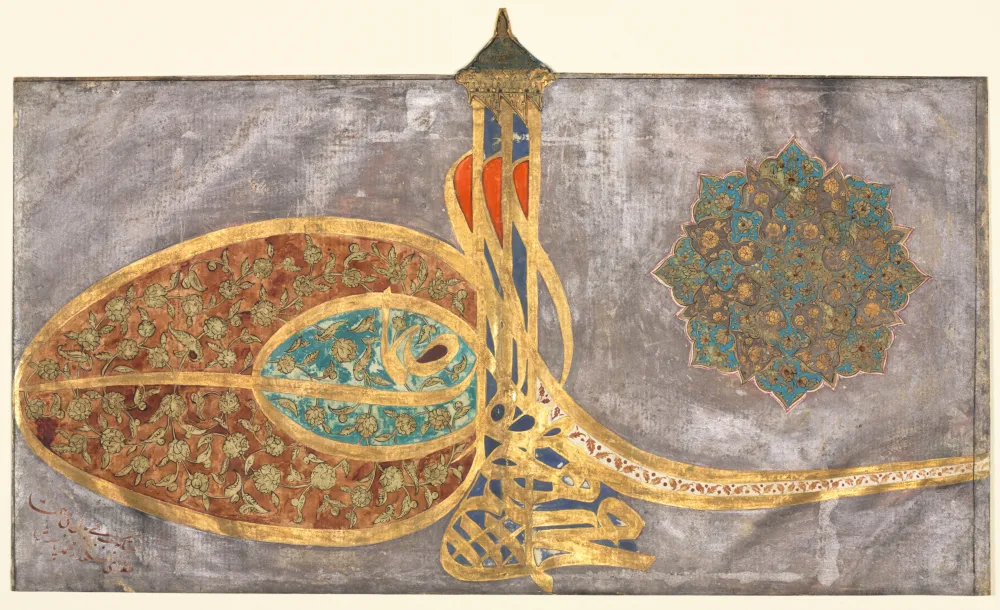
Moderni turkki ja sen ottomaanien aikainen menneisyys
Turkkia puhuu noin 88 miljoonaa ihmistä Turkissa ja useita miljoonia lisää diasporayhteisöissä, Saksassa yksin asuu yli 3 miljoonaa turkinkielistä puhujaa. Vuonna 1928 Turkki korvasi arabialaisin kirjaimin kirjoitetun ottomaanien kirjoitusjärjestelmän latinalaispohjaisella aakkostolla, joka on räätälöity turkin kielen äänteille. Nykyaikaiset turkinkieliset asiakirjat käyttävät kaikki tätä latinalaista kirjaimistoa. Vanhemmat ottomaanien aikaiset asiakirjat ennen uudistusta käyttävät arabialaisin kirjaimin kirjoitettua järjestelmää ja vaativat erikoistuneita ottomaanien kääntäjiä. Nykyaikaisille turkinkielisille PDF-tiedostoille latinalaispohjainen kirjaimisto on standardi.
Turkki on agglutinoiva kieli, mikä tarkoittaa, että se rakentaa monimutkaisia merkityksiä pinoamalla päätteitä sanajuureen. Yksi turkkilainen sana voi vastata kokonaista englanninkielistä lausetta. Esimerkiksi "Türkiyeli olduğunuzu söylediniz" (sanoit olevasi Turkista) tiivistää useita kieliopillisia elementtejä verbin muotoon. Tämä pinoaminen tarkoittaa, että turkkilaiset lauseet voivat olla lyhyempiä kuin englanninkieliset sanamäärältään, mutta pidempiä yksittäisten sanojen pituudeltaan. Taulukoiden soluja ja tekstiruutuja, jotka on mitoitettu englanninkieliselle tekstille, saatetaan joutua muotoilemaan uudelleen pidempien turkkilaisten sanojen mahtumiseksi.
Asiakirjat, joita ihmiset kääntävät turkin ja englannin välillä
Euroopan turkkilainen diaspora ja Turkin sekä kansainvälisten markkinoiden välinen kaupan volyymi synnyttävät tasaista virtaa asiakirjoja, jotka on käännettävä molempiin suuntiin:
- Maahanmuuttoasiakirjat turkkilaisille kansalaisille, jotka hakevat Saksan, Alankomaiden tai muiden Euroopan maiden oleskelulupaa
- Henkilökohtaiset asiakirjat, kuten syntymä-, avioliitto- ja avioerotodistukset Euroopan suurelle turkkilaiselle diasporalle
- Liikesopimukset ja toimittajasopimukset turkkilaisten ja kansainvälisten yritysten välillä
- Tekninen dokumentaatio turkkilaisille valmistajille, jotka vievät Eurooppaan tai Pohjois-Amerikkaan
- Sairauskertomukset turkkilaisille potilaille, jotka hakevat hoitoa ulkomailta
- Akateemiset todistukset turkkilaisille opiskelijoille, jotka hakevat ulkomaisiin yliopistoihin
Tekoälykäännös on nopea ja edullinen vaihtoehto, kun sinun on luettava asiakirjaa, jaettava se sisäisesti tai tuotettava luonnos. Viralliset toimitukset Saksan, EU:n tai muiden maahanmuuttovirastojen käsiteltäväksi vaativat yleensä sertifioidun käännöksen ihmisen tarkistamana. Katso linkitetty sivu näitä tapauksia varten.
Englannista turkkiin PDF-käännösten hinnoittelu
Rekisteröidy ilmaiseksi, maksa asiakirjakohtaisesti ja päivitä tarpeidesi kasvaessa.
Free
Ei tarvitse korttia rekisteröityäksesi
- 0,005 $/sana tekoälykäännös
- 1 $ per sivu skannatuille ja kuvapohjaisille PDF-tiedostoille
- 108 kieltä
- Tiedostot jopa 20 Mt ja 20 sivua
- DOCX, PDF, XLSX, PPTX, IDML, TXT, JPG, PNG ja CSV
- Vain 24 tunnin tiedostojen tallennus
- PDF-editori ja PDF–DOCX-muunnin
Perus
SuosituinLaskutetaan viikoittain · peru milloin tahansa
Laskutetaan kuukausittain
Laskutetaan kerran vuodessa · säästä 33 %
- tekoälykäännöstä sisältyy joka kuukausi
- Sitten 0,005 $/sana tekoälykäännös
- Tiedostot jopa 100 Mt ja 300 sivua
- DOCX, PDF, XLSX, PPTX, IDML, TXT, JPG, PNG ja CSV
- OCR skannatuille asiakirjoille
- Asiakirjojen tallennus
- Prioriteettituki
- 7 päivän ilmainen kokeilu kuukausittaisella tilauksella
- Peruuta milloin tahansa
Pro
Laskutetaan kuukausittain
Laskutetaan kerran vuodessa · säästä 34 %
- tekoälykäännöstä sisältyy joka kuukausi
- Sitten 0,004 $/sana tekoälykäännös
- Tiedostot jopa 1 Gt ja 5 000 sivua
- DOCX, PDF, XLSX, PPTX, IDML, TXT, JPG, PNG ja CSV
- Sanasto
- Prioriteettijono
- 5 tiimin jäsentä
- API-pyynnöt · 1 000 sivua kuukaudessa
- MCP-käyttö tekoälyavustajille
- Peruuta milloin tahansa
Business
Laskutetaan kuukausittain
Laskutetaan kerran vuodessa · säästä 33 %
- tekoälykäännöstä sisältyy joka kuukausi
- Sitten 0,003 $/sana tekoälykäännös
- Tiedostot jopa 1 Gt ja 5 000 sivua
- DOCX, PDF, XLSX, PPTX, IDML, TXT, JPG, PNG ja CSV
- Sanasto
- Prioriteettijono
- 15 tiimin jäsentä
- API-pyynnöt · 5 000 sivua kuukaudessa
- MCP-käyttö tekoälyavustajille
- Peruuta milloin tahansa
Yrityksille
Tarvitsetko enemmän volyymia, laskutusta tai räätälöityä sopimusta? Keskustele kanssamme Enterprise-tilauksesta.
Kuinka kääntää PDF-tiedostosi turkiksi
Luo ilmainen tili
Rekisteröidy sähköpostillasi päästäksesi online-käännöspaneeliin.
Lataa PDF-tiedostosi
Vedä ja pudota tiedostosi tai selaa valitaksesi sen. Pro- ja Business-tilaukset tukevat jopa 1 Gt:n tiedostoja.
Valitse turkki kohdekieleksi
Valitse PDF-tiedostosi alkuperäinen kieli ja aseta turkki kohdekieleksi.
Käännä ja lataa
Napsauta "Käännä" ja odota hetki. Käännetty PDF-tiedostosi on valmis ladattavaksi turkiksi, ja muotoilu säilyy.
Englannista turkkiin PDF-käännösten UKK
Näkyykö pisteetön ı (iso I ilman pistettä) PDF-tiedostossa oikein?
Kyllä. Turkissa on kaksi erillistä "i"-kirjainta: pisteellinen i/I ja pisteetön ı/I. Ne edustavat eri äänteitä eivätkä ole koskaan vaihdettavissa. Tulostusfontti ja käännöskone käsittelevät niitä erillisinä merkkeinä, joten ero säilyy sen sijaan, että ne sulautuisivat yhdeksi kirjaimeksi.
Voiko DocTranslator käsitellä Ottomaanien turkkilaisia dokumentteja (arabialaisin kirjaimin)?
DocTranslator kääntää modernia turkkia, joka käyttää latinalaisperäistä aakkostoa, joka otettiin käyttöön vuonna 1928. Ottomaanien dokumentit, jotka on kirjoitettu arabialaisella kirjaimistolla ennen uudistusta, vaativat erikoistunutta ottomaanien turkin kielen osaamista ja ovat tavanomaisen tekoälykäännöksen ulkopuolella.
Voinko kääntää turkista englanniksi?
Kyllä. Pari toimii molempiin suuntiin. Turkki-englanti -käännös mukauttaa myös asettelua tekstitiheyden muutoksen vuoksi.
Mitä dokumentteja turkkilaiset diasporayhteisöt tarvitsevat käännettynä?
Syntymä-, avioliitto- ja avioerotodistukset Saksan ja muiden Euroopan maiden oleskelu- tai kansalaisuusanomuksia varten; kiinteistöasiakirjat Turkista; koulutodistukset; ja sairauskertomukset.
Riittääkö tekoälykäännös turkkilaisiin maahanmuuttodokumentteihin?
Lukemista ja valmistelua varten kyllä. Viralliset toimitukset Saksan, EU:n tai muiden maahanmuuttovirastojen käsiteltäväksi vaativat yleensä sertifioidun käännöksen. Katso sertifioitu käännös virallisia toimituksia varten.
Kuinka suuren turkkilaisen PDF-tiedoston voin ladata?
Asiakirjaa kohden Free-taso hyväksyy 20 Mt ja 20 sivua, Basic-taso 100 Mt ja 300 sivua, ja Pro tai Business jopa 1 Gt ja 5 000 sivua.
Valuvatko pitkät agglutinoivat turkin sanat PDF-asetteluni ulkopuolelle?
Turkki voi tuottaa hyvin pitkiä yhdyssanoja päätteiden pinoamisella. DocTranslator mukauttaa tekstiä niin, että pitkät sanat mahtuvat sarakkeisiin ja taulukon soluihin sen sijaan, että ne ylittäisivät rajat.
Käännä PDF-tiedostosi turkiksi tänään
DocTranslator muuntaa PDF-tiedostoja englannin ja turkin välillä oikealla pisteellisten ja pisteettömien i-kirjainten renderöinnillä, agglutinoivien sanojen uudelleenmuotoilulla ja säilytetyllä muotoilulla, tukien jopa 1 Gt:n tiedostoja.
Liittyvät työkalut
Käännä PDF kielen mukaan
Asiakirjatyypit
Kumppanimme