Přeložit PDF do turečtiny
Převeďte anglická PDF do turečtiny při zachování rozlišení tečkovaného i tečkovaného ı, které odděluje turecké zvuky, nebo přeložte turecké dokumenty zpět do angličtiny. Protože turečtina buduje velmi dlouhá slova skládáním přípon k kořenům, rozložení se přeskupí tak, aby se tato slova vešla do tabulek a textových polí bez přetečení. Soubory až do velikosti 1 GB.
Nahrajte nebo přetáhněte dokument k překladu
Max. velikost souboru 1 GB
- OCR pro skeny a fotografie
- 108 jazyků
- Původní rozložení zachováno
Co se stane, když přeložíte PDF do nebo z turečtiny
Turečtina v roce 1928 nahradila svůj arabský psací systém Osmanské říše latinkou. Moderní turecké dokumenty používají toto latinské písmo, které sdílí většinu písmen s angličtinou, ale přidává několik znaků, které angličtině chybí. Nejdůležitější je rozlišení mezi tečkovaným i (i/I) a tečkovaným ı (ı/I). Jedná se o dvě zcela odlišná písmena v turečtině s různými zvuky a různými gramatickými rolemi. Jejich sloučení do jedné anglické „i“ vytváří překlepy v tureckých slovech. Překladový engine a výstupní font zachovávají toto rozlišení v celém dokumentu.
Turečtina je aglutinační jazyk, což znamená, že buduje významy přikládáním sufixů přímo na kořen slova jeden po druhém. Sekvence gramatických myšlenek, které angličtina vyjadřuje frází několika krátkých slov, se v turečtině může objevit jako jedno dlouhé složené slovo. Turečtina také dodržuje slovosled podmět-předmět-sloveso, což je opak anglického slovosledu podmět-sloveso-předmět, takže přeložené věty jsou restrukturalizovány od základu, nikoli jen prohozením jednotlivých slov. Vokalická harmonie je další gramatické pravidlo: samohlásky uvnitř slova a jeho sufixů musí patřit do stejné skupiny předních nebo zadních samohlásek, což překladový engine zpracovává automaticky.
Praktickým důsledkem pro překlad PDF je, že turecká slova jsou často delší než jejich anglické ekvivalenty. Sloupec tabulky nebo textové pole dimenzované pro anglický text nemusí pojmout turecké slovo, které jej nahrazuje, aniž by přeteklo. DocTranslator přeskupuje text tak, aby rozvržení zůstalo nedotčené: šířky sloupců, buňky tabulek a zlomy řádků se všechny přizpůsobí tak, aby čistě pojaly turecký výstup bez oříznutí.
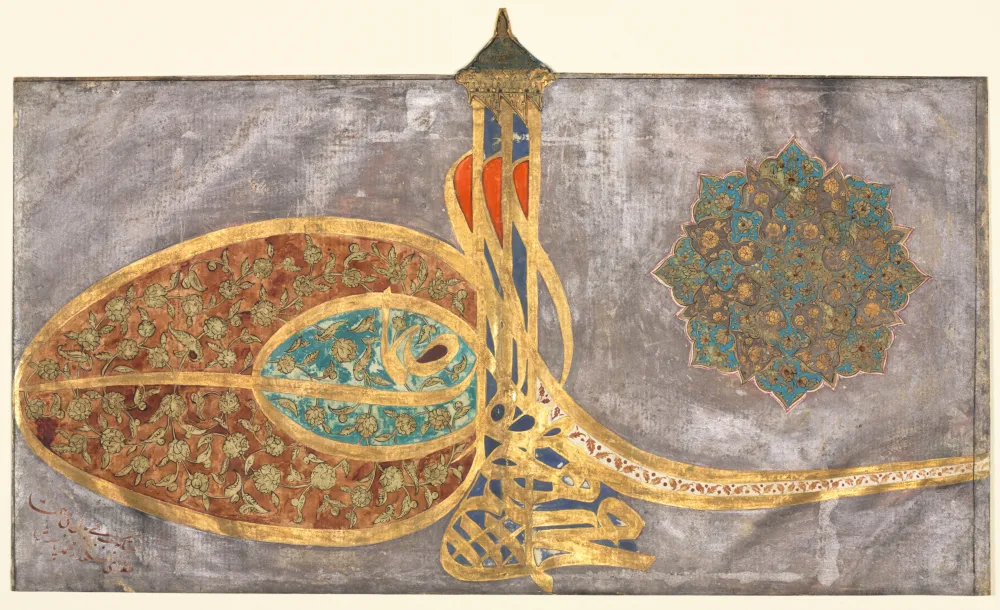
Moderní turečtina a její osmanská minulost
Turecky mluví asi 88 milionů lidí v Turecku a několik milionů dalších v diasporních komunitách, přičemž samotné Německo je domovem více než 3 milionů turecky mluvících. V roce 1928 Turecko nahradilo osmanský psací systém v arabském písmu latinkou přizpůsobenou tureckým zvukům. Moderní turecké dokumenty používají tuto latinku. Starší osmanské dokumenty z doby před reformou používají systém arabského písma a vyžadují specializované osmanské překladatele. Pro současná turecká PDF je standardem latinka.
Turečtina je aglutinační jazyk, což znamená, že buduje složité významy skládáním sufixů na kořen slova. Jediné turecké slovo může odpovídat celé anglické klauzi. Například „Türkiyeli olduğunuzu söylediniz“ (řekl jste, že jste z Turecka) zhušťuje několik gramatických prvků do tvaru slovesa. Toto skládání znamená, že turecké věty mohou být kratší než anglické z hlediska počtu slov, ale delší z hlediska délky jednotlivých slov. Buňky tabulek a textová pole dimenzovaná pro anglický text mohou vyžadovat přeskupení, aby se do nich vešla delší turecká slova.
Dokumenty, které lidé překládají mezi turečtinou a angličtinou
Turecká diaspora v Evropě a objem obchodu mezi Tureckem a mezinárodními trhy generují stálý tok dokumentů, které je třeba překládat v obou směrech:
- Imigrační dokumenty pro turecké státní příslušníky žádající o německé, nizozemské nebo jiné evropské pobyty
- Osobní dokumenty, jako jsou rodné, oddací a rozvodové listy pro velkou tureckou diasporu v Evropě
- Obchodní smlouvy a dohody s dodavateli mezi tureckými a mezinárodními společnostmi
- Technická dokumentace pro turecké výrobce vyvážející do Evropy nebo Severní Ameriky
- Lékařské záznamy pro turecké pacienty hledající léčbu v zahraničí
- Akademické certifikáty pro turecké studenty žádající o přijetí na zahraniční univerzity
Překlad pomocí AI je rychlá a levná možnost, když potřebujete přečíst dokument, sdílet jej interně nebo vytvořit pracovní návrh. Oficiální podání na německé, evropské nebo jiné imigrační úřady obvykle vyžadují certifikovaný překlad s lidským recenzentem. V těchto případech viz odkazovaná stránka.
Ceník překladu PDF z angličtiny do turečtiny
Zaregistrujte se zdarma, plaťte za dokument a upgradujte podle svých potřeb překladu.
Free
K registraci není potřeba karta
- Překlad pomocí AI za 0,005 $/slovo
- 1 $ za stránku pro skeny a obrázkové PDF
- 108 jazyků
- Soubory do 20 MB a 20 stran
- DOCX, PDF, XLSX, PPTX, IDML, TXT, JPG, PNG a CSV
- Pouze 24hodinové ukládání souborů
- editor PDF a převodník PDF do DOCX
Základní
NejpopulárnějšíFakturace každý týden · zrušení kdykoli
Fakturace měsíčně
Fakturace jednou ročně · ušetřete 33 %
- AI překladů zahrnuto každý měsíc
- Poté 0,005 $/slovo AI překlad
- Soubory až do 100 MB a 300 stran
- DOCX, PDF, XLSX, PPTX, IDML, TXT, JPG, PNG a CSV
- OCR pro naskenované dokumenty
- Úložiště dokumentů
- Prioritní podpora
- 7denní zkušební verze zdarma v měsíčním plánu
- Zrušit kdykoli
Pro
Fakturace měsíčně
Fakturace jednou ročně · ušetřete 34 %
- AI překladů zahrnuto každý měsíc
- Poté 0,004 $/slovo AI překlad
- Soubory až do 1 GB a 5 000 stran
- DOCX, PDF, XLSX, PPTX, IDML, TXT, JPG, PNG a CSV
- Slovník
- Prioritní fronta
- 5 míst v týmu
- Požadavky API · 1 000 stran měsíčně
- Přístup MCP pro asistenty AI
- Zrušit kdykoli
Business
Fakturace měsíčně
Fakturace jednou ročně · ušetřete 33 %
- AI překladů zahrnuto každý měsíc
- Poté 0,003 $/slovo AI překlad
- Soubory až do 1 GB a 5 000 stran
- DOCX, PDF, XLSX, PPTX, IDML, TXT, JPG, PNG a CSV
- Slovník
- Prioritní fronta
- 15 míst v týmu
- Požadavky API · 5 000 stran měsíčně
- Přístup MCP pro asistenty AI
- Zrušit kdykoli
Pro firmy
Potřebujete větší objem, fakturaci nebo vlastní dohodu? Promluvte si s námi o plánu Enterprise.
Jak přeložit vaše PDF do turečtiny
Vytvořit bezplatný účet
Zaregistrujte se svým e-mailem a získejte přístup k online překladatelskému panelu.
Nahrajte svůj soubor PDF
Přetáhněte sem soubor nebo procházejte a vyberte jej. Plány Pro a Business podporují soubory až do 1 GB.
Vyberte turečtinu jako cílový jazyk
Vyberte původní jazyk vašeho PDF a nastavte turečtinu jako cílový jazyk.
Přeložit a stáhnout
Klikněte na „Přeložit“ a počkejte několik okamžiků. Vaše přeložené PDF bude připraveno ke stažení v turečtině, s zachovaným formátováním.
Často kladené dotazy k překladu PDF z angličtiny do turečtiny
Zobrazí se beztečková ı (velké I bez tečky) v PDF správně?
Ano. Turečtina má dvě odlišná písmena „i“: tečkované i/I a beztečkové ı/I. Představují různé zvuky a nikdy nejsou zaměnitelné. Výstupní písmo a překladový engine je považují za samostatné znaky, takže rozdíl je zachován, nikoli sloučen do jediného písmene.
Zvládne DocTranslator dokumenty v osmanské turečtině (arabské písmo)?
DocTranslator překládá moderní turečtinu, která používá latinku zavedenou v roce 1928. Osmanské dokumenty psané v arabském písmu před reformou vyžadují specializované znalosti osmanské turečtiny a jsou mimo rozsah standardního překladu AI.
Mohu přeložit turečtinu do angličtiny?
Ano. Párování funguje v obou směrech. Překlad z turečtiny do angličtiny také upravuje rozvržení kvůli změně hustoty textu.
Jaké dokumenty turecké diasporní komunity potřebují přeložit?
Rodné, oddací a rozvodové listy pro žádosti o německé a jiné evropské pobyty či občanství; dokumenty o nemovitostech z Turecka; vysvědčení; a lékařské záznamy.
Je překlad pomocí AI dostatečný pro turecké imigrační dokumenty?
Pro čtení a přípravu ano. Oficiální podání na německé, evropské nebo jiné imigrační úřady obvykle vyžadují certifikovaný překlad. Viz certifikovaný překlad pro oficiální podání.
Jak velký turecký PDF soubor mohu nahrát?
Na dokument Free přijímá 20 MB a 20 stran, Basic 100 MB a 300 stran a Pro nebo Business až 1 GB a 5 000 stran.
Přesáhnou dlouhá aglutinační turecká slova rozvržení mého PDF?
Turečtina může vytvářet velmi dlouhá složená slova pomocí skládání přípon. DocTranslator přizpůsobí text tak, aby se dlouhá slova vešla do sloupců a buněk tabulky, místo aby přetékala.
Přeložte své PDF do turečtiny ještě dnes
DocTranslator převádí PDF mezi angličtinou a turečtinou se správným vykreslováním tečkovaných a netečkovaných i, přeskupováním aglutinačních slov a zachovaným formátováním, podporuje soubory až do velikosti 1 GB.
Související nástroje
Přeložit PDF podle jazyka
Typy dokumentů
Naši partneři