
PDF کا ترکی میں ترجمہ کریں
انگریزی PDFs کو ترکی میں تبدیل کریں جبکہ ڈاٹڈ i اور ڈاٹ لیس ı کے فرق کو محفوظ رکھیں جو ترکی کی آوازوں کو الگ کرتا ہے، یا ترکی دستاویزات کا انگریزی میں واپس ترجمہ کریں۔ چونکہ ترکی جڑوں پر لاحقے جوڑ کر بہت لمبے الفاظ بناتا ہے، لے آؤٹ دوبارہ ترتیب دیا جاتا ہے تاکہ وہ الفاظ ٹیبل اور ٹیکسٹ باکس کے اندر فٹ ہو جائیں بغیر باہر نکلے۔ 1 GB تک کی فائلیں۔
ترجمہ کرنے کے لیے دستاویز اپ لوڈ یا ڈراپ کریں
زیادہ سے زیادہ فائل سائز 1 GB
- سکینز اور تصاویر کے لیے OCR
- 108 زبانیں
- اصل لے آؤٹ برقرار رکھا گیا
جب آپ ترکی میں یا اس سے PDF کا ترجمہ کرتے ہیں تو کیا ہوتا ہے
ترکی نے 1928 میں اپنے عربی رسم الخط والے عثمانی تحریری نظام کو لاطینی پر مبنی حروف تہجی سے بدل دیا۔ جدید ترکی دستاویزات سبھی اس لاطینی رسم الخط کا استعمال کرتی ہیں، جو زیادہ تر حروف انگریزی کے ساتھ مشترک ہیں لیکن کئی ایسے حروف شامل ہیں جو انگریزی میں نہیں ہیں۔ سب سے اہم بات ڈاٹڈ i (i/I) اور ڈاٹ لیس ı (ı/I) کے درمیان فرق ہے۔ یہ ترکی میں دو بالکل الگ حروف ہیں جن کی آوازیں مختلف ہیں اور گرائمر کے کردار بھی مختلف ہیں۔ انہیں ایک ہی انگریزی طرز کے "i" میں بدلنے سے ترکی کے غلط ہجے والے الفاظ بنتے ہیں۔ ترجمہ انجن اور آؤٹ پٹ فونٹ پورے دستاویز میں فرق کو محفوظ رکھتے ہیں۔
ترکی ایک الحاقی زبان ہے، جس کا مطلب ہے کہ یہ جڑ کے لفظ پر ایک کے بعد ایک لاحقے جوڑ کر معنی بناتی ہے۔ گرائمر کے خیالات کا ایک سلسلہ جسے انگریزی میں کئی مختصر الفاظ کی ایک عبارت سے ظاہر کیا جاتا ہے، ترکی میں ایک ہی لمبا مرکب لفظ کے طور پر ظاہر ہو سکتا ہے۔ ترکی میں فاعل-مفعول-فعل کا لفظ ترتیب بھی ہوتا ہے، جو انگریزی فاعل-فعل-مفعول کے برعکس ہے، لہذا ترجمہ شدہ جملے صرف انفرادی الفاظ کو بدلنے کے بجائے شروع سے دوبارہ بنائے جاتے ہیں۔ حرف علت کی ہم آہنگی ایک اور گرائمر کا قاعدہ ہے: لفظ اور اس کے لاحقوں کے اندر حرف علت ایک ہی سامنے یا پیچھے والے حرف علت کے گروپ سے تعلق رکھتے ہیں، جسے ترجمہ انجن خودکار طور پر سنبھالتا ہے۔
PDF ترجمہ کے لیے عملی نتیجہ یہ ہے کہ ترکی کے الفاظ اکثر ان کے انگریزی ہم منصبوں سے لمبے ہوتے ہیں۔ انگریزی متن کے لیے سائز کا ایک ٹیبل کالم یا ٹیکسٹ باکس ترکی کے اس لفظ کو فٹ کرنے کے لیے کافی نہیں ہو سکتا جو اسے باہر نکلے بغیر بدل دیتا ہے۔ DocTranslator متن کو دوبارہ ترتیب دیتا ہے تاکہ لے آؤٹ برقرار رہے: کالم کی چوڑائی، ٹیبل کے سیل، اور لائن بریک سب کچھ ترکی کے آؤٹ پٹ کو صاف ستھرا رکھنے کے لیے ایڈجسٹ ہو جاتا ہے بغیر کلپنگ کے۔
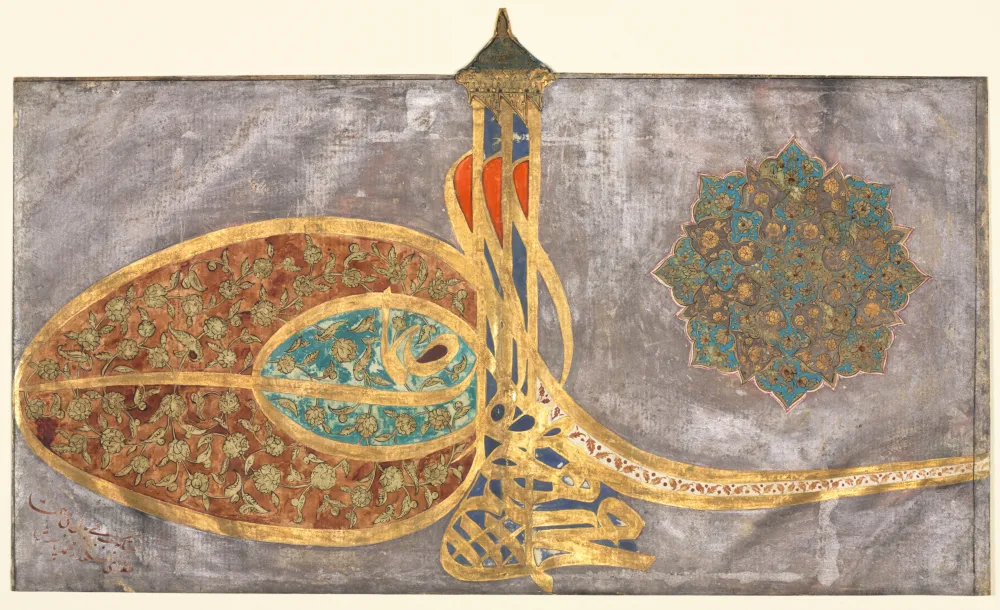
جدید ترکی اور اس کا عثمانی ماضی
ترکی میں تقریباً 88 ملین لوگ اور تارکین وطن کی کمیونٹیز میں لاکھوں لوگ ترکی بولتے ہیں، جرمنی میں اکیلے 3 ملین سے زیادہ ترکی بولنے والے ہیں۔ 1928 میں، ترکی نے عربی رسم الخط پر مبنی عثمانی تحریری نظام کو لاطینی پر مبنی رسم الخط سے بدل دیا جو ترکی کی آوازوں کے مطابق بنایا گیا تھا۔ جدید ترکی دستاویزات سبھی اس لاطینی رسم الخط کا استعمال کرتی ہیں۔ اصلاح سے پہلے کی پرانی عثمانی دستاویزات عربی رسم الخط پر مبنی نظام کا استعمال کرتی ہیں اور انہیں خصوصی عثمانی مترجموں کی ضرورت ہوتی ہے۔ عصری ترکی پی ڈی ایف کے لیے، لاطینی پر مبنی رسم الخط پورے ملک میں معیاری ہے۔
ترکی ایک الحاقی زبان ہے، جس کا مطلب ہے کہ یہ جڑ کے لفظ میں لاحقے جوڑ کر پیچیدہ معنی پیدا کرتی ہے۔ ایک واحد ترکی لفظ پورے انگریزی جملے کے برابر ہو سکتا ہے۔ مثال کے طور پر، "Türkiyeli olduğunuzu söylediniz" (آپ نے کہا کہ آپ ترکی سے ہیں) فعل کی شکل میں کئی گرامر عناصر کو سکیڑتا ہے۔ اس اسٹیکنگ کا مطلب ہے کہ ترکی کے جملے الفاظ کی تعداد میں انگریزی کے جملوں سے چھوٹے ہو سکتے ہیں لیکن انفرادی الفاظ کی لمبائی میں لمبے ہو سکتے ہیں۔ انگریزی متن کے لیے سائز والے ٹیبل سیلز اور ٹیکسٹ باکسز کو لمبے ترکی الفاظ کو فٹ کرنے کے لیے دوبارہ بہانے کی ضرورت پڑ سکتی ہے۔
وہ دستاویزات جن کا لوگ ترکی اور انگریزی کے درمیان ترجمہ کرتے ہیں
یورپ میں ترکی تارکین وطن اور ترکی اور بین الاقوامی منڈیوں کے درمیان تجارت کی مقدار دونوں سمتوں میں ترجمہ کی ضرورت والی دستاویزات کا ایک مستقل بہاؤ پیدا کرتی ہے:
- جرمن، ڈچ، یا دیگر یورپی رہائش کے لیے درخواست دینے والے ترک شہریوں کے لیے امیگریشن دستاویزات
- یورپ میں بڑی ترک تارکین وطن آبادی کے لیے ذاتی دستاویزات جیسے پیدائش، شادی اور طلاق کے سرٹیفکیٹ
- ترک اور بین الاقوامی کمپنیوں کے درمیان کاروباری معاہدے اور سپلائر کے معاہدے
- ترک مینوفیکچررز کے لیے تکنیکی دستاویزات جو یورپ یا شمالی امریکہ کو برآمد کرتے ہیں
- ترک مریضوں کے لیے طبی ریکارڈ جو بیرون ملک علاج کروانا چاہتے ہیں
- غیر ملکی یونیورسٹیوں میں درخواست دینے والے ترک طلباء کے لیے تعلیمی سرٹیفکیٹ
AI ترجمہ تیز، کم لاگت والا آپشن ہے جب آپ کو کسی دستاویز کو پڑھنے، اسے اندرونی طور پر شیئر کرنے، یا ایک ورکنگ ڈرافٹ تیار کرنے کی ضرورت ہو۔ جرمن، یورپی یونین، یا دیگر امیگریشن دفاتر میں سرکاری جمع کرانے کے لیے عام طور پر تصدیق شدہ ترجمہ کی ضرورت ہوتی ہے جس میں انسانی جائزہ لینے والا ہو۔ ان معاملات کے لیے منسلک صفحہ دیکھیں۔
انگریزی سے ترکی پی ڈی ایف ترجمہ کی قیمت
مفت سائن اپ کریں، فی دستاویز ادائیگی کریں، اور جیسے جیسے آپ کی ترجمہ کی ضروریات بڑھتی ہیں اپ گریڈ کریں۔
Free
سائن اپ کرنے کے لیے کارڈ کی ضرورت نہیں
- $0.005/لفظ AI ترجمہ
- اسکین اور امیج پی ڈی ایف کے لیے $1 فی صفحہ
- 108 زبانیں
- 20 MB اور 20 صفحات تک کی فائلیں
- DOCX، PDF، XLSX، PPTX، IDML، TXT، JPG، PNG اور CSV
- صرف 24 گھنٹے فائل اسٹوریج
- PDF ایڈیٹر اور PDF سے DOCX کنورٹر
بنیادی
سب سے زیادہ مقبولہر ہفتے بل کیا جائے گا · کسی بھی وقت منسوخ کریں
ماہانہ بل کیا جائے گا
سالانہ بل کیا جائے گا · 33% بچائیں
- AI ترجمہ ہر مہینے شامل ہے
- پھر $0.005/لفظ AI ترجمہ
- 100 MB تک اور 300 صفحات تک کی فائلیں
- DOCX، PDF، XLSX، PPTX، IDML، TXT، JPG، PNG اور CSV
- اسکین شدہ دستاویزات کے لیے OCR
- دستاویز ذخیرہ
- ترجیحی معاونت
- ماہانہ پلان پر 7 دن کا مفت ٹرائل
- کسی بھی وقت منسوخ کریں
Pro
ماہانہ بل کیا جائے گا
سالانہ بل کیا جائے گا · 34% بچائیں
- AI ترجمہ ہر مہینے شامل ہے
- پھر $0.004/لفظ AI ترجمہ
- 1 جی بی تک اور 5,000 صفحات تک کی فائلیں
- DOCX، PDF، XLSX، PPTX، IDML، TXT، JPG، PNG اور CSV
- لغت
- ترجیحی قطار
- 5 ٹیم سیٹ
- API درخواستیں · 1,000 صفحات فی مہینہ
- AI معاونین کے لیے MCP رسائی
- کسی بھی وقت منسوخ کریں
بزنس
ماہانہ بل کیا جائے گا
سالانہ بل کیا جائے گا · 33% بچائیں
- AI ترجمہ ہر مہینے شامل ہے
- پھر $0.003/لفظ AI ترجمہ
- 1 جی بی تک اور 5,000 صفحات تک کی فائلیں
- DOCX، PDF، XLSX، PPTX، IDML، TXT، JPG، PNG اور CSV
- لغت
- ترجیحی قطار
- 15 ٹیم سیٹ
- API درخواستیں · 5,000 صفحات فی مہینہ
- AI معاونین کے لیے MCP رسائی
- کسی بھی وقت منسوخ کریں
انٹرپرائز
مزید حجم، انوائسنگ یا کسٹم معاہدے کی ضرورت ہے؟ Enterprise پلان کے بارے میں ہم سے بات کریں۔
اپنی پی ڈی ایف کا ترکی میں ترجمہ کیسے کریں
مفت اکاؤنٹ بنائیں
آن لائن ترجمہ ڈیش بورڈ تک رسائی کے لیے اپنے ای میل کے ساتھ سائن اپ کریں۔
اپنی PDF فائل اپ لوڈ کریں
اپنی فائل کو گھسیٹیں اور چھوڑیں یا اسے منتخب کرنے کے لیے براؤز کریں۔ Pro اور Business پلانز پر 1 جی بی تک کی فائلیں سپورٹ کی جاتی ہیں۔
ترکی کو ہدف کی زبان کے طور پر منتخب کریں
اپنی پی ڈی ایف کی اصل زبان منتخب کریں اور ترکی کو ہدف کی زبان کے طور پر سیٹ کریں۔
ترجمہ کریں اور ڈاؤن لوڈ کریں
"ترجمہ" پر کلک کریں اور چند لمحے انتظار کریں۔ آپ کی ترجمہ شدہ پی ڈی ایف ترکی میں ڈاؤن لوڈ کے لیے تیار ہو جائے گی، جس میں فارمیٹنگ محفوظ رہے گی۔
انگریزی سے ترکی پی ڈی ایف ترجمہ کا عمومی سوالنامہ
کیا ڈاٹ لیس ı (بغیر ڈاٹ والا بڑا I) پی ڈی ایف میں درست نظر آتا ہے؟
جی ہاں۔ ترکی میں دو مختلف "i" حروف ہیں: ڈاٹڈ i/I اور ڈاٹ لیس ı/I۔ وہ مختلف آوازوں کی نمائندگی کرتے ہیں اور کبھی بھی قابل تبادلہ نہیں ہوتے۔ آؤٹ پٹ فونٹ اور ترجمہ انجن انہیں الگ الگ حروف کے طور پر سمجھتے ہیں، لہذا فرق کو ایک ہی حرف میں گرائے جانے کے بجائے محفوظ رکھا جاتا ہے۔
کیا DocTranslator سلطنت عثمانیہ کے ترکی دستاویزات (عربی رسم الخط) کو سنبھال سکتا ہے؟
DocTranslator جدید ترکی کا ترجمہ کرتا ہے، جو 1928 میں متعارف کرائے گئے لاطینی پر مبنی رسم الخط کو استعمال کرتا ہے۔ اصلاح سے پہلے عربی رسم الخط کے سلطنت عثمانیہ نظام میں لکھے گئے سلطنت عثمانیہ کے دستاویزات کے لیے خصوصی سلطنت عثمانیہ ترکی کی مہارت کی ضرورت ہوتی ہے اور یہ معیاری AI ترجمہ کے دائرہ کار سے باہر ہیں۔
کیا میں ترکی سے انگریزی میں ترجمہ کر سکتا ہوں؟
جی ہاں۔ یہ جوڑا دونوں سمتوں میں کام کرتا ہے۔ ترکی سے انگریزی میں متن کی کثافت میں تبدیلی کے لیے لے آؤٹ کو بھی ایڈجسٹ کرتا ہے۔
ترکی تارکین وطن کمیونٹیز کو کن دستاویزات کے ترجمے کی ضرورت ہوتی ہے؟
جرمن اور دیگر یورپی رہائش یا شہریت کی درخواستوں کے لیے پیدائش، شادی اور طلاق کے سرٹیفکیٹ؛ ترکی سے جائیداد کے دستاویزات؛ تعلیمی سرٹیفکیٹ؛ اور طبی ریکارڈ۔
کیا ترکی کے تارکین وطن کے دستاویزات کے لیے AI ترجمہ کافی ہے؟
پڑھنے اور تیاری کے لیے، ہاں۔ جرمن، یورپی یونین، یا دیگر امیگریشن دفاتر میں سرکاری جمع کرانے کے لیے عام طور پر تصدیق شدہ ترجمہ کی ضرورت ہوتی ہے۔ سرکاری جمع کرانے کے لیے تصدیق شدہ ترجمہ دیکھیں۔
میں ترکی کا کتنا بڑا پی ڈی ایف اپ لوڈ کر سکتا ہوں؟
فی دستاویز، مفت 20 MB اور 20 صفحات قبول کرتا ہے، بیسک 100 MB اور 300 صفحات، اور پرو یا بزنس 1 GB اور 5,000 صفحات تک۔
کیا ترکی کے طویل ایگلوٹینٹیو الفاظ میرے پی ڈی ایف لے آؤٹ سے باہر نکل جائیں گے؟
ترکی میں لاحقوں کو اسٹیک کرکے بہت لمبے مرکب الفاظ پیدا کیے جا سکتے ہیں۔ DocTranslator متن کو دوبارہ بہاتا ہے تاکہ لمبے الفاظ اوور فلو ہونے کے بجائے کالموں اور ٹیبل سیلز میں فٹ ہو جائیں۔
آج ہی اپنی پی ڈی ایف کا ترکی میں ترجمہ کریں
DocTranslator پی ڈی ایف کو انگریزی اور ترکی کے درمیان درست ڈاٹیڈ اور ڈاٹ لیس i رینڈرنگ، الحاقی لفظ ریفلوئنگ، اور محفوظ شدہ فارمیٹنگ کے ساتھ تبدیل کرتا ہے، جو 1 جی بی تک کی فائلوں کو سپورٹ کرتا ہے۔
متعلقہ ٹولز
زبان کے لحاظ سے PDF کا ترجمہ کریں
دستاویزات کی اقسام
ہمارے شراکت دار