PDF کا فارسی میں ترجمہ کریں
پی ڈی ایف کو فارسی (فارسی) میں مکمل دائیں سے بائیں لے آؤٹ کی عکاسی کے ساتھ تبدیل کریں۔ کالم سائیڈ بدلتے ہیں، مارجن الٹ جاتے ہیں، اور فارسی-عربی رسم الخط ایرانی، افغان دری، اور تاجک دستاویزات کے لیے صحیح طریقے سے رینڈر ہوتا ہے۔ 1 جی بی تک کی فائلیں۔
ترجمہ کرنے کے لیے دستاویز اپ لوڈ یا ڈراپ کریں
زیادہ سے زیادہ فائل سائز 1 GB
- سکینز اور تصاویر کے لیے OCR
- 108 زبانیں
- اصل لے آؤٹ برقرار رکھا گیا
جب آپ پی ڈی ایف کا فارسی میں ترجمہ کرتے ہیں تو کیا ہوتا ہے
فارسی، جسے فارسی بھی کہا جاتا ہے، فارسی-عربی رسم الخط استعمال کرتی ہے، جو دائیں سے بائیں چلتی ہے۔ اس کا مطلب ہے کہ پی ڈی ایف کا فارسی میں ترجمہ صرف لفظ بہ لفظ تبدیلی نہیں ہے۔ دستاویز کی پوری بصری ساخت کی عکاسی ہونی چاہیے: انگریزی میں جو کالم بائیں سے دائیں چلتے تھے وہ سائیڈ بدل لیتے ہیں، جو مارجن بائیں جانب چوڑے تھے وہ دائیں جانب چوڑے ہو جاتے ہیں، اور پڑھنے کا ترتیب الٹ جاتا ہے تاکہ دائیں سے بائیں جانے والا قاری صحیح ترتیب میں مواد کا سامنا کرے۔ DocTranslator اس لے آؤٹ کی تبدیلی کو خود بخود سنبھالتا ہے، ایک مناسب طور پر مبنی فارسی پی ڈی ایف تیار کرتا ہے بجائے اس کے کہ فارسی متن کو انگریزی شیل میں زبردستی فٹ کیا جائے۔
فارسی عربی جیسی نہیں ہے، حالانکہ دونوں دائیں سے بائیں رسم الخط استعمال کرتے ہیں۔ فارسی ہند-یورپی ہے، جو اسے انگریزی، فرانسیسی، اور ہندی کے ساتھ ایک ہی وسیع لسانی خاندان میں رکھتا ہے۔ یہ عربی کے سبجیکٹ-آبجیکٹ-ورب کے بجائے سبجیکٹ-آبجیکٹ-ورب کی ترتیب پر عمل کرتی ہے۔ فارسی میں کوئی گرامر کا جنس یا کوئی متعین آرٹیکل نہیں ہے۔ یہ اسم اور صفات کو جوڑنے کے لیے اضافے کی تعمیر کا استعمال کرتی ہے: مثال کے طور پر، "کتابِ فارسی" کا مطلب ہے "فارسی کتاب"، جس میں "-e" کا سابقہ دو الفاظ کو جوڑتا ہے۔ فارسی میں چار حروف بھی شامل ہیں جو عربی میں موجود نہیں ہیں: p، ch، zh، اور g کے حروف۔ ایک مترجم یا ترجمہ انجن کو ان ساختی اور حرفی سطح کے فرق کو سنبھالنا چاہیے، نہ کہ صرف فارسی متن پر عربی قواعد لاگو کرنا۔
فونٹ اور اعداد کی ہینڈلنگ بھی اہم ہے۔ فارسی رسمی دستاویزات میں عام طور پر ڈیجیٹل اور پرنٹ شدہ باڈی ٹیکسٹ کے لیے نسخ ٹائپ فیس استعمال ہوتا ہے، جبکہ بہتا ہوا نستعلیق انداز ادبی مخطوطات اور روایتی خطاطی میں نظر آتا ہے۔ روایتی سیاق و سباق میں، فارسی اپنے اعداد کے سیٹ کا استعمال کرتی ہے، حالانکہ جدید ایرانی پی ڈی ایف میں اکثر مغربی اعداد کے ساتھ فارسی رسم الخط استعمال ہوتا ہے۔ 1979 سے پہلے، کچھ ایرانی تکنیکی دستاویزات میں خصوصی مواد کے لیے لاطینی رسم الخط استعمال ہوتا تھا۔ انقلاب کے بعد سے، تمام سرکاری ایرانی دستاویزات میں فارسی رسم الخط لازمی ہے، لہذا آج کسی بھی فارسی پی ڈی ایف ترجمہ میں مکمل فارسی-عربی رسم الخط ہونا ضروری ہے۔
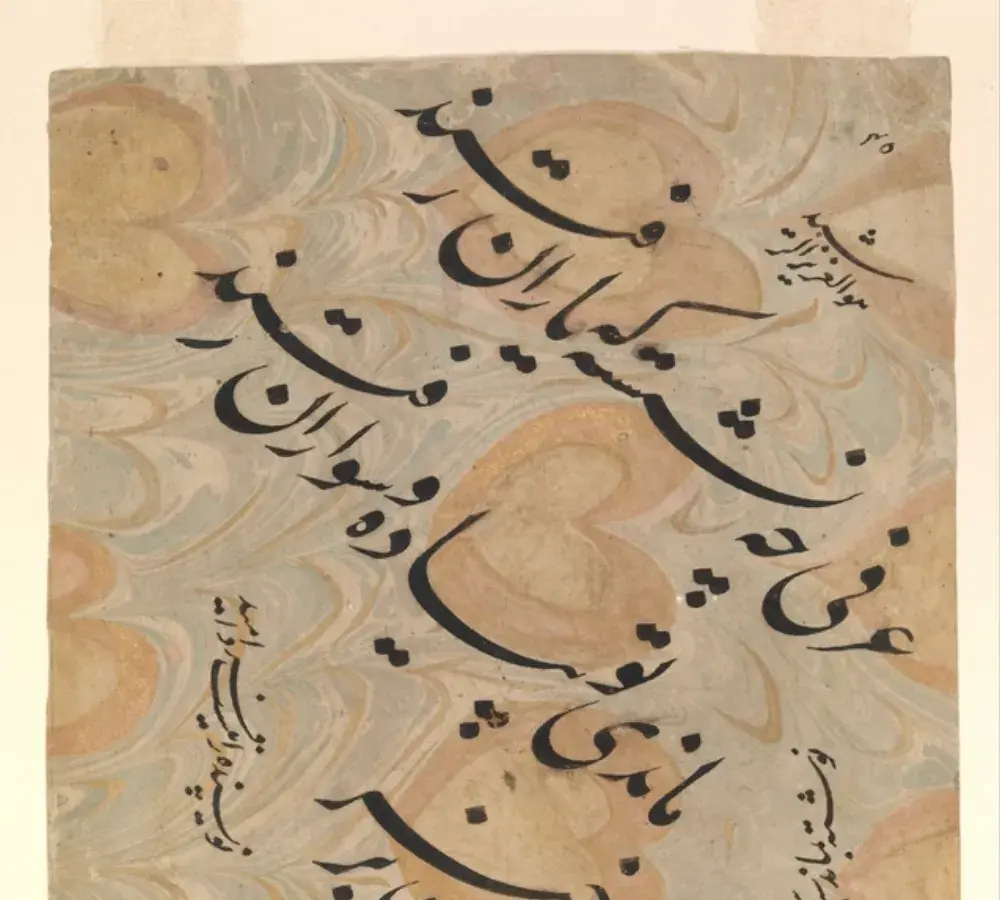
فارسی تین ممالک اور 80 ملین بولنے والوں تک پھیلی ہوئی ہے
فارسی 80 ملین سے زیادہ لوگوں کی مادری زبان ہے۔ ایران سب سے بڑا حصہ ہے، جس میں 70 ملین سے زیادہ فارسی بولنے والے ہیں۔ افغانستان ایک ایسی شکل استعمال کرتا ہے جسے سرکاری طور پر دری کہا جاتا ہے، جو تقریبا 8 ملین لوگ بولتے ہیں، اور تاجکستان تاجک استعمال کرتا ہے، جسے تقریبا 8 ملین لوگ بولتے ہیں۔ یہ سب تحریری شکل میں باہمی طور پر قابل فہم ہیں، جس کا مطلب ہے کہ ایرانی فارسی میں لکھی گئی ایک رسمی دستاویز کو ایک تعلیم یافتہ دری یا تاجک بولنے والا بغیر کسی بڑی دشواری کے پڑھ سکتا ہے۔ دستاویز کے ترجمے کے لیے، یہ اہم ہے کیونکہ ایک ایرانی پاسپورٹ، ایک افغان یونیورسٹی کی سند، یا ایک تاجک سرکاری سرٹیفکیٹ سب ایک ہی بنیادی تحریری زبان کی ساخت کا اشتراک کرتے ہیں، چاہے جاری کرنے والا ملک زبان کا نام مختلف رکھے۔
فارسی بولنے والی آبادی کی وجہ سے ترجمے کی اضافی ضرورت پیدا ہوتی ہے۔ ریاست ہائے متحدہ امریکہ میں 1.5 ملین سے زیادہ فارسی بولنے والے، جرمنی میں تقریباً 700,000، اور کینیڈا میں تقریباً 300,000 لوگ رہتے ہیں۔ ان کمیونٹیز کو باقاعدگی سے ایرانی شناختی دستاویزات، تہران یونیورسٹی کی یونیورسٹی ڈگریاں، شادی اور طلاق کے سرٹیفکیٹ، اور امیگریشن فائلوں کا ترجمہ کرنے کی ضرورت ہوتی ہے۔ افغان پناہ گزینوں اور تارکین وطن کو بھی اسی طرح سرکاری استعمال کے لیے دری زبان کی دستاویزات کا انگریزی میں ترجمہ کروانا پڑتا ہے۔ فارسی، دری، اور تاجک کے درمیان مشترکہ تحریری معیار کا مطلب ہے کہ فارسی پی ڈی ایف ترجمے کا ایک انجن ان تینوں تحریری اقسام کو الگ ماڈلز کی ضرورت کے بغیر کور کرتا ہے۔
وہ دستاویزات جن کا لوگ انگریزی اور فارسی کے درمیان ترجمہ کرتے ہیں
امریکہ، یورپ اور کینیڈا میں ایرانی اور افغان کمیونٹیز کی وجہ سے دستاویزات کے ترجمے کی مسلسل درخواستیں آتی رہتی ہیں۔ فارسی پی ڈی ایف ترجمے کے لیے سب سے عام دستاویزات کی اقسام میں شامل ہیں:
- امیگریشن اور ویزا کی درخواستوں کے لیے ایرانی قومی شناختی کارڈ اور پاسپورٹ
- تہران یونیورسٹی اور دیگر ایرانی اداروں سے یونیورسٹی کی ٹرانسکرپٹس اور ڈپلومے
- خاندان کے دوبارہ اتحاد اور امیگریشن کی درخواستوں کے لیے ایرانی شادی اور طلاق کے سرٹیفکیٹ
- پناہ گزین اور پناہ گزینی کی درخواستوں کے لیے دری زبان میں افغان سرکاری دستاویزات
- ایرانی حکام کی طرف سے جاری کردہ نوٹاریل اور سول رجسٹری دستاویزات
- ایرانی یا افغان کمپنیوں کے ساتھ کاروباری معاہدے اور مالیاتی سمجھوتے
AI ترجمہ کسی دستاویز کو پڑھنے، اسے اندرونی طور پر شیئر کرنے، یا ایک مسودہ تیار کرنے کے لیے اچھا کام کرتا ہے۔ امیگریشن حکام یا سرکاری دفاتر میں سرکاری جمع کرانے کے لیے عام طور پر ایک تصدیق شدہ ترجمہ درکار ہوتا ہے جس کا جائزہ ایک اہل انسانی مترجم نے لیا ہو اور اس پر دستخط کیے ہوں۔
انگریزی سے فارسی پی ڈی ایف ترجمے کی قیمت
مفت سائن اپ کریں، فی دستاویز ادائیگی کریں، اور جیسے جیسے آپ کی ترجمہ کی ضروریات بڑھتی ہیں اپ گریڈ کریں۔
Free
سائن اپ کرنے کے لیے کارڈ کی ضرورت نہیں
- $0.005/لفظ AI ترجمہ
- اسکین اور امیج پی ڈی ایف کے لیے $1 فی صفحہ
- 108 زبانیں
- 20 MB اور 20 صفحات تک کی فائلیں
- DOCX، PDF، XLSX، PPTX، IDML، TXT، JPG، PNG اور CSV
- صرف 24 گھنٹے فائل اسٹوریج
- PDF ایڈیٹر اور PDF سے DOCX کنورٹر
بنیادی
سب سے زیادہ مقبولہر ہفتے بل کیا جائے گا · کسی بھی وقت منسوخ کریں
ماہانہ بل کیا جائے گا
سالانہ بل کیا جائے گا · 33% بچائیں
- AI ترجمہ ہر مہینے شامل ہے
- پھر $0.005/لفظ AI ترجمہ
- 100 MB تک اور 300 صفحات تک کی فائلیں
- DOCX، PDF، XLSX، PPTX، IDML، TXT، JPG، PNG اور CSV
- اسکین شدہ دستاویزات کے لیے OCR
- دستاویز ذخیرہ
- ترجیحی معاونت
- ماہانہ پلان پر 7 دن کا مفت ٹرائل
- کسی بھی وقت منسوخ کریں
Pro
ماہانہ بل کیا جائے گا
سالانہ بل کیا جائے گا · 34% بچائیں
- AI ترجمہ ہر مہینے شامل ہے
- پھر $0.004/لفظ AI ترجمہ
- 1 جی بی تک اور 5,000 صفحات تک کی فائلیں
- DOCX، PDF، XLSX، PPTX، IDML، TXT، JPG، PNG اور CSV
- لغت
- ترجیحی قطار
- 5 ٹیم سیٹ
- API درخواستیں · 1,000 صفحات فی مہینہ
- AI معاونین کے لیے MCP رسائی
- کسی بھی وقت منسوخ کریں
بزنس
ماہانہ بل کیا جائے گا
سالانہ بل کیا جائے گا · 33% بچائیں
- AI ترجمہ ہر مہینے شامل ہے
- پھر $0.003/لفظ AI ترجمہ
- 1 جی بی تک اور 5,000 صفحات تک کی فائلیں
- DOCX، PDF، XLSX، PPTX، IDML، TXT، JPG، PNG اور CSV
- لغت
- ترجیحی قطار
- 15 ٹیم سیٹ
- API درخواستیں · 5,000 صفحات فی مہینہ
- AI معاونین کے لیے MCP رسائی
- کسی بھی وقت منسوخ کریں
انٹرپرائز
مزید حجم، انوائسنگ یا کسٹم معاہدے کی ضرورت ہے؟ Enterprise پلان کے بارے میں ہم سے بات کریں۔
اپنی پی ڈی ایف کا فارسی میں ترجمہ کیسے کریں
مفت اکاؤنٹ بنائیں
آن لائن ترجمہ ڈیش بورڈ تک رسائی کے لیے اپنے ای میل کے ساتھ سائن اپ کریں۔
اپنی PDF فائل اپ لوڈ کریں
اپنی فائل کو گھسیٹیں اور چھوڑیں یا اسے منتخب کرنے کے لیے براؤز کریں۔ Pro اور Business پلانز پر 1 جی بی تک کی فائلیں سپورٹ کی جاتی ہیں۔
فارسی کو ہدف زبان کے طور پر منتخب کریں
اپنی پی ڈی ایف کی اصل زبان منتخب کریں اور فارسی کو ہدف زبان کے طور پر سیٹ کریں۔ فارسی ایرانی فارسی کا احاطہ کرتی ہے اور افغان دری دستاویزات کے لیے بھی درست ہے۔
ترجمہ کریں اور ڈاؤن لوڈ کریں
"Translate" پر کلک کریں اور چند لمحے انتظار کریں۔ آپ کی ترجمہ شدہ پی ڈی ایف فارسی میں ڈاؤن لوڈ کے لیے تیار ہو جائے گی، جس میں دائیں سے بائیں لے آؤٹ لاگو ہوگا۔
انگریزی سے فارسی پی ڈی ایف ترجمہ FAQ
کیا پی ڈی ایف کا لے آؤٹ فارسی کے لیے دائیں سے بائیں پلٹ جاتا ہے؟
جی ہاں۔ فارسی دائیں سے بائیں چلتی ہے، لہذا ترجمہ شدہ پی ڈی ایف اصل کی عکاسی کرتی ہے: پڑھنے کا ترتیب، مارجن، اور کالم کا بہاؤ الٹا ہوتا ہے۔ جو متن انگریزی میں بائیں جانب سیدھ میں تھا وہ فارسی میں دائیں جانب سیدھ میں ہوجاتا ہے، اور ملٹی کالم لے آؤٹ خود بخود اپنے کالموں کو سوئچ کرتے ہیں۔
کیا رسم الخط کی رینڈرنگ کے لحاظ سے فارسی عربی کے جیسی ہے؟
وہ ایک ہی دائیں سے بائیں سمت اور ایک جیسی بنیادی رسم الخط کا اشتراک کرتے ہیں، لیکن فارسی ایک الگ زبان ہے جس میں چار اضافی حروف ہیں جو عربی میں موجود نہیں ہیں۔ فارسی ہند-یورپی ہے، جبکہ عربی سامی ہے۔ گرامر بنیادی طور پر مختلف ہے، بشمول لفظ کا ترتیب (فارسی میں فاعل-مفعول-فعل بمقابلہ عربی میں فعل-فاعل-مفعول) اور اضافے کی تعمیر جو اسم اور صفات کو جوڑتی ہے۔ ترجمہ انجن فارسی کو اپنی زبان کے طور پر ہینڈل کرتا ہے، نہ کہ عربی کے تغیر کے طور پر۔
کیا آؤٹ پٹ نسخ یا نستعلیق رسم الخط استعمال کرے گا؟
ترجمہ شدہ پی ڈی ایف نسخ استعمال کرتا ہے، جو ڈیجیٹل اور رسمی چھپی ہوئی فارسی دستاویزات کے لیے معیاری ٹائپ فیس ہے۔ نستعلیق روایتی خطاطی انداز ہے جو ادبی مخطوطات اور آرائشی متن میں دیکھا جاتا ہے، لیکن یہ رسمی دستاویز پی ڈی ایف میں معیاری نہیں ہے۔ نسخ صاف، قابل خواندگی آؤٹ پٹ کو یقینی بناتا ہے جو جدید ایرانی اور افغان سرکاری دستاویزات کے کنونشن سے میل کھاتا ہے۔
کیا میں افغان دری دستاویزات کا ترجمہ کرنے کے لیے اس کا استعمال کر سکتا ہوں؟
جی ہاں۔ دری افغانستان میں فارسی کا سرکاری نام ہے، اور تحریری شکل ایرانی فارسی سے تقریباً یکساں ہے۔ دری میں افغان سرکاری دستاویزات، یونیورسٹی ٹرانسکرپٹس، اور سول رجسٹریشن ریکارڈز فارسی ترجمہ کی وہی ترتیبات سے درست طریقے سے ہینڈل کیے جاتے ہیں۔
کیا ایرانی امیگریشن دستاویزات کے لیے AI ترجمہ کافی ہے؟
پڑھنے اور اندرونی استعمال کے لیے، AI ترجمہ اچھا کام کرتا ہے۔ امیگریشن حکام کو جمع کرانے کے لیے، بشمول USCIS کی درخواستیں جن میں ایرانی شادی کے سرٹیفکیٹ یا تعلیمی اسناد شامل ہیں، ایک تصدیق شدہ ترجمہ درکار ہوتا ہے جس کا جائزہ ایک اہل انسانی مترجم نے لیا ہو اور اس پر دستخط کیے ہوں۔ پہلے دستاویز کو سمجھنے کے لیے AI ترجمہ استعمال کریں، پھر سرکاری جمع کرانے کے لیے تصدیق شدہ ورژن کا آرڈر دیں۔
میں کتنی بڑی فارسی PDF اپ لوڈ کر سکتا ہوں؟
Pro اور Business پر 1 GB یا 5,000 صفحات تک، Basic پر 100 MB اور 300 صفحات تک، اور Free پر 20 MB اور 20 صفحات تک۔ ایک مختصر نمونہ کا ترجمہ کرنے کی قیمت 0.99 ڈالر سے شروع ہوتی ہے اور یہ تصدیق کرنے کے لیے کافی ہے کہ فارسی آؤٹ پٹ کو مکمل ترجمہ کے لیے کمٹ کرنے سے پہلے نمونہ دستاویز پر کیسے ہینڈل کیا جاتا ہے۔
کیا آؤٹ پٹ فارسی ہندسوں یا مغربی ہندسوں کا استعمال کرتا ہے؟
فارسی کا اپنا روایتی ہندسوں کا سیٹ ہے، لیکن جدید ایرانی PDFs عام طور پر فارسی اسکرپٹ کے ساتھ مغربی ہندسوں کا استعمال کرتے ہیں۔ ترجمہ شدہ PDF ہندسوں کے فارمیٹ کو محفوظ رکھتی ہے جیسا کہ یہ ماخذ دستاویز میں ظاہر ہوتا ہے۔ اگر کسی خاص سرکاری دستاویز کے لیے کسی مخصوص ہندسوں کے انداز کی ضرورت ہو، تو آپ اپ لوڈ کرتے وقت اسے نوٹ کر سکتے ہیں۔
آج ہی اپنی پی ڈی ایف کا فارسی میں ترجمہ کروائیں
DocTranslator انگریزی اور فارسی کے درمیان پی ڈی ایف کو آن لائن کنورٹ کرتا ہے، خود بخود دائیں سے بائیں لے آؤٹ کی نقل کرتا ہے، فارسی-عربی رسم الخط کو درست نستعلیق فونٹ کے ساتھ پیش کرتا ہے، اور 1 جی بی تک کی فائلوں کو سپورٹ کرتا ہے۔
متعلقہ ٹولز
زبان کے لحاظ سے PDF کا ترجمہ کریں
دستاویزات کی اقسام
ہمارے شراکت دار