
Перевести PDF на персидский
Преобразуйте PDF в персидский (фарси) с полным зеркальным отображением макета справа налево. Колонки меняются местами, поля переворачиваются, а персидско-арабский шрифт отображается правильно для иранских, афганских дари и таджикских документов. Файлы до 1 ГБ.
Загрузите или перетащите документ для перевода
Макс. размер файла 1 GB
- OCR для сканов и фотографий
- 108 языков
- Оригинальная верстка сохранена
Что происходит при переводе PDF на персидский язык
Персидский язык, также называемый фарси, использует персидско-арабский шрифт, который пишется справа налево. Это означает, что перевод PDF на персидский язык — это не просто замена слов. Вся визуальная структура документа должна быть зеркальной: колонки, которые шли слева направо на английском, меняются местами, поля, которые были широкими слева, становятся широкими справа, а порядок чтения меняется так, чтобы читатель, двигаясь справа налево, встречал контент в правильной последовательности. DocTranslator автоматически обрабатывает эту трансформацию макета, создавая правильно ориентированный PDF на фарси, а не персидский текст, неуклюже втиснутый в английскую оболочку.
Персидский язык — это не то же самое, что арабский, хотя оба используют письменность справа налево. Персидский язык относится к индоевропейской семье, что ставит его в тот же широкий языковой ряд, что и английский, французский и хинди. Он следует порядку слов «Подлежащее-Дополнение-Сказуемое», а не схеме арабского языка «Сказуемое-Подлежащее-Дополнение». В персидском языке нет грамматического рода и определенного артикля. Он использует конструкцию «эзафе» для связи существительных и прилагательных: например, «кетоб-е фарси» означает «персидская книга», где суффикс «-е» связывает два слова. В персидском языке также есть четыре буквы, отсутствующие в арабском: буквы для p, ch, zh и g. Переводчик или система перевода должны обрабатывать эти структурные различия и различия на уровне символов, а не просто применять правила арабского языка к персидскому тексту.
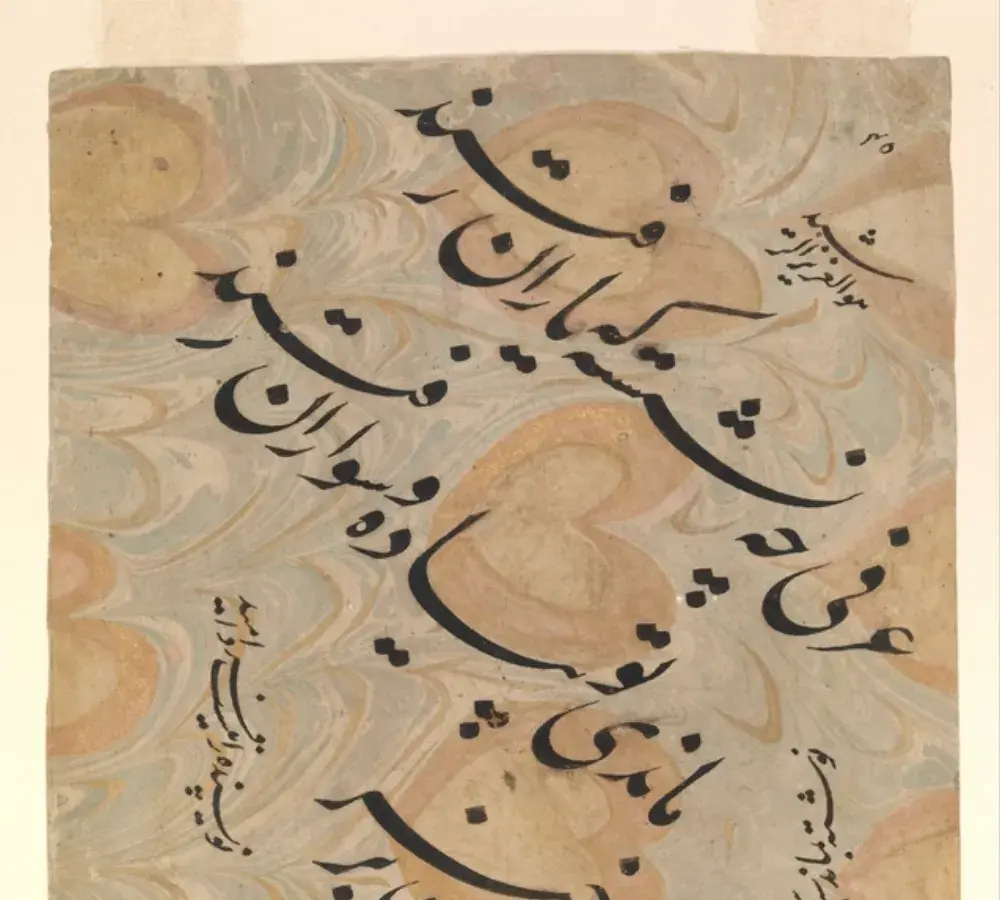
Обработка шрифтов и цифр также имеет значение. В официальных персидских документах для основного текста в цифровом и печатном виде обычно используется шрифт Nastaliq, а более плавный стиль Nastaliq встречается в литературных рукописях и традиционной каллиграфии. В традиционном контексте в персидском языке используется собственный набор цифр, хотя в современных иранских PDF-файлах часто используются западные цифры наряду с персидской вязью. До 1979 года в некоторых иранских технических документах использовался латинский шрифт для специализированного контента. После революции персидская вязь стала обязательной во всех официальных иранских документах, поэтому любой перевод PDF-файлов на фарси сегодня должен быть выполнен в полной персо-арабской вязи.
На персидском говорят в трех странах, им владеют 80 миллионов человек
Персидский язык является родным для более чем 80 миллионов человек. Наибольшая доля приходится на Иран, где проживает более 70 миллионов носителей фарси. В Афганистане используется форма языка, официально называемая дари, на которой говорят около 8 миллионов человек, а в Таджикистане — таджикский язык, на котором также говорят около 8 миллионов человек. Все три языка взаимопонятны в письменной форме, что означает, что официальный документ, написанный на иранском фарси, может быть прочитан образованным носителем дари или таджикского языка без существенных затруднений. Для перевода документов это важно, поскольку иранский паспорт, афганская университетская справка или таджикский государственный сертификат имеют одинаковую базовую структуру письменного языка, даже если страна выдачи называет язык по-разному.
Персидская диаспора создает дополнительный спрос на перевод. Более 1,5 миллиона носителей персидского языка проживают в Соединенных Штатах, около 700 000 в Германии и примерно 300 000 в Канаде. Эти сообщества регулярно нуждаются в переводе иранских удостоверений личности, университетских дипломов Тегеранского университета, свидетельств о браке и разводе, а также иммиграционных документов. Афганские беженцы и иммигранты также нуждаются в переводе документов на дари на английский язык для официального использования. Единый письменный стандарт для фарси, дари и таджикского языка означает, что один движок для перевода PDF-файлов на фарси охватывает все три письменные разновидности без необходимости использования отдельных моделей.
Документы, которые люди переводят между английским и персидским языками
Иранская и афганская диаспоры в США, Европе и Канаде генерируют постоянный поток запросов на перевод документов. Наиболее распространенные типы документов для перевода PDF на фарси включают:
- Иранские национальные удостоверения личности и паспорта для иммиграционных и визовых заявлений
- Университетские справки и дипломы Тегеранского университета и других иранских учебных заведений
- Иранские свидетельства о браке и разводе для воссоединения семьи и иммиграционных ходатайств
- Афганские государственные документы на дари для заявлений на получение статуса беженца и убежища
- Нотариальные и гражданские акты, выданные иранскими властями
- Деловые контракты и финансовые соглашения с иранскими или афганскими компаниями
AI-перевод хорошо подходит для чтения документа, его внутреннего распространения или подготовки рабочего черновика. Официальные подачи документов в иммиграционные органы или государственные учреждения обычно требуют сертифицированного перевода, проверенного и подписанного квалифицированным переводчиком-человеком.
Цены на перевод PDF с английского на персидский
Зарегистрируйтесь бесплатно, платите за документ и обновляйте план по мере роста ваших потребностей в переводе.
Free
Карта не требуется для регистрации
- 0,005 $/слово AI-перевод
- 1 доллар за страницу для сканов и PDF-изображений
- 108 языков
- Файлы до 20 МБ и 20 страниц
- DOCX, PDF, XLSX, PPTX, IDML, TXT, JPG, PNG и CSV
- Только 24-часовое хранение файлов
- Редактор PDF и конвертер PDF в DOCX
Базовый
Самый популярныйОплата еженедельно · отмена в любое время
Оплата ежемесячно
Оплата раз в год · экономия 33%
- ИИ-перевод включен каждый месяц
- Затем 0,005 $/слово ИИ-перевод
- Файлы до 100 МБ и 300 страниц
- DOCX, PDF, XLSX, PPTX, IDML, TXT, JPG, PNG и CSV
- OCR для сканированных документов
- Хранилище документов
- Приоритетная поддержка
- 7-дневная бесплатная пробная версия по ежемесячному плану
- Отмена в любое время
Pro
Оплата ежемесячно
Оплата раз в год · экономия 34%
- ИИ-перевод включен каждый месяц
- Затем 0,004 $/слово ИИ-перевод
- Файлы до 1 ГБ и 5000 страниц
- DOCX, PDF, XLSX, PPTX, IDML, TXT, JPG, PNG и CSV
- Глоссарий
- Приоритетная очередь
- 5 мест в команде
- API-запросы · 1000 страниц в месяц
- Доступ к MCP для ИИ-помощников
- Отмена в любое время
Бизнес
Оплата ежемесячно
Оплата раз в год · экономия 33%
- ИИ-перевод включен каждый месяц
- Затем 0,003 $/слово ИИ-перевод
- Файлы до 1 ГБ и 5000 страниц
- DOCX, PDF, XLSX, PPTX, IDML, TXT, JPG, PNG и CSV
- Глоссарий
- Приоритетная очередь
- 15 мест в команде
- API-запросы · 5000 страниц в месяц
- Доступ к MCP для ИИ-помощников
- Отмена в любое время
Для бизнеса
Нужен больший объем, выставление счетов или индивидуальное соглашение? Свяжитесь с нами по поводу плана Enterprise.
Как перевести ваш PDF на персидский
Создать бесплатную учетную запись
Зарегистрируйтесь по электронной почте, чтобы получить доступ к панели онлайн-перевода.
Загрузите ваш PDF-файл
Перетащите файл или нажмите, чтобы выбрать его. Файлы размером до 1 ГБ поддерживаются в планах Pro и Business.
Выберите персидский в качестве целевого языка
Выберите исходный язык вашего PDF и установите персидский в качестве целевого языка. Персидский язык охватывает иранский фарси, а также подходит для афганских документов на дари.
Перевести и скачать
Нажмите «Перевести» и подождите несколько минут. Ваш переведенный PDF-файл будет готов к загрузке на персидском языке с примененным макетом справа налево.
Узнайте больше о услугах перевода документов
Часто задаваемые вопросы по переводу PDF с английского на персидский
Ориентация PDF меняется на справа налево для персидского языка?
Да. Персидский язык пишется справа налево, поэтому переведенный PDF отражает оригинал: порядок чтения, поля и поток столбцов меняются на противоположные. Текст, выровненный по левому краю на английском языке, становится выровненным по правому краю на персидском, а многоколоночные макеты автоматически меняют свои столбцы.
Является ли персидский язык таким же, как арабский, с точки зрения рендеринга скрипта?
Они имеют одинаковое направление справа налево и схожий базовый алфавит, но персидский язык является отдельным языком с четырьмя дополнительными буквами, отсутствующими в арабском. Персидский язык относится к индоевропейской семье, а арабский — к семитской. Грамматика принципиально отличается, включая порядок слов (подлежащее-дополнение-сказуемое в персидском против сказуемого-подлежащего-дополнения в арабском) и конструкцию «эзафе», связывающую существительные и прилагательные. Система перевода обрабатывает персидский язык как самостоятельный, а не как вариант арабского.
Будет ли в выходном файле использоваться шрифт Насх или Насталик?
Переведенный PDF использует Насх — стандартный шрифт для цифровых и официальных печатных персидских документов. Насталик — это традиционный каллиграфический стиль, используемый в литературных рукописях и декоративных текстах, но он не является стандартным для официальных PDF-документов. Насх обеспечивает четкий, читаемый результат, соответствующий современным нормам официальных иранских и афганских документов.
Могу ли я использовать это для перевода афганских документов на дари?
Да. Дари — это официальное название персидского языка, используемого в Афганистане, и письменная форма практически идентична иранскому фарси. Документы афганского правительства, университетские транскрипты и записи актов гражданского состояния на дари обрабатываются корректно с теми же настройками персидского перевода.
Достаточен ли машинный перевод для иммиграционных документов Ирана?
Для чтения и внутреннего использования хорошо подходит AI-перевод. Подачи документов в иммиграционные органы, включая ходатайства USCIS, касающиеся иранских свидетельств о браке или академических справок, требуют сертифицированного перевода, проверенного и подписанного квалифицированным переводчиком-человеком. Используйте AI-перевод, чтобы сначала понять документ, а затем закажите сертифицированную версию для официальной подачи.
Какого размера PDF-файл на фарси я могу загрузить?
До 1 ГБ или 5000 страниц на Pro и Business, 100 МБ и 300 страниц на Basic, и 20 МБ и 20 страниц на Free. Перевод короткого образца стоит от 0,99 $, что достаточно для проверки персидского вывода в образце документа перед переводом полного документа.
В выходном файле будут использоваться персидские или западные цифры?
В персидском языке есть свой традиционный набор цифр, но в современных иранских PDF-файлах часто используются западные цифры наряду с персидским письмом. Переведенный PDF сохраняет формат цифр, как он представлен в исходном документе. Если для конкретного официального документа требуется определенный стиль написания цифр, вы можете указать это при загрузке.
Переведите ваш PDF на персидский сегодня
DocTranslator преобразует PDF-файлы между английским и персидским языками онлайн, автоматически зеркально отображая макет справа налево, отображая персо-арабскую вязь с правильными шрифтами Nastaliq и поддерживая файлы размером до 1 ГБ.
Связанные инструменты
Перевести PDF по языку
Типы документов
Наши партнеры