
Terjemahkan PDF ke Bahasa Turki
Konversi PDF Bahasa Inggris ke Bahasa Turki sambil mempertahankan perbedaan antara i bertitik dan ı tidak bertitik yang memisahkan bunyi bahasa Turki, atau terjemahkan dokumen bahasa Turki kembali ke Bahasa Inggris. Karena bahasa Turki membangun kata yang sangat panjang dengan menumpuk akhiran pada akar kata, tata letak diatur ulang sehingga kata-kata tersebut pas di dalam tabel dan kotak teks tanpa meluap. File hingga 1 GB.
Unggah atau jatuhkan dokumen untuk diterjemahkan
Ukuran file maks. 1 GB
- OCR untuk pindaian dan foto
- 108 bahasa
- Tata letak asli dipertahankan
Apa yang terjadi saat Anda menerjemahkan PDF ke atau dari Bahasa Turki
Bahasa Turki mengganti sistem penulisan aksara Arab Ottomannya dengan alfabet berbasis Latin pada tahun 1928. Dokumen bahasa Turki modern semuanya menggunakan aksara Latin ini, yang berbagi sebagian besar huruf dengan bahasa Inggris tetapi menambahkan beberapa karakter yang tidak dimiliki bahasa Inggris. Yang paling penting adalah perbedaan antara i bertitik (i/I) dan ı tidak bertitik (ı/I). Ini adalah dua huruf yang sepenuhnya terpisah dalam bahasa Turki dengan bunyi yang berbeda dan peran tata bahasa yang berbeda. Menggabungkannya menjadi satu "i" gaya Inggris menghasilkan kata-kata bahasa Turki yang salah eja. Mesin terjemahan dan font output mempertahankan perbedaan di seluruh dokumen.
Bahasa Turki adalah bahasa aglutinatif, artinya ia membangun makna dengan menempelkan akhiran langsung ke kata dasar satu per satu. Urutan ide tata bahasa yang diungkapkan bahasa Inggris dengan frasa beberapa kata pendek dapat muncul dalam bahasa Turki sebagai satu kata majemuk yang panjang. Bahasa Turki juga mengikuti urutan subjek-objek-kata kerja, kebalikan dari subjek-kata kerja-objek bahasa Inggris, sehingga kalimat yang diterjemahkan disusun ulang dari awal daripada hanya menukar kata-kata individual. Harmoni vokal adalah aturan tata bahasa lain: vokal di dalam kata dan akhiran harus termasuk dalam kelompok vokal depan atau belakang yang sama, yang ditangani oleh mesin terjemahan secara otomatis.
Konsekuensi praktis untuk terjemahan PDF adalah bahwa kata-kata bahasa Turki seringkali lebih panjang daripada padanannya dalam bahasa Inggris. Kolom tabel atau kotak teks yang ukurannya sesuai untuk teks bahasa Inggris mungkin tidak muat untuk kata bahasa Turki yang menggantikannya tanpa meluap. DocTranslator mengatur ulang teks sehingga tata letak tetap utuh: lebar kolom, sel tabel, dan pemutusan baris semuanya menyesuaikan untuk menampung output bahasa Turki dengan bersih tanpa terpotong.
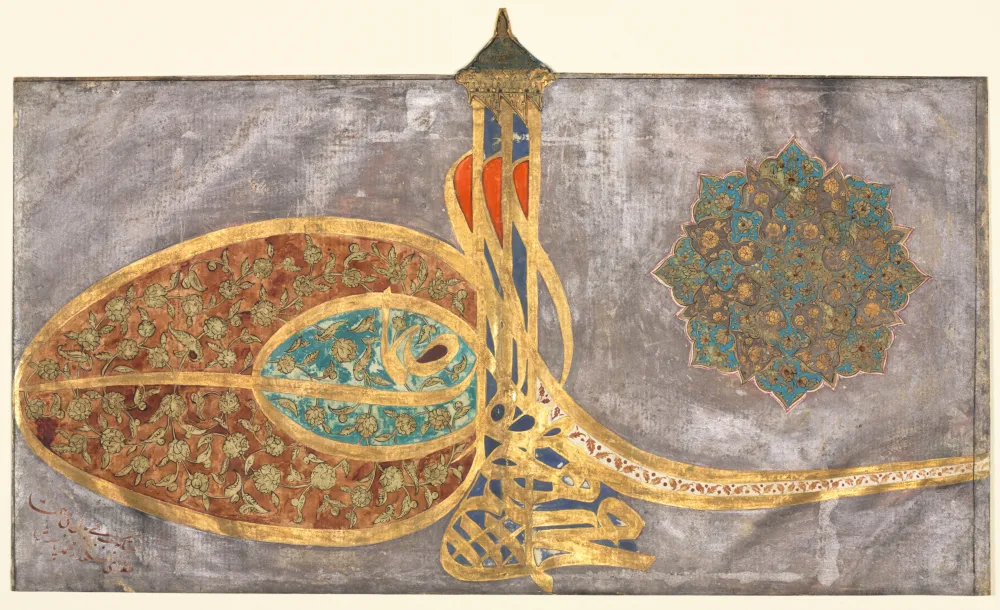
Bahasa Turki Modern dan Masa Lalu Ottomannya
Bahasa Turki dituturkan oleh sekitar 88 juta orang di Turki dan oleh beberapa juta orang lagi di komunitas diaspora, dengan Jerman saja menjadi rumah bagi lebih dari 3 juta penutur bahasa Turki. Pada tahun 1928, Turki mengganti sistem penulisan Ottoman aksara Arab dengan alfabet berbasis Latin yang disesuaikan dengan bunyi bahasa Turki. Dokumen bahasa Turki modern semuanya menggunakan aksara Latin ini. Dokumen Ottoman yang lebih tua dari sebelum reformasi menggunakan sistem aksara Arab dan memerlukan penerjemah Ottoman khusus. Untuk PDF bahasa Turki kontemporer, aksara berbasis Latin adalah standar di seluruh negeri.
Bahasa Turki adalah bahasa aglutinatif, yang berarti ia membangun makna yang kompleks dengan menumpuk akhiran pada kata dasar. Satu kata bahasa Turki dapat setara dengan seluruh klausa bahasa Inggris. Misalnya, "Türkiyeli olduğunuzu söylediniz" (Anda bilang Anda dari Turki) memadatkan beberapa elemen tata bahasa ke dalam bentuk kata kerja. Penumpukan ini berarti kalimat bahasa Turki bisa lebih pendek dari kalimat bahasa Inggris dalam jumlah kata tetapi lebih panjang dalam panjang kata individu. Sel tabel dan kotak teks yang ukurannya disesuaikan untuk teks bahasa Inggris mungkin perlu diatur ulang agar sesuai dengan kata-kata bahasa Turki yang lebih panjang.
Dokumen yang diterjemahkan orang antara bahasa Turki dan Inggris
Diaspora Turki di Eropa dan volume perdagangan antara Turki dan pasar internasional menghasilkan aliran dokumen yang stabil yang perlu diterjemahkan ke kedua arah:
- Dokumen imigrasi untuk warga negara Turki yang mengajukan izin tinggal Jerman, Belanda, atau Eropa lainnya
- Dokumen pribadi seperti akta kelahiran, perkawinan, dan perceraian untuk diaspora Turki yang besar di Eropa
- Kontrak bisnis dan perjanjian pemasok antara perusahaan Turki dan internasional
- Dokumentasi teknis untuk produsen Turki yang mengekspor ke Eropa atau Amerika Utara
- Catatan medis untuk pasien Turki yang mencari perawatan di luar negeri
- Sertifikat akademik untuk siswa Turki yang mendaftar ke universitas asing
Terjemahan AI adalah pilihan yang cepat dan murah jika Anda perlu membaca dokumen, membagikannya secara internal, atau membuat draf kerja. Pengajuan resmi ke kantor imigrasi Jerman, UE, atau lainnya biasanya memerlukan terjemahan tersumpah dengan peninjau manusia. Lihat halaman tertaut untuk kasus tersebut.
Harga terjemahan PDF Bahasa Inggris ke Bahasa Turki
Daftar gratis, bayar per dokumen, dan tingkatkan seiring pertumbuhan kebutuhan terjemahan Anda.
Free
Tidak perlu kartu untuk mendaftar
- Terjemahan AI $0.005/kata
- $1 per halaman untuk pindaian dan PDF gambar
- 108 bahasa
- File hingga 20 MB dan 20 halaman
- DOCX, PDF, XLSX, PPTX, IDML, TXT, JPG, PNG dan CSV
- Penyimpanan file 24 jam saja
- Editor PDF dan konverter PDF ke DOCX
Dasar
Paling populerDitagih setiap minggu · batalkan kapan saja
Ditagih bulanan
Ditagih setahun sekali · hemat 33%
- terjemahan AI disertakan setiap bulan
- Lalu terjemahan AI $0,005/kata
- File hingga 100 MB dan 300 halaman
- DOCX, PDF, XLSX, PPTX, IDML, TXT, JPG, PNG dan CSV
- OCR untuk dokumen yang dipindai
- Penyimpanan dokumen
- Dukungan prioritas
- Uji coba gratis 7 hari pada paket bulanan
- Batalkan kapan saja
Pro
Ditagih bulanan
Ditagih setahun sekali · hemat 34%
- terjemahan AI disertakan setiap bulan
- Lalu terjemahan AI $0,004/kata
- File hingga 1 GB dan 5.000 halaman
- DOCX, PDF, XLSX, PPTX, IDML, TXT, JPG, PNG dan CSV
- Glosarium
- Antrean prioritas
- 5 kursi tim
- Permintaan API · 1.000 halaman per bulan
- Akses MCP untuk asisten AI
- Batalkan kapan saja
Bisnis
Ditagih bulanan
Ditagih setahun sekali · hemat 33%
- terjemahan AI disertakan setiap bulan
- Lalu terjemahan AI $0,003/kata
- File hingga 1 GB dan 5.000 halaman
- DOCX, PDF, XLSX, PPTX, IDML, TXT, JPG, PNG dan CSV
- Glosarium
- Antrean prioritas
- 15 kursi tim
- Permintaan API · 5.000 halaman per bulan
- Akses MCP untuk asisten AI
- Batalkan kapan saja
Enterprise
Perlu volume lebih, faktur, atau perjanjian khusus? Bicaralah dengan kami tentang paket Enterprise.
Cara menerjemahkan PDF Anda ke Bahasa Turki
Buat akun gratis
Daftar dengan email Anda untuk mengakses dasbor terjemahan online.
Unggah file PDF Anda
Seret dan lepas file Anda atau jelajahi untuk memilihnya. File hingga 1 GB didukung pada paket Pro dan Bisnis.
Pilih Bahasa Turki sebagai bahasa target
Pilih bahasa asli PDF Anda dan tetapkan Bahasa Turki sebagai bahasa target.
Terjemahkan dan unduh
Klik "Terjemahkan" dan tunggu beberapa saat. PDF terjemahan Anda akan siap diunduh dalam Bahasa Turki, dengan format yang dipertahankan.
Jelajahi lebih banyak layanan terjemahan dokumen
FAQ Terjemahan PDF Bahasa Inggris ke Bahasa Turki
Apakah huruf i tanpa titik (huruf besar I tanpa titik) muncul dengan benar di PDF?
Ya. Bahasa Turki memiliki dua huruf "i" yang berbeda: i/I bertitik dan ı/I tanpa titik. Keduanya mewakili suara yang berbeda dan tidak pernah dapat dipertukarkan. Font keluaran dan mesin terjemahan memperlakukannya sebagai karakter terpisah, sehingga perbedaannya dipertahankan daripada disatukan menjadi satu huruf.
Bisakah DocTranslator menangani dokumen Turki Utsmaniyah (aksara Arab)?
DocTranslator menerjemahkan bahasa Turki modern, yang menggunakan alfabet berbasis Latin yang diperkenalkan pada tahun 1928. Dokumen Utsmaniyah yang ditulis dalam sistem Utsmaniyah aksara Arab sebelum reformasi memerlukan keahlian khusus bahasa Turki Utsmaniyah dan berada di luar cakupan terjemahan AI standar.
Bisakah saya menerjemahkan bahasa Turki ke bahasa Inggris?
Ya. Pasangan ini berfungsi di kedua arah. Terjemahan Turki-ke-Inggris juga menyesuaikan tata letak untuk perubahan kepadatan teks.
Dokumen apa yang paling dibutuhkan oleh komunitas diaspora Turki untuk diterjemahkan?
Akta kelahiran, perkawinan, dan perceraian untuk aplikasi residensi atau kewarganegaraan Jerman dan Eropa lainnya; dokumen properti dari Turki; sertifikat pendidikan; dan rekam medis.
Apakah terjemahan AI cukup untuk dokumen imigrasi Turki?
Untuk membaca dan persiapan, ya. Pengajuan resmi ke kantor imigrasi Jerman, UE, atau lainnya biasanya memerlukan terjemahan tersumpah. Lihat terjemahan tersumpah untuk pengajuan resmi.
Berapa ukuran PDF Turki yang bisa saya unggah?
Per dokumen, Free menerima 20 MB dan 20 halaman, Basic 100 MB dan 300 halaman, dan Pro atau Business sebanyak 1 GB dan 5.000 halaman.
Apakah kata-kata aglutinatif Turki yang panjang akan meluap dari tata letak PDF saya?
Bahasa Turki dapat menghasilkan kata majemuk yang sangat panjang melalui penumpukan akhiran. DocTranslator mengalirkan kembali teks sehingga kata-kata panjang pas di dalam kolom dan sel tabel daripada meluap.
Terjemahkan PDF Anda ke Bahasa Turki Hari Ini
DocTranslator mengonversi PDF antara Bahasa Inggris dan Bahasa Turki dengan rendering i bertitik dan tidak bertitik yang benar, penataan ulang kata aglutinatif, dan format yang dipertahankan, mendukung file hingga 1 GB.
Alat Terkait
Terjemahkan PDF berdasarkan Bahasa
Jenis Dokumen
Mitra Kami