
PDF-i Hindiçe terjime ediň
Iňlis PDF-lerini hindiçe öwrüň we Devanagari ýazgysynyň dogry görkezilmegini alyň, şol sanda birleşen düşünişme şekilleri we her söziň üstünden birleşýän şiroreha çyzgysy. 1 GB çenli faýllar.
Resminamany ýüklemek ýa-da goýmak
Iň ýokary faýl ölçegi 1 GB
- Skanlar we fotosuratlar üçin OCR
- 108 dil
- Original layout saklanyldy
Iňlis PDF-ni hindiçe öwürende näme bolýar
Hindi dili Devanagari ýazgysyny ulanýar, ol çepden-sagat ýöredilýär we 11 sesli we 33 pitikden, şeýle hem iki ýa-da ondan köp pitik ýanaşykda sesli ses bolmazdan ýerleşende peýda bolýan birleşen şekilleriň köp sanly toplumyndan ybaratdyr. Bu birleşmeler yzygiderli ýazylan aýry nyşanlar däl; olar birleşen şekillerdir, şol birleşen şekilleri Devanagari-bilýän hat ýekeje birlik hökmünde çyzýar. Birleşen toplumy bolmadyk hat bu toplumy bölek böleklere bölýär, bu bolsa hindi dilini bilýän adam üçin okalmazlygy döredýär. Çykarylan PDF birleşen sanawyny öz içine alýan hat ulanýar, şonuň üçin sözler bolşy ýaly görkezilýär.
Ýazylan hindi diliniň iň görnükli aýratynlyklaryndan biri şiroreha, köp sanly Devanagari harpynyň üstünden geçýän we olary söze birleşdirýän ýapgydyr. Ol hatyň özi tarapyndan görkezilýär, aýry element hökmünde goşulmaýar, şonuň üçin dogry haty saýlamak terjime edilen sahypanyň görnüşini ýa-da bozýar. Devanagari-de ulanyjy harplar ýokdur; ýazgyda diňe bir görnüş bar we sözüň içindäki üýtgeşme harplar bilen däl-de, söz tertibi bilen amala aşyrylýar. Hindi dili adatça iňlis dilinden tapawutlylykda subýekt-obýekt-fiil tertibini berjaý edýär, şonuň üçin terjime edilen jümleler sözme-söz çalşyrmakdan has köp strukturlaýyn täzelenýär.
Resmi hindi dili öz söz baýlygyny Sanskritden, hökümet resminamalarynda, şahadatnamalarda we ýuridik şertnamalarda ulanylýan klassiki derejeden alýar. Günlik gepleşik iňlis we urdu dillerinden erkin peýdalanýar, ýöne resmi kagyzlar Sanskritden gelip çykan derejede galýar. Terjime bu resmi derejäni maksat edinýär, bu bolsa resminama terjimeleriniň köpüsini talap edýär.
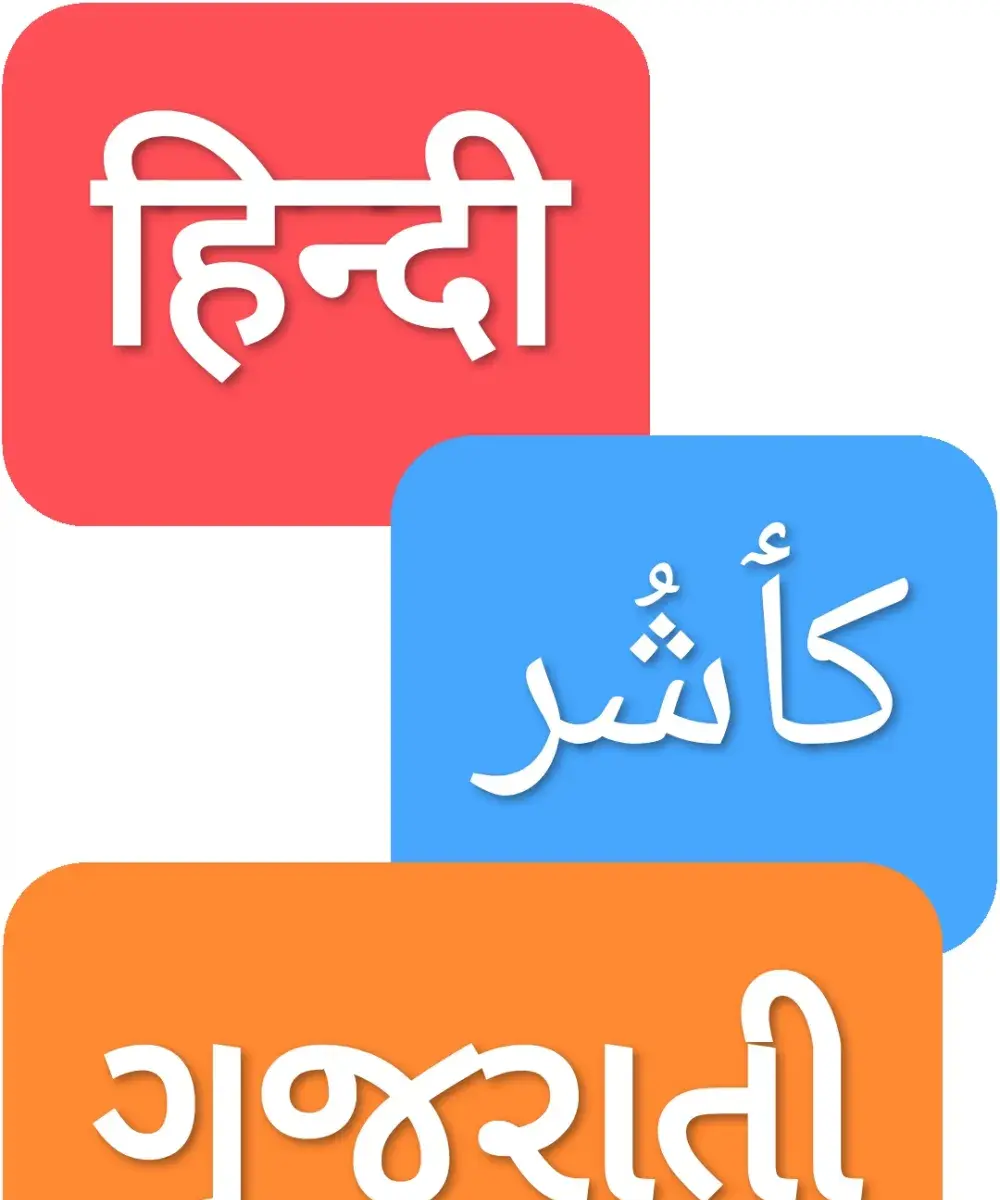
Devanagari we onuň göterýän dilleri
Devanagari diňe hindi üçin däl, eýsem sanskrit, marathi, nepali we Günorta Aziýanyň başga-da birnäçe dilleri üçin ulanylýar. Bu ýazgy köp sanly harpymyň üstünden geçýän ýapgydy bilen tanalýar, harplary sözlere birleşdirýär. Hindi sözündäki pitikler, aralyk ses bolmazdan ýygnanan, birleşen şekiller, iki ýa-da ondan köp pitik birleşen ýekeje şekile öwrülýär. Bu birleşmeleri öz içine almaýan hat, ýalňyş görkezýär, birleşen şekil bolmaly ýerde aýry nyşanlary görkezýär. Terjime edilen PDF, doly birleşen toplumy öz içine alýan Devanagari-b yhteşýan haty ulanýar.
Hindi dili, resmi resminamalarda ulanylýan Sanskrit-agyr Şuddh hindi dilinden başlap, iňlis we urdu sözlerini erkin garyşdyrýan gepleşik diline çenli spektrde ýerleşýär. Hökümet şahadatnamalary, ýuridik şertnamalar we bilim ýazgylary resmi derejäni ulanýar. Bu resminamalar üçin, sunyň terjimesi hindi dilini bilýän adam üçin resmi dil, ýöne ýönekeý söz däl diýip tanalýan netijäni döredýär. Hindistanyň tomaşaçylaryna gönükdirilen marketing we sarp ediş mazmuny üçin, ýerli gözegçi maksatnama laýyklykda sözleri üýtgedip biler.
Iňlis we hindi dilleriniň arasynda adamlaryň terjime edýän resminamalary
600 milliondan gowrak gepleýän hindi dili dünýäde iň köp ulanylýan dilleriň biridir, we iňlis hem-de hindi dilleriniň arasynda hereket edýän resminamalar bu jemgyýetiň möçberini görkezýär:
- Hindistandan maşgalany birleşdirmek we wizasy üçin resminamalary göçürmek
- Hindistanyň daşary ýurtlardaky jemgyýetleri üçin zerur bolan dogluş, nikah we bilim şahadatnamalary
- Hindistanda iş üçin ýuridik ylalaşyklar we emläk resminamalary
- Hindistan bilen daşary ýurtlaryň arasynda syýahat edýän näsaglaryň medisina ýazgylary we goýberiş jümleleri
- Hindistanyň degişli edaralary tarapyndan talap edilýän hökümet we administratiw resminamalar
- Hindistanyň bazaryna girýän harytlar üçin önüm ýazgylary we laýyklyk resminamalary
Tehnologiýa tarapyndan amala aşyrylan terjime, okamak, içgermal syn, we ilkinji nusgalary ýerine ýetirmegi öz içine alýar. Hökümet edaralaryna, migrasiýa gulluklaryna ýa-da kazyýetlere tabşyrylýan resminamalar adatça aklanan terjime we adam synçysynyň tassyklaýşyny talap edýär.
Iňlis dilinden Hindi diline PDF terjimesiniň bahasy
Mugt hasapnama açyň we resminama boýunça töleň, terjime zerurlyklaryňyz artdygyça ýokary derejä çykyň.
Free
Agza bolmak üçin kartyňyzyň gerek ýok
- 0,005 dollardan/söz AI terjimesi
- Skanerlenen we suratly PDF-ler üçin bir sahypasy 1 dollardan
- 108 dil
- 20 MB we 20 sahypa çenli faýllar
- DOCX, PDF, XLSX, PPTX, IDML, TXT, JPG, PNG we CSV
- Faýllar diňe 24 sagat saklanýar
- PDF redaktory we PDF-den DOCX-e öwrüji
Esasy
Iň köp satyn alynýanHer hepde töleg · islendik wagt ýatyryň
Aýlyk töleg
Ýylda bir gezek töleg · 33% tygşytlaň
- AI terjimesi her aýda
- Soňra söz başyna $0.005 AI terjimesi
- 100 MB çenli faýllar we 300 sahypa
- DOCX, PDF, XLSX, PPTX, IDML, TXT, JPG, PNG we CSV
- Skanerlenen resminamalar üçin OCR
- Resminama saklamak
- Priority goldaw
- Aýlyk plana 7 günüň dowamynda mugt synag
- Islendik wagt ýatyryp bilersiňiz
Pro
Aýlyk töleg
Ýylda bir gezek töleg · 34% tygşytlaň
- AI terjimesi her aýda
- Soňra söz başyna $0.004 AI terjimesi
- 1 GB çenli faýllar we 5000 sahypa
- DOCX, PDF, XLSX, PPTX, IDML, TXT, JPG, PNG we CSV
- Sözlük
- Priority nobat
- 5 toparyň agzasy
- API islegleri · aýda 1000 sahypa
- AI kömekçileri üçin MCP elýeterliligi
- Islendik wagt ýatyryp bilersiňiz
Biznes
Aýlyk töleg
Ýylda bir gezek töleg · 33% tygşytlaň
- AI terjimesi her aýda
- Soňra söz başyna $0.003 AI terjimesi
- 1 GB çenli faýllar we 5000 sahypa
- DOCX, PDF, XLSX, PPTX, IDML, TXT, JPG, PNG we CSV
- Sözlük
- Priority nobat
- 15 toparyň agzasy
- API islegleri · aýda 5000 sahypa
- AI kömekçileri üçin MCP elýeterliligi
- Islendik wagt ýatyryp bilersiňiz
Kärhanalar
Has köp möçber, invoicing ýa-da custom ylalaşyk gerekmi? Enterprise plan barada bize aýdyň.
PDF-iňizi Hindi diline nädip terjime etmeli
Mugt hasap dörediň
E-poçtaňyz bilen agza boluň we onlaýn terjime paneline giriň.
PDF faýlyňyzy ýüklemek
Faýlyňyzy sürüň we goýuň ýa-da saýlamak üçin gözläň. Pro we Business planlarda 1 GB çenli faýllar goldanýar.
Hindi dilini maksatnama dili hökmünde saýlaň
PDF-iňiziň asyl dilini saýlaň we Hindi dilini maksatnama dili hökmünde belläň.
Terjimä et we göçürip al
"Terjime et" düwmesine basyň we birnäçe minut garaşyň. Terjimäňiz Hindi dilinde, Devanagari ýazgysy we formatlary saklanan PDF ýüklemek üçin taýyn bolar.
Has köp resminäki terjime hyzmatlaryny öwreniň
Iňlis dilinden Hindi diline PDF terjimesi boýunça köp soralýanlar
Devanagari birleşen çekimleri PDF-de dogry ýerine ýetirilermi?
Hawa. Birleşikler, bir glypha birleşdirilen çekimler toplumydyr (mysal üçin, "ksha" toplumy öz birleşen nyşanyny emele getirýär). Çykaryş Devanagari birleşenleriniň doly toplumyny öz içine alýan fonty ulanýar, şonuň üçin tekst bölekleri aýry-aýry ýa-da bozuk görkezmekden görä, taza okalýar.
Men Hindi dilinden hem iňlis diline terjime edip bilerinmi?
Hawa. Bu jübüti iki ugurda işleýär. Hindi dilinden iňlis diline, ýazgy ýa-da konwersasiýasyny hem ýerine ýetirýär, sebäbi PDF-däki hindi teksti adatça iňlis ekwiwalentinden başga bir denslikde ýerine ýetirilýär.
Çykaryş resmi Hindi dilimi ýa-da kolokwialmy?
UI terjimesi resmi resminamalar, hukuk tekstleri we iş hat-alamat üçin amatly standart, resmi Hindi dilini maksat edinýär. Resmi Hindi dili döwlet resminamalarynda, şahadatnamalarda we hukuk şertnamalarynda ulanylýan Sanskritden gelip çykan söz baýlygyna eýerýär.
Iňlis we Hindi dilleriniň arasynda köplenç haýsy resminamalar terjime edilýär?
Biwägärnamalaryň, bilim resminamalarynyň we nikahnamalaryň wizalar üçin; Hindistanda işlemek üçin legal we emläk ylalaşyklary; näsaglar üçin lukmançylyk resminamalary; we Hindistan bazaryna girýän ýa-da çykýan harytlar üçin önüm dokumentasiýasy.
DocTranslator Devanagari ýazgysyndaky ýokarky çyzygy (shirorekha) kabul edýärmi?
Hawa. Şirorekha fontiň aýratynlygydyr: ol aýratyn goşmaça goşulmaýar, fontiň özi tarapyndan çyzylýar. Çykarylan netije dogry ýazylýan Devanagari fonti ulanyp, harplaryň göz öňünde tutulşy ýaly birleşdirilmegi bilen üpjün edilýär.
Hindi PDF-iň nähili ululygynda ýüklemek mümkin?
Mugt görnüş resminama üçin 20 MB we 20 sahypa, Esasy görnüş 100 MB we 300 sahypa, Pro we Biznes görnüşleri bolsa 1 GB ýa-da 5000 sahypa çenli kabul edýär. Ilkinji synag üçin bir gysga resminama ýeterlikdir, we onuň bahasy 0,99 dollardan başlanýar.
USCIS-e tabşyrylan Hindi resminamalary üçin tassyklaýyş terjimesi elýeterlimi?
Howwa. USCIS ýa-da beýleki hökümet edaralaryna tabşyrylan resminamalar adatça aklanan, adam tarapyndan seljerilen terjime talap edýär. Bu talaplar üçin aklanan terjime bölümine serediň.
PDF-iňizi şu gün Hindi diline terjime ediň
DocTranslator PDF-leri iňlis we hindi dilleriniň arasynda doly Devanagari ýazgysyny goldaw bilen, şol sanda goşmaçaർട്ടýazgylar we şiroreka çyzygy bilen, 1 GB çenli faýllary işläp, öwürýär.
Bagly Gurallar
Dil boýunça PDF terjime ediň
Resminama görnüşleri
Faýl Formatlary
Bize goşulanlar