AI 기반 · 120+ 언어

Translate PDF to Zulu

Convert PDFs to Zulu with click consonants, tonal distinctions, and the Bantu noun class system handled correctly. Layout and formatting are preserved throughout. Files up to 1 GB.

최대 파일 크기 1GB 원본 형식 유지함
무료 가입

번역을 위해 문서를 업로드하거나 드롭하세요

최대. 파일 크기 1GB

.PDF .DOCX .PPTX . XLSX .TXT .JPG .PNG . IDML . EPUB .HTML
아프리칸스어 (아프리칸스어)
쉬킵 (알바니아어)
አማርኛ (암하라어)
العربية (아랍어)
Հայերեն (아르메니아어)
아제르바이잔 딜리 (아제르바이잔)
에우스카라 (바스크어)
벨라루스카야 (벨라루스어)
বাংলা (벵골어)
보산스키 (보스니아어)
Български (불가리아어)
မြန်မာဘာသာ (버마어)
카탈라(카탈루냐어)
세부아노어 (세부아노)
치체와(치체와)
中文 简体 (중국어 간체)
中文 繁體 (중국어 번체)
코르수(코르시카)
흐르바츠키 (크로아티아어)
체슈티나 (체코어)
덴마크어 (Dansk)
네덜란드(네덜란드어)
영어 (영어)
에스페란토 (에스페란토)
에스티 (에스토니아어)
수오미 (핀란드어)
프랑스어 (프랑스어)
프리스크 (프리슬란트어)
갈레고(갈리시아어)
ქართული (조지아어)
독일어 (독일어)
Ελληνικά (그리스어)
ગુજરાતી (구자라트어)
크레올 아이시옌 (아이티어)
하우사(하우사)
하와이 오렐로 (하와이어)
עברית (히브리어)
हिंदी (힌디어)
흐붑 (몽족)
마자르어 (헝가리어)
이슬렌스카 (아이슬란드어)
이그보족 (이그보족)
인도네시아 바하사 (인도네시아어)
게일어(아일랜드어)
이탈리아어(이탈리아어)
일본어 (일본어)
바사 자와(자바어)
ಕನ್ನಡ (칸나다어)
Қазақ тілі (카자흐어)
ខ្មែរ (크메르어)
이키냐르완다 (키냐르완다)
한국어 (한국어)
쿠르디 (쿠르드어)
키르기스어 Кыргызча
ລາວ (라오스어)
라티나 (라틴어)
라트비에슈 (라트비아어)
리투비우 (리투아니아어)
Lëtzebuergesch (룩셈브)
마케도니아어 마케덴어(Македонски)
마다가스카르 (말다가스카르)
말레이어 말라유어(말레이어)
മലയാളം (말라얄람어)
몰티 (몰타어)
테 레오 마오리(마오리)
मराठी (마라티어)
Монгол хэл (몽골어)
नेपाली (네팔어)
노르스크 (노르웨이어)
ଓଡ଼ିଆ (오디아어)
فارسی (페르시아어)
폴스키 (폴란드어)
포르투게스 (포르투갈어)
ਪੰਜਾਬੀ (펀자브어)
로마나 (루마니아어)
루시스키(러시아어)
가가나 사모아 (사모아)
가이들리그 (스코틀랜드어)
Српски (세르비아어)
세소토 (세소토)
쇼나 (쇼나)
سنڌي (신드어)
සිංහල (신할라어)
슬로벤치나 (슬로바키아어)
슬로벤슈치나 (슬로베니아어)
수말리 (소말리)
에스파뇰 (스페인어)
바사 순다 (순다어)
스와힐리어 (스와힐리어)
스벤스카 (스웨덴어)
타갈로그어 (타갈로그)
토치코 (타지크)
தமிழ் (타밀어)
타트아르차(타타르)
తెలుగు (텔루구어)
ไทย (태국어)
튀르크체 (터키어)
튀르크멘체 (투르크멘)
우크라이나 어(우크라이나어)
اردو (우르두어)
ئۇيغۇرچە (위구르어)
오즈벡차 (우즈벡어)
티앙 비엣 (베트남어)
쿰레이그 (웨일스어)
이시코사(코사)
ייִדיש (이디시어)
요루바 (요루바)
isiZulu (줄루)
아프리칸스어 (아프리칸스어)
쉬킵 (알바니아어)
አማርኛ (암하라어)
العربية (아랍어)
Հայերեն (아르메니아어)
아제르바이잔 딜리 (아제르바이잔)
에우스카라 (바스크어)
벨라루스카야 (벨라루스어)
বাংলা (벵골어)
보산스키 (보스니아어)
Български (불가리아어)
မြန်မာဘာသာ (버마어)
카탈라(카탈루냐어)
세부아노어 (세부아노)
치체와(치체와)
中文 简体 (중국어 간체)
中文 繁體 (중국어 번체)
코르수(코르시카)
흐르바츠키 (크로아티아어)
체슈티나 (체코어)
덴마크어 (Dansk)
네덜란드(네덜란드어)
영어 (영어)
에스페란토 (에스페란토)
에스티 (에스토니아어)
수오미 (핀란드어)
프랑스어 (프랑스어)
프리스크 (프리슬란트어)
갈레고(갈리시아어)
ქართული (조지아어)
독일어 (독일어)
Ελληνικά (그리스어)
ગુજરાતી (구자라트어)
크레올 아이시옌 (아이티어)
하우사(하우사)
하와이 오렐로 (하와이어)
עברית (히브리어)
हिंदी (힌디어)
흐붑 (몽족)
마자르어 (헝가리어)
이슬렌스카 (아이슬란드어)
이그보족 (이그보족)
인도네시아 바하사 (인도네시아어)
게일어(아일랜드어)
이탈리아어(이탈리아어)
일본어 (일본어)
바사 자와(자바어)
ಕನ್ನಡ (칸나다어)
Қазақ тілі (카자흐어)
ខ្មែរ (크메르어)
이키냐르완다 (키냐르완다)
한국어 (한국어)
쿠르디 (쿠르드어)
키르기스어 Кыргызча
ລາວ (라오스어)
라티나 (라틴어)
라트비에슈 (라트비아어)
리투비우 (리투아니아어)
Lëtzebuergesch (룩셈브)
마케도니아어 마케덴어(Македонски)
마다가스카르 (말다가스카르)
말레이어 말라유어(말레이어)
മലയാളം (말라얄람어)
몰티 (몰타어)
테 레오 마오리(마오리)
मराठी (마라티어)
Монгол хэл (몽골어)
नेपाली (네팔어)
노르스크 (노르웨이어)
ଓଡ଼ିଆ (오디아어)
فارسی (페르시아어)
폴스키 (폴란드어)
포르투게스 (포르투갈어)
ਪੰਜਾਬੀ (펀자브어)
로마나 (루마니아어)
루시스키(러시아어)
가가나 사모아 (사모아)
가이들리그 (스코틀랜드어)
Српски (세르비아어)
세소토 (세소토)
쇼나 (쇼나)
سنڌي (신드어)
සිංහල (신할라어)
슬로벤치나 (슬로바키아어)
슬로벤슈치나 (슬로베니아어)
수말리 (소말리)
에스파뇰 (스페인어)
바사 순다 (순다어)
스와힐리어 (스와힐리어)
스벤스카 (스웨덴어)
타갈로그어 (타갈로그)
토치코 (타지크)
தமிழ் (타밀어)
타트아르차(타타르)
తెలుగు (텔루구어)
ไทย (태국어)
튀르크체 (터키어)
튀르크멘체 (투르크멘)
우크라이나 어(우크라이나어)
اردو (우르두어)
ئۇيغۇرچە (위구르어)
오즈벡차 (우즈벡어)
티앙 비엣 (베트남어)
쿰레이그 (웨일스어)
이시코사(코사)
ייִדיש (이디시어)
요루바 (요루바)
isiZulu (줄루)
아랍어 포르투갈어 러시아어 이탈리아어 한국 네덜란드어 폴란드어 터키어 스웨덴어 영어 스페인어 프랑스어 독일어 중국어 일본어 힌디어 벵골어 베트남어 태국 그리스어 히브리어 아랍어 포르투갈어 러시아어 이탈리아어 한국 네덜란드어 폴란드어 터키어 스웨덴어 영어 스페인어 프랑스어 독일어 중국어 일본어 힌디어 벵골어 베트남어 태국 그리스어 히브리어

What happens when you translate a PDF into Zulu

Zulu is written in the Latin alphabet, using 26 standard letters plus three letters that represent click consonants: c for the dental click, q for the palatal click, and x for the lateral click. These are genuine phonemes, not decorative marks or punctuation borrowed from other writing systems. They are fully integrated into the sound system of the language and appear in ordinary words across all registers of Zulu, from everyday speech to formal legal documents. A translation engine that strips or mishandles these characters produces Zulu text that is phonologically broken and unreadable to a native speaker. DocTranslator preserves the correct ASCII characters for click consonants throughout every translated PDF, treating c, q, and x as the standard Unicode Latin characters they are rather than as special symbols requiring separate encoding.

Zulu is an agglutinative Bantu language with a noun class system consisting of 15 classes. Every noun belongs to a class, and that class governs the agreement prefixes on verbs, adjectives, pronouns, and possessives throughout the sentence. Zulu follows a subject-object-verb word order, which differs structurally from English. The language is also tonal, using two tones - high and low - that distinguish between otherwise identical word forms. Subject concords and object concords are built into the verb itself, so a single Zulu verb form can carry information that English expresses across several separate words. Translating a PDF into Zulu therefore involves substantial morphological transformation, not just word-for-word substitution.

Zulu has more than 12 million native speakers and more than 27 million total speakers, making it the largest language community in South Africa. It is one of 11 official languages of South Africa and is the dominant language in KwaZulu-Natal province. Zulu carries significant political weight: it was the home language of Nelson Mandela, and African National Congress documents have historically circulated in Zulu as a primary language of political communication. PDF documents in Zulu or requiring Zulu translation appear across government administration, provincial services, mining industry contracts, academic publishing, and the South African diaspora legal and immigration context.

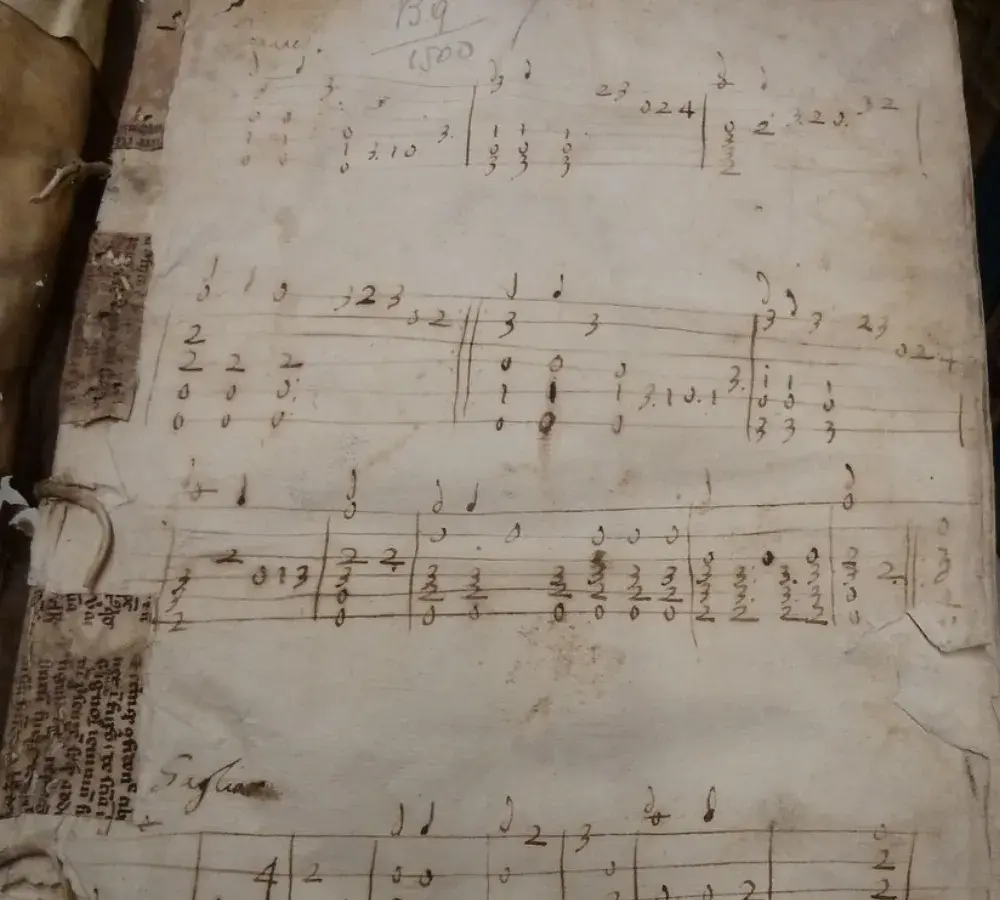
Historical document from southern Africa representing Zulu, a Bantu language with unique click consonants

Zulu: a politically significant language of South Africa

Zulu occupies a distinctive position among South Africa's 11 official languages because of its sheer scale and its role in the country's political history. The ANC, the governing political party since 1994, conducted much of its internal communication in Zulu alongside English and Xhosa during the anti-apartheid period. The South African Constitution and its accompanying legal framework are published in all 11 official languages, meaning Zulu versions of key legal texts carry the same standing as the English originals. Any organization operating in KwaZulu-Natal province - covering Durban, Pietermaritzburg, and surrounding regions - is likely to encounter Zulu-language documents in procurement, employment, and community consultation contexts.

The South African green ID book and the newer smart ID card are issued in English but carry personal information that is verified against Zulu-language records in KwaZulu-Natal province. University of KwaZulu-Natal degrees and academic transcripts are among the most frequently translated South African documents for international credential recognition. South African citizens in the diaspora, particularly in the United Kingdom, Australia, Canada, and the United States, regularly need their South African documents translated for immigration, employment, and licensing purposes, and a significant portion of that population has Zulu as their primary language.

Documents people translate between English and Zulu

Zulu-English document translation flows in both directions and spans public administration, immigration, mining and industry, academic credentialing, and civil status records. The most common document types include:

  • South African green ID books and smart ID cards submitted for immigration and visa applications in the UK, Australia, Canada, and the United States
  • KwaZulu-Natal province government documents including municipal notices, land records, and provincial administrative correspondence
  • University of KwaZulu-Natal degrees and academic transcripts for international credential recognition and postgraduate admissions abroad
  • South African birth certificates, marriage certificates, and unabridged birth certificates required for family immigration applications
  • Mining industry contracts and occupational health and safety documentation from operations in KwaZulu-Natal and surrounding provinces
  • South African court orders, maintenance agreements, and custody documentation for diaspora legal proceedings

AI translation works well for understanding the content of a Zulu-language PDF, preparing a working draft, or reviewing documents internally. Official submissions to immigration authorities, government offices, or courts typically require a 인증 번역 reviewed and signed by a qualified human translator. For US-based immigration filings involving South African documents, see our USCIS 번역 서비스 page for the specific requirements that apply.

English to Zulu PDF translation pricing

7 일 평가판부터 시작하여 번역 요구 사항이 증가함에 따라 업그레이드하십시오.

7일 시험

가장 인기 있는 작품
오늘 2달러

재판 종료 후 월 14.99달러

  • 7일간의 완전 접근 시험
  • 시험 제한: 10페이지 또는 3,000단어
  • $0.005/단어 AI 번역
  • 120+ 언어
  • PDF, DOCX, XLSX, PPTX, IDML, TXT, JPG, PNG, CSV, JSON
  • 팀 접근 및 맞춤 용어집
  • 이메일 지원

월간

인기
월 $14.99

정가 $29.99, 현재 50% 할인

  • 월 100페이지 또는 30,000단어
  • $0.005/단어 AI 번역
  • 120+ 언어
  • 무제한 파일 저장
  • PDF, DOCX, XLSX, PPTX, IDML, TXT, JPG, PNG, CSV, JSON
  • 팀 접근 및 맞춤 용어집
  • 우선 이메일 지원
🎉 최고의 가치: $44.88/년 절약

연감

25% 절약
연간 135달러

~$11.25/월, 월 대비 25% 할인

  • 월 100페이지 또는 30,000단어
  • $0.005/단어 AI 번역
  • 120+ 언어
  • 무제한 파일 저장
  • PDF, DOCX, XLSX, PPTX, IDML, TXT, JPG, PNG, CSV, JSON
  • 팀 접근 및 맞춤 용어집
  • 우선 이메일 지원
필요한 단계

How to translate your PDF to Zulu

01

무료 계정을 만드세요

가입하기 온라인 번역 대시보드에 액세스하려면 이메일을 사용하세요.

02

PDF 파일을 업로드하세요

파일을 드래그 앤 드롭하거나 탐색해서 선택하세요. 유료 요금제에서는 최대 1GB까지 파일을 지원합니다.

03

Choose Zulu as target language

Select the original language of your PDF and set Zulu as the target language. Click consonants c, q, and x will be preserved correctly in the Zulu output.

04

번역 및 다운로드

Click "Translate" and wait a few moments. Your translated PDF will be ready to download in Zulu with the original layout preserved.

English to Zulu PDF translation FAQ

How are Zulu click consonants handled in translated PDFs?

Zulu uses three click consonants written with standard Latin letters: c for the dental click, q for the palatal click, and x for the lateral click. These are ordinary ASCII characters and are encoded identically to any other Latin letter. DocTranslator outputs them correctly in the translated text. The risk of corruption arises only with some legacy PDF export tools that mishandle character encoding at the font level - DocTranslator outputs Unicode-compliant text that preserves these characters throughout.

How does the Bantu noun class system affect Zulu PDF translation quality?

Zulu has 15 noun classes, and every noun belongs to one of them. The class of a noun determines the agreement prefixes used on all verbs, adjectives, pronouns, possessives, and locative forms in the same sentence. This means that a single translation error in noun class assignment cascades through the surrounding text. AI models trained on substantial Zulu text corpora handle the most common noun class patterns well, producing readable output for most document types. Highly technical or specialized documents may show more variation in agreement accuracy.

Is Zulu tonal and does that affect PDF translation?

Yes. Zulu is a tonal language using two tones - high and low - which distinguish between otherwise identical word forms. Written Zulu does not conventionally mark tones with diacritics in most everyday and formal documents, so the tonal distinction exists at the spoken level and is resolved from context in writing. This means that PDF translation into Zulu does not require special tonal markup. The output reads naturally in standard written Zulu without tone marks.

What South African documents are most commonly translated from Zulu or into Zulu?

The most frequent documents are South African green ID books, smart ID cards, unabridged birth certificates, and University of KwaZulu-Natal degrees and transcripts. South African citizens in the UK, Australia, Canada, and the US frequently need these documents translated for immigration, employment authorization, and professional licensing. Mining industry contracts from KwaZulu-Natal operations and KwaZulu-Natal provincial government documents also appear regularly. For US immigration filings, a 인증 번역 필요합니다.

How large a Zulu PDF can I translate?

Up to 1 GB or 5,000 pages on Monthly and Annual plans. The $2 7-day trial covers up to 10 pages or 3,000 words, which is sufficient to verify how click consonants, noun class agreement, and layout are handled on a sample document before processing a full file.

Can I translate from Zulu into English as well as from English into Zulu?

Yes. The Zulu-English pair works in both directions. Translating a Zulu-language document into English is common for South African diaspora members sharing documents with non-Zulu-speaking employers, universities, or immigration authorities abroad. Translating English documents into Zulu is common for organizations providing services in KwaZulu-Natal or publishing materials required in multiple South African official languages.

How does Zulu word order differ from English and why does it matter for PDF translation?

English is a subject-verb-object language. Zulu is primarily subject-object-verb, and additionally encodes the subject and object as concord prefixes inside the verb itself. This means that a Zulu verb alone can express what English requires a full clause to convey. Translating a structured document like a contract or official letter into Zulu therefore involves more than substituting vocabulary - it requires restructuring clause boundaries and handling verb morphology correctly. Modern AI translation models handle these structural differences at the sentence level for most standard document types.

Translate your PDF to Zulu today

DocTranslator converts PDFs to Zulu online, preserving click consonants, Bantu noun class agreement, and your original document layout. South African documents up to 1 GB supported.

우리의 파트너들

Accenture
Bloomberg
Citrix
P&G
SAP