AI 기반 · 120+ 언어

Translate PDF to Irish

Convert PDFs to Irish (Gaeilge) with fada diacritics rendered correctly on all long vowels. Consonant mutations, VSO word order, and verbal noun constructions are handled by the translation engine. Layout and formatting are preserved. Files up to 1 GB.

최대 파일 크기 1GB 원본 형식 유지함
무료 가입

번역을 위해 문서를 업로드하거나 드롭하세요

최대. 파일 크기 1GB

.PDF .DOCX .PPTX . XLSX .TXT .JPG .PNG . IDML . EPUB .HTML
아프리칸스어 (아프리칸스어)
쉬킵 (알바니아어)
አማርኛ (암하라어)
العربية (아랍어)
Հայերեն (아르메니아어)
아제르바이잔 딜리 (아제르바이잔)
에우스카라 (바스크어)
벨라루스카야 (벨라루스어)
বাংলা (벵골어)
보산스키 (보스니아어)
Български (불가리아어)
မြန်မာဘာသာ (버마어)
카탈라(카탈루냐어)
세부아노어 (세부아노)
치체와(치체와)
中文 简体 (중국어 간체)
中文 繁體 (중국어 번체)
코르수(코르시카)
흐르바츠키 (크로아티아어)
체슈티나 (체코어)
덴마크어 (Dansk)
네덜란드(네덜란드어)
영어 (영어)
에스페란토 (에스페란토)
에스티 (에스토니아어)
수오미 (핀란드어)
프랑스어 (프랑스어)
프리스크 (프리슬란트어)
갈레고(갈리시아어)
ქართული (조지아어)
독일어 (독일어)
Ελληνικά (그리스어)
ગુજરાતી (구자라트어)
크레올 아이시옌 (아이티어)
하우사(하우사)
하와이 오렐로 (하와이어)
עברית (히브리어)
हिंदी (힌디어)
흐붑 (몽족)
마자르어 (헝가리어)
이슬렌스카 (아이슬란드어)
이그보족 (이그보족)
인도네시아 바하사 (인도네시아어)
게일어(아일랜드어)
이탈리아어(이탈리아어)
일본어 (일본어)
바사 자와(자바어)
ಕನ್ನಡ (칸나다어)
Қазақ тілі (카자흐어)
ខ្មែរ (크메르어)
이키냐르완다 (키냐르완다)
한국어 (한국어)
쿠르디 (쿠르드어)
키르기스어 Кыргызча
ລາວ (라오스어)
라티나 (라틴어)
라트비에슈 (라트비아어)
리투비우 (리투아니아어)
Lëtzebuergesch (룩셈브)
마케도니아어 마케덴어(Македонски)
마다가스카르 (말다가스카르)
말레이어 말라유어(말레이어)
മലയാളം (말라얄람어)
몰티 (몰타어)
테 레오 마오리(마오리)
मराठी (마라티어)
Монгол хэл (몽골어)
नेपाली (네팔어)
노르스크 (노르웨이어)
ଓଡ଼ିଆ (오디아어)
فارسی (페르시아어)
폴스키 (폴란드어)
포르투게스 (포르투갈어)
ਪੰਜਾਬੀ (펀자브어)
로마나 (루마니아어)
루시스키(러시아어)
가가나 사모아 (사모아)
가이들리그 (스코틀랜드어)
Српски (세르비아어)
세소토 (세소토)
쇼나 (쇼나)
سنڌي (신드어)
සිංහල (신할라어)
슬로벤치나 (슬로바키아어)
슬로벤슈치나 (슬로베니아어)
수말리 (소말리)
에스파뇰 (스페인어)
바사 순다 (순다어)
스와힐리어 (스와힐리어)
스벤스카 (스웨덴어)
타갈로그어 (타갈로그)
토치코 (타지크)
தமிழ் (타밀어)
타트아르차(타타르)
తెలుగు (텔루구어)
ไทย (태국어)
튀르크체 (터키어)
튀르크멘체 (투르크멘)
우크라이나 어(우크라이나어)
اردو (우르두어)
ئۇيغۇرچە (위구르어)
오즈벡차 (우즈벡어)
티앙 비엣 (베트남어)
쿰레이그 (웨일스어)
이시코사(코사)
ייִדיש (이디시어)
요루바 (요루바)
isiZulu (줄루)
아프리칸스어 (아프리칸스어)
쉬킵 (알바니아어)
አማርኛ (암하라어)
العربية (아랍어)
Հայերեն (아르메니아어)
아제르바이잔 딜리 (아제르바이잔)
에우스카라 (바스크어)
벨라루스카야 (벨라루스어)
বাংলা (벵골어)
보산스키 (보스니아어)
Български (불가리아어)
မြန်မာဘာသာ (버마어)
카탈라(카탈루냐어)
세부아노어 (세부아노)
치체와(치체와)
中文 简体 (중국어 간체)
中文 繁體 (중국어 번체)
코르수(코르시카)
흐르바츠키 (크로아티아어)
체슈티나 (체코어)
덴마크어 (Dansk)
네덜란드(네덜란드어)
영어 (영어)
에스페란토 (에스페란토)
에스티 (에스토니아어)
수오미 (핀란드어)
프랑스어 (프랑스어)
프리스크 (프리슬란트어)
갈레고(갈리시아어)
ქართული (조지아어)
독일어 (독일어)
Ελληνικά (그리스어)
ગુજરાતી (구자라트어)
크레올 아이시옌 (아이티어)
하우사(하우사)
하와이 오렐로 (하와이어)
עברית (히브리어)
हिंदी (힌디어)
흐붑 (몽족)
마자르어 (헝가리어)
이슬렌스카 (아이슬란드어)
이그보족 (이그보족)
인도네시아 바하사 (인도네시아어)
게일어(아일랜드어)
이탈리아어(이탈리아어)
일본어 (일본어)
바사 자와(자바어)
ಕನ್ನಡ (칸나다어)
Қазақ тілі (카자흐어)
ខ្មែរ (크메르어)
이키냐르완다 (키냐르완다)
한국어 (한국어)
쿠르디 (쿠르드어)
키르기스어 Кыргызча
ລາວ (라오스어)
라티나 (라틴어)
라트비에슈 (라트비아어)
리투비우 (리투아니아어)
Lëtzebuergesch (룩셈브)
마케도니아어 마케덴어(Македонски)
마다가스카르 (말다가스카르)
말레이어 말라유어(말레이어)
മലയാളം (말라얄람어)
몰티 (몰타어)
테 레오 마오리(마오리)
मराठी (마라티어)
Монгол хэл (몽골어)
नेपाली (네팔어)
노르스크 (노르웨이어)
ଓଡ଼ିଆ (오디아어)
فارسی (페르시아어)
폴스키 (폴란드어)
포르투게스 (포르투갈어)
ਪੰਜਾਬੀ (펀자브어)
로마나 (루마니아어)
루시스키(러시아어)
가가나 사모아 (사모아)
가이들리그 (스코틀랜드어)
Српски (세르비아어)
세소토 (세소토)
쇼나 (쇼나)
سنڌي (신드어)
සිංහල (신할라어)
슬로벤치나 (슬로바키아어)
슬로벤슈치나 (슬로베니아어)
수말리 (소말리)
에스파뇰 (스페인어)
바사 순다 (순다어)
스와힐리어 (스와힐리어)
스벤스카 (스웨덴어)
타갈로그어 (타갈로그)
토치코 (타지크)
தமிழ் (타밀어)
타트아르차(타타르)
తెలుగు (텔루구어)
ไทย (태국어)
튀르크체 (터키어)
튀르크멘체 (투르크멘)
우크라이나 어(우크라이나어)
اردو (우르두어)
ئۇيغۇرچە (위구르어)
오즈벡차 (우즈벡어)
티앙 비엣 (베트남어)
쿰레이그 (웨일스어)
이시코사(코사)
ייִדיש (이디시어)
요루바 (요루바)
isiZulu (줄루)
아랍어 포르투갈어 러시아어 이탈리아어 한국 네덜란드어 폴란드어 터키어 스웨덴어 영어 스페인어 프랑스어 독일어 중국어 일본어 힌디어 벵골어 베트남어 태국 그리스어 히브리어 아랍어 포르투갈어 러시아어 이탈리아어 한국 네덜란드어 폴란드어 터키어 스웨덴어 영어 스페인어 프랑스어 독일어 중국어 일본어 힌디어 벵골어 베트남어 태국 그리스어 히브리어

What happens when you translate a PDF into Irish

Irish (Gaeilge) uses the Latin alphabet in a reduced form of only 18 letters. The letters j, k, q, v, w, x, y, and z are absent from the native Irish alphabet. The single diacritic mark used in Irish is the fada, an acute accent placed over vowels (a, e, i, o, u) to indicate that the vowel is long. The fada is not decorative; it changes both pronunciation and meaning. The word "ma" means "if" while "ma" with a fada on the a means "mother." A PDF translation that strips fada marks produces text that is not just visually degraded but semantically wrong. DocTranslator preserves all five accented vowel forms across the output document so that long-vowel distinctions are never lost when a PDF is converted into Irish.

Irish grammar presents challenges that go beyond the alphabet. Irish is a VSO language, meaning the verb comes first in a sentence, followed by the subject, and then the object. This is the opposite of English word order and requires the translation engine to restructure sentence syntax, not merely substitute words. Irish also has a consonant mutation system unlike anything in the major western European languages. Two types of mutation exist: lenition, which adds the letter h after an initial consonant to change its sound (the word "bad" meaning "boat" becomes "a bhad" meaning "his boat"), and eclipsis, which prepends a new consonant before the initial consonant of a word (the same word becomes "i mbad" meaning "in a boat"). These mutations change both spelling and pronunciation depending on grammatical context, and they apply systematically to initial consonants in response to preceding words such as possessives, prepositions, and certain verb forms.

Irish has more than 73,000 daily speakers concentrated in the Gaeltacht regions of western, northern, and southern Ireland, and over 1.8 million people across the island of Ireland have some proficiency in the language. Irish is the first official language of the Republic of Ireland under Article 8 of the Constitution, and it became an official language of the European Union in 2007, meaning that all EU legal acts must be published in Irish. This combination of constitutional status, EU membership, and a large diaspora in the United States, the United Kingdom, Canada, and Australia creates steady demand for Irish-language document translation across government, academic, and legal contexts.

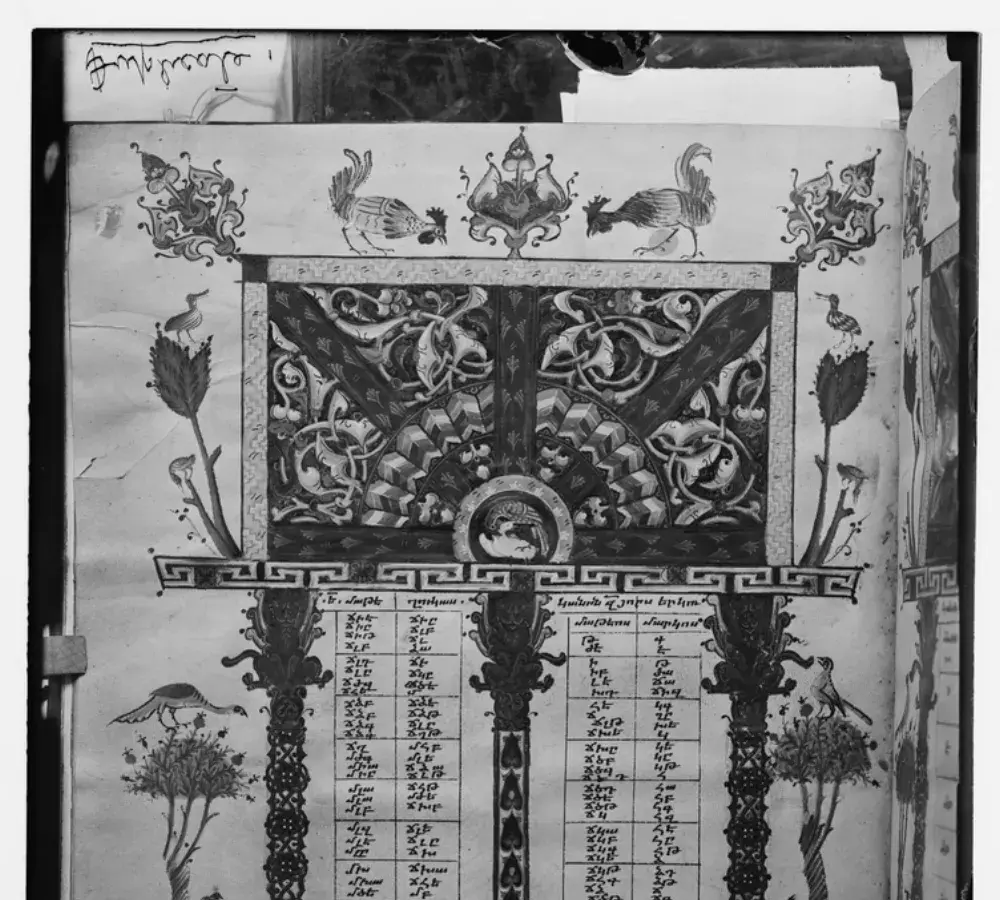
Celtic illuminated manuscript page in the tradition of the Book of Kells representing Irish Gaelic

Irish has no words for "yes" or "no"

One of the most structurally distinctive features of Irish is the complete absence of words for "yes" and "no." In Irish, agreement and disagreement are expressed by repeating the verb of the question in its affirmative or negative form. If someone asks "An bhfuil tu go maith?" (Are you well?), the affirmative reply is "Ta" (I am) and the negative is "Nil" (I am not). This means that direct question-and-answer structures in English documents - such as yes/no checkbox fields, survey forms, and legal declarations with affirmative/negative options - cannot be translated with a single fixed word. The translation engine must read the surrounding verb context to produce the correct Irish response form, which is one reason why translating interactive or form-based PDF documents into Irish requires careful linguistic handling.

Irish also has no infinitive verb form. Where English uses "to translate," "to submit," or "to certify," Irish uses the verbal noun, a form that functions as both a noun and a verbal construction. The verbal noun in Irish is the base form found in dictionaries, and it appears in constructions with the verb "to be" plus a preposition to convey ongoing or intended action. This structural difference means that procedural documents, instructions, and legal obligations written in English with infinitives must be reworked into verbal-noun constructions in Irish to read naturally. Documents translated from English into Irish for official Irish government publications follow this pattern by constitutional and legislative convention.

Documents people translate between English and Irish

Ireland's constitutional requirement that all official government publications be bilingual in Irish and English, combined with Irish being an official EU language, generates a broad range of document types that cross the Irish-English language boundary. Common document types include:

  • Irish government documents, including Acts of the Oireachtas (parliament), statutory instruments, and public notices, which are required by law to appear in both Irish and English
  • EU legal acts and regulations published in Irish, required since Irish became a full EU working language, for cross-referencing with the English-language versions
  • Trinity College Dublin and National University of Ireland degree certificates and academic transcripts for diaspora students applying to employers or graduate programs in the US, UK, and Australia
  • Birth, marriage, and death certificates issued by the General Register Office of Ireland, which carry Irish and English text and are submitted to US and UK immigration authorities
  • Irish driving licenses submitted for exchange in countries that require a translated version alongside the original document
  • Gaeltacht community organization documents, heritage language program materials, and Irish-medium school communications translated into English for non-Irish-speaking parents and international partners

AI translation is well suited to reading a document, preparing a working draft, or understanding the content of an unfamiliar Irish-language PDF. Official submissions to immigration authorities, courts, or government offices typically require a 인증 번역 reviewed and signed by a qualified human translator. For Irish diaspora members submitting Irish-language civil documents to US Citizenship and Immigration Services, certified translation is a formal requirement. See our USCIS 번역 서비스 page for details on what certification means and when it is required.

English to Irish PDF translation pricing

7 일 평가판부터 시작하여 번역 요구 사항이 증가함에 따라 업그레이드하십시오.

7일 시험

가장 인기 있는 작품
오늘 2달러

재판 종료 후 월 14.99달러

  • 7일간의 완전 접근 시험
  • 시험 제한: 10페이지 또는 3,000단어
  • $0.005/단어 AI 번역
  • 120+ 언어
  • PDF, DOCX, XLSX, PPTX, IDML, TXT, JPG, PNG, CSV, JSON
  • 팀 접근 및 맞춤 용어집
  • 이메일 지원

월간

인기
월 $14.99

정가 $29.99, 현재 50% 할인

  • 월 100페이지 또는 30,000단어
  • $0.005/단어 AI 번역
  • 120+ 언어
  • 무제한 파일 저장
  • PDF, DOCX, XLSX, PPTX, IDML, TXT, JPG, PNG, CSV, JSON
  • 팀 접근 및 맞춤 용어집
  • 우선 이메일 지원
🎉 최고의 가치: $44.88/년 절약

연감

25% 절약
연간 135달러

~$11.25/월, 월 대비 25% 할인

  • 월 100페이지 또는 30,000단어
  • $0.005/단어 AI 번역
  • 120+ 언어
  • 무제한 파일 저장
  • PDF, DOCX, XLSX, PPTX, IDML, TXT, JPG, PNG, CSV, JSON
  • 팀 접근 및 맞춤 용어집
  • 우선 이메일 지원
필요한 단계

How to translate your PDF to Irish

01

무료 계정을 만드세요

가입하기 온라인 번역 대시보드에 액세스하려면 이메일을 사용하세요.

02

PDF 파일을 업로드하세요

파일을 드래그 앤 드롭하거나 탐색해서 선택하세요. 유료 요금제에서는 최대 1GB까지 파일을 지원합니다.

03

Choose Irish as target language

Select the original language of your PDF and set Irish (Gaeilge) as the target language. The output will include all fada diacritics rendered correctly on long vowels throughout the document.

04

번역 및 다운로드

Click "Translate" and wait a few moments. Your translated PDF will be ready to download in Irish with the original layout preserved.

English to Irish PDF translation FAQ

Will fada diacritics render correctly in the translated Irish PDF?

Yes. The fada is the only diacritic used in Irish and appears on any of the five vowels (a, e, i, o, u) to mark long vowel sounds. Stripping fada marks changes the meaning of words, so correct Unicode rendering is essential. DocTranslator outputs all accented Irish vowel forms correctly so that the translated document is both visually accurate and semantically correct.

How does the Irish consonant mutation system affect PDF translation?

Irish has two initial consonant mutations: lenition (which inserts h after the first consonant of a word) and eclipsis (which prepends a new consonant before the first consonant). Both mutations are triggered grammatically by preceding words such as possessive pronouns, prepositions, and certain particles. These mutations change spelling, not just pronunciation, so a translation engine must apply them correctly in context. The word "bad" (boat) can appear as "bad," "a bhad" (his boat), or "i mbad" (in a boat) depending on the grammatical construction.

How does Irish handle "yes" and "no" in translated documents?

Irish has no single words for "yes" or "no." Affirmation and negation are expressed by repeating the verb of the question in positive or negative form. This means that translated documents containing yes/no options, checkboxes, or direct affirmative/negative declarations require the surrounding verb context to produce the correct Irish form. For straightforward prose documents, this distinction affects how questions and responses in dialogues, instruction forms, and legal declarations are rendered in the Irish-language version.

What Irish government documents commonly need translation?

The Irish Constitution requires all official government publications to appear in both Irish and English. Acts of the Oireachtas, statutory instruments, and public notices are all bilingual by law. EU legal acts are also published in Irish since it became a full EU working language. Within the diaspora context, Irish birth certificates, marriage certificates, and National University of Ireland degree certificates are among the documents most frequently translated into English for submission to employers and immigration authorities in the US, UK, and Australia.

Do I need a certified translation of my Irish document for USCIS?

Yes, if you are submitting an Irish-language civil document - such as a birth certificate or marriage certificate - to US Citizenship and Immigration Services, a certified translation is required. AI-generated translation is well suited for understanding the content of the document, but official USCIS submissions must include a translation accompanied by a signed certification of accuracy from a qualified translator. See our USCIS 번역 서비스 page for full requirements.

How large an Irish PDF can I translate?

Up to 1 GB or 5,000 pages on Monthly and Annual plans. The $2 7-day trial covers up to 10 pages or 3,000 words, which is sufficient to verify that fada diacritics, consonant mutations, and document formatting are handled correctly on a sample before processing a full document.

Can I translate from Irish into English as well as from English into Irish?

Yes. The Irish-English pair works in both directions. Translating an Irish-language PDF into English is common for diaspora members sharing official Irish documents with non-Irish-speaking employers, universities, and government authorities in the US, UK, Canada, and Australia, as well as for organizations working with Irish-medium school materials or Gaeltacht community documents that need to be accessible to English-speaking stakeholders.

Translate your PDF to Irish today

DocTranslator converts PDFs to Irish (Gaeilge) online, rendering all fada diacritics correctly on long vowels, preserving your document layout, and supporting files up to 1 GB.

우리의 파트너들

Accenture
Bloomberg
Citrix
P&G
SAP