AI 기반 · 120+ 언어

Translate PDF English to German

Turn English PDFs into German with the umlauts (ä ö ü), the ß, and the original layout kept in place, or translate the other way from German back to English. Files up to 1 GB.

최대 파일 크기 1GB 원본 형식 유지함
무료 가입

번역을 위해 문서를 업로드하거나 드롭하세요

최대. 파일 크기 1GB

.PDF .DOCX .PPTX . XLSX .TXT .JPG .PNG . IDML . EPUB .HTML
아프리칸스어 (아프리칸스어)
쉬킵 (알바니아어)
አማርኛ (암하라어)
العربية (아랍어)
Հայերեն (아르메니아어)
아제르바이잔 딜리 (아제르바이잔)
에우스카라 (바스크어)
벨라루스카야 (벨라루스어)
বাংলা (벵골어)
보산스키 (보스니아어)
Български (불가리아어)
မြန်မာဘာသာ (버마어)
카탈라(카탈루냐어)
세부아노어 (세부아노)
치체와(치체와)
中文 简体 (중국어 간체)
中文 繁體 (중국어 번체)
코르수(코르시카)
흐르바츠키 (크로아티아어)
체슈티나 (체코어)
덴마크어 (Dansk)
네덜란드(네덜란드어)
영어 (영어)
에스페란토 (에스페란토)
에스티 (에스토니아어)
수오미 (핀란드어)
프랑스어 (프랑스어)
프리스크 (프리슬란트어)
갈레고(갈리시아어)
ქართული (조지아어)
독일어 (독일어)
Ελληνικά (그리스어)
ગુજરાતી (구자라트어)
크레올 아이시옌 (아이티어)
하우사(하우사)
하와이 오렐로 (하와이어)
עברית (히브리어)
हिंदी (힌디어)
흐붑 (몽족)
마자르어 (헝가리어)
이슬렌스카 (아이슬란드어)
이그보족 (이그보족)
인도네시아 바하사 (인도네시아어)
게일어(아일랜드어)
이탈리아어(이탈리아어)
일본어 (일본어)
바사 자와(자바어)
ಕನ್ನಡ (칸나다어)
Қазақ тілі (카자흐어)
ខ្មែរ (크메르어)
이키냐르완다 (키냐르완다)
한국어 (한국어)
쿠르디 (쿠르드어)
키르기스어 Кыргызча
ລາວ (라오스어)
라티나 (라틴어)
라트비에슈 (라트비아어)
리투비우 (리투아니아어)
Lëtzebuergesch (룩셈브)
마케도니아어 마케덴어(Македонски)
마다가스카르 (말다가스카르)
말레이어 말라유어(말레이어)
മലയാളം (말라얄람어)
몰티 (몰타어)
테 레오 마오리(마오리)
मराठी (마라티어)
Монгол хэл (몽골어)
नेपाली (네팔어)
노르스크 (노르웨이어)
ଓଡ଼ିଆ (오디아어)
فارسی (페르시아어)
폴스키 (폴란드어)
포르투게스 (포르투갈어)
ਪੰਜਾਬੀ (펀자브어)
로마나 (루마니아어)
루시스키(러시아어)
가가나 사모아 (사모아)
가이들리그 (스코틀랜드어)
Српски (세르비아어)
세소토 (세소토)
쇼나 (쇼나)
سنڌي (신드어)
සිංහල (신할라어)
슬로벤치나 (슬로바키아어)
슬로벤슈치나 (슬로베니아어)
수말리 (소말리)
에스파뇰 (스페인어)
바사 순다 (순다어)
스와힐리어 (스와힐리어)
스벤스카 (스웨덴어)
타갈로그어 (타갈로그)
토치코 (타지크)
தமிழ் (타밀어)
타트아르차(타타르)
తెలుగు (텔루구어)
ไทย (태국어)
튀르크체 (터키어)
튀르크멘체 (투르크멘)
우크라이나 어(우크라이나어)
اردو (우르두어)
ئۇيغۇرچە (위구르어)
오즈벡차 (우즈벡어)
티앙 비엣 (베트남어)
쿰레이그 (웨일스어)
이시코사(코사)
ייִדיש (이디시어)
요루바 (요루바)
isiZulu (줄루)
아프리칸스어 (아프리칸스어)
쉬킵 (알바니아어)
አማርኛ (암하라어)
العربية (아랍어)
Հայերեն (아르메니아어)
아제르바이잔 딜리 (아제르바이잔)
에우스카라 (바스크어)
벨라루스카야 (벨라루스어)
বাংলা (벵골어)
보산스키 (보스니아어)
Български (불가리아어)
မြန်မာဘာသာ (버마어)
카탈라(카탈루냐어)
세부아노어 (세부아노)
치체와(치체와)
中文 简体 (중국어 간체)
中文 繁體 (중국어 번체)
코르수(코르시카)
흐르바츠키 (크로아티아어)
체슈티나 (체코어)
덴마크어 (Dansk)
네덜란드(네덜란드어)
영어 (영어)
에스페란토 (에스페란토)
에스티 (에스토니아어)
수오미 (핀란드어)
프랑스어 (프랑스어)
프리스크 (프리슬란트어)
갈레고(갈리시아어)
ქართული (조지아어)
독일어 (독일어)
Ελληνικά (그리스어)
ગુજરાતી (구자라트어)
크레올 아이시옌 (아이티어)
하우사(하우사)
하와이 오렐로 (하와이어)
עברית (히브리어)
हिंदी (힌디어)
흐붑 (몽족)
마자르어 (헝가리어)
이슬렌스카 (아이슬란드어)
이그보족 (이그보족)
인도네시아 바하사 (인도네시아어)
게일어(아일랜드어)
이탈리아어(이탈리아어)
일본어 (일본어)
바사 자와(자바어)
ಕನ್ನಡ (칸나다어)
Қазақ тілі (카자흐어)
ខ្មែរ (크메르어)
이키냐르완다 (키냐르완다)
한국어 (한국어)
쿠르디 (쿠르드어)
키르기스어 Кыргызча
ລາວ (라오스어)
라티나 (라틴어)
라트비에슈 (라트비아어)
리투비우 (리투아니아어)
Lëtzebuergesch (룩셈브)
마케도니아어 마케덴어(Македонски)
마다가스카르 (말다가스카르)
말레이어 말라유어(말레이어)
മലയാളം (말라얄람어)
몰티 (몰타어)
테 레오 마오리(마오리)
मराठी (마라티어)
Монгол хэл (몽골어)
नेपाली (네팔어)
노르스크 (노르웨이어)
ଓଡ଼ିଆ (오디아어)
فارسی (페르시아어)
폴스키 (폴란드어)
포르투게스 (포르투갈어)
ਪੰਜਾਬੀ (펀자브어)
로마나 (루마니아어)
루시스키(러시아어)
가가나 사모아 (사모아)
가이들리그 (스코틀랜드어)
Српски (세르비아어)
세소토 (세소토)
쇼나 (쇼나)
سنڌي (신드어)
සිංහල (신할라어)
슬로벤치나 (슬로바키아어)
슬로벤슈치나 (슬로베니아어)
수말리 (소말리)
에스파뇰 (스페인어)
바사 순다 (순다어)
스와힐리어 (스와힐리어)
스벤스카 (스웨덴어)
타갈로그어 (타갈로그)
토치코 (타지크)
தமிழ் (타밀어)
타트아르차(타타르)
తెలుగు (텔루구어)
ไทย (태국어)
튀르크체 (터키어)
튀르크멘체 (투르크멘)
우크라이나 어(우크라이나어)
اردو (우르두어)
ئۇيغۇرچە (위구르어)
오즈벡차 (우즈벡어)
티앙 비엣 (베트남어)
쿰레이그 (웨일스어)
이시코사(코사)
ייִדיש (이디시어)
요루바 (요루바)
isiZulu (줄루)
아랍어 포르투갈어 러시아어 이탈리아어 한국 네덜란드어 폴란드어 터키어 스웨덴어 영어 스페인어 프랑스어 독일어 중국어 일본어 힌디어 벵골어 베트남어 태국 그리스어 히브리어 아랍어 포르투갈어 러시아어 이탈리아어 한국 네덜란드어 폴란드어 터키어 스웨덴어 영어 스페인어 프랑스어 독일어 중국어 일본어 힌디어 벵골어 베트남어 태국 그리스어 히브리어

What happens when you translate a PDF into German

German and English are both West Germanic languages, so the grammar and a lot of the vocabulary feel familiar. The catch is length. German tends to spell out in one long compound noun what English breaks into several words, and the translated text usually runs somewhere around 10 to 35% longer than the English it came from. In a free-flowing document that just means more lines. Inside a PDF, where every text box, table cell, and caption has a fixed size, that extra length is where layouts start to break.

A tool that only swaps words leaves you to clean up the mess: German running past the edge of a table column, a button label that no longer fits, a heading that wraps onto a second line and shoves everything below it down the page. DocTranslator translates the text and re-fits it to the page, so the German version lines up with the original instead of spilling out of its boxes. The same engine runs in the other direction, German into English, where the text usually gets shorter and the layout has to be tightened up rather than stretched.

German is written in the Latin alphabet with three extra vowels (ä, ö, ü) and the sharp s, ß. Those characters have to survive the round trip and show up correctly in the finished file rather than turning into stray symbols or empty boxes, which is a common failure when a PDF is built from a font that never carried the German glyphs.

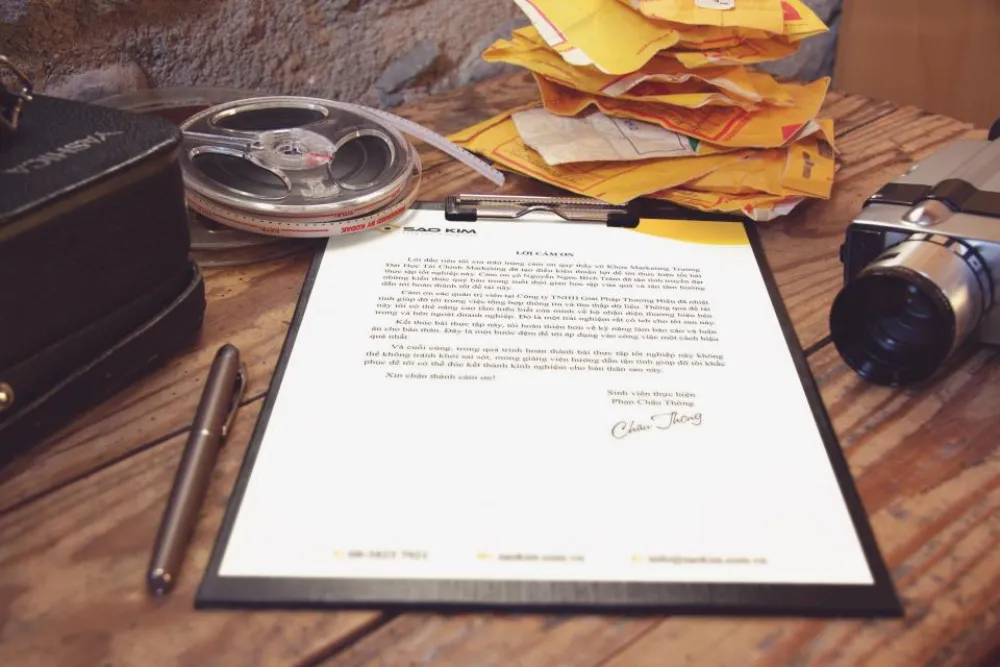
Printed documents and paperwork on a desk, the kind of German business and technical files sent for translation

A language pair built on paperwork

German is the most widely spoken native language in the European Union, with roughly 95 million native speakers, and it is an official language in Germany, Austria, Switzerland, and Liechtenstein. A lot of that weight sits in industry. German manufacturing, engineering, and research generate a steady flow of documents that cross the English line in both directions.

The files people send through this pair tend to be dense and technical: machinery and equipment manuals, technical specifications, supplier contracts, patents, academic papers, and certificates. These are exactly the documents where a misplaced line break or a dropped umlaut is most noticeable, so keeping the layout and the special characters intact is the whole point.

German details that affect the finished PDF

Long compound nouns

German strings whole phrases into single words, and one of those can be wider than the column it sits in. The layout is re-fitted so those long words wrap sensibly instead of running off the edge of a cell or crashing into the next column.

Umlauts and the ß

ä, ö, ü, and ß are part of normal German spelling, not optional accents. The output embeds fonts that carry these glyphs, so they render correctly in the translated file rather than dropping to a plain a, o, u or a blank box.

Technical terminology

Engineering manuals and specifications lean on precise terms. The AI reads the surrounding context to keep terminology consistent across a long document instead of translating the same term two different ways on two different pages.

Both directions

English to German and German to English run on the same engine. Going into German the text grows and the layout has room added; coming back into English it shrinks and the spacing is closed up so the page does not end up half empty.

English to German PDF Translation Pricing

무료로 시작해서 번역 수요가 늘어나는 대로 업그레이드하세요.

7일 시험

가장 인기 있는 작품
오늘 2달러

재판 종료 후 월 14.99달러

  • 7일간의 완전 접근 시험
  • 시험 제한: 10페이지 또는 3,000단어
  • $0.005/단어 AI 번역
  • 120+ 언어
  • PDF, DOCX, XLSX, PPTX, IDML, TXT, JPG, PNG, CSV, JSON
  • 팀 접근 및 맞춤 용어집
  • 이메일 지원

월간

인기
월 $14.99

정가 $29.99, 현재 50% 할인

  • 월 100페이지 또는 30,000단어
  • $0.005/단어 AI 번역
  • 120+ 언어
  • 무제한 파일 저장
  • PDF, DOCX, XLSX, PPTX, IDML, TXT, JPG, PNG, CSV, JSON
  • 팀 접근 및 맞춤 용어집
  • 우선 이메일 지원
🎉 최고의 가치: $44.88/년 절약

연감

25% 절약
연간 135달러

~$11.25/월, 월 대비 25% 할인

  • 월 100페이지 또는 30,000단어
  • $0.005/단어 AI 번역
  • 120+ 언어
  • 무제한 파일 저장
  • PDF, DOCX, XLSX, PPTX, IDML, TXT, JPG, PNG, CSV, JSON
  • 팀 접근 및 맞춤 용어집
  • 우선 이메일 지원
필요한 단계

How to translate your PDF to German?

01

무료 계정 만들기

가입하기 온라인 번역 대시보드에 액세스하려면 이메일을 사용하세요.

02

PDF 파일을 업로드하세요

파일을 드래그 앤 드롭하거나 탐색해서 선택하세요. 유료 요금제에서는 최대 1GB까지 파일을 지원합니다.

03

Choose German as Target Language

Select the original language of your PDF and set German as the target language.

04

번역 및 다운로드

Click "Translate" and wait a few moments. Your translated PDF will be ready to download in German, with formatting preserved.

English to German PDF translation FAQ

German is longer than English. Will the layout still fit?

German text usually runs about 10 to 35% longer than the same English, partly because of its long compound nouns. DocTranslator re-fits the translated text to the page, so the German version stays inside its tables, boxes, and columns instead of overflowing. Coming back the other way, German to English, the text is shorter and the spacing is tightened up.

Do umlauts (ä, ö, ü) and the ß display correctly?

Yes. These are normal German letters, not optional accents, and the output embeds fonts that contain them. They render correctly in the finished PDF rather than dropping to plain a, o, u, ss or showing as blank boxes, which is a common problem when the original file was built from a font that never carried the German glyphs.

How does it handle long German compound words?

A single German compound noun can be wider than the column it sits in. The layout is re-fitted so those long words wrap at a sensible point instead of running off the edge of a table cell or colliding with the next column.

Can it cope with technical and engineering terminology?

German manuals, specifications, and patents lean heavily on precise terms. The AI reads the surrounding context to keep terminology consistent across a long document, so the same term is not translated two different ways on two different pages. For safety-critical wording, have a subject-matter reviewer check the result.

Can I translate from German into English as well?

Yes, the pair works both ways on the same engine. English to German makes the text longer and adds room to the layout; German to English makes it shorter and closes up the spacing so the page does not end up half empty.

Is AI translation acceptable for certified or official German documents?

For understanding a document, internal use, and first drafts, yes. But German certificates, contracts, and other documents submitted to a court, registry office, or immigration authority usually need a certified, human-reviewed translation. See our 인증 번역 그들을 위한 옵션.

How large a German PDF can I translate, and what does it cost?

Up to 1 GB or 5,000 pages on the Monthly and Annual plans, which covers full technical manuals and reports. AI translation is $0.005/word: a $2 7-day trial (10 pages or 3,000 words), then $14.99/month (100 pages / 30,000 words) or $135/year, about $11.25/month. See 가격 자세한 내용은.

My German PDF is a scan. Can it still be translated?

Image files (JPG, JPEG, PNG) and image-based PDFs are supported. Clean, high-resolution scans read best, while faint print or handwriting is harder to recognise accurately, and umlauts in particular can be misread on a poor scan. When you have the original digital file, upload that for sharper output.

Translate your PDF to German today

Need a fast and reliable PDF to German converter? With DocTranslator, you can translate PDFs online in minutes while keeping the original formatting, images, and layout intact. Upload files up to 1 GB and get accurate results instantly.

우리의 파트너들

Accenture
Bloomberg
Citrix
P&G
SAP