
PDF құжатын ағылшын тілінен неміс тіліне аудару
Ағылшын PDF құжаттарын умлауттармен (ä ö ü), ß әріптерімен неміс тіліне айналдырыңыз, бастапқы пішінін сақтай отырып, немесе керісінше, неміс тілінен ағылшын тіліне аударыңыз. 1 ГБ дейінгі файлдар.
Аудару үшін құжатты жүктеп немесе сүйреп апарыңыз
Макс. файл өлшемі 1 ГБ
- Сканерленген және фотосуреттерге арналған OCR
- 108 тіл
- Түпнұсқалық макет сақталды
PDF құжатын неміс тіліне аударғанда не болады
Неміс және ағылшын тілдері – екеуі де батыс герман тілдері, сондықтан грамматикасы мен көптеген сөздері таныс болып көрінеді. Қиындығы – ұзындығында. Неміс тілінде бір сөзбен бірнеше сөзден тұратын ұғымды білдіреді, ал аударылған мәтін әдетте ағылшын тілінен 10-35% ұзын болады. Еркін ағынды құжатта бұл тек жолдардың көбеюіне әкеледі. PDF ішінде, мұнда әрбір мәтін өрісі, кесте ұяшығы және жазба белгіленген өлшемге ие, бұл қосымша ұзындық пішіндердің бұзылуына себеп болады.
Тек сөздерді ауыстыратын құрал сізді шатасудан құтқарады: кесте бағанының шетінен шығып кеткен неміс тілі, енді сыймайтын батырма атауы, екінші жолға ауысып, төмендегілердің бәрін итеріп жіберген тақырып. DocTranslator мәтінді аударады және оны бетке қайта орналастырады, сондықтан неміс нұсқасы бастапқыға сәйкес келеді, жай ғана қораптардан шығып кетпейді. Сол қозғалтқыш кері бағытта, неміс тілінен ағылшын тіліне жұмыс істейді, мұнда мәтін әдетте қысқарады және пішінді созудың орнына тығыздау қажет болады.
Неміс тілі латын әліпбиінде үш қосымша дауыстымен (ä, ö, ü) және өткір s, ß әріптерімен жазылады. Бұл таңбалар айналмалы сапардан аман өтіп, аяқталған файлда дұрыс пайда болуы керек, керісінше, қалыптан тыс таңбаларға немесе бос қораптарға айналмауы керек, бұл әдетте шрифттен жасалған PDF құжаттарында кездесетін ақау болып табылады, егер шрифт неміс глифтерін тасымалдамаса.
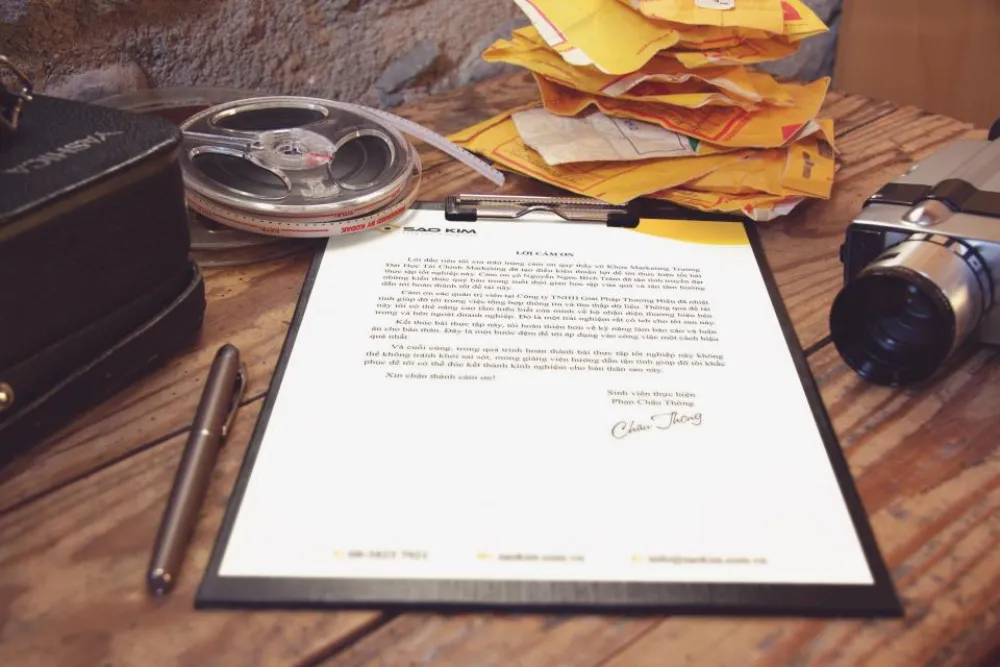
Қағаз жұмысына негізделген тіл жұбы
Неміс тілі – Еуропа Одағында ең көп таралған ана тілі, шамамен 95 миллион ана тілінде сөйлейтін адамдар бар, және ол Германия, Австрия, Швейцария және Лихтенштейнде ресми тіл болып табылады. Бұл салмақтың көп бөлігі өнеркәсіпте. Неміс өндірісі, инженерия және зерттеулері ағылшын тіліне екі бағытта да құжаттардың тұрақты ағынын тудырады.
Бұл жұп арқылы адамдар жіберетін файлдар әдетте тығыз және техникалық болып келеді: машиналар мен жабдықтар нұсқаулықтары, техникалық сипаттамалар, жеткізуші келісімдері, патенттер, академиялық мақалалар және сертификаттар. Бұл жерде сызықтың орны бұзылған немесе умлауттың жоғалуы ең көп байқалатын құжаттар болып табылады, сондықтан пішінді және арнайы таңбаларды бүтіндей сақтау – бұл мәселенің шешімі.
Аяқталған PDF құжатына әсер ететін неміс ерекшеліктері
Ұзын біріккен сөздер
Неміс тілінде бірнеше сөз тіркесі бір сөзге біріктіріледі, және олардың бірі орналасқан бағаннан кеңірек болуы мүмкін. Пішін қайта реттеледі, сондықтан бұл ұзын сөздер ұяшық шетінен шығып кетпей немесе келесі бағанға соқтығыспай, ақылға қонымды түрде ауысады.
Умлауттар және ß
ä, ö, ü және ß – бұл қалыпты неміс емлесінің бөлігі, міндетті емес таңбалар емес. Нәтиже бұл глифтерді тасымалдайтын қаріптерді ендіреді, сондықтан олар қарапайым a, o, u немесе бос қорапқа айналудың орнына аударылған файлда дұрыс көрсетіледі.
Техникалық терминология
Инженерлік нұсқаулықтар мен сипаттамалар нақты терминдерге сүйенеді. Жасанды интеллект ұзын құжат бойында терминологияны екі түрлі бетте екі түрлі аударудың орнына, оны сәйкес сақтау үшін қоршаған контексті оқиды.
Екі бағытта да
Ағылшын тілінен неміс тіліне және неміс тілінен ағылшын тіліне бірдей қозғалтқышта жұмыс істейді. Неміс тіліне аударғанда мәтін ұлғаяды және пішінге орын қосылады; ағылшын тіліне қайтарғанда ол кішірейеді және бос орын жабылады, сондықтан бет жартылай бос қалмайды.
Ағылшын тілінен неміс тіліне PDF аудармасының бағасы
Тегін бастаңыз және аударма қажеттіліктеріңіз өскен сайын жаңартыңыз.
Free
Тіркелу үшін карта қажет емес
- AI аудармасы сөзіне $0.005
- Сканерленген және суретті PDF файлдары үшін бетіне $1
- 108 тіл
- 20 МБ және 20 бетке дейінгі файлдар
- DOCX, PDF, XLSX, PPTX, IDML, TXT, JPG, PNG және CSV
- Тек 24 сағаттық файл сақтау
- PDF редакторы және PDF-тен DOCX конвертері
Негізгі
Ең танымалАпта сайын төленеді · кез келген уақытта тоқтатуға болады
Ай сайын төленеді
Жылына бір рет төленеді · 33% үнемдеңіз
- Ақылды аударма ай сайын
- Содан кейін сөзіне 0,005 доллар ақылды аударма
- 100 МБ дейін және 300 беттік файлдар
- DOCX, PDF, XLSX, PPTX, IDML, TXT, JPG, PNG және CSV
- Сканерленген құжаттарға арналған OCR
- Құжаттарды сақтау
- Басымдылықты қолдау
- Айлық жоспарда 7 күндік тегін сынақ
- Кез келген уақытта тоқтату
Pro
Ай сайын төленеді
Жылына бір рет төленеді · 34% үнемдеңіз
- Ақылды аударма ай сайын
- Содан кейін сөзіне 0,004 доллар ақылды аударма
- 1 ГБ дейін және 5000 беттік файлдар
- DOCX, PDF, XLSX, PPTX, IDML, TXT, JPG, PNG және CSV
- Сөздік
- Басымдылық реті
- 5 командалық орын
- API сұраныстары · айына 1000 бет
- Ақылды көмекшілерге арналған MCP қолжетімділігі
- Кез келген уақытта тоқтату
Бизнес
Ай сайын төленеді
Жылына бір рет төленеді · 33% үнемдеңіз
- Ақылды аударма ай сайын
- Содан кейін сөзіне 0,003 доллар ақылды аударма
- 1 ГБ дейін және 5000 беттік файлдар
- DOCX, PDF, XLSX, PPTX, IDML, TXT, JPG, PNG және CSV
- Сөздік
- Басымдылық реті
- 15 командалық орын
- API сұраныстары · айына 5000 бет
- Ақылды көмекшілерге арналған MCP қолжетімділігі
- Кез келген уақытта тоқтату
Корпоративтік
Көбірек көлем, шот-фактура немесе арнайы келісім қажет пе? Enterprise жоспары туралы бізбен сөйлесіңіз.
PDF құжатын неміс тіліне қалай аударуға болады?
Тегін тіркелгі жасаңыз
Тіркелу үшін электронды поштаңызды пайдаланып, онлайн аудармалар панеліне кіріңіз.
PDF файлын жүктеңіз
Файлыңызды сүйреп апарыңыз немесе оны таңдау үшін шолыңыз. Pro және Business жоспарларында 1 ГБ дейінгі файлдар қолданылады.
Неміс тілін таңдаулы тіл ретінде таңдаңыз
PDF құжатыңыздың бастапқы тілін таңдап, неміс тілін таңдаулы тіл ретінде орнатыңыз.
Аударып, жүктеп алыңыз
«Аудармалау» батырмасын басып, бірнеше минут күтіңіз. Аударылған PDF құжатыңыз пішімдеу сақталған күйінде неміс тілінде жүктеуге дайын болады.
Ағылшын тілінен неміс тіліне PDF аудармасы бойынша ЖҚА
Неміс тілі ағылшын тілінен ұзағырақ. Пішімдеу әлі де сәйкес келе ме?
Неміс тіліндегі мәтін әдетте ағылшын тіліндегі мәтіннен 10-35% ұзағырақ болады, бұл ішінара оның ұзын біріккен сөздеріне байланысты. DocTranslator аударылған мәтінді бетке сәйкестендіреді, сондықтан неміс нұсқасы кестелердің, қалталардың және бағандардың ішінде қалады, асып кетпейді. Керісінше, неміс тілінен ағылшын тіліне аударғанда, мәтін қысқарады және аралықтар тығыздалады.
Айдарлар (ä, ö, ü) және ß дұрыс көрсетіле ме?
Иә. Бұл қалыпты неміс әріптері, таңдаулы емес екпіндер, және шығарылымда оларды қамтитын қаріптер енгізілген. Олар жай a, o, u, ss болып түспей немесе бос қалталар ретінде көрсетілмей, дайын PDF файлында дұрыс көрсетіледі, бұл бастапқы файл неміс глифтерін қамтымайтын қаріптен құрылған кезде жиі кездесетін мәселе.
Неміс тіліндегі ұзын біріккен сөздермен қалай жұмыс істейді?
Неміс тіліндегі бір біріккен сөз бағанынан кеңірек болуы мүмкін. Пішімдеу қайта реттеледі, сондықтан бұл ұзын сөздер кесте ұясының шетінен шығып кетпей немесе келесі бағанмен соқтығыспай, ақылға қонымды жерден бөлінеді.
Техникалық және инженерлік терминдерді игере ала ма?
Неміс нұсқаулықтары, спецификациялары және патенттері нақты терминдерге көп сүйенеді. AI ұзақ құжат бойында терминдердің үйлесімділігін сақтау үшін қоршаған контексті оқиды, сондықтан бірдей термин екі түрлі бетте екі түрлі аударылмайды. Қауіпсіздікке қатысты сөздер үшін, нәтижені пән бойынша шолушы тексерсін.
Неміс тілінен ағылшын тіліне де аудара аламын ба?
Иә, бұл жұптау бірдей қозғалтқышта екі бағытта жұмыс істейді. Ағылшын тілінен неміс тіліне аудару мәтінді ұзартады және пішімдеуге орын қосады; неміс тілінен ағылшын тіліне аудару оны қысқартады және аралықтарды тығыздайды, сондықтан бет жартылай бос қалмайды.
AI аудармасы ресми немесе сертификатталған неміс құжаттары үшін қолайлы ма?
Құжатты түсіну, ішкі пайдалану және алғашқы жобалар үшін, иә. Бірақ сотқа, тіркеу кеңсеге немесе иммиграциялық органға ұсынылатын неміс сертификаттары, келісімшарттар және басқа да құжаттар әдетте сертификатталған, адаммен тексерілген аударманы қажет етеді. Сол үшін біздің сертификатталған аударма опциямызды қараңыз.
Неміс PDF файлын қанша көлемде аудара аламын және оның құны қанша?
Free жоспары құжатқа 20 МБ және 20 бетпен шектелген, ал Basic жоспары 100 МБ және 300 бетпен шектелген; Pro және Business жоспарлары 1 ГБ және 5000 бетке дейін жетеді, бұл толық техникалық нұсқаулықтар мен есептерді қамтиды. Free жоспары әр құжатты жеке түрде сөзіне $0.005, ең төменгі бағасы $0.99 бағалайды, ал жазылу жоспарларына әр 30 күн сайын аударылған беттер лимиті кіреді. Толық мәліметтерді бағалардан қараңыз.
Менің неміс PDF файлымы сканерленген. Оны әлі де аударуға бола ма?
Бейне файлдары (JPG, JPEG, PNG) және бейнеге негізделген PDF файлдары қолдау көрсетіледі. Таза, жоғары ажыратымдылықтағы сканерлер жақсы оқылады, ал әлсіз басылым немесе жазу дәлдікпен тану қиынырақ, және айдарлар әсіресе нашар сканерде қате оқылуы мүмкін. Түпнұсқалық цифрлық файл болған кезде, анық нәтиже алу үшін оны жүктеп салыңыз.
PDF құжатыңызды бүгін неміс тіліне аударыңыз
Жылдам және сенімді PDF-тен неміс тіліне конвертер қажет пе? DocTranslator арқылы сіз PDF құжаттарын минут ішінде онлайн аудара аласыз, сонымен қатар бастапқы пішімдеуді, суреттерді және макетті бүтіндей сақтай аласыз. 1 ГБ дейінгі файлдарды жүктеп, бірден дәл нәтижелер алыңыз.
Қатысты құралдар
Тіл бойынша PDF аудару
Құжат түрлері
Біздің серіктестеріміз