AI搭載・120+言語

Translate PDF English to German

Turn English PDFs into German with the umlauts (ä ö ü), the ß, and the original layout kept in place, or translate the other way from German back to English. Files up to 1 GB.

最大ファイルサイズ 1 GB 元の書式設定を維持します
無料サインアップ

翻訳するドキュメントをアップロードまたはドロップします

最大ファイルサイズ 1 GB

。PDF 。DOCX 。PPTX 。XLSX 。TXT 。JPG 。パプアニューギニア 。IDML 。EPUB 。HTML
アフリカーンス語(アフリカーンス語)
シュキップ(アルバニア語)
አማርኛ(アムハラ語)
العربية(アラビア語)
Հայերեն(アルメニア語)
Azərbaycan ディリ(アゼルバイジャン)
エウスカラ(バスク)
Беларуская(ベラルーシ語)
বাংলা(ベンガル語)
ボサンスキー(ボスニア語)
Български(ブルガリア語)
မြန်မာဘာသာ(ビルマ語)
カタルーニャ(カタルーニャ語)
セブアノ(セブアノ)
チチェワ(チチェワ)
中文简体(中国語簡体字)
中文繁體(中国の伝統)
コルス(コルシカ島)
フルヴァツキー(クロアチア語)
チェシュティナ(チェコ語)
ダンスク(デンマーク語)
オランダ(オランダ語)
英語(英語)
エスペラント語(エスペラント)
エスティ(エストニア語)
スオミ(フィンランド語)
フランセ(フランス語)
フリスク(フリジア語)
ガレゴ(ガリシア語)
ქართული(ジョージア語)
ドイツ語(ドイツ語)
Ελληνικά(ギリシャ語)
ગુજરાતી(グジャラート語)
クレイョル アイシェン(ハイチ人)
ハウサ語(ハウサ語)
オレロ ハワイ(ハワイ語)
עברית(ヘブライ語)
हिंदी(ヒンディー語)
フムーブ(モン族)
マジャル語(ハンガリー語)
イスレンスカ(アイスランド語)
イボ語(Igbo)
インドネシア語(インドネシア語)
ゲイルゲ(アイルランド語)
イタリアーノ(イタリア語)
日本語(日本語)
バサ ジャワ(ジャワ人)
ಕನ್ನಡ(カンナダ語)
Қазақ тілі(カザフスタン)
ខ្មែរ(クメール語)
イキニャルワンダ(キニャルワンダ)
한국어(韓国語)
クルディ(クルド語)
Кыргызча(キルギス)
ລາວ(ラオス人)
ラティーナ(ラテン語)
ラトヴィエシュ(ラトビア語)
リエトゥヴィウ(リトアニア語)
レッツェビュルゲシュ(ルクセンブルク)
Македонски(マケドニア語)
マダガスカル語(マダガスカル語)
Bahasa Melayu(マレー語)
മലയാളം(マラヤーラム語)
マルティ(マルタ語)
テ・レオ・マオリ(マオリ語)
मराठी(マラーティー語)
Монгол хэл(モンゴル語)
नेपाली(ネパール語)
ノルスク(ノルウェー語)
ଓଡ଼ିଆ(オディア)
فارسی(ペルシャ語)
ポルスキ(ポーランド語)
ポルトガル語(ポルトガル語)
ਪੰਜਾਬੀ(パンジャブ語)
ロマナ(ルーマニア語)
Русский(ロシア語)
ガガナ サモア(サモア語)
ガイドリグ(スコットランド語)
Српски(セルビア語)
セソト(セソト)
ショナ(ショナ)
سنڌي(シンディー語)
සිංහල(シンハラ語)
スロベニア語(スロバキア語)
スロベニア語(スロベニア語)
スーマリ(ソマリア)
エスパニョール(スペイン語)
バサ スンダ(スンダ語)
スワヒリ語(スワヒリ語)
スヴェンスカ(スウェーデン語)
タガログ語(タガログ語)
Тоҷикӣ(タジク語)
தமிழ்(タミル語)
Татарча(タタール語)
తెలుగు(テルグ語)
ไทย(タイ語)
トルコ語(トルコ語)
トルコ人(トルクメン人)
Українська(ウクライナ語)
اردو(ウルドゥー語)
ئۇيغۇرچە(ウイグル)
オズベクチャ(ウズベク語)
Tiếng Việt(ベトナム語)
シムラーグ(ウェールズ語)
イシコサ語(コサ語)
ייִדיש(イディッシュ語)
ヨルバ語(ヨルバ語)
イシズールー(ズールー語)
アフリカーンス語(アフリカーンス語)
シュキップ(アルバニア語)
አማርኛ(アムハラ語)
العربية(アラビア語)
Հայերեն(アルメニア語)
Azərbaycan ディリ(アゼルバイジャン)
エウスカラ(バスク)
Беларуская(ベラルーシ語)
বাংলা(ベンガル語)
ボサンスキー(ボスニア語)
Български(ブルガリア語)
မြန်မာဘာသာ(ビルマ語)
カタルーニャ(カタルーニャ語)
セブアノ(セブアノ)
チチェワ(チチェワ)
中文简体(中国語簡体字)
中文繁體(中国の伝統)
コルス(コルシカ島)
フルヴァツキー(クロアチア語)
チェシュティナ(チェコ語)
ダンスク(デンマーク語)
オランダ(オランダ語)
英語(英語)
エスペラント語(エスペラント)
エスティ(エストニア語)
スオミ(フィンランド語)
フランセ(フランス語)
フリスク(フリジア語)
ガレゴ(ガリシア語)
ქართული(ジョージア語)
ドイツ語(ドイツ語)
Ελληνικά(ギリシャ語)
ગુજરાતી(グジャラート語)
クレイョル アイシェン(ハイチ人)
ハウサ語(ハウサ語)
オレロ ハワイ(ハワイ語)
עברית(ヘブライ語)
हिंदी(ヒンディー語)
フムーブ(モン族)
マジャル語(ハンガリー語)
イスレンスカ(アイスランド語)
イボ語(Igbo)
インドネシア語(インドネシア語)
ゲイルゲ(アイルランド語)
イタリアーノ(イタリア語)
日本語(日本語)
バサ ジャワ(ジャワ人)
ಕನ್ನಡ(カンナダ語)
Қазақ тілі(カザフスタン)
ខ្មែរ(クメール語)
イキニャルワンダ(キニャルワンダ)
한국어(韓国語)
クルディ(クルド語)
Кыргызча(キルギス)
ລາວ(ラオス人)
ラティーナ(ラテン語)
ラトヴィエシュ(ラトビア語)
リエトゥヴィウ(リトアニア語)
レッツェビュルゲシュ(ルクセンブルク)
Македонски(マケドニア語)
マダガスカル語(マダガスカル語)
Bahasa Melayu(マレー語)
മലയാളം(マラヤーラム語)
マルティ(マルタ語)
テ・レオ・マオリ(マオリ語)
मराठी(マラーティー語)
Монгол хэл(モンゴル語)
नेपाली(ネパール語)
ノルスク(ノルウェー語)
ଓଡ଼ିଆ(オディア)
فارسی(ペルシャ語)
ポルスキ(ポーランド語)
ポルトガル語(ポルトガル語)
ਪੰਜਾਬੀ(パンジャブ語)
ロマナ(ルーマニア語)
Русский(ロシア語)
ガガナ サモア(サモア語)
ガイドリグ(スコットランド語)
Српски(セルビア語)
セソト(セソト)
ショナ(ショナ)
سنڌي(シンディー語)
සිංහල(シンハラ語)
スロベニア語(スロバキア語)
スロベニア語(スロベニア語)
スーマリ(ソマリア)
エスパニョール(スペイン語)
バサ スンダ(スンダ語)
スワヒリ語(スワヒリ語)
スヴェンスカ(スウェーデン語)
タガログ語(タガログ語)
Тоҷикӣ(タジク語)
தமிழ்(タミル語)
Татарча(タタール語)
తెలుగు(テルグ語)
ไทย(タイ語)
トルコ語(トルコ語)
トルコ人(トルクメン人)
Українська(ウクライナ語)
اردو(ウルドゥー語)
ئۇيغۇرچە(ウイグル)
オズベクチャ(ウズベク語)
Tiếng Việt(ベトナム語)
シムラーグ(ウェールズ語)
イシコサ語(コサ語)
ייִדיש(イディッシュ語)
ヨルバ語(ヨルバ語)
イシズールー(ズールー語)
アラビア語 ポルトガル語 ロシア イタリア語 韓国語 オランダ語 ポーランド語 トルコ語 スウェーデン語 英語 スペイン語 フランス語 ドイツ語 中国語 日本語 ヒンディー語 ベンガル語 ベトナム人 タイ語 ギリシャ語 ヘブライ語 アラビア語 ポルトガル語 ロシア イタリア語 韓国語 オランダ語 ポーランド語 トルコ語 スウェーデン語 英語 スペイン語 フランス語 ドイツ語 中国語 日本語 ヒンディー語 ベンガル語 ベトナム人 タイ語 ギリシャ語 ヘブライ語

What happens when you translate a PDF into German

German and English are both West Germanic languages, so the grammar and a lot of the vocabulary feel familiar. The catch is length. German tends to spell out in one long compound noun what English breaks into several words, and the translated text usually runs somewhere around 10 to 35% longer than the English it came from. In a free-flowing document that just means more lines. Inside a PDF, where every text box, table cell, and caption has a fixed size, that extra length is where layouts start to break.

A tool that only swaps words leaves you to clean up the mess: German running past the edge of a table column, a button label that no longer fits, a heading that wraps onto a second line and shoves everything below it down the page. DocTranslator translates the text and re-fits it to the page, so the German version lines up with the original instead of spilling out of its boxes. The same engine runs in the other direction, German into English, where the text usually gets shorter and the layout has to be tightened up rather than stretched.

German is written in the Latin alphabet with three extra vowels (ä, ö, ü) and the sharp s, ß. Those characters have to survive the round trip and show up correctly in the finished file rather than turning into stray symbols or empty boxes, which is a common failure when a PDF is built from a font that never carried the German glyphs.

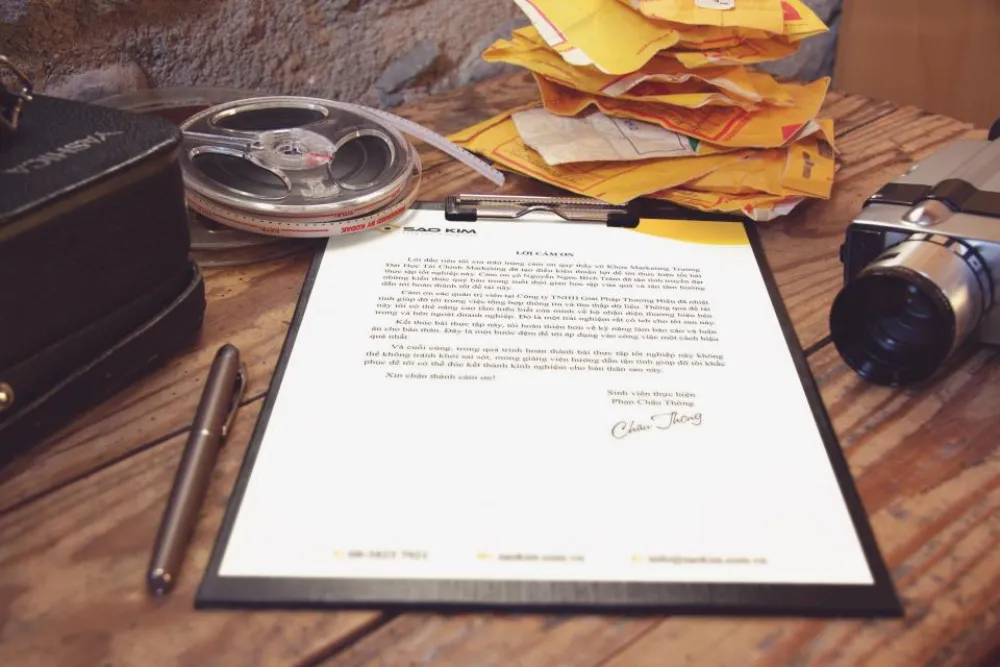
Printed documents and paperwork on a desk, the kind of German business and technical files sent for translation

A language pair built on paperwork

German is the most widely spoken native language in the European Union, with roughly 95 million native speakers, and it is an official language in Germany, Austria, Switzerland, and Liechtenstein. A lot of that weight sits in industry. German manufacturing, engineering, and research generate a steady flow of documents that cross the English line in both directions.

The files people send through this pair tend to be dense and technical: machinery and equipment manuals, technical specifications, supplier contracts, patents, academic papers, and certificates. These are exactly the documents where a misplaced line break or a dropped umlaut is most noticeable, so keeping the layout and the special characters intact is the whole point.

German details that affect the finished PDF

Long compound nouns

German strings whole phrases into single words, and one of those can be wider than the column it sits in. The layout is re-fitted so those long words wrap sensibly instead of running off the edge of a cell or crashing into the next column.

Umlauts and the ß

ä, ö, ü, and ß are part of normal German spelling, not optional accents. The output embeds fonts that carry these glyphs, so they render correctly in the translated file rather than dropping to a plain a, o, u or a blank box.

Technical terminology

Engineering manuals and specifications lean on precise terms. The AI reads the surrounding context to keep terminology consistent across a long document instead of translating the same term two different ways on two different pages.

Both directions

English to German and German to English run on the same engine. Going into German the text grows and the layout has room added; coming back into English it shrinks and the spacing is closed up so the page does not end up half empty.

English to German PDF Translation Pricing

無料で始めて、翻訳ニーズが増えたらアップグレードしましょう。

7日間裁判

最も人気のある作品
今日2ドル

その後、裁判終了後は月額14.99ドルとなります

  • 7日間のフルアクセス試験
  • 試用制限:10ページまたは3,000語
  • $0。005/ワード AI 翻訳
  • 120+言語
  • PDF、DOCX、XLSX、PPTX、IDML、TXT、JPG、PNG、CSV、JSON
  • チームアクセスとカスタム用語集
  • 電子メールサポート

月刊

人気のある
月額14.99ドル

通常価格 $29。99、現在 50% オフ

  • 月100ページまたは30,000語
  • $0。005/ワード AI 翻訳
  • 120+言語
  • 無制限のファイルストレージ
  • PDF、DOCX、XLSX、PPTX、IDML、TXT、JPG、PNG、CSV、JSON
  • チームアクセスとカスタム用語集
  • 優先メールサポート
🎉 最高の価値:年間44。88ドル節約

年間

25%節約
年間135ドル

~$11。25/月、月額と比較して 25% 割引

  • 月100ページまたは30,000語
  • $0。005/ワード AI 翻訳
  • 120+言語
  • 無制限のファイルストレージ
  • PDF、DOCX、XLSX、PPTX、IDML、TXT、JPG、PNG、CSV、JSON
  • チームアクセスとカスタム用語集
  • 優先メールサポート
必要な手順

How to translate your PDF to German?

01

無料アカウントを作成する

サインアップ オンライン翻訳ダッシュボードにアクセスするには、電子メールでお問い合わせください。

02

PDFファイルをアップロードしてください

ファイルをドラッグ&ドロップするか、ブラウズして選択してください。有料プランでは最大1GBまでのファイルに対応しています。

03

Choose German as Target Language

Select the original language of your PDF and set German as the target language.

04

翻訳とダウンロード

Click "Translate" and wait a few moments. Your translated PDF will be ready to download in German, with formatting preserved.

English to German PDF translation FAQ

German is longer than English. Will the layout still fit?

German text usually runs about 10 to 35% longer than the same English, partly because of its long compound nouns. DocTranslator re-fits the translated text to the page, so the German version stays inside its tables, boxes, and columns instead of overflowing. Coming back the other way, German to English, the text is shorter and the spacing is tightened up.

Do umlauts (ä, ö, ü) and the ß display correctly?

Yes. These are normal German letters, not optional accents, and the output embeds fonts that contain them. They render correctly in the finished PDF rather than dropping to plain a, o, u, ss or showing as blank boxes, which is a common problem when the original file was built from a font that never carried the German glyphs.

How does it handle long German compound words?

A single German compound noun can be wider than the column it sits in. The layout is re-fitted so those long words wrap at a sensible point instead of running off the edge of a table cell or colliding with the next column.

Can it cope with technical and engineering terminology?

German manuals, specifications, and patents lean heavily on precise terms. The AI reads the surrounding context to keep terminology consistent across a long document, so the same term is not translated two different ways on two different pages. For safety-critical wording, have a subject-matter reviewer check the result.

Can I translate from German into English as well?

Yes, the pair works both ways on the same engine. English to German makes the text longer and adds room to the layout; German to English makes it shorter and closes up the spacing so the page does not end up half empty.

Is AI translation acceptable for certified or official German documents?

For understanding a document, internal use, and first drafts, yes. But German certificates, contracts, and other documents submitted to a court, registry office, or immigration authority usually need a certified, human-reviewed translation. See our 認定翻訳 それらのためのオプション。

How large a German PDF can I translate, and what does it cost?

Up to 1 GB or 5,000 pages on the Monthly and Annual plans, which covers full technical manuals and reports. AI translation is $0.005/word: a $2 7-day trial (10 pages or 3,000 words), then $14.99/month (100 pages / 30,000 words) or $135/year, about $11.25/month. See 価格設定 詳細はこちら。

My German PDF is a scan. Can it still be translated?

Image files (JPG, JPEG, PNG) and image-based PDFs are supported. Clean, high-resolution scans read best, while faint print or handwriting is harder to recognise accurately, and umlauts in particular can be misread on a poor scan. When you have the original digital file, upload that for sharper output.

Translate your PDF to German today

Need a fast and reliable PDF to German converter? With DocTranslator, you can translate PDFs online in minutes while keeping the original formatting, images, and layout intact. Upload files up to 1 GB and get accurate results instantly.

当社のパートナー

Accenture
Bloomberg
Citrix
P&G
SAP