AI搭載・120+言語

Translate PDF to Czech

Convert PDFs between English and Czech online. Czech uses a Latin alphabet extended with hacek diacritics and has seven grammatical cases that change the endings of every noun, adjective, and pronoun throughout a document. Files up to 1 GB.

最大ファイルサイズ 1 GB 元の書式設定を維持します
無料サインアップ

翻訳するドキュメントをアップロードまたはドロップします

最大ファイルサイズ 1 GB

。PDF 。DOCX 。PPTX 。XLSX 。TXT 。JPG 。パプアニューギニア 。IDML 。EPUB 。HTML
アフリカーンス語(アフリカーンス語)
シュキップ(アルバニア語)
አማርኛ(アムハラ語)
العربية(アラビア語)
Հայերեն(アルメニア語)
Azərbaycan ディリ(アゼルバイジャン)
エウスカラ(バスク)
Беларуская(ベラルーシ語)
বাংলা(ベンガル語)
ボサンスキー(ボスニア語)
Български(ブルガリア語)
မြန်မာဘာသာ(ビルマ語)
カタルーニャ(カタルーニャ語)
セブアノ(セブアノ)
チチェワ(チチェワ)
中文简体(中国語簡体字)
中文繁體(中国の伝統)
コルス(コルシカ島)
フルヴァツキー(クロアチア語)
チェシュティナ(チェコ語)
ダンスク(デンマーク語)
オランダ(オランダ語)
英語(英語)
エスペラント語(エスペラント)
エスティ(エストニア語)
スオミ(フィンランド語)
フランセ(フランス語)
フリスク(フリジア語)
ガレゴ(ガリシア語)
ქართული(ジョージア語)
ドイツ語(ドイツ語)
Ελληνικά(ギリシャ語)
ગુજરાતી(グジャラート語)
クレイョル アイシェン(ハイチ人)
ハウサ語(ハウサ語)
オレロ ハワイ(ハワイ語)
עברית(ヘブライ語)
हिंदी(ヒンディー語)
フムーブ(モン族)
マジャル語(ハンガリー語)
イスレンスカ(アイスランド語)
イボ語(Igbo)
インドネシア語(インドネシア語)
ゲイルゲ(アイルランド語)
イタリアーノ(イタリア語)
日本語(日本語)
バサ ジャワ(ジャワ人)
ಕನ್ನಡ(カンナダ語)
Қазақ тілі(カザフスタン)
ខ្មែរ(クメール語)
イキニャルワンダ(キニャルワンダ)
한국어(韓国語)
クルディ(クルド語)
Кыргызча(キルギス)
ລາວ(ラオス人)
ラティーナ(ラテン語)
ラトヴィエシュ(ラトビア語)
リエトゥヴィウ(リトアニア語)
レッツェビュルゲシュ(ルクセンブルク)
Македонски(マケドニア語)
マダガスカル語(マダガスカル語)
Bahasa Melayu(マレー語)
മലയാളം(マラヤーラム語)
マルティ(マルタ語)
テ・レオ・マオリ(マオリ語)
मराठी(マラーティー語)
Монгол хэл(モンゴル語)
नेपाली(ネパール語)
ノルスク(ノルウェー語)
ଓଡ଼ିଆ(オディア)
فارسی(ペルシャ語)
ポルスキ(ポーランド語)
ポルトガル語(ポルトガル語)
ਪੰਜਾਬੀ(パンジャブ語)
ロマナ(ルーマニア語)
Русский(ロシア語)
ガガナ サモア(サモア語)
ガイドリグ(スコットランド語)
Српски(セルビア語)
セソト(セソト)
ショナ(ショナ)
سنڌي(シンディー語)
සිංහල(シンハラ語)
スロベニア語(スロバキア語)
スロベニア語(スロベニア語)
スーマリ(ソマリア)
エスパニョール(スペイン語)
バサ スンダ(スンダ語)
スワヒリ語(スワヒリ語)
スヴェンスカ(スウェーデン語)
タガログ語(タガログ語)
Тоҷикӣ(タジク語)
தமிழ்(タミル語)
Татарча(タタール語)
తెలుగు(テルグ語)
ไทย(タイ語)
トルコ語(トルコ語)
トルコ人(トルクメン人)
Українська(ウクライナ語)
اردو(ウルドゥー語)
ئۇيغۇرچە(ウイグル)
オズベクチャ(ウズベク語)
Tiếng Việt(ベトナム語)
シムラーグ(ウェールズ語)
イシコサ語(コサ語)
ייִדיש(イディッシュ語)
ヨルバ語(ヨルバ語)
イシズールー(ズールー語)
アフリカーンス語(アフリカーンス語)
シュキップ(アルバニア語)
አማርኛ(アムハラ語)
العربية(アラビア語)
Հայերեն(アルメニア語)
Azərbaycan ディリ(アゼルバイジャン)
エウスカラ(バスク)
Беларуская(ベラルーシ語)
বাংলা(ベンガル語)
ボサンスキー(ボスニア語)
Български(ブルガリア語)
မြန်မာဘာသာ(ビルマ語)
カタルーニャ(カタルーニャ語)
セブアノ(セブアノ)
チチェワ(チチェワ)
中文简体(中国語簡体字)
中文繁體(中国の伝統)
コルス(コルシカ島)
フルヴァツキー(クロアチア語)
チェシュティナ(チェコ語)
ダンスク(デンマーク語)
オランダ(オランダ語)
英語(英語)
エスペラント語(エスペラント)
エスティ(エストニア語)
スオミ(フィンランド語)
フランセ(フランス語)
フリスク(フリジア語)
ガレゴ(ガリシア語)
ქართული(ジョージア語)
ドイツ語(ドイツ語)
Ελληνικά(ギリシャ語)
ગુજરાતી(グジャラート語)
クレイョル アイシェン(ハイチ人)
ハウサ語(ハウサ語)
オレロ ハワイ(ハワイ語)
עברית(ヘブライ語)
हिंदी(ヒンディー語)
フムーブ(モン族)
マジャル語(ハンガリー語)
イスレンスカ(アイスランド語)
イボ語(Igbo)
インドネシア語(インドネシア語)
ゲイルゲ(アイルランド語)
イタリアーノ(イタリア語)
日本語(日本語)
バサ ジャワ(ジャワ人)
ಕನ್ನಡ(カンナダ語)
Қазақ тілі(カザフスタン)
ខ្មែរ(クメール語)
イキニャルワンダ(キニャルワンダ)
한국어(韓国語)
クルディ(クルド語)
Кыргызча(キルギス)
ລາວ(ラオス人)
ラティーナ(ラテン語)
ラトヴィエシュ(ラトビア語)
リエトゥヴィウ(リトアニア語)
レッツェビュルゲシュ(ルクセンブルク)
Македонски(マケドニア語)
マダガスカル語(マダガスカル語)
Bahasa Melayu(マレー語)
മലയാളം(マラヤーラム語)
マルティ(マルタ語)
テ・レオ・マオリ(マオリ語)
मराठी(マラーティー語)
Монгол хэл(モンゴル語)
नेपाली(ネパール語)
ノルスク(ノルウェー語)
ଓଡ଼ିଆ(オディア)
فارسی(ペルシャ語)
ポルスキ(ポーランド語)
ポルトガル語(ポルトガル語)
ਪੰਜਾਬੀ(パンジャブ語)
ロマナ(ルーマニア語)
Русский(ロシア語)
ガガナ サモア(サモア語)
ガイドリグ(スコットランド語)
Српски(セルビア語)
セソト(セソト)
ショナ(ショナ)
سنڌي(シンディー語)
සිංහල(シンハラ語)
スロベニア語(スロバキア語)
スロベニア語(スロベニア語)
スーマリ(ソマリア)
エスパニョール(スペイン語)
バサ スンダ(スンダ語)
スワヒリ語(スワヒリ語)
スヴェンスカ(スウェーデン語)
タガログ語(タガログ語)
Тоҷикӣ(タジク語)
தமிழ்(タミル語)
Татарча(タタール語)
తెలుగు(テルグ語)
ไทย(タイ語)
トルコ語(トルコ語)
トルコ人(トルクメン人)
Українська(ウクライナ語)
اردو(ウルドゥー語)
ئۇيغۇرچە(ウイグル)
オズベクチャ(ウズベク語)
Tiếng Việt(ベトナム語)
シムラーグ(ウェールズ語)
イシコサ語(コサ語)
ייִדיש(イディッシュ語)
ヨルバ語(ヨルバ語)
イシズールー(ズールー語)
アラビア語 ポルトガル語 ロシア イタリア語 韓国語 オランダ語 ポーランド語 トルコ語 スウェーデン語 英語 スペイン語 フランス語 ドイツ語 中国語 日本語 ヒンディー語 ベンガル語 ベトナム人 タイ語 ギリシャ語 ヘブライ語 アラビア語 ポルトガル語 ロシア イタリア語 韓国語 オランダ語 ポーランド語 トルコ語 スウェーデン語 英語 スペイン語 フランス語 ドイツ語 中国語 日本語 ヒンディー語 ベンガル語 ベトナム人 タイ語 ギリシャ語 ヘブライ語

What happens when you translate a PDF into Czech

Czech uses the Latin alphabet, so a translated PDF does not need to change text direction or swap to a new script. What it does need is correct rendering of the extended Latin characters that Czech depends on. The hacek diacritic (the small hook or caret placed above a letter) is central to the language: c with hacek sounds like "ch," s with hacek sounds like "sh," z with hacek sounds like "zh," and e with hacek sounds like "ye." The most unusual is r with hacek, a voiced alveolar trill fricative that has no equivalent in any other language in the world. Learners consistently name it as the hardest Czech sound to reproduce. In a PDF, every one of these characters must render from a font that includes the full Czech character set. A font missing the hacek forms will display substitution boxes or plain base letters, making the text incorrect and unreadable to a Czech speaker.

The deeper challenge in Czech document translation is grammar. Czech has seven grammatical cases: nominative, genitive, dative, accusative, vocative, locative, and instrumental. Case endings change the form of nouns, adjectives, and pronouns depending on their role in a sentence. The same word for "car" appears differently as the subject of a sentence, the object of a verb, the object of a preposition, or the possessor of another noun. A translated PDF that applies wrong case endings throughout reads as broken Czech, even if every word was chosen correctly. This is why Czech document translation requires an AI model trained on Czech grammar rather than a word-by-word substitution approach.

Czech also has no definite or indefinite articles. Where English uses "the" or "a" before nouns, Czech uses neither. The language relies on word order and context to convey whether a noun is definite or indefinite. Translating into Czech means dropping the articles entirely and adjusting the sentence rhythm. Word stress in Czech always falls on the first syllable of every word, regardless of length, which distinguishes it from most other Slavic languages and shapes the natural cadence of the text. These structural properties are handled at the model level, so the Czech output reads naturally to a native speaker rather than sounding like translated English with Czech words substituted in.

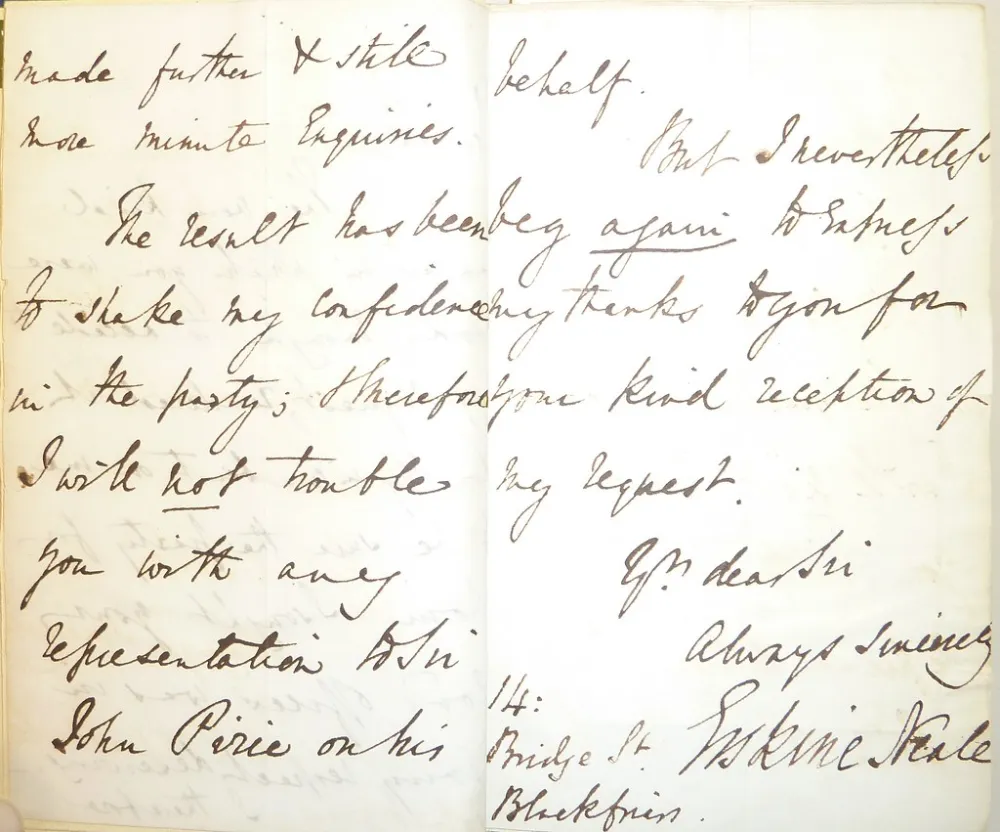
Old handwritten letter with dense cursive ink script on aged paper, representing the kind of historical Central European document that requires translation between Czech and English

Czech and Slovak are close relatives, but not the same language

Czech is spoken by more than 10 million people in the Czech Republic, known internationally as Czechia, and by diaspora communities across Slovakia, Germany, Austria, and the United States. Chicago has one of the oldest Czech communities in North America, with roots going back to the nineteenth century. Czech became an official EU language when the Czech Republic joined the European Union in 2004, which means it appears in all EU regulatory and legislative translations. The volume of official EU documents requiring accurate Czech translation is substantial, covering directives, compliance reports, and legal notices distributed across member states.

Czech and Slovak are closely related and their speakers can largely understand each other in conversation. However, they are separate languages with distinct spelling rules, vocabulary, and grammar conventions. A Czech document translated using Slovak conventions, or a Slovak document processed as if it were Czech, will be considered incorrect by native readers of either language. DocTranslator treats Czech and Slovak as separate translation targets with separate language models, so selecting Czech as the target language produces output in standard Czech, not a mixed or approximated form.

Documents people translate between English and Czech

The Czech community in the US, the movement of professionals between the Czech Republic and English-speaking countries, and the Czech Republic's role as an EU member all generate a consistent demand for Czech document translation in both directions. Common document types include:

  • Czech national identity cards (obcansky prukaz) for immigration and residency applications abroad
  • Academic diplomas and transcripts from Charles University and other Czech institutions for international recognition
  • Notarial deeds and property contracts for Czech real estate transactions involving foreign buyers or sellers
  • EU compliance documents for Czech companies doing business across member states
  • Birth, marriage, and death certificates for Czech diaspora communities in the US and Germany
  • Driving license exchange documents for Czech nationals moving to non-EU countries

AI translation handles reading, internal review, and working draft production well for all of these document types. Submissions to a government authority, immigration office, or court typically require a 認定翻訳 資格のある人間の翻訳者によってレビューされ、署名されています。

English to Czech PDF translation pricing

7 日間のトライアルから始めて、翻訳のニーズが高まるにつれてアップグレードしてください。

7日間裁判

最も人気のある作品
今日2ドル

その後、裁判終了後は月額14.99ドルとなります

  • 7日間のフルアクセス試験
  • 試用制限:10ページまたは3,000語
  • $0。005/ワード AI 翻訳
  • 120+言語
  • PDF、DOCX、XLSX、PPTX、IDML、TXT、JPG、PNG、CSV、JSON
  • チームアクセスとカスタム用語集
  • 電子メールサポート

月刊

人気のある
月額14.99ドル

通常価格 $29。99、現在 50% オフ

  • 月100ページまたは30,000語
  • $0。005/ワード AI 翻訳
  • 120+言語
  • 無制限のファイルストレージ
  • PDF、DOCX、XLSX、PPTX、IDML、TXT、JPG、PNG、CSV、JSON
  • チームアクセスとカスタム用語集
  • 優先メールサポート
🎉 最高の価値:年間44。88ドル節約

年間

25%節約
年間135ドル

~$11。25/月、月額と比較して 25% 割引

  • 月100ページまたは30,000語
  • $0。005/ワード AI 翻訳
  • 120+言語
  • 無制限のファイルストレージ
  • PDF、DOCX、XLSX、PPTX、IDML、TXT、JPG、PNG、CSV、JSON
  • チームアクセスとカスタム用語集
  • 優先メールサポート
必要な手順

How to translate your PDF to Czech

01

無料アカウントを作成する

サインアップ オンライン翻訳ダッシュボードにアクセスするには、電子メールでお問い合わせください。

02

PDFファイルをアップロードする

ファイルをドラッグ&ドロップするか、ブラウズして選択してください。有料プランでは最大1GBまでのファイルに対応しています。

03

Choose Czech as target language

Select the original language of your PDF and set Czech as the target language. The engine applies correct case endings and hacek diacritics throughout the output.

04

翻訳してダウンロード

Click "Translate" and wait a few moments. Your translated PDF will be ready to download in Czech with all diacritics and grammatical case forms rendered correctly.

English to Czech PDF translation FAQ

Will Czech hacek diacritics render correctly in the PDF output?

Yes. Czech depends on the hacek diacritic across multiple letters: c with hacek, s with hacek, z with hacek, e with hacek, and others. The output uses a font that covers the full extended Latin character set required for Czech, so every diacritic renders as the correct character rather than a substitution box or a plain base letter.

How does Czech document translation handle the seven grammatical cases?

Czech grammar assigns one of seven cases to every noun, adjective, and pronoun depending on its role in a sentence. The nominative marks the subject, the accusative marks the direct object, the genitive marks possession, and so on through dative, vocative, locative, and instrumental. The AI model applies the correct case ending for each word in context, so the Czech output reads grammatically rather than as a direct word-for-word substitution.

Is Czech the same as Slovak? Can I use a Czech translation for Slovak readers?

Czech and Slovak are related and mutually intelligible in conversation, but they are separate languages with different spelling, vocabulary, and grammar. A Czech translation is not interchangeable with a Slovak one. Native Slovak readers will recognize a Czech document as foreign. DocTranslator treats Czech and Slovak as distinct translation targets.

What Czech documents are typically needed for US immigration applications?

Czech nationals applying for US visas, green cards, or citizenship commonly need Czech birth certificates, marriage certificates, and court records translated into English. These submissions require a certified translation. See our USCIS認定翻訳 service for documents submitted to immigration authorities.

Can I translate from Czech into English as well?

Yes. The translation pair works in both directions. Czech to English extracts text from the Czech PDF, handles the case-rich grammar and diacritic characters in the source, and produces an English output. This is useful for reading Czech contracts, academic records, or official documents without a Czech speaker available.

How large a Czech PDF can I upload?

Up to 1 GB or 5,000 pages on Monthly and Annual plans. The $2 7-day trial covers up to 10 pages or 3,000 words, which is enough to check the Czech output on a sample document before committing to a larger batch.

Does Czech use the same Latin alphabet as English, or are there additional characters?

Czech uses the Latin alphabet but extends it significantly with diacritics. Beyond the standard A to Z letters, Czech adds characters with the hacek hook, the caron, and the ring above (as in u with ring, which marks a long u vowel). The most unusual addition is r with hacek, which represents a sound with no equivalent in any other language. A PDF font must include all of these extended characters for the Czech text to display correctly.

Translate your PDF to Czech today

DocTranslator converts PDFs between English and Czech online, applying correct case endings across all seven grammatical cases and rendering every hacek diacritic accurately, with file support up to 1 GB.

当社のパートナー

Accenture
Bloomberg
Citrix
P&G
SAP