AI 기반 · 120+ 언어

Translate PDF to Serbian

Convert PDFs to Serbian with both Cyrillic and Latin scripts supported. The 30-letter Serbian Cyrillic alphabet is strictly phonemic, and the engine renders every character accurately while preserving the original PDF layout. Files up to 1 GB.

최대 파일 크기 1GB 원본 형식 유지함
무료 가입

번역을 위해 문서를 업로드하거나 드롭하세요

최대. 파일 크기 1GB

.PDF .DOCX .PPTX . XLSX .TXT .JPG .PNG . IDML . EPUB .HTML
아프리칸스어 (아프리칸스어)
쉬킵 (알바니아어)
አማርኛ (암하라어)
العربية (아랍어)
Հայերեն (아르메니아어)
아제르바이잔 딜리 (아제르바이잔)
에우스카라 (바스크어)
벨라루스카야 (벨라루스어)
বাংলা (벵골어)
보산스키 (보스니아어)
Български (불가리아어)
မြန်မာဘာသာ (버마어)
카탈라(카탈루냐어)
세부아노어 (세부아노)
치체와(치체와)
中文 简体 (중국어 간체)
中文 繁體 (중국어 번체)
코르수(코르시카)
흐르바츠키 (크로아티아어)
체슈티나 (체코어)
덴마크어 (Dansk)
네덜란드(네덜란드어)
영어 (영어)
에스페란토 (에스페란토)
에스티 (에스토니아어)
수오미 (핀란드어)
프랑스어 (프랑스어)
프리스크 (프리슬란트어)
갈레고(갈리시아어)
ქართული (조지아어)
독일어 (독일어)
Ελληνικά (그리스어)
ગુજરાતી (구자라트어)
크레올 아이시옌 (아이티어)
하우사(하우사)
하와이 오렐로 (하와이어)
עברית (히브리어)
हिंदी (힌디어)
흐붑 (몽족)
마자르어 (헝가리어)
이슬렌스카 (아이슬란드어)
이그보족 (이그보족)
인도네시아 바하사 (인도네시아어)
게일어(아일랜드어)
이탈리아어(이탈리아어)
일본어 (일본어)
바사 자와(자바어)
ಕನ್ನಡ (칸나다어)
Қазақ тілі (카자흐어)
ខ្មែរ (크메르어)
이키냐르완다 (키냐르완다)
한국어 (한국어)
쿠르디 (쿠르드어)
키르기스어 Кыргызча
ລາວ (라오스어)
라티나 (라틴어)
라트비에슈 (라트비아어)
리투비우 (리투아니아어)
Lëtzebuergesch (룩셈브)
마케도니아어 마케덴어(Македонски)
마다가스카르 (말다가스카르)
말레이어 말라유어(말레이어)
മലയാളം (말라얄람어)
몰티 (몰타어)
테 레오 마오리(마오리)
मराठी (마라티어)
Монгол хэл (몽골어)
नेपाली (네팔어)
노르스크 (노르웨이어)
ଓଡ଼ିଆ (오디아어)
فارسی (페르시아어)
폴스키 (폴란드어)
포르투게스 (포르투갈어)
ਪੰਜਾਬੀ (펀자브어)
로마나 (루마니아어)
루시스키(러시아어)
가가나 사모아 (사모아)
가이들리그 (스코틀랜드어)
Српски (세르비아어)
세소토 (세소토)
쇼나 (쇼나)
سنڌي (신드어)
සිංහල (신할라어)
슬로벤치나 (슬로바키아어)
슬로벤슈치나 (슬로베니아어)
수말리 (소말리)
에스파뇰 (스페인어)
바사 순다 (순다어)
스와힐리어 (스와힐리어)
스벤스카 (스웨덴어)
타갈로그어 (타갈로그)
토치코 (타지크)
தமிழ் (타밀어)
타트아르차(타타르)
తెలుగు (텔루구어)
ไทย (태국어)
튀르크체 (터키어)
튀르크멘체 (투르크멘)
우크라이나 어(우크라이나어)
اردو (우르두어)
ئۇيغۇرچە (위구르어)
오즈벡차 (우즈벡어)
티앙 비엣 (베트남어)
쿰레이그 (웨일스어)
이시코사(코사)
ייִדיש (이디시어)
요루바 (요루바)
isiZulu (줄루)
아프리칸스어 (아프리칸스어)
쉬킵 (알바니아어)
አማርኛ (암하라어)
العربية (아랍어)
Հայերեն (아르메니아어)
아제르바이잔 딜리 (아제르바이잔)
에우스카라 (바스크어)
벨라루스카야 (벨라루스어)
বাংলা (벵골어)
보산스키 (보스니아어)
Български (불가리아어)
မြန်မာဘာသာ (버마어)
카탈라(카탈루냐어)
세부아노어 (세부아노)
치체와(치체와)
中文 简体 (중국어 간체)
中文 繁體 (중국어 번체)
코르수(코르시카)
흐르바츠키 (크로아티아어)
체슈티나 (체코어)
덴마크어 (Dansk)
네덜란드(네덜란드어)
영어 (영어)
에스페란토 (에스페란토)
에스티 (에스토니아어)
수오미 (핀란드어)
프랑스어 (프랑스어)
프리스크 (프리슬란트어)
갈레고(갈리시아어)
ქართული (조지아어)
독일어 (독일어)
Ελληνικά (그리스어)
ગુજરાતી (구자라트어)
크레올 아이시옌 (아이티어)
하우사(하우사)
하와이 오렐로 (하와이어)
עברית (히브리어)
हिंदी (힌디어)
흐붑 (몽족)
마자르어 (헝가리어)
이슬렌스카 (아이슬란드어)
이그보족 (이그보족)
인도네시아 바하사 (인도네시아어)
게일어(아일랜드어)
이탈리아어(이탈리아어)
일본어 (일본어)
바사 자와(자바어)
ಕನ್ನಡ (칸나다어)
Қазақ тілі (카자흐어)
ខ្មែរ (크메르어)
이키냐르완다 (키냐르완다)
한국어 (한국어)
쿠르디 (쿠르드어)
키르기스어 Кыргызча
ລາວ (라오스어)
라티나 (라틴어)
라트비에슈 (라트비아어)
리투비우 (리투아니아어)
Lëtzebuergesch (룩셈브)
마케도니아어 마케덴어(Македонски)
마다가스카르 (말다가스카르)
말레이어 말라유어(말레이어)
മലയാളം (말라얄람어)
몰티 (몰타어)
테 레오 마오리(마오리)
मराठी (마라티어)
Монгол хэл (몽골어)
नेपाली (네팔어)
노르스크 (노르웨이어)
ଓଡ଼ିଆ (오디아어)
فارسی (페르시아어)
폴스키 (폴란드어)
포르투게스 (포르투갈어)
ਪੰਜਾਬੀ (펀자브어)
로마나 (루마니아어)
루시스키(러시아어)
가가나 사모아 (사모아)
가이들리그 (스코틀랜드어)
Српски (세르비아어)
세소토 (세소토)
쇼나 (쇼나)
سنڌي (신드어)
සිංහල (신할라어)
슬로벤치나 (슬로바키아어)
슬로벤슈치나 (슬로베니아어)
수말리 (소말리)
에스파뇰 (스페인어)
바사 순다 (순다어)
스와힐리어 (스와힐리어)
스벤스카 (스웨덴어)
타갈로그어 (타갈로그)
토치코 (타지크)
தமிழ் (타밀어)
타트아르차(타타르)
తెలుగు (텔루구어)
ไทย (태국어)
튀르크체 (터키어)
튀르크멘체 (투르크멘)
우크라이나 어(우크라이나어)
اردو (우르두어)
ئۇيغۇرچە (위구르어)
오즈벡차 (우즈벡어)
티앙 비엣 (베트남어)
쿰레이그 (웨일스어)
이시코사(코사)
ייִדיש (이디시어)
요루바 (요루바)
isiZulu (줄루)
아랍어 포르투갈어 러시아어 이탈리아어 한국 네덜란드어 폴란드어 터키어 스웨덴어 영어 스페인어 프랑스어 독일어 중국어 일본어 힌디어 벵골어 베트남어 태국 그리스어 히브리어 아랍어 포르투갈어 러시아어 이탈리아어 한국 네덜란드어 폴란드어 터키어 스웨덴어 영어 스페인어 프랑스어 독일어 중국어 일본어 힌디어 벵골어 베트남어 태국 그리스어 히브리어

What happens when you translate a PDF into Serbian

Serbian is unusual among European languages in having two fully official scripts. Cyrillic is the primary script in Serbia and is mandated for official state use, while Latin script is equally official and widely used in everyday writing, media, and informal contexts. When translating a PDF into Serbian, the first practical question is which script is required. A government certificate, court document, or official academic record issued in Serbia will almost always use Cyrillic. Business correspondence, technical documentation, and informal materials are frequently written in Latin. DocTranslator outputs Serbian in either script, and because Serbian Cyrillic and Serbian Latin are in a one-to-one correspondence, switching between the two is mechanically precise rather than an editorial judgment. The 30-letter Serbian Cyrillic alphabet maps exactly to the Latin forms, with digraphs (lj, nj, dz) and diacritics (c-caron, s-caron, z-caron, d-stroke) covering sounds that standard Latin letters cannot represent alone.

Serbian is a South Slavic language related to Croatian, Bosnian, and Montenegrin. It is spoken by more than 12 million people in Serbia, Bosnia and Herzegovina, and Montenegro, plus large diaspora communities in Germany, Austria, Switzerland, and Australia. The grammatical structure of Serbian is highly inflected. Serbian has seven grammatical cases: nominative, genitive, dative, accusative, vocative, instrumental, and locative. Nouns, adjectives, pronouns, and numerals all change form depending on their role in a sentence. Serbian also has three grammatical genders: masculine, feminine, and neuter. For PDF translation, this means that every noun phrase in the translated output must carry the correct case ending, and adjectives must agree with the noun in gender, case, and number. A translation that ignores case endings produces output that is grammatically unintelligible in Serbian even if every individual word is correctly chosen.

The phonemic precision of Serbian Cyrillic is one of its defining characteristics. Unlike English or French, where the relationship between spelling and pronunciation is complex and irregular, Serbian is written exactly as it is spoken: one letter, one sound, with no silent letters and no ambiguous combinations. This makes correctly rendered Serbian text immediately readable to any native speaker. Errors introduced by incorrect character encoding, for instance rendering the Cyrillic letter for the "dj" sound as a plain d, or substituting a Latin lookalike for a Cyrillic letter, produce text that appears correct to a non-reader but is gibberish to a Serbian speaker. DocTranslator uses correct Unicode Cyrillic and Latin code points throughout the translated document.

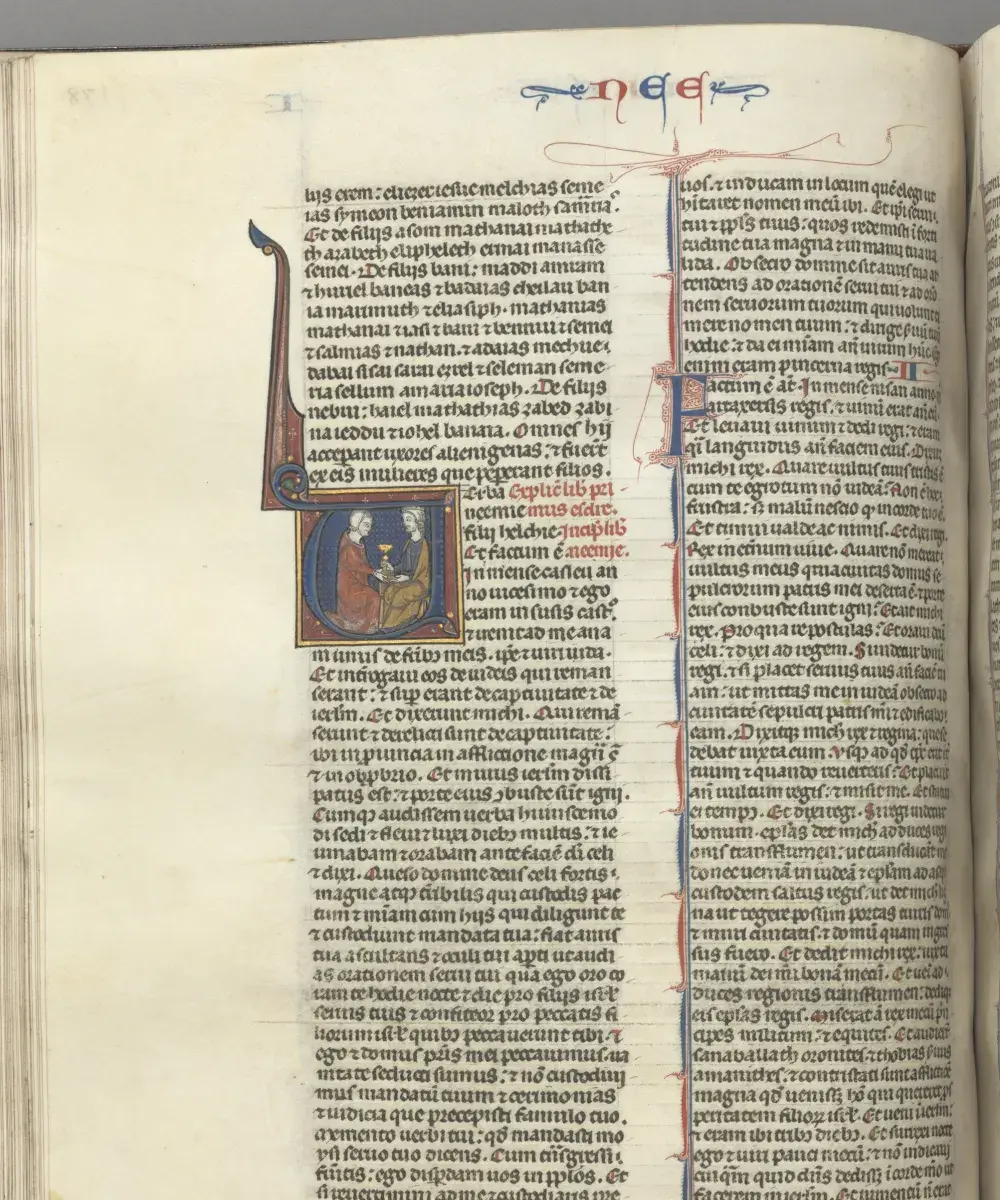
Medieval Serbian Cyrillic manuscript page representing the dual-script written tradition

A written tradition defined by two official scripts

Serbian Cyrillic has been in continuous use since the 12th century. The medieval Nemanjic dynasty produced legal codes, church texts, and diplomatic correspondence in Serbian Church Slavonic using Cyrillic letters adapted for the Serbian sound system. The Serbian Cyrillic alphabet in its modern form was codified by Vuk Stefanovic Karadzic in 1818, who applied a strict phonemic principle: each letter represents exactly one sound and each sound is represented by exactly one letter. This made Serbian one of the most regular written languages in the world and set the standard that both modern Serbian scripts still follow today.

The Gaj Latin alphabet for Serbian, introduced in the 19th century and also used for Croatian and Bosnian, is equally phonemic and uses the same one-letter-one-sound principle. It represents some Serbian sounds with digraphs (lj, nj, dz) and diacritics (c with caron, s with caron, z with caron, d with stroke). Serbian speakers read both scripts with equal fluency, and in practice the choice of script in a document often signals the context: Cyrillic for state and official use, Latin for commercial and informal contexts. International documents that cross into Serbian legal or governmental systems, including EU and Schengen visa applications and ICTY tribunal records, frequently appear in both scripts within the same file.

Documents people translate between English and Serbian

Serbian speakers in Germany, Australia, and other diaspora destinations regularly need documents translated in both directions, and Serbia's ongoing EU accession process generates substantial cross-border administrative traffic. The most common document types include:

  • Serbian passports and national identity cards submitted for EU visa and Schengen applications, with Cyrillic personal data fields requiring accurate transliteration into Latin script
  • Property notarial documents and land registry extracts, which are state-issued in Cyrillic and needed for cross-border real estate and inheritance proceedings
  • University of Belgrade and other Serbian university degrees and transcripts, submitted for credential recognition abroad
  • Birth certificates, marriage certificates, and civil status records needed by the Serbian diaspora in Germany and Australia for family reunification and residency applications
  • ICTY (International Criminal Tribunal for the former Yugoslavia) and related war-crimes tribunal documents, which exist in English and Serbian language versions and require accurate legal translation
  • Business contracts, technical manuals, and EU-funded project documentation requiring Serbian versions for local government partners and contracting authorities

AI translation is well suited for reading and understanding Serbian-language PDFs and for producing working drafts before human review. For official submissions to immigration authorities, courts, or government offices, a 인증 번역 reviewed and signed by a qualified translator is required. This applies equally to Serbian documents submitted to US immigration authorities under USCIS requirements, where the translator must certify accuracy and competence in both languages.

PDF to Serbian translation pricing

7 일 평가판부터 시작하여 번역 요구 사항이 증가함에 따라 업그레이드하십시오.

7일 시험

가장 인기 있는 작품
오늘 2달러

재판 종료 후 월 14.99달러

  • 7일간의 완전 접근 시험
  • 시험 제한: 10페이지 또는 3,000단어
  • $0.005/단어 AI 번역
  • 120+ 언어
  • PDF, DOCX, XLSX, PPTX, IDML, TXT, JPG, PNG, CSV, JSON
  • 팀 접근 및 맞춤 용어집
  • 이메일 지원

월간

인기
월 $14.99

정가 $29.99, 현재 50% 할인

  • 월 100페이지 또는 30,000단어
  • $0.005/단어 AI 번역
  • 120+ 언어
  • 무제한 파일 저장
  • PDF, DOCX, XLSX, PPTX, IDML, TXT, JPG, PNG, CSV, JSON
  • 팀 접근 및 맞춤 용어집
  • 우선 이메일 지원
🎉 최고의 가치: $44.88/년 절약

연감

25% 절약
연간 135달러

~$11.25/월, 월 대비 25% 할인

  • 월 100페이지 또는 30,000단어
  • $0.005/단어 AI 번역
  • 120+ 언어
  • 무제한 파일 저장
  • PDF, DOCX, XLSX, PPTX, IDML, TXT, JPG, PNG, CSV, JSON
  • 팀 접근 및 맞춤 용어집
  • 우선 이메일 지원
필요한 단계

How to translate your PDF to Serbian

01

무료 계정을 만드세요

가입하기 온라인 번역 대시보드에 액세스하려면 이메일을 사용하세요.

02

PDF 파일을 업로드하세요

파일을 드래그 앤 드롭하거나 탐색해서 선택하세요. 유료 요금제에서는 최대 1GB까지 파일을 지원합니다.

03

Choose Serbian as target language

Select the original language of your PDF and set Serbian as the target language. Both Cyrillic and Latin script outputs are available, with all 30 Serbian Cyrillic letters and Latin diacritics rendered correctly.

04

번역 및 다운로드

Click "Translate" and wait a few moments. Your translated PDF will be ready to download in Serbian with the original layout preserved.

English to Serbian PDF translation FAQ

Which Serbian script will the translated PDF use, Cyrillic or Latin?

DocTranslator can output Serbian in either the Cyrillic or Latin script. Serbian Cyrillic is the primary official script in Serbia and is required for most state-issued and governmental documents. Serbian Latin is equally official and is widely used in business, media, and informal writing. Because Serbian Cyrillic and Latin are in a strict one-to-one correspondence, the character mapping between the two scripts is exact. Specify the script you need when setting the target language, or contact support if you need guidance on which script an authority requires.

How does Serbian grammar affect the quality of PDF translation?

Serbian has seven grammatical cases: nominative, genitive, dative, accusative, vocative, instrumental, and locative. Nouns, pronouns, adjectives, and numerals all change their endings depending on their grammatical role. Serbian also has three genders: masculine, feminine, and neuter. Adjectives must agree with nouns in gender, case, and number. A translation engine must handle these inflections correctly for the output to be grammatically natural. AI models trained on large Serbian corpora handle standard case and gender agreement well for most document types, though complex legal or technical texts may benefit from human review.

Does it matter whether the source document uses Ekavian or Ijekavian dialect?

Yes. Serbian has two main pronunciation and spelling variants: Ekavian, which is the standard in Serbia, and Ijekavian, which is standard in Bosnia and Herzegovina and Montenegro. The difference appears in specific vowels: the word for "milk" is "mleko" in Ekavian and "mlijeko" in Ijekavian. For most professional and official documents translated into Serbian, the Ekavian standard used in Serbia is appropriate unless the document is specifically intended for a Bosnian or Montenegrin audience or institution. DocTranslator outputs the Ekavian standard by default.

What Serbian documents are most commonly translated for immigration and legal purposes?

The most frequently translated documents include Serbian passports and identity cards for EU and Schengen visa applications, birth and marriage certificates for diaspora family reunification in Germany and Australia, University of Belgrade and other Serbian university degrees for credential recognition, and property notarial documents for cross-border real estate and inheritance matters. ICTY war-crimes tribunal documents are also a specialised category that exists in both English and Serbian language versions. For official submissions to government authorities, a 인증 번역 AI 초안보다는 필요합니다.

How large a Serbian PDF can I translate?

Up to 1 GB or 5,000 pages on Monthly and Annual plans. The $2 7-day trial covers up to 10 pages or 3,000 words, which is enough to verify how Serbian Cyrillic characters and document formatting are handled on a representative sample before processing a full document.

Can I translate from Serbian into English as well as from English into Serbian?

Yes. The Serbian-English pair works in both directions. Translating a Serbian PDF into English is common for diaspora members sharing documents with non-Serbian-speaking employers or authorities, for companies reviewing Serbian-language contracts, and for legal teams working with documents from Serbian courts or government agencies. The same script handling and grammar support applies regardless of direction.

Why is Serbian Cyrillic considered strictly phonemic and why does that matter for translation?

Serbian Cyrillic was codified by Vuk Stefanovic Karadzic in 1818 on the principle of one letter per sound and one sound per letter. There are no silent letters, no ambiguous combinations, and no letters that change their sound depending on neighbouring characters. This means that any rendering error in the Cyrillic output, such as using a Latin lookalike character instead of the correct Cyrillic one, is immediately detectable by a native reader and makes the text look corrupted even when the meaning is technically preserved. Correct Unicode code points are essential: DocTranslator uses the proper Serbian Cyrillic Unicode block (U+0400 to U+04FF) throughout the translated document.

Translate your PDF to Serbian today

DocTranslator converts PDFs to Serbian online, rendering both Cyrillic and Latin scripts correctly, handling all seven grammatical cases, and preserving your document layout. Files up to 1 GB supported.

우리의 파트너들

Accenture
Bloomberg
Citrix
P&G
SAP