Перекласти PDF на сербську
Конвертуйте PDF у сербську мову з підтримкою як кирилиці, так і латиниці. 30-літерний сербський кириличний алфавіт є строго фонетичним, і рушій точно відтворює кожен символ, зберігаючи оригінальний макет PDF. Файли до 1 ГБ.
Завантажте або перетягніть документ для перекладу
Макс. розмір файлу 1 ГБ
- OCR для сканів та фотографій
- 108 мов
- Оригінальний макет збережено
Що відбувається, коли ви перекладаєте PDF на сербську мову
Сербська мова незвична серед європейських мов тим, що має два повністю офіційні алфавіти. Кириличний алфавіт є основним алфавітом у Сербії та є обов'язковим для офіційного державного використання, тоді як латинський алфавіт є однаково офіційним і широко використовується в повсякденному письмі, ЗМІ та неформальних контекстах. При перекладі PDF на сербську мову першим практичним питанням є те, який алфавіт потрібен. Урядовий сертифікат, судовий документ або офіційний академічний запис, виданий у Сербії, майже завжди використовуватиме кирилицю. Ділове листування, технічна документація та неформальні матеріали часто пишуться латиницею. DocTranslator виводить сербську мову будь-яким алфавітом, і оскільки сербська кирилиця та сербська латиниця мають один до одного відповідність, перемикання між ними є механічно точним, а не редакційним рішенням. 30-літерний сербський кириличний алфавіт точно відповідає латинським формам, з диграфами (lj, nj, dz) та діакритичними знаками (c-caron, s-caron, z-caron, d-stroke), що охоплюють звуки, які стандартні латинські літери не можуть представити самостійно.
Сербська мова — південнослов'янська мова, споріднена з хорватською, боснійською та чорногорською. Нею розмовляють понад 12 мільйонів людей у Сербії, Боснії та Герцеговині та Чорногорії, а також великі діаспорні спільноти в Німеччині, Австрії, Швейцарії та Австралії. Граматична структура сербської мови є високо відмінковою. Сербська мова має сім граматичних відмінків: називний, родовий, давальний, знахідний, кличний, орудний та місцевий. Іменники, прикметники, займенники та числівники змінюють форму залежно від їхньої ролі в реченні. Сербська мова також має три граматичні роди: чоловічий, жіночий та середній. Для перекладу PDF це означає, що кожна іменникова фраза в перекладеному тексті повинна мати правильне відмінкове закінчення, а прикметники повинні узгоджуватися з іменником за родом, відмінком та числом. Переклад, який ігнорує відмінкові закінчення, створює текст, який граматично незрозумілий сербською мовою, навіть якщо кожне окреме слово вибрано правильно.
Фонетична точність сербської кирилиці є однією з її визначальних характеристик. На відміну від англійської чи французької, де зв'язок між написанням та вимовою складний і нерегулярний, сербська мова пишеться точно так, як вимовляється: одна літера, один звук, без німих літер і неоднозначних комбінацій. Це робить правильно відтворений сербський текст негайно читабельним для будь-якого носія мови. Помилки, спричинені неправильним кодуванням символів, наприклад, відтворення кириличного символу для звуку «dj» як простого d, або заміна латинського аналога кириличним символом, створюють текст, який виглядає правильно для неносія мови, але є нісенітницею для носія сербської мови. DocTranslator використовує правильні кодові точки Unicode кирилиці та латиниці в усьому перекладеному документі.
Письмова традиція, визначена двома офіційними алфавітами
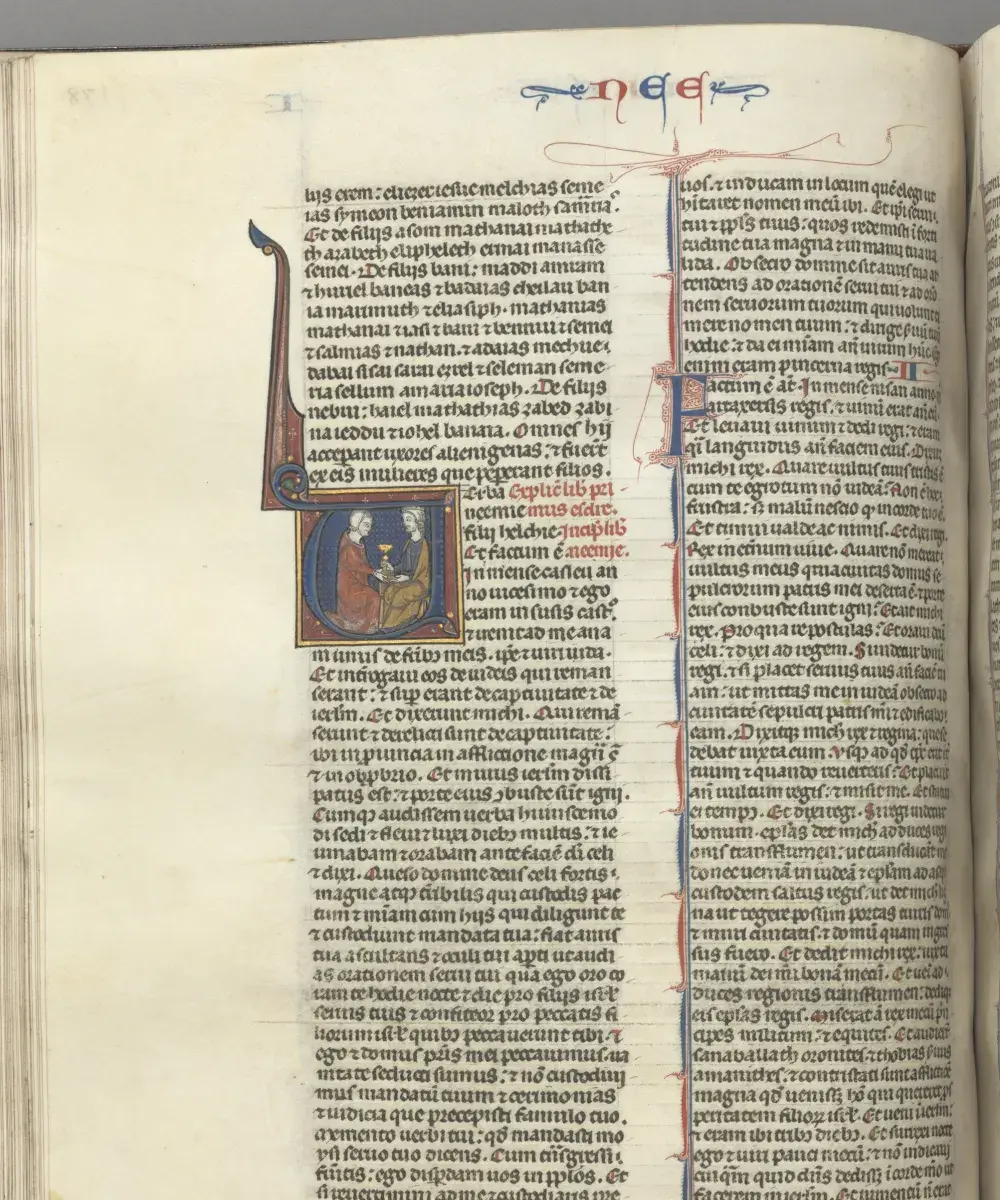
Сербська кирилиця використовується безперервно з 12 століття. Середньовічна династія Неманьїчів створювала правові кодекси, церковні тексти та дипломатичне листування сербською церковнослов'янською мовою, використовуючи кириличні літери, адаптовані до сербської звукової системи. Сербський кириличний алфавіт у його сучасній формі був кодифікований Вуком Стефановичем Караджичем у 1818 році, який застосував суворий фонетичний принцип: кожна літера представляє рівно один звук, а кожен звук представлений рівно однією літерою. Це зробило сербську мову однією з найбільш регулярних писемних мов у світі та встановило стандарт, якого дотримуються обидва сучасні сербські алфавіти сьогодні.
Латинський алфавіт Гая для сербської мови, запроваджений у 19 столітті і також використовуваний для хорватської та боснійської мов, є однаково фонетичним і використовує той самий принцип «одна літера — один звук». Він представляє деякі сербські звуки за допомогою диграфів (lj, nj, dz) та діакритичних знаків (c з кароном, s з кароном, z з кароном, d з рискою). Носії сербської мови однаково вільно читають обидва алфавіти, і на практиці вибір алфавіту в документі часто сигналізує про контекст: кирилиця для державного та офіційного використання, латиниця для комерційних та неформальних контекстів. Міжнародні документи, які потрапляють до сербських правових чи урядових систем, включаючи заяви на візу ЄС та Шенгенську візу, а також записи трибуналу щодо колишньої Югославії, часто з'являються в обох алфавітах в одному файлі.
Документи, які люди перекладають між англійською та сербською мовами
Носії сербської мови в Німеччині, Австралії та інших країнах діаспори регулярно потребують перекладу документів в обох напрямках, а процес вступу Сербії до ЄС генерує значний транскордонний адміністративний трафік. Найпоширеніші типи документів включають:
- Сербські паспорти та національні посвідчення особи, подані для отримання віз ЄС та Шенгену, з полями персональних даних кирилицею, що вимагають точної транслітерації латиницею
- Нотаріальні документи на нерухомість та витяги з земельного кадастру, які видаються державою кирилицею та потрібні для транскордонних операцій з нерухомістю та спадкування
- Дипломи та атестати Белградського університету та інших сербських університетів, подані для визнання кваліфікації за кордоном
- Свідоцтва про народження, свідоцтва про шлюб та записи цивільного стану, необхідні сербській діаспорі в Німеччині та Австралії для возз'єднання сім'ї та отримання дозволу на проживання
- Документи Міжнародного трибуналу щодо колишньої Югославії (ICTY) та пов'язані з ним документи трибуналу щодо воєнних злочинів, які існують в англійській та сербській мовних версіях і вимагають точного юридичного перекладу
- Ділові контракти, технічні посібники та документація проектів, що фінансуються ЄС, які потребують сербських версій для місцевих урядових партнерів та договірних органів
Переклад за допомогою ШІ добре підходить для читання та розуміння сербськомовних PDF-файлів та для створення робочих чорнових версій перед людським переглядом. Для офіційних подань до імміграційних органів, судів або державних установ потрібен засвідчений переклад, переглянутий та підписаний кваліфікованим перекладачем. Це стосується як сербських документів, поданих до імміграційних органів США відповідно до вимог USCIS, де перекладач повинен засвідчити точність та компетентність обома мовами.
Ціни на переклад PDF на сербську мову
Зареєструйтеся безкоштовно, платіть за документ та оновлюйтеся відповідно до ваших потреб у перекладі.
Free
Для реєстрації картка не потрібна
- 0,005 $/слово ШІ-переклад
- 1 долар за сторінку для сканів та PDF із зображеннями
- 108 мов
- Файли до 20 МБ та 20 сторінок
- DOCX, PDF, XLSX, PPTX, IDML, TXT, JPG, PNG та CSV
- Лише 24-годинне зберігання файлів
- Редактор PDF та конвертер PDF у DOCX
Базовий
НайпопулярнішийОплата щотижня · скасувати будь-коли
Оплата щомісяця
Оплата раз на рік · заощаджуйте 33%
- ШІ-переклад включено щомісяця
- Потім 0,005 $/слово ШІ-переклад
- Файли до 100 МБ та 300 сторінок
- DOCX, PDF, XLSX, PPTX, IDML, TXT, JPG, PNG та CSV
- OCR для сканованих документів
- Зберігання документів
- Пріоритетна підтримка
- 7-денна безкоштовна пробна версія за щомісячним планом
- Скасувати будь-коли
Pro
Оплата щомісяця
Оплата раз на рік · заощаджуйте 34%
- ШІ-переклад включено щомісяця
- Потім 0,004 $/слово ШІ-переклад
- Файли до 1 ГБ та 5000 сторінок
- DOCX, PDF, XLSX, PPTX, IDML, TXT, JPG, PNG та CSV
- Глосарій
- Пріоритетна черга
- 5 місць для команди
- Запити до API · 1000 сторінок на місяць
- Доступ до MCP для ШІ-асистентів
- Скасувати будь-коли
Бізнес
Оплата щомісяця
Оплата раз на рік · заощаджуйте 33%
- ШІ-переклад включено щомісяця
- Потім 0,003 $/слово ШІ-переклад
- Файли до 1 ГБ та 5000 сторінок
- DOCX, PDF, XLSX, PPTX, IDML, TXT, JPG, PNG та CSV
- Глосарій
- Пріоритетна черга
- 15 місць для команди
- Запити до API · 5000 сторінок на місяць
- Доступ до MCP для ШІ-асистентів
- Скасувати будь-коли
Для бізнесу
Потрібен більший обсяг, виставлення рахунків або індивідуальна угода? Поговоріть з нами про план Enterprise.
Як перекласти ваш PDF на сербську мову
Створити безкоштовний обліковий запис
Зареєструйтеся за допомогою своєї електронної пошти, щоб отримати доступ до онлайн-панелі перекладу.
Завантажте свій PDF-файл
Перетягніть файл або натисніть, щоб вибрати його. Файли розміром до 1 ГБ підтримуються в планах Pro та Business.
Виберіть сербську як цільову мову
Виберіть оригінальну мову вашого PDF та встановіть сербську як цільову мову. Доступні вихідні дані як кирилицею, так і латиницею, з правильно відтвореними всіма 30 сербськими кириличними літерами та латинськими діакритичними знаками.
Перекласти та завантажити
Натисніть «Перекласти» та зачекайте кілька хвилин. Ваш перекладений PDF буде готовий до завантаження сербською мовою зі збереженим оригінальним макетом.
Дослідіть більше послуг перекладу документів
Поширені запитання щодо перекладу PDF з англійської на сербську
Який сербський алфавіт використовуватиме перекладений PDF: кирилицю чи латиницю?
DocTranslator може виводити сербську мову як кирилицею, так і латиницею. Сербська кирилиця є основною офіційною писемністю в Сербії та потрібна для більшості державних та урядових документів. Сербська латиниця є однаково офіційною і широко використовується в бізнесі, ЗМІ та неофіційному листуванні. Оскільки сербська кирилиця та латиниця мають сувору відповідність один до одного, відображення символів між двома алфавітами є точним. Вкажіть потрібний вам алфавіт під час налаштування цільової мови або зв’яжіться зі службою підтримки, якщо вам потрібна допомога щодо того, який алфавіт вимагає певний орган.
Як сербська граматика впливає на якість перекладу PDF?
Сербська мова має сім граматичних відмінків: називний, родовий, давальний, знахідний, кличний, орудний та місцевий. Іменники, займенники, прикметники та числівники змінюють свої закінчення залежно від їхньої граматичної ролі. Сербська мова також має три роди: чоловічий, жіночий та середній. Прикметники повинні узгоджуватися з іменниками за родом, відмінком та числом. Система перекладу повинна правильно обробляти ці відмінювання, щоб результат був граматично природним. Моделі ШІ, навчені на великих сербських корпусах, добре справляються зі стандартним узгодженням відмінків та родів для більшості типів документів, хоча складні юридичні чи технічні тексти можуть вимагати перегляду людиною.
Чи має значення, чи використовує вихідний документ діалект екавський чи ієкавський?
Так. Сербська мова має два основні варіанти вимови та написання: екавський, який є стандартом у Сербії, та ієкавський, який є стандартом у Боснії та Герцеговині та Чорногорії. Різниця проявляється у певних голосних: слово "молоко" звучить як "млеко" екавською та "млиєко" ієкавською. Для більшості професійних та офіційних документів, перекладених сербською мовою, екавський стандарт, який використовується в Сербії, є доцільним, якщо документ не призначений спеціально для боснійської чи чорногорської аудиторії чи установи. DocTranslator за замовчуванням виводить екавський стандарт.
Які сербські документи найчастіше перекладаються для імміграційних та юридичних цілей?
Найчастіше перекладаються сербські паспорти та посвідчення особи для отримання віз ЄС та Шенгену, свідоцтва про народження та шлюб для возз'єднання сімей діаспори в Німеччині та Австралії, дипломи Белградського університету та інших сербських університетів для визнання кваліфікації, а також нотаріальні документи на нерухомість для транскордонних операцій з нерухомістю та спадкування. Документи трибуналу щодо воєнних злочинів ICTY також є спеціалізованою категорією, яка існує в англійській та сербській мовних версіях. Для офіційних подань до державних органів потрібен засвідчений переклад, а не чорновий варіант ШІ.
Який розмір сербського PDF я можу перекласти?
До 1 ГБ або 5000 сторінок на Pro та Business, 100 МБ та 300 сторінок на Basic, і 20 МБ та 20 сторінок на Free. Переклад короткого зразка спочатку коштує від 0,99 долара і достатній, щоб перевірити, як обробляються сербські кириличні символи та форматування документа у представницькому зразку перед обробкою повного документа.
Чи можу я перекладати з сербської на англійську, а також з англійської на сербську?
Так. Пара сербська-англійська працює в обох напрямках. Переклад сербського PDF на англійську мову є поширеним для членів діаспори, які діляться документами з несербськомовними роботодавцями чи органами влади, для компаній, які переглядають контракти сербською мовою, та для юридичних команд, які працюють з документами з сербських судів чи державних установ. Таке ж оброблення алфавіту та підтримка граматики застосовуються незалежно від напрямку.
Чому сербська кирилиця вважається суворо фонемічною і чому це важливо для перекладу?
Сербська кирилиця була кодифікована Вуком Стефановичем Караджичем у 1818 році за принципом "одна літера на звук і один звук на літеру". Немає німих літер, неоднозначних комбінацій або літер, які змінюють своє звучання залежно від сусідніх символів. Це означає, що будь-яка помилка відображення в кириличному виведенні, наприклад, використання латинського символу, схожого на кириличний, замість правильного кириличного, негайно виявляється носієм мови і робить текст спотвореним, навіть якщо зміст технічно збережено. Правильні кодові точки Unicode є надзвичайно важливими: DocTranslator використовує правильний блок Unicode сербської кирилиці (від U+0400 до U+04FF) у всьому перекладеному документі.
Перекладіть свій PDF на сербську мову сьогодні
DocTranslator конвертує PDF у сербську мову онлайн, правильно відтворюючи як кирилицю, так і латиницю, обробляючи всі сім граматичних відмінків та зберігаючи макет вашого документа. Підтримуються файли розміром до 1 ГБ.
Пов'язані інструменти
Перекласти PDF за мовою
Типи документів
Наші партнери