
Översätt PDF till kannada
Konvertera PDF-filer till kannada med det fullständiga brahmiska skriftsystemet korrekt återgivet – 13 vokaler, 34 konsonanter, vokaldikriter och konsonantkluster bevarade. Dokument från Karnatakas regering, examensbevis från Bangalore University och tvåspråkiga tekniska kontrakt hanteras korrekt. Filer upp till 1 GB.
Ladda upp eller släpp dokument för översättning
Max filstorlek 1 GB
- OCR för skanningar och foton
- 108 språk
- Ursprungligt layout bevarat
Vad händer när du översätter en PDF till kannada
Kannada skrivs med kannada-skriften, en brahmisk abugida med 13 oberoende vokaler, 34 konsonanter och ett stort antal kombinationsformer som produceras när konsonanter kombineras utan en mellanliggande vokal. Skriften är visuellt lik telugu – båda delar samma brahmiska ursprung och ett rundat mönster av streck – men de två systemen har distinkta bokstavsformer som inte är utbytbara. En PDF-konverterare som blandar ihop kannada- och telugu-kodning kommer att producera förvrängt resultat. DocTranslator bearbetar varje brahmiskt skriftsystem oberoende och tillämpar rätt Unicode-intervall (U+0C80 till U+0CFF för kannada) i hela det översatta dokumentet så att varje vokaldikrit, konsonantkluster och halant-sekvens återges som kannada, inte som en visuellt liknande telugu-karaktär.
Kannada-grammatiken följer en strikt subjekt-objekt-verb-ordföljd, vilket kontrasterar mot engelskans subjekt-verb-objekt-ordföljd. I en kannada-mening kommer verbet alltid sist. Adjektiv och relativsatser föregår de substantiv de modifierar, och postpositioner (kasusändelser fästa vid substantiv) ersätter prepositioner som kommer före substantiv i engelskan. Kannada markerar också tre grammatiska genus – maskulinum, femininum och neutrum – och genus-tilldelningen av ett substantiv påverkar verbkongruens och pronomenval i hela meningen. Att översätta ett juridiskt dokument, ett universitetsdiplom eller ett tekniskt kontrakt från engelska till kannada kräver därför en fullständig strukturell omordning av nästan varje mening, inte en ord-för-ord-ersättning.
Kannada har mer än 44 miljoner talare och är det officiella språket i Karnataka, den indiska delstat vars huvudstad är Bangalore. Indiens regering erkände kannada som ett klassiskt språk 2008, vilket bekräftar en litterär tradition som sträcker sig minst 2 500 år tillbaka. Det äldsta bevarade kannada-litterära verket, Kavirajamarga, komponerades runt 850 e.Kr. och är en av de tidigaste litterära texterna på något sydindiskt språk. Detta klassiska djup innebär att kannada har ett rikt formellt register som används i juridisk, akademisk och statlig skrift som skiljer sig avsevärt från vardagligt konversationellt bruk.
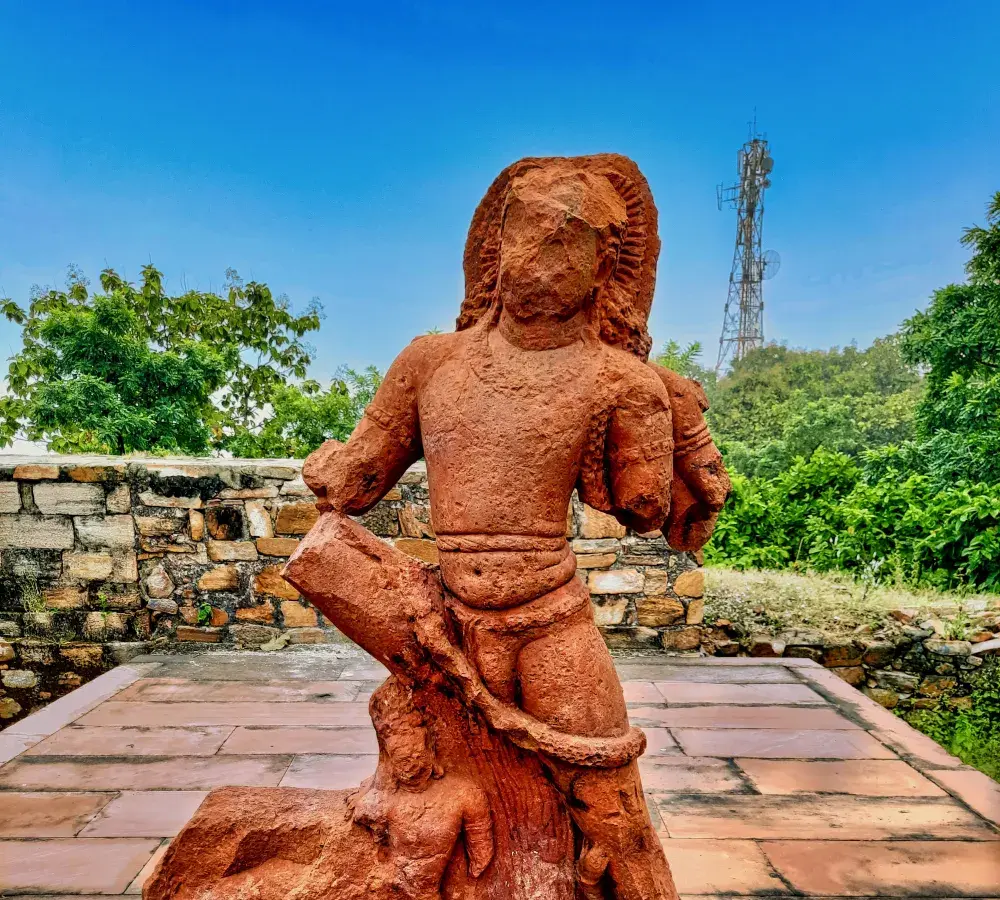
Kannada är ett klassiskt språk med en 2 500-årig skriftlig tradition
Indiens kulturministerium utser ett språk till klassiskt när det har en forntida historia, en oberoende litterär tradition och en samling texter som anses ha stort värde för nationens kulturarv. Kannada fick denna status 2008 och anslöt sig till tamil som ett av de tidigaste sydindiska språken som erkändes. Steninskriptioner på kannada dateras till minst 400-talet e.Kr., och Halmidi-inskriptionen från cirka 450 e.Kr. accepteras allmänt som den äldsta kända kannada-inskriptionen. Den litterära traditionen som kodifierades i Kavirajamarga runt 850 e.Kr. visar att kannada vid den tidpunkten redan hade utvecklat distinkta poetiska metoder, grammatiska regler och en formell prosastil skild från sanskritpåverkan.
För modern dokumentöversättning spelar denna historia roll eftersom kannada upprätthåller en tydlig åtskillnad mellan sitt klassiska formella register och sitt samtida vardagliga bruk. Officiella dokument utfärdade av Karnatakas statsförvaltning, akademiska betyg från Bangalore University eller Indian Institute of Science och notariserade juridiska texter skrivs på formell kannada, med vokabulär och grammatiska konstruktioner som skiljer sig från informell talad kannada. Att översätta en PDF till formell skriven kannada kräver att man väljer rätt register för dokumenttypen, inte bara att konvertera ord från engelska.
Dokument som folk översätter mellan engelska och kannada
Bangalore är Indiens teknik-huvudstad och hyser den största koncentrationen av multinationella IT-företag, mjukvaruföretag och forskningsinstitutioner i landet. Detta genererar en hög volym av tvåspråkiga engelsk-kannada-dokument inom företags-, akademiska och statliga sektorer. De vanligaste dokumenttyperna som översätts inkluderar:
- Dokument från Karnatakas delstatsregering, inklusive fastighetsregister, registreringshandlingar för fastigheter och kommunala intyg, som utfärdas på kannada och måste översättas till engelska för användning utanför delstaten
- Akademiska examensbevis och betyg från Bangalore University, Visvesvaraya Technological University och Indian Institute of Science för att få examensbevis erkända av universitet och arbetsgivare i USA, Kanada, Storbritannien och Australien
- Tvåspråkiga anställningskontrakt och HR-dokument som används av Bangalore-baserade teknikföretag som verkar på engelskspråkiga marknader och arbetskraft i Karnataka
- Personliga identitets- och civilstånds-dokument – födelsebevis, vigselbevis och kastintyg utfärdade på kannada – som krävs för immigrations- och visumansökningar i USA och Kanada av kannada-talande diasporagemenskaper inom tekniksektorn
- Juridiska vittnesmål och notariserade dokument från Karnatakas domstolar som krävs för fastighets- eller arvsärenden utomlands
- Medicinska rapporter från Bangalores sjukhus och forskningsinstitut översatta för internationella försäkringsanspråk eller specialistkonsultationer utomlands
AI-översättning är effektiv för att granska innehållet i en kannada-PDF, förbereda arbetsutkast eller förstå ett okänt dokument. Vid inlämning till en amerikansk immigrationsmyndighet, ett universitetsantagningskontor eller en statlig myndighet krävs en certifierad översättning granskad och signerad av en kvalificerad mänsklig översättare. AI-utdata är en utgångspunkt, inte ett certifierat resultat.
Prissättning för PDF-översättning från engelska till kannada
Registrera dig gratis, betala per dokument och uppgradera allt eftersom dina översättningsbehov växer.
Free
Inget kort behövs för att registrera dig
- 0,005 $/ord AI-översättning
- 1 USD per sida för skanningar och bild-PDF:er
- 108 språk
- Filer upp till 20 MB och 20 sidor
- DOCX, PDF, XLSX, PPTX, IDML, TXT, JPG, PNG och CSV
- Endast 24-timmars fillagring
- PDF-redigerare och PDF till DOCX-konverterare
Basic
Mest populärFaktureras varje vecka · avbryt när som helst
Faktureras månadsvis
Faktureras en gång per år · spara 33%
- AI-översättning inkluderad varje månad
- Sedan 0,005 $/ord AI-översättning
- Filer upp till 100 MB och 300 sidor
- DOCX, PDF, XLSX, PPTX, IDML, TXT, JPG, PNG och CSV
- OCR för skannade dokument
- Dokumentlagring
- Prioriterad support
- 7-dagars gratis provperiod på månadsplanen
- Avbryt när som helst
Pro
Faktureras månadsvis
Faktureras en gång per år · spara 34%
- AI-översättning inkluderad varje månad
- Sedan 0,004 $/ord AI-översättning
- Filer upp till 1 GB och 5 000 sidor
- DOCX, PDF, XLSX, PPTX, IDML, TXT, JPG, PNG och CSV
- Ordlista
- Prioriterad kö
- 5 teamplatser
- API-förfrågningar · 1 000 sidor per månad
- MCP-åtkomst för AI-assistenter
- Avbryt när som helst
Business
Faktureras månadsvis
Faktureras en gång per år · spara 33%
- AI-översättning inkluderad varje månad
- Sedan 0,003 $/ord AI-översättning
- Filer upp till 1 GB och 5 000 sidor
- DOCX, PDF, XLSX, PPTX, IDML, TXT, JPG, PNG och CSV
- Ordlista
- Prioriterad kö
- 15 teamplatser
- API-förfrågningar · 5 000 sidor per månad
- MCP-åtkomst för AI-assistenter
- Avbryt när som helst
Företag
Behöver du mer volym, fakturering eller ett anpassat avtal? Prata med oss om en Enterprise-plan.
Hur du översätter din PDF till kannada
Skapa ett gratis konto
Registrera dig med din e-postadress för att komma åt online-översättningsinstrumentpanelen.
Ladda upp din PDF-fil
Dra och släpp din fil eller bläddra för att välja den. Filer upp till 1 GB stöds på Pro- och Business-planerna.
Välj kannada som målspråk
Välj originalspråket för din PDF och ställ in kannada som målspråk. Utdata kommer att återge hela det brahmiska kannada-skriftsystemet med korrekta kombinerade konsonanter och vokaldikriter.
Översätt och ladda ner
Klicka på "Översätt" och vänta några ögonblick. Din översatta PDF kommer att vara redo att laddas ner på kannada med original layout bevarad.
Utforska fler dokumentöversättningstjänster
Vanliga frågor om PDF-översättning från engelska till kannada
Renderar DocTranslator kannada-skriften korrekt, inklusive sammansatta konsonanter?
Ja. Kannada använder Brahmic abugida-skriften med 13 vokaler, 34 konsonanter och en stor uppsättning sammansatta former som skapas när två eller flera konsonanter förekommer utan en mellanliggande vokal. Dessa sammansättningar kodas med en halant (virama)-karaktär och måste renderas av en formgivningsmotor som förstår layouten för indiska texter. DocTranslator matar ut standard Unicode Kannada (U+0C80-U+0CFF) och den översatta PDF-filen bearbetas av en indisk-medveten renderer så att sammansättningar visas som enskilda sammansmälta glyfer istället för separata brutna tecken.
Vad är skillnaden mellan kannada-skrift och telugu-skrift, och varför är det viktigt för PDF-översättning?
Kannada och Telugu är båda Brahmic-skrifter härledda från samma historiska förfader, och de delar en rund visuell stil som kan verka liknande för en icke-specialist. De är dock distinkta skriftsystem med olika Unicode-block: Kannada vid U+0C80-U+0CFF och Telugu vid U+0000-U+0C7F. Ett översättningsverktyg som inte skiljer mellan de två kommer att ge fel tecken. DocTranslator mappar kannada som målspråk exklusivt till Kannada Unicode-blocket, så utdata är otvetydigt kannada-skrift.
Kan jag översätta dokument från delstaten Karnataka från kannada till engelska?
Ja. Fastighetsregister, registreringsbevis för fastigheter, kastintyg och kommunala dokument från Karnataka utfärdas på kannada och behöver ofta översättas till engelska för användning i andra indiska delstater eller utomlands. DocTranslator hanterar dessa dokumenttyper. För inlämning till officiella organ – domstolar, visumyndigheter eller utländska myndigheter – krävs en certifierad översättning med en mänsklig översättares attestering utöver AI-utkastet.
Vilka dokument från Bangalore University och IISc översätts vanligtvis till engelska?
Akademiska utdrag, examensbevis och betygsblad från Bangalore University, Visvesvaraya Technological University, Mysore University och Indian Institute of Science översätts regelbundet till engelska för ansökningar till forskarutbildning i USA och Kanada, professionell behörighetsprövning och ansökningar om arbetstillstånd för kvalificerade arbetare. Dessa dokument utfärdas vanligtvis i ett tvåspråkigt kannada-engelskt format, men vissa äldre dokument eller officiella bestyrkta kopior är endast på kannada.
Hur påverkar kannada-grammatiken kvaliteten på PDF-översättningen?
Kannada följer en subjekt-objekt-verb-ordföljd, motsatsen till engelskans subjekt-verb-objekt-ordföljd. Varje sats omstruktureras vid översättning mellan de två språken. Kannada använder också tre grammatiska genus – maskulinum, femininum och neutrum – och postpositioner (suffix) istället för prepositioner. Dessa strukturella skillnader innebär att korrekt kannada-utdata kräver en modell som tränats på betydande kannada-text, inte en translitterering eller en direkt ord-mappningsmetod. AI-modeller med bred indisk språkträning hanterar modernt formellt kannada bra för de flesta dokumenttyper.
Stöds kannada för översättning av amerikanska immigrationsdokument?
Ja. Kannada-talande sökande från Karnataka som ansöker om amerikanska visum eller gröna kort behöver ofta delstatsdokument från Karnataka, indiska universitetsbetyg och civilståndsintyg översatta från kannada till engelska. USCIS kräver att alla utländska dokument som lämnas in med en immigrationsansökan åtföljs av en fullständig engelsk översättning som är certifierad som korrekt och fullständig av översättaren. DocTranslator producerar ett korrekt utkast; för den certifierade versionen, se vår tjänst för USCIS-certifierad översättning.
Hur stor kannada PDF kan jag översätta, och hur lång tid tar det?
Gränsen beror på planen: 20 MB och 20 sidor på Free, 100 MB och 300 sidor på Basic, och 1 GB och 5 000 sidor på Pro och Business. Att översätta ett kort prov, fakturerat från 0,99 USD, räcker för att verifiera att Kannada Brahmic-skrift, conjuncta konsonanter och dokumentlayout renderas korrekt innan du bearbetar ett helt dokument. Bearbetningstiden beror på filstorlek och sidantal; de flesta Kannada-dokument av standardlängd slutförs inom några minuter.
Översätt din PDF till kannada idag
DocTranslator konverterar PDF-filer till kannada online, återger hela det brahmiska skriftsystemet med korrekta kombinerade konsonanter och vokaldikriter, bevarar din dokuments layout och stöder statliga dokument från Karnataka, universitetsbetyg och tvåspråkiga tekniska kontrakt. Filer upp till 1 GB.
Relaterade verktyg
Översätt PDF efter språk
Dokumenttyper
Våra partners