
Traduci PDF in kannada
Converti PDF in Kannada con la resa corretta dell'intero script Brahmico - 13 vocali, 34 consonanti, segni diacritici vocalici e congiunzioni consonantiche preservate. Documenti del governo del Karnataka, diplomi della Bangalore University e contratti tecnologici bilingue gestiti con precisione. File fino a 1 GB.
Carica o trascina il documento da tradurre
Dimensione massima file 1 GB
- OCR per scansioni e foto
- 108 lingue
- Layout originale mantenuto
Cosa succede quando traduci un PDF in Kannada
Il Kannada è scritto nello script Kannada, un abugida Brahmico con 13 vocali indipendenti, 34 consonanti e un ampio inventario di forme congiunte prodotte quando le consonanti si combinano senza una vocale intermedia. Lo script è visivamente simile al Telugu - entrambi condividono la stessa discendenza Brahmica e uno schema di tratti arrotondati - ma i due sistemi hanno forme di lettere distinte che non sono intercambiabili. Un convertitore PDF che confonde la codifica Kannada e Telugu produrrà un output confuso. DocTranslator elabora ogni script Brahmico in modo indipendente, applicando l'intervallo Unicode corretto (da U+0C80 a U+0CFF per il Kannada) in tutto il documento tradotto in modo che ogni segno diacritico vocalico, cluster consonantico e sequenza halant venga reso come Kannada, non come un carattere Telugu visivamente simile.
La grammatica Kannada segue un ordine strettamente soggetto-oggetto-verbo, che contrasta con l'ordine soggetto-verbo-oggetto dell'inglese. In una frase Kannada, il verbo viene sempre alla fine. Gli aggettivi e le clausole relative precedono i sostantivi che modificano, e i postposizioni (suffissi di caso attaccati ai sostantivi) sostituiscono le preposizioni che precedono i sostantivi in inglese. Il Kannada segna anche tre generi grammaticali - maschile, femminile e neutro - e l'assegnazione del genere di un sostantivo influisce sull'accordo verbale e sulla selezione dei pronomi in tutta la frase. Tradurre un documento legale, un diploma universitario o un contratto tecnico dall'inglese al Kannada richiede quindi una completa riorganizzazione strutturale di quasi ogni frase, non una sostituzione parola per parola.
Il Kannada ha più di 44 milioni di parlanti ed è la lingua ufficiale del Karnataka, lo stato indiano la cui capitale è Bangalore. Il governo indiano ha riconosciuto il Kannada come lingua classica nel 2008, riconoscendo una tradizione letteraria che risale ad almeno 2.500 anni fa. La più antica opera letteraria Kannada sopravvissuta, Kavirajamarga, fu composta intorno all'850 d.C. ed è uno dei primi testi letterari in qualsiasi lingua dell'India meridionale. Questa profondità classica significa che il Kannada ha un ricco registro formale utilizzato nella scrittura legale, accademica e governativa che differisce sostanzialmente dall'uso colloquiale quotidiano.
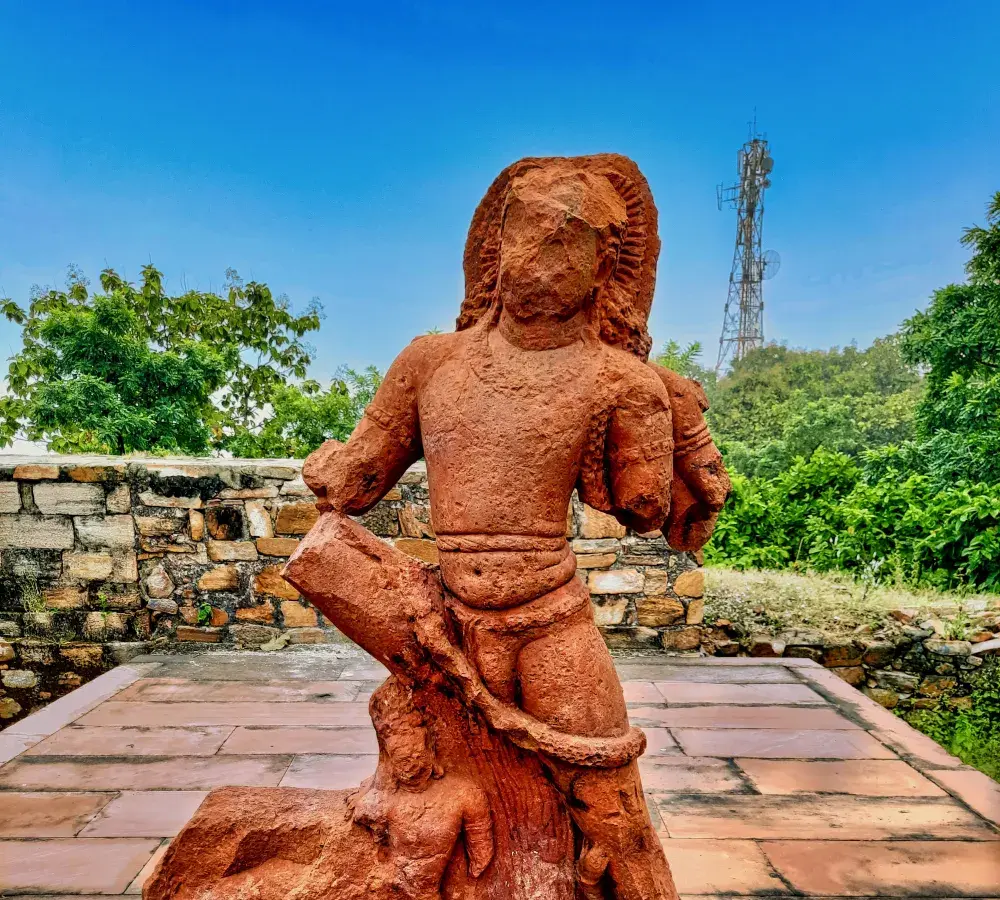
Il Kannada è una lingua classica con una tradizione scritta di 2.500 anni
Il Ministero della Cultura indiano designa una lingua come classica quando ha una storia antica, una tradizione letteraria indipendente e un corpo di testi considerati di grande valore per il patrimonio della nazione. Il Kannada ha ricevuto questo status nel 2008, unendosi al Tamil come una delle prime lingue dell'India meridionale ad essere riconosciuta. Le iscrizioni in pietra in Kannada risalgono almeno al V secolo d.C., e l'iscrizione di Halmidi intorno al 450 d.C. è generalmente accettata come la più antica iscrizione Kannada conosciuta. La tradizione letteraria codificata in Kavirajamarga intorno all'850 d.C. mostra che a quel punto il Kannada aveva già sviluppato distinti metri poetici, regole grammaticali e uno stile di prosa formale separato dall'influenza sanscrita.
Per la traduzione di documenti moderni, questa storia è importante perché il Kannada mantiene una chiara distinzione tra il suo registro formale classico e il suo uso colloquiale contemporaneo. I documenti governativi emessi dall'amministrazione statale del Karnataka, le trascrizioni accademiche della Bangalore University o dell'Indian Institute of Science e i testi legali notarizzati sono scritti in Kannada formale, utilizzando vocabolario e costruzioni grammaticali che differiscono dal Kannada parlato informale. Tradurre un PDF in Kannada scritto formale richiede la scelta del registro appropriato per il tipo di documento, non semplicemente la conversione di parole dall'inglese.
Documenti che le persone traducono tra inglese e Kannada
Bangalore è la capitale tecnologica dell'India e ospita la più grande concentrazione di multinazionali IT, società di software e istituti di ricerca del paese. Ciò genera un elevato volume di documenti bilingue inglese-Kannada nei settori aziendale, accademico e governativo. I tipi di documenti più comunemente tradotti includono:
- Documenti del governo statale del Karnataka, inclusi registri fondiari, atti di proprietà e certificati municipali, che sono emessi in Kannada e devono essere tradotti in inglese per l'uso al di fuori dello stato
- Diplomi accademici e trascrizioni della Bangalore University, della Visvesvaraya Technological University e dell'Indian Institute of Science per il riconoscimento delle credenziali da parte di università e datori di lavoro negli Stati Uniti, Canada, Regno Unito e Australia
- Contratti di lavoro bilingue e documenti HR utilizzati dalle aziende tecnologiche con sede a Bangalore che operano nei mercati di lingua inglese e con forza lavoro basata nel Karnataka
- Documenti di identificazione personale e di stato civile - certificati di nascita, certificati di matrimonio e certificati di casta emessi in Kannada - richiesti per domande di immigrazione e visti negli Stati Uniti e in Canada da comunità della diaspora tecnologica di lingua Kannada
- Affidavit legali e documenti notarili dei tribunali del Karnataka richiesti per questioni immobiliari o patrimoniali all'estero
- Referti medici da ospedali e istituti di ricerca di Bangalore tradotti per richieste di assicurazione internazionali o consultazioni specialistiche all'estero
La traduzione AI è efficace per rivedere il contenuto di un PDF in Kannada, preparare bozze di lavoro o comprendere un documento sconosciuto. Quando si presenta a un'autorità di immigrazione statunitense, a un ufficio di ammissione universitaria o a un ente governativo, è richiesta una traduzione certificata rivista e firmata da un traduttore umano qualificato. L'output AI è un punto di partenza, non un prodotto certificato.
Prezzi per la traduzione di PDF da inglese a Kannada
Iscriviti gratuitamente, paga per documento e aggiorna man mano che le tue esigenze di traduzione crescono.
Free
Non è richiesta carta di credito per l'iscrizione
- Traduzione AI a $0,005/parola
- $1 per pagina per scansioni e PDF immagine
- 108 lingue
- File fino a 20 MB e 20 pagine
- DOCX, PDF, XLSX, PPTX, IDML, TXT, JPG, PNG e CSV
- Solo archiviazione file di 24 ore
- Editor PDF e convertitore da PDF a DOCX
Base
Più popolareAddebitato ogni settimana · annulla in qualsiasi momento
Addebitato mensilmente
Addebitato una volta all'anno · risparmia il 33%
- traduzione AI inclusa ogni mese
- Poi 0,005 $/parola traduzione AI
- File fino a 100 MB e 300 pagine
- DOCX, PDF, XLSX, PPTX, IDML, TXT, JPG, PNG e CSV
- OCR per documenti scansionati
- Archiviazione documenti
- Supporto prioritario
- Prova gratuita di 7 giorni con il piano mensile
- Annulla in qualsiasi momento
Pro
Addebitato mensilmente
Addebitato una volta all'anno · risparmia il 34%
- traduzione AI inclusa ogni mese
- Poi 0,004 $/parola traduzione AI
- File fino a 1 GB e 5.000 pagine
- DOCX, PDF, XLSX, PPTX, IDML, TXT, JPG, PNG e CSV
- Glossario
- Coda prioritaria
- 5 posti per team
- Richieste API · 1.000 pagine al mese
- Accesso MCP per assistenti AI
- Annulla in qualsiasi momento
Business
Addebitato mensilmente
Addebitato una volta all'anno · risparmia il 33%
- traduzione AI inclusa ogni mese
- Poi 0,003 $/parola traduzione AI
- File fino a 1 GB e 5.000 pagine
- DOCX, PDF, XLSX, PPTX, IDML, TXT, JPG, PNG e CSV
- Glossario
- Coda prioritaria
- 15 posti per team
- Richieste API · 5.000 pagine al mese
- Accesso MCP per assistenti AI
- Annulla in qualsiasi momento
Enterprise
Hai bisogno di più volume, fatturazione o un accordo personalizzato? Parlaci di un piano Enterprise.
Come tradurre il tuo PDF in Kannada
Crea un account gratuito
Registrati con la tua email per accedere alla dashboard di traduzione online.
Carica il tuo file PDF
Trascina e rilascia il tuo file o sfoglia per selezionarlo. I file fino a 1 GB sono supportati sui piani Pro e Business.
Scegli il Kannada come lingua di destinazione
Seleziona la lingua originale del tuo PDF e imposta il Kannada come lingua di destinazione. L'output renderà l'intero script Brahmico Kannada con corretti congiunti consonantici e segni diacritici vocalici.
Traduci e scarica
Fai clic su "Traduci" e attendi qualche istante. Il tuo PDF tradotto sarà pronto per il download in Kannada con il layout originale preservato.
Esplora altri servizi di traduzione di documenti
FAQ sulla traduzione di PDF da inglese a Kannada
DocTranslator rende correttamente lo script Kannada, comprese le consonanti congiunte?
Sì. Il Kannada utilizza lo script abugida Brahmico con 13 vocali, 34 consonanti e un ampio set di forme congiunte create quando due o più consonanti appaiono senza una vocale intermedia. Queste congiunzioni sono codificate utilizzando un carattere halant (virama) e devono essere renderizzate da un motore di formattazione che comprenda il layout del testo indiano. DocTranslator produce Kannada Unicode standard (U+0C80-U+0CFF) e il PDF tradotto viene elaborato da un renderer consapevole dell'indiano in modo che le congiunzioni vengano visualizzate come glifi fusi singoli anziché come caratteri separati e spezzati.
Qual è la differenza tra lo script Kannada e lo script Telugu, e perché è importante per la traduzione di PDF?
Kannada e Telugu sono entrambi script Brahmici derivati dallo stesso antenato storico, e condividono uno stile visivo arrotondato che può apparire simile a un non specialista. Tuttavia, sono sistemi di scrittura distinti con blocchi Unicode diversi: Kannada a U+0C80-U+0CFF e Telugu a U+0C00-U+0C7F. Uno strumento di traduzione che non distingue tra i due produrrà i caratteri sbagliati. DocTranslator mappa la lingua di destinazione Kannada esclusivamente al blocco Unicode Kannada, quindi l'output è inequivocabilmente in script Kannada.
Posso tradurre documenti del governo dello stato del Karnataka dal Kannada all'inglese?
Sì. I registri fondiari del Karnataka, i certificati di registrazione della proprietà, i certificati di casta e i documenti municipali sono emessi in Kannada e spesso devono essere tradotti in inglese per l'uso in altri stati indiani o all'estero. DocTranslator gestisce questi tipi di documenti. Per le presentazioni a organismi ufficiali - tribunali, autorità di visti o uffici governativi stranieri - è richiesta una traduzione certificata con attestazione di un traduttore umano oltre alla bozza AI.
Quali documenti dell'Università di Bangalore e dell'IISc vengono comunemente tradotti in inglese?
Trascrizioni accademiche, certificati di laurea e pagelle dell'Università di Bangalore, dell'Università Tecnologica Visvesvaraya, dell'Università di Mysore e dell'Indian Institute of Science vengono regolarmente tradotti in inglese per domande di ammissione a scuole di specializzazione negli Stati Uniti e in Canada, riconoscimento di credenziali professionali e richieste di visto per lavoratori qualificati. Questi documenti sono tipicamente rilasciati in formato bilingue Kannada-inglese, ma alcuni documenti più vecchi o copie ufficiali certificate sono solo in Kannada.
In che modo la grammatica Kannada influisce sulla qualità della traduzione dei PDF?
Il Kannada segue un ordine delle parole soggetto-oggetto-verbo, l'opposto dell'ordine soggetto-verbo-oggetto dell'inglese. Ogni clausola viene ristrutturata quando si traduce tra le due lingue. Il Kannada utilizza anche tre generi grammaticali - maschile, femminile e neutro - e posposizioni (suffissi) invece di preposizioni. Queste differenze strutturali significano che un output accurato in Kannada richiede un modello addestrato su un testo Kannada sostanziale, non una traslitterazione o un approccio di mappatura parola per parola. I modelli AI con un ampio addestramento sulle lingue indiane gestiscono bene il Kannada formale moderno per la maggior parte dei tipi di documenti.
Il Kannada è supportato per la traduzione di documenti di immigrazione negli Stati Uniti?
Sì. I candidati di lingua Kannada dal Karnataka che richiedono visti o green card statunitensi necessitano frequentemente di documenti statali del Karnataka, trascrizioni universitarie indiane e certificati di stato civile tradotti dal Kannada all'inglese. L'USCIS richiede che qualsiasi documento in lingua straniera presentato con una petizione di immigrazione sia accompagnato da una traduzione completa in inglese certificata come accurata e completa dal traduttore. DocTranslator produce una bozza accurata; per la versione certificata, vedere il nostro servizio di traduzione certificata USCIS.
Quanto è grande un PDF Kannada che posso tradurre e quanto tempo ci vuole?
Il limite dipende dal piano: 20 MB e 20 pagine su Free, 100 MB e 300 pagine su Basic, e 1 GB e 5.000 pagine su Pro e Business. La traduzione di un breve campione, fatturato da $0,99, è sufficiente per verificare che lo script Kannada Brahmic, le consonanti congiunte e il layout del documento siano resi correttamente prima di elaborare un documento completo. Il tempo di elaborazione dipende dalla dimensione del file e dal numero di pagine; la maggior parte dei documenti Kannada di lunghezza standard viene completata in pochi minuti.
Traduci oggi stesso il tuo PDF in Kannada
DocTranslator converte PDF in Kannada online, rendendo l'intero script Brahmico con corretti congiunti consonantici e segni diacritici vocalici, preservando il layout del tuo documento e supportando documenti del governo del Karnataka, trascrizioni universitarie e contratti tecnologici bilingue. File fino a 1 GB.
Strumenti Correlati
Traduci PDF per Lingua
Tipi di documenti
I nostri partner