
Servizi di traduzione e-learning
Il miglior traduttore al mondo basato sull'IA al tuo servizio
Carica o trascina il documento da tradurre
Dimensione massima file 1 GB
- OCR per scansioni e foto
- 108 lingue
- Layout originale mantenuto
Documenti e-learning
Nell'industria dell'e-learning, ci sono molti tipi di documenti che potrebbero dover essere tradotti in altre lingue. Questi possono includere:
- Materiali del corso, come piani di lezione, lezioni e compiti
- Quiz e test online
- Guide utente e manuali per sistemi di gestione dell'apprendimento (LMS) o altro software di e-learning
- Materiali di marketing, come contenuti del sito Web e brochure
- Email e altre comunicazioni con studenti o altri stakeholder
- Documenti di accreditamento, come trascrizioni e diplomi
È importante che tutti questi documenti siano tradotti in modo accurato ed efficace al fine di fornire un'esperienza di apprendimento fluida per gli studenti che parlano lingue diverse.
Incontra DocTranslator!
DocTranslator è progettato specificamente per aggirare i firewall desktop e la dipendenza dalla piattaforma. Il servizio di traduzione online per documenti, basato sul web, è sviluppato per funzionare in qualsiasi browser web moderno, sia esso Google Chrome, Mozilla Firefox o Apple Safari. Funziona anche su Internet Explorer (che Dio lo benedica ;-)).
DocTranslator presenta i seguenti vantaggi:
- È sempre attivo. Puoi accedervi da qualsiasi browser, sia desktop che mobile (nessuna app richiesta)
- Supporta MS Word (.docx), MS Excel (.xlsx) e Adobe PDF (.pdf)
- L'iscrizione è gratuita e non richiede carta di credito. Paghi per ogni file di corso che traduci, a partire da $0.99 a documento
- È prezzato in modo super competitivo per un traduttore automatico: $0,005/parola su Free, mentre il piano Pro include fino a 5.000 pagine ogni 30 giorni e poi addebita $0,004 per parola. È il 200% più economico della media del settore.
- Il tempo medio di consegna è di soli pochi minuti. Confrontalo con diversi giorni di lavoro umano!
Cos'è l'eLearning?
L'e-learning si riferisce a qualsiasi tipo di apprendimento erogato elettronicamente, tipicamente via Internet. Può essere utilizzato in una varietà di settori, tra cui istruzione, sanità, governo e affari. Nel settore dell'istruzione, l'e-learning viene utilizzato per erogare contenuti educativi agli studenti da remoto, sia in sostituzione che in aggiunta all'insegnamento tradizionale in aula. In altri settori, l'e-learning può essere utilizzato per formare dipendenti o fornire opportunità di sviluppo professionale. L'e-learning può assumere molte forme, come corsi online, webinar e aule virtuali.
Qual è la differenza tra e-learning e apprendimento online?
E-learning e apprendimento online sono spesso usati in modo intercambiabile per riferirsi a qualsiasi tipo di apprendimento erogato elettronicamente, tipicamente su Internet. Tuttavia, alcune persone potrebbero usare il termine "e-learning" per riferirsi specificamente all'apprendimento individuale e auto-ritmato, mentre "apprendimento online" potrebbe essere usato per riferirsi a un apprendimento più interattivo e in tempo reale che si svolge in un'aula virtuale o in un altro ambiente online.
L'e-learning può assumere molte forme, inclusi corsi online, webinar e lezioni video, e può essere auto-ritmato o strutturato con scadenze specifiche. L'apprendimento online, d'altra parte, coinvolge tipicamente l'interazione in tempo reale tra l'istruttore e gli studenti e può includere attività come discussioni virtuali, progetti di gruppo e lezioni dal vivo.
Nel complesso, la differenza principale tra e-learning e apprendimento online è il livello di interazione e coinvolgimento in tempo reale. L'e-learning è spesso più auto-diretto e può essere completato al proprio ritmo, mentre l'apprendimento online prevede una maggiore istruzione diretta e interazione con l'istruttore e gli altri studenti.

Quanto è grande l'industria dell'e-learning?
L'industria dell'e-learning è cresciuta in modo significativo negli ultimi anni e si prevede che continuerà a farlo. Secondo un rapporto della società di ricerche di mercato Global Industry Analysts, il mercato globale dell'e-learning è stato valutato 190 miliardi di dollari nel 2020 e si prevede che raggiungerà 375 miliardi di dollari entro il 2026, crescendo a un tasso di crescita annuale composto (CAGR) di circa il 15%. Il rapporto cita fattori come la crescente adozione della tecnologia nell'istruzione, l'aumento del lavoro a distanza e dell'apprendimento online dovuto alla pandemia di COVID-19, e la crescente necessità di sviluppo professionale come motori della crescita dell'industria dell'e-learning.
Quali sono i 3 tipi di eLearning?
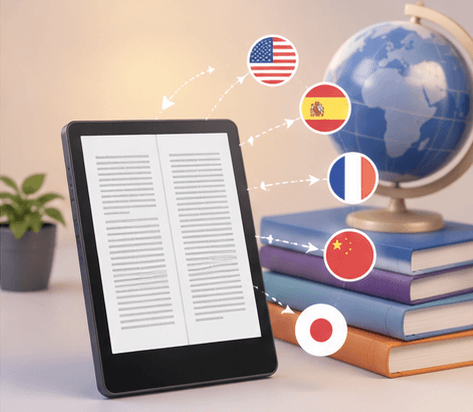
L'e-learning si presenta in varie forme e il tipo scelto dipende spesso dall'argomento, dagli obiettivi di apprendimento e dalle preferenze dello studente. Alcuni tipi comuni di e-learning includono:
- E-learning auto-ritmato: gli studenti lavorano attraverso il materiale del corso al proprio ritmo, che può includere lezioni preregistrate, letture e attività.
- Aule virtuali: istruttori e studenti interagiscono in tempo reale utilizzando software di videoconferenza per lezioni dal vivo, discussioni e attività collaborative.
- Gamification: elementi di game design, come punti, badge e classifiche, vengono utilizzati per migliorare il coinvolgimento e l'interattività nei corsi di e-learning.
Questi sono solo alcuni esempi dei molti tipi di e-learning disponibili, tra cui blended learning, mobile learning e microlearning.
Prezzi per la traduzione di e-learning
La registrazione è gratuita. Paga per documento con Free, oppure abbonati e ottieni traduzioni AI incluse ogni mese.
Free
Non è richiesta carta di credito per l'iscrizione
- Traduzione AI a $0,005/parola
- $1 per pagina per scansioni e PDF immagine
- 108 lingue
- File fino a 20 MB e 20 pagine
- DOCX, PDF, XLSX, PPTX, IDML, TXT, JPG, PNG e CSV
- Solo archiviazione file di 24 ore
- Editor PDF e convertitore da PDF a DOCX
Base
Più popolareAddebitato ogni settimana · annulla in qualsiasi momento
Addebitato mensilmente
Addebitato una volta all'anno · risparmia il 33%
- traduzione AI inclusa ogni mese
- Poi 0,005 $/parola traduzione AI
- File fino a 100 MB e 300 pagine
- DOCX, PDF, XLSX, PPTX, IDML, TXT, JPG, PNG e CSV
- OCR per documenti scansionati
- Archiviazione documenti
- Supporto prioritario
- Prova gratuita di 7 giorni con il piano mensile
- Annulla in qualsiasi momento
Pro
Addebitato mensilmente
Addebitato una volta all'anno · risparmia il 34%
- traduzione AI inclusa ogni mese
- Poi 0,004 $/parola traduzione AI
- File fino a 1 GB e 5.000 pagine
- DOCX, PDF, XLSX, PPTX, IDML, TXT, JPG, PNG e CSV
- Glossario
- Coda prioritaria
- 5 posti per team
- Richieste API · 1.000 pagine al mese
- Accesso MCP per assistenti AI
- Annulla in qualsiasi momento
Business
Addebitato mensilmente
Addebitato una volta all'anno · risparmia il 33%
- traduzione AI inclusa ogni mese
- Poi 0,003 $/parola traduzione AI
- File fino a 1 GB e 5.000 pagine
- DOCX, PDF, XLSX, PPTX, IDML, TXT, JPG, PNG e CSV
- Glossario
- Coda prioritaria
- 15 posti per team
- Richieste API · 5.000 pagine al mese
- Accesso MCP per assistenti AI
- Annulla in qualsiasi momento
Enterprise
Hai bisogno di più volume, fatturazione o un accordo personalizzato? Parlaci di un piano Enterprise.
Come tradurre il tuo documento?
Registrati su DocTranslator.com
Crea il tuo account gratuito per iniziare con la traduzione di documenti e-learning.
Verifica il tuo indirizzo email
Conferma la tua email per attivare il tuo account DocTranslator.
Carica il tuo documento
Trascina e rilascia i materiali del tuo corso, quiz, manuali o altri file di e-learning.
Seleziona le lingue originali e di destinazione
Scegli la lingua di origine e la lingua in cui desideri tradurre il tuo documento.
Traduci!
Fai clic su traduci e scarica il tuo documento completato in pochi minuti.
Traduzione di e-learning resa facile
DocTranslator offre traduzioni rapide e accurate basate sull'IA per materiali didattici, quiz, manuali LMS e documenti di accreditamento. Offri un'esperienza di apprendimento senza interruzioni agli studenti che parlano lingue diverse: inizia oggi stesso a tradurre.
Altri strumenti
Formati File
Tipi di documenti
I nostri partner