
E-öwreniş Terjime Hyzmatlary
Dünýäniň iň gowy AI tarapyndan dolandyrylýan terjimeçi siziň hyzmatyňyzda
Resminamany ýüklemek ýa-da goýmak
Iň ýokary faýl ölçegi 1 GB
- Skanlar we fotosuratlar üçin OCR
- 108 dil
- Original layout saklanyldy
e-Öwreniş resminamalary
E-öwreniş pudagynda, başga dillere terjime edilmegi zerur bolup biljek köp sanly resminama görnüşleri bar. Olar şulara degişli bolup biler:
- Okalýan materiallar, ýagny ders meýilnamalary, leksiýalar we tabşyryklar
- Onlaýn synaglar we testler
- Öwreniş dolandyryş ulgamlary (LMS) ýa-da başga e-öwreniş programma üpjünçiligi üçin ulanyjy gollanmalary we manual
- Marketing materiallary, ýagny web sahypasy mazmuny we broşýuralar
- E-poçtalar we studentler ýa-da beýleki gyzyklanan taraplar bilen başga-da habarlaşmalar
- Akreditasiýa resminamalary, ýagny transkriptler we diplomlar
Bu resminamalaryň ählisiniň dürli dillerde gepleýän studentler üçin ýeňil öwreniş tejribesini üpjün etmek üçin takyk we täsirli terjime edilmegi möhümdir.
DocTranslator bilen tanşyň!
DocTranslator aýratyn işlenip taýýarlanyldy, bu bolsa iş stoluňyzyň gorag diwarlaryndan we platforma garaşlylygyndan geçmäge mümkinçilik berýär. Resminamalar üçin ilkinji web terjime hyzmaty islendik häzirki zaman web brauzerinde, ol Google Chrome, Mozilla Firefox ýa-da Apple Safari bolsa, işlemäge niýetlenendir. Hatda Internet Explorer-de-de işleýär (Hudaýa şükür ;-)).
DocTranslator-yň aşakdaky artykmaçlyklary bar:
- Ol hemişe işleýär. Ony islendik brauzerden, ol kompýuter ýa-da mobil (programma gerek däl) bolsa-da, girip bilersiňiz
- MS Word (.docx), MS Excel (.xlsx) we Adobe PDF (.pdf) goldaýar
- Hasaba alynmak mugtdyr we kart gerek däl. Her bir terjime edilen faýl üçin töleýärsiňiz, resminama 0,99 dollardan başlap
- Bu, maşyn terjime üçin örän bäsdeşlikli bahalandy: Free planynda söz başy 0,005 $, Pro plany bolsa her 30 günde 5000 sahypa çenli öz içine alýar we şondan soň söz başy 0,004 $ bahasynda hasaplanýar. Bu senagat ortaça bahasynyň 200% pesdir.
- Ortalama ýerine ýetiriş wagty bary-ýogy minut. Muny adamyňkyndan birnäçe günläp çykýan netijesi bilen deňeşdiriň!
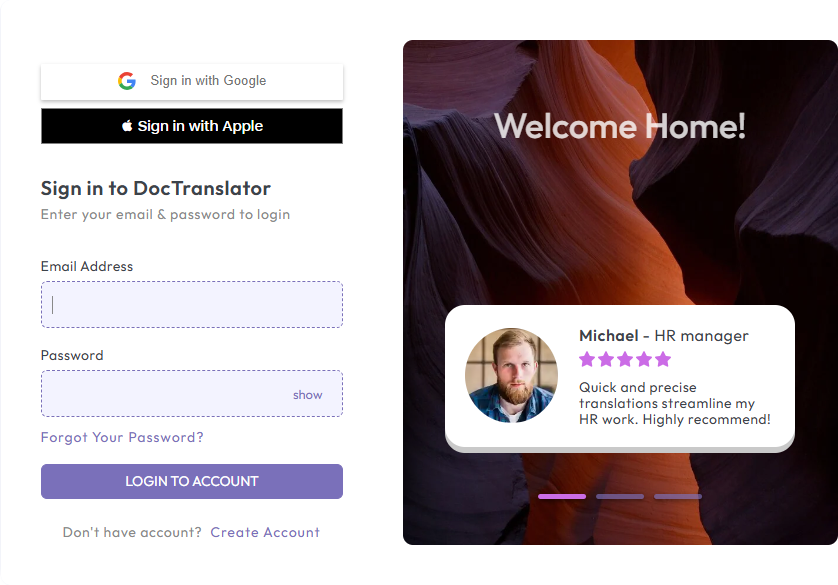
E-öwreniş näme?
E-öwreniş, adatça internet arkaly elektron görnüşde berilýän islendik görnüşli öwrenişi aňladýar. Ol bilim, saglygy goraýyş, hökümet we işewürlik ýaly köp sanly pudaklarda ulanylyp bilner. Bilim pudagynda, e-öwreniş studentlere uzakdan, ýa-da klassdaky däp-dessurly saplardan başga ýa-da goşmaça hökmünde bilim mazmunyny bermek üçin ulanylýar. Beýleki pudaklarda, e-öwreniş işgärleri taýýarlamak ýa-da hünär tejribesini ösdürmek mümkinçiliklerini bermek üçin ulanylyp bilner. E-öwreniş, onlaýn dersler, webinarlar we wirtual synplar ýaly köp görnüşde bolup biler.
E-öwreniş bilen onlaýn öwrenişiň tapawudy näme?
E-learning we-online okuwlar köplenç elektron görnüşde, adatça internet arkaly hödürlenýän islendik görnüşdäki öwrenişi aňlatmak üçin özara ulanylýar. Şeýle-de bolsa, käbir adamlar "e-learning" termini aýratyn özbaşdak, ýeke-täk öwrenişi aňlatmak üçin ulanyp bilerler, "online okuw" bolsa sanly synp otagynda ýa-da beýleki onlaýn gurşawda bolup geçýän has täsirli, göni wagtda öwrenişi aňlatmak üçin ulanylyp biler.
E-learning onlaýn kurslary, webinarlary we wideo leksiýalary öz içine alýan köp görnüşde bolup biler we özbaşdak ýa-da belli möhletler bilen gurlan bolup biler. Beýleki tarapdan, onlaýn okuw, adatça, mugallym bilen talyplaryň arasynda göni wagtda täsirleşmegi öz içine alýar we sanly maslahatlar, toparlaýyn taslamalar we göni leksiýalar ýaly işleri öz içine alyp biler.
Umuman alanyňda, e-learning bilen onlaýn okuwyň arasyndaky esasy tapawut täsirleşmegiň we göni wagtda gatnaşmagyň derejesidir. E-learning köplenç özbaşdak we öwrenijiniň öz wagtynda tamamlaýjy bolup biler, onlaýn okuw bolsa mugallym we beýleki talyplar bilen has göni öwretmegi we täsirleşmegi öz içine alýar.

E-learning senagaty näçe uly?
E-learning senagaty soňky ýyllarda düýpli ösdi we bu ösüşi dowam etdirer diýip garaşylýar. Global Industry Analysts atly bazar gözleg firmasy tarapyndan taýýarlanan hasabata görä, global e-learning bazary 2020-nji ýylda 190 milliard dollara barabar boldy we 2026-njy ýyla çenli 375 milliard dollara ýetmegi, ýyllyk ortaça 15% ösüş depgini bilen ösmegi garaşylýar. Hasabatda bilimde tehnologiýanyň artýan kabul edilmegi, COVID-19 pandemiýasy sebäpli daşlaşyk işiň we onlaýn okuwyň güýçlenmegi we kär tejribesini ösdürmek üçin artýan zerurlyk ýaly faktorlar e-learning senagatynyň ösüşini höweslendirýär.
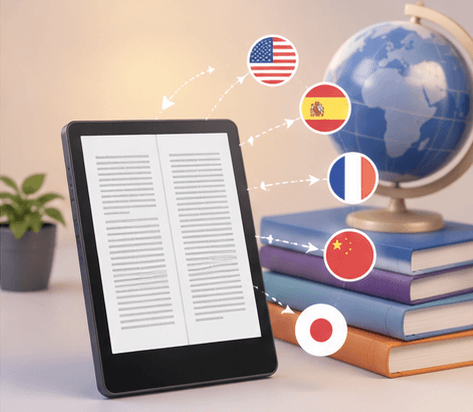
E-öwrenmegiň 3 görnüşi näme?
E-learning dürli görnüşlerde bolýar, saýlanan görnüş köplenç tema, öwreniş maksatlary we öwrenijiniň islegleri bilen baglydyr. E-learning-iň käbir umumy görnüşleri şulary öz içine alýar:
- Özbaşdak e-learning: Öwrenijiler öňünden ýazylan leksiýalary, okamalary we işleri öz içine alyp bilýän özbaşdak öwreniş materiallary bilen işleýärler.
- Sanly synp otaglary: Mugallymlar we öwrenijiler göni wagtda wideokonferens programma üpjünçiligini ulanyp, göni leksiýalar, maslahatlar we bilelikdäki işler üçin täsirleşýärler.
- Gamification: E-learning kurslarynda gatnaşmagy we täsirleşmegi ýokarlandyrmak üçin nokatlar, medallar we lider tahtalary ýaly oýun dizaýn elementleri ulanylýar.
Bu, garyşyk öwrenme, mobil öwrenme we mikroöwrenme, şol sanda köp sanly e-learning görnüşleriniň diňe käbir mysallarydyr.
E-öwreniş terjimesi bahalary
Agza bolmak mugt. "Free" planynda her resminama üçin töleýärsiňiz ýa-da abuna ýazlyp, her aý AI terjimesini alyň.
Free
Agza bolmak üçin kartyňyzyň gerek ýok
- 0,005 dollardan/söz AI terjimesi
- Skanerlenen we suratly PDF-ler üçin bir sahypasy 1 dollardan
- 108 dil
- 20 MB we 20 sahypa çenli faýllar
- DOCX, PDF, XLSX, PPTX, IDML, TXT, JPG, PNG we CSV
- Faýllar diňe 24 sagat saklanýar
- PDF redaktory we PDF-den DOCX-e öwrüji
Esasy
Iň köp satyn alynýanHer hepde töleg · islendik wagt ýatyryň
Aýlyk töleg
Ýylda bir gezek töleg · 33% tygşytlaň
- AI terjimesi her aýda
- Soňra söz başyna $0.005 AI terjimesi
- 100 MB çenli faýllar we 300 sahypa
- DOCX, PDF, XLSX, PPTX, IDML, TXT, JPG, PNG we CSV
- Skanerlenen resminamalar üçin OCR
- Resminama saklamak
- Priority goldaw
- Aýlyk plana 7 günüň dowamynda mugt synag
- Islendik wagt ýatyryp bilersiňiz
Pro
Aýlyk töleg
Ýylda bir gezek töleg · 34% tygşytlaň
- AI terjimesi her aýda
- Soňra söz başyna $0.004 AI terjimesi
- 1 GB çenli faýllar we 5000 sahypa
- DOCX, PDF, XLSX, PPTX, IDML, TXT, JPG, PNG we CSV
- Sözlük
- Priority nobat
- 5 toparyň agzasy
- API islegleri · aýda 1000 sahypa
- AI kömekçileri üçin MCP elýeterliligi
- Islendik wagt ýatyryp bilersiňiz
Biznes
Aýlyk töleg
Ýylda bir gezek töleg · 33% tygşytlaň
- AI terjimesi her aýda
- Soňra söz başyna $0.003 AI terjimesi
- 1 GB çenli faýllar we 5000 sahypa
- DOCX, PDF, XLSX, PPTX, IDML, TXT, JPG, PNG we CSV
- Sözlük
- Priority nobat
- 15 toparyň agzasy
- API islegleri · aýda 5000 sahypa
- AI kömekçileri üçin MCP elýeterliligi
- Islendik wagt ýatyryp bilersiňiz
Kärhanalar
Has köp möçber, invoicing ýa-da custom ylalaşyk gerekmi? Enterprise plan barada bize aýdyň.
Resminamaňyzy nädip terjime etmeli?
DocTranslator.com sahypasynda bellik ediň
E-öwreniş resminamalaryny terjime etmek üçin ilkinji ädimiňizi ädiň we mugt hasabyňyzy dörediň.
E-poçta salgyňyzy tassyklaň
DocTranslator hasabyňyzy işjeňleşdirmek üçin e-poçtaňyzy tassyklaň.
Resmigiňizi ýükleň
Kurs materiallaryňyzy, synaglaryňyzy, gollanmalaryňyzy ýa-da beýleki e-öwreniş faýllaryňyzy sürüň we goýuň.
Asyl we maksat edilen dilleri saýlaň
Görnüş dilini we resminamaňyzy terjime etmek isleýän diliňizi saýlaň.
Terjime ediň!
Terjimä basyň we tamamlanan resminamaňyzy minutlarda göçüriň.
E-öwreniş terjimesi aňsatlaşdy
DocTranslator kurs materiallary, synaglar, LMS gollanmalary we akkreditasiýa resminamalary üçin çalt, takyk AI bilen işleýän terjime hödürleýär. Dürli dillerde gepleýän talyplar üçin kemsiz öwreniş tejribesini hödürleň - şu gün terjime etmäge başlaň.
Goşmaça Gurallar
Faýl Formatlary
Resminama görnüşleri
Bize goşulanlar