
Prekladateľské služby pre e-learning
Najlepší AI prekladač na svete k vašim službám
Nahrajte alebo presuňte dokument na preklad
Max. veľkosť súboru 1 GB
- OCR pre skeny a fotografie
- 108 jazykov
- Pôvodné rozloženie zachované
Dokumenty pre e-learning
V odvetví e-learningu existuje mnoho typov dokumentov, ktoré môže byť potrebné preložiť do iných jazykov. Tieto môžu zahŕňať:
- Materiály kurzu, ako sú plány lekcií, prednášky a úlohy
- Online kvízy a testy
- Užívateľské príručky a návody pre systémy na správu učenia (LMS) alebo iný softvér na e-learning
- Marketingové materiály, ako je obsah webových stránok a brožúry
- E-maily a iná komunikácia so študentmi alebo inými zainteresovanými stranami
- Akreditačné dokumenty, ako sú prepisy a diplomy
Je dôležité, aby boli všetky tieto dokumenty preložené presne a efektívne, aby sa študentom, ktorí hovoria rôznymi jazykmi, poskytla bezproblémová vzdelávacia skúsenosť.
Zoznámte sa s DocTranslator!
DocTranslator je špeciálne navrhnutý tak, aby obchádzal desktopové firewally a závislosť od platformy. Online prekladateľská služba pre dokumenty je vyvinutá tak, aby fungovala v akomkoľvek modernom webovom prehliadači, či už je to Google Chrome, Mozilla Firefox alebo Apple Safari. Funguje dokonca aj v Internet Exploreri (nech mu je zem ľahká ;-)).
DocTranslator má nasledujúce výhody:
- Je vždy zapnutý. Môžete sa k nemu prihlásiť z akéhokoľvek prehliadača, či už ide o desktop alebo mobil (nie je potrebná žiadna aplikácia)
- Podporuje MS Word (.docx), MS Excel (.xlsx) a Adobe PDF (.pdf)
- Registrácia je bezplatná a nevyžaduje kartu. Platíte za každý súbor, ktorý preložíte, od 0,99 $ za dokument
- Je cenovo veľmi konkurencieschopný pre strojový prekladač: 0,005 USD/slovo v pláne Free, zatiaľ čo plán Pro zahŕňa až 5 000 strán každých 30 dní a potom účtuje 0,004 USD za slovo. To je o 200 % lacnejšie ako priemerný priemyselný štandard.
- Priemerná doba spracovania sú len minúty. Porovnajte to s niekoľkými dňami ľudskej práce!
Čo je e-learning?
E-learning označuje akýkoľvek typ vzdelávania, ktorý je dodávaný elektronicky, zvyčajne cez internet. Môže byť použitý v rôznych odvetviach vrátane vzdelávania, zdravotníctva, vlády a podnikania. V sektore vzdelávania sa e-learning používa na poskytovanie vzdelávacieho obsahu študentom na diaľku, buď namiesto tradičnej výučby v triede, alebo popri nej. V iných odvetviach sa e-learning môže používať na školenie zamestnancov alebo poskytovanie príležitostí na profesionálny rozvoj. E-learning môže mať mnoho foriem, ako sú online kurzy, webináre a virtuálne triedy.
Aký je rozdiel medzi e-learningom a online učením?
E-learning a online vzdelávanie sa často používajú zameniteľne na označenie akéhokoľvek typu vzdelávania, ktoré sa poskytuje elektronicky, zvyčajne cez internet. Niektorí ľudia však môžu použiť termín „e-learning“ na označenie špecificky samoriadeného, individualizovaného učenia, zatiaľ čo „online vzdelávanie“ sa môže použiť na označenie interaktívnejšieho učenia v reálnom čase, ktoré prebieha vo virtuálnej triede alebo inom online prostredí.
E-learning môže mať mnoho foriem, vrátane online kurzov, webinárov a video prednášok, a môže byť samoriadený alebo štruktúrovaný s konkrétnymi termínmi. Online vzdelávanie na druhej strane zvyčajne zahŕňa interakciu v reálnom čase medzi inštruktorom a študentmi a môže zahŕňať aktivity, ako sú virtuálne diskusie, skupinové projekty a živé prednášky.
Celkovo je hlavný rozdiel medzi e-learningom a online vzdelávaním úroveň interakcie a zapojenia v reálnom čase. E-learning je často viac samoriadený a môže byť dokončený vlastným tempom študenta, zatiaľ čo online vzdelávanie zahŕňa priamejšie inštruovanie a interakciu s inštruktorom a ostatnými študentmi.

Aké veľký je e-learningový priemysel?
E-learningový priemysel v posledných rokoch výrazne vzrástol a očakáva sa, že v tomto trende bude pokračovať. Podľa správy prieskumnej firmy Global Industry Analysts mal globálny e-learningový trh v roku 2020 hodnotu 190 miliárd USD a očakáva sa, že do roku 2026 dosiahne 375 miliárd USD, pričom bude rásť zloženou ročnou mierou rastu (CAGR) okolo 15 %. Správa uvádza faktory ako rastúce prijatie technológií vo vzdelávaní, nárast práce na diaľku a online vzdelávania v dôsledku pandémie COVID-19 a rastúca potreba profesionálneho rozvoja ako hnacie sily rastu e-learningového priemyslu.
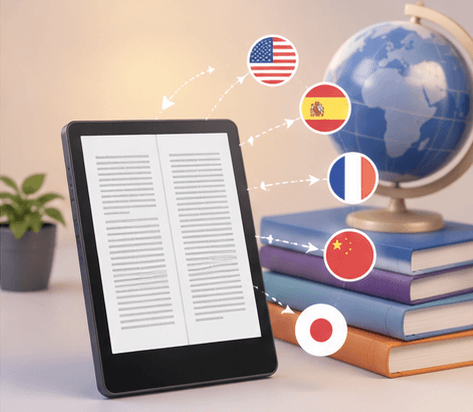
Aké sú 3 typy e-learningu?
E-learning prichádza v rôznych formách a zvolený typ často závisí od predmetu, vzdelávacích cieľov a preferencií študenta. Niektoré bežné typy e-learningu zahŕňajú:
- Samoriadený e-learning: Študenti pracujú s materiálmi kurzu vlastným tempom, čo môže zahŕňať prednahraté prednášky, čítanie a aktivity.
- Virtuálne triedy: Inštruktori a študenti interagujú v reálnom čase pomocou softvéru na videokonferencie pre živé prednášky, diskusie a kolaboratívne aktivity.
- Gamifikácia: Herné prvky, ako sú body, odznaky a rebríčky, sa používajú na zvýšenie angažovanosti a interaktivity v e-learningových kurzoch.
Toto je len niekoľko príkladov mnohých dostupných typov e-learningu, vrátane zmiešaného vzdelávania, mobilného vzdelávania a mikrovzdelávania.
Ceny prekladu e-learningu
Registrácia je bezplatná. Plaťte za dokument v pláne Free, alebo si predplaťte a získajte mesačne AI preklady.
Free
Na registráciu nie je potrebná žiadna karta
- 0,005 $ za slovo AI preklad
- 1 $ za stranu pre skeny a obrázkové PDF
- 108 jazykov
- Súbory do 20 MB a 20 strán
- DOCX, PDF, XLSX, PPTX, IDML, TXT, JPG, PNG a CSV
- Iba 24-hodinové úložisko súborov
- Editor PDF a prevodník PDF do DOCX
Základný
NajobľúbenejšíFakturácia každý týždeň · zrušiť kedykoľvek
Fakturácia mesačne
Fakturácia raz ročne · ušetrite 33 %
- AI prekladov mesačne
- Potom 0,005 $/slovo AI preklad
- Súbory do 100 MB a 300 strán
- DOCX, PDF, XLSX, PPTX, IDML, TXT, JPG, PNG a CSV
- OCR pre naskenované dokumenty
- Úložisko dokumentov
- Prioritná podpora
- 7-dňová bezplatná skúšobná verzia pri mesačnom pláne
- Zrušiť kedykoľvek
Pro
Fakturácia mesačne
Fakturácia raz ročne · ušetrite 34 %
- AI prekladov mesačne
- Potom 0,004 $/slovo AI preklad
- Súbory do 1 GB a 5 000 strán
- DOCX, PDF, XLSX, PPTX, IDML, TXT, JPG, PNG a CSV
- Glosár
- Prioritné spracovanie
- 5 tímových miest
- API požiadavky · 1 000 strán mesačne
- Prístup k MCP pre AI asistentov
- Zrušiť kedykoľvek
Obchodný
Fakturácia mesačne
Fakturácia raz ročne · ušetrite 33 %
- AI prekladov mesačne
- Potom 0,003 $/slovo AI preklad
- Súbory do 1 GB a 5 000 strán
- DOCX, PDF, XLSX, PPTX, IDML, TXT, JPG, PNG a CSV
- Glosár
- Prioritné spracovanie
- 15 tímových miest
- API požiadavky · 5 000 strán mesačne
- Prístup k MCP pre AI asistentov
- Zrušiť kedykoľvek
Enterprise
Potrebujete viac objemu, fakturáciu alebo vlastnú dohodu? Porozprávajte sa s nami o pláne Enterprise.
Ako preložiť váš dokument?
Registrácia na DocTranslator.com
Vytvorte si bezplatný účet a začnite s prekladom e-learningových dokumentov.
Overte svoju e-mailovú adresu
Potvrďte svoj e-mail na aktiváciu účtu DocTranslator.
Naložite svoj dokument
Potiahnite a pustite svoje vzdelávacie materiály, kvízy, manuály alebo iné e-learningové súbory.
Vyberte pôvodný a cieľový jazyk
Vyberte zdrojový jazyk a jazyk, do ktorého chcete dokument preložiť.
Preložiť!
Kliknite na preložiť a stiahnite si dokončený dokument za pár minút.
Preklad e-learningu jednoducho
DocTranslator poskytuje rýchle, presné preklady poháňané umelou inteligenciou pre vzdelávacie materiály, kvízy, manuály LMS a akreditačné dokumenty. Poskytnite bezproblémový vzdelávací zážitok pre študentov, ktorí hovoria rôznymi jazykmi — začnite prekladať ešte dnes.
Ďalšie nástroje
Formáty súborov
Typy dokumentov
Naši partneri