
E-learning fordítási szolgáltatások
A világ legjobb AI-alapú fordítója az Ön szolgálatában
Töltse fel vagy húzza ide a dokumentumot a fordításhoz
Max. fájlméret 1 GB
- OCR beolvasott dokumentumokhoz és fotókhoz
- 108 nyelv
- Eredeti elrendezés megőrizve
E-learning dokumentumok
Az e-learning iparágban számos olyan dokumentum létezik, amelyeket más nyelvekre kell fordítani. Ezek lehetnek:
- Tananyagok, például tantervek, előadások és feladatok
- Online kvízek és tesztek
- Felhasználói útmutatók és kézikönyvek tanuláskezelő rendszerekhez (LMS) vagy más e-learning szoftverekhez
- Marketing anyagok, például weboldal tartalom és brosúrák
- E-mailek és egyéb kommunikáció diákokkal vagy más érdekelt felekkel
- Akkreditációs dokumentumok, például átiratok és oklevelek
Fontos, hogy mindezeket a dokumentumokat pontosan és hatékonyan fordítsák le annak érdekében, hogy zökkenőmentes tanulási élményt biztosítsanak a különböző nyelveket beszélő diákok számára.
Ismerje meg a DocTranslator!
A DocTranslator kifejezetten az asztali tűzfalak és a platformfüggőség megkerülésére lett tervezve. A web-központú online fordítási szolgáltatás dokumentumokhoz bármely modern webböngészőben működik, legyen az Google Chrome, Mozilla Firefox vagy Apple Safari. Még Internet Explorerben is működik (Isten áldja ;-)).
A DocTranslatornak a következő előnyei vannak:
- Mindig elérhető. Bármely böngészőből bejelentkezhet, legyen az asztali vagy mobil (alkalmazás nem szükséges)
- Támogatja az MS Word (.docx), MS Excel (.xlsx) és Adobe PDF (.pdf) fájlokat
- A regisztráció ingyenes és nem igényel kártyát. Minden feldolgozott fájl után fizet, dokumentumonként 0,99 dollártól
- Nagyon versenyképes áron van egy gépi fordítóhoz képest: 0,005 dollár/szó az Ingyenes csomagban, míg a Pro csomag 30 naponta legfeljebb 5000 oldalt tartalmaz, majd 0,004 dollárt számít fel szónként. Ez 200%-kal olcsóbb, mint az iparági átlag.
- Az átlagos átfutási idő mindössze néhány perc. Hasonlítsa ezt össze az emberi munka több napjával!
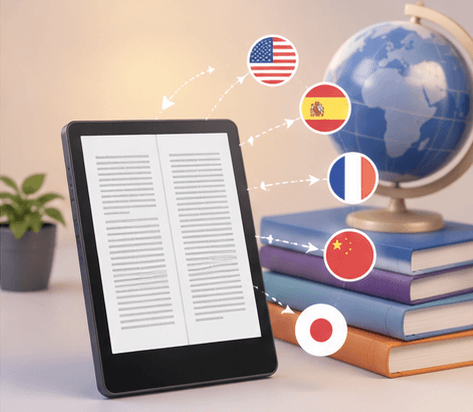
Mi az az e-learning?
Az e-learning bármilyen típusú tanulásra utal, amelyet elektronikusan, általában az interneten keresztül szállítanak. Különböző iparágakban használható, beleértve az oktatást, az egészségügyet, a kormányzatot és az üzleti életet. Az oktatási iparágban az e-learninget arra használják, hogy az oktatási tartalmat távolról juttassák el a diákokhoz, akár a hagyományos osztálytermi oktatás helyett, akár kiegészítéseként. Más iparágakban az e-learninget alkalmazottak képzésére vagy szakmai fejlődési lehetőségek biztosítására használhatják. Az e-learning sokféle formát ölthet, például online kurzusok, webináriumok és virtuális osztálytermek.
Mi a különbség az e-learning és az online tanulás között?
Az e-learning és az online tanulás kifejezéseket gyakran felcserélhetően használják minden olyan tanulási típusra, amelyet elektronikusan, általában az interneten keresztül biztosítanak. Egyesek azonban az „e-learning” kifejezést kifejezetten az önálló, egyéni tanulásra használhatják, míg az „online tanulás” kifejezést inkább az interaktív, valós idejű tanulásra használhatják, amely virtuális osztályteremben vagy más online környezetben zajlik.
Az e-learning sokféle formát ölthet, beleértve az online kurzusokat, webináriumokat és videóelőadásokat, és lehet önállóan elvégezhető vagy konkrét határidőkkel strukturált. Az online tanulás ezzel szemben általában valós idejű interakciót foglal magában az oktató és a diákok között, és olyan tevékenységeket foglalhat magában, mint a virtuális megbeszélések, csoportos projektek és élő előadások.
Összességében az e-learning és az online tanulás közötti fő különbség az interakció és a valós idejű részvétel szintje. Az e-learning gyakran önirányítottabb, és a tanuló saját tempójában végezhető el, míg az online tanulás közvetlenebb oktatást és interakciót foglal magában az oktatóval és más diákokkal.

Mekkora az e-learning iparág?
Az e-learning iparág jelentősen növekedett az elmúlt években, és várhatóan továbbra is növekedni fog. A Global Industry Analysts piackutató cég jelentése szerint a globális e-learning piac értéke 2020-ban 190 milliárd dollár volt, és várhatóan eléri a 375 milliárd dollárt 2026-ra, ami körülbelül 15%-os éves növekedési ütemet (CAGR) jelent. A jelentés olyan tényezőket említ, mint a technológia oktatásban való növekvő elfogadása, a távmunka és az online tanulás térnyerése a COVID-19 világjárvány miatt, valamint a szakmai fejlődés iránti növekvő igény, amelyek az e-learning iparág növekedését hajtják.
Milyen 3 típusú e-learning létezik?
Az e-learning különféle formákban létezik, és a választott típus gyakran függ a tantárgytól, a tanulási céloktól és a tanulói preferenciáktól. Néhány gyakori e-learning típus:
- Önálló e-learning: A tanulók saját tempójukban haladnak az anyaggal, amely előre rögzített előadásokat, olvasmányokat és tevékenységeket tartalmazhat.
- Virtuális osztálytermek: Az oktatók és a tanulók valós időben kommunikálnak videokonferencia szoftver segítségével élő előadások, megbeszélések és közös tevékenységek céljából.
- Gamifikáció: Játékelemeket, például pontokat, jelvényeket és ranglistákat használnak az e-learning kurzusok elkötelezettségének és interaktivitásának növelésére.
Ez csak néhány példa a számos elérhető e-learning típus közül, beleértve a vegyes tanulást, a mobil tanulást és a mikrotanulást.
e-Learning fordítási árak
A regisztráció ingyenes. Fizessen dokumentumonként a Free csomagban, vagy fizessen elő, és kapjon minden hónapban AI fordítást.
Free
Nincs szükség kártyára a regisztrációhoz
- 0,005 $/szó AI fordítás
- 1 dollár oldalanként a beolvasott és kép PDF-ek esetében
- 108 nyelv
- 20 MB és 20 oldal méretű fájlokig
- DOCX, PDF, XLSX, PPTX, IDML, TXT, JPG, PNG és CSV
- Csak 24 órás fájltárolás
- PDF szerkesztő és PDF-ből DOCX konverter
Alap
LegnépszerűbbHetente számlázva · bármikor lemondható
Havi számlázás
Évente egyszeri számlázás · 33% megtakarítás
- AI fordítás havonta
- Majd 0,005 USD/szó AI fordítás
- Fájlok 100 MB-ig és 300 oldalig
- DOCX, PDF, XLSX, PPTX, IDML, TXT, JPG, PNG és CSV
- OCR beolvasott dokumentumokhoz
- Dokumentumtárolás
- Elsőbbségi támogatás
- 7 napos ingyenes próbaidőszak a havi csomagban
- Bármikor lemondható
Pro
Havi számlázás
Évente egyszeri számlázás · 34% megtakarítás
- AI fordítás havonta
- Majd 0,004 USD/szó AI fordítás
- Fájlok 1 GB-ig és 5000 oldalig
- DOCX, PDF, XLSX, PPTX, IDML, TXT, JPG, PNG és CSV
- Szószedet
- Prioritás sor
- 5 csapattag
- API kérések · 1000 oldal havonta
- MCP hozzáférés AI asszisztensekhez
- Bármikor lemondható
Üzleti
Havi számlázás
Évente egyszeri számlázás · 33% megtakarítás
- AI fordítás havonta
- Majd 0,003 USD/szó AI fordítás
- Fájlok 1 GB-ig és 5000 oldalig
- DOCX, PDF, XLSX, PPTX, IDML, TXT, JPG, PNG és CSV
- Szószedet
- Prioritás sor
- 15 csapattag
- API kérések · 5000 oldal havonta
- MCP hozzáférés AI asszisztensekhez
- Bármikor lemondható
Vállalati
Több mennyiségre, számlázásra vagy egyedi megállapodásra van szüksége? Beszéljen velünk az Enterprise csomagról.
Hogyan fordítsa le dokumentumát?
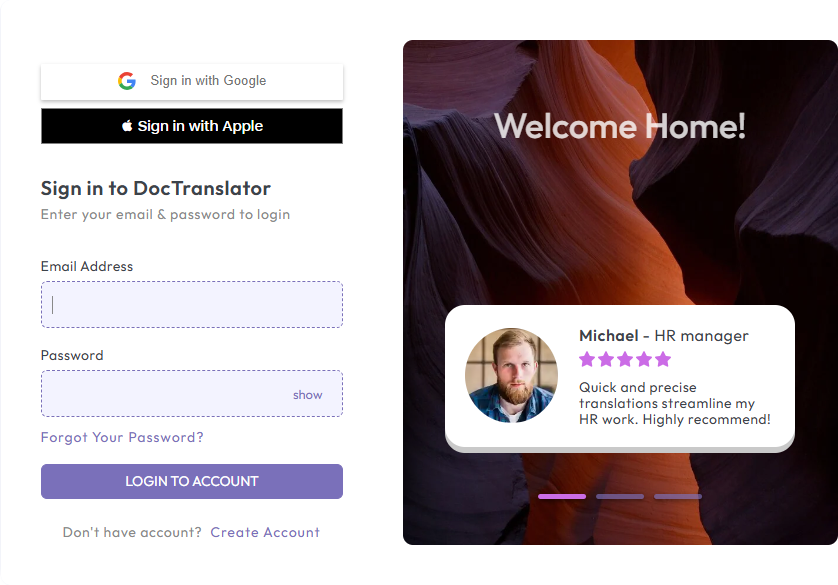
Regisztráció a DocTranslator.com oldalon
Hozzon létre ingyenes fiókot, hogy elkezdhesse az e-learning dokumentumok fordítását.
Erősítse meg e-mail címét
Erősítse meg e-mail címét DocTranslator fiókja aktiválásához.
Töltse fel dokumentumát
Húzza és dobja el kurzusanyagait, kvízeit, kézikönyveit vagy más e-learning fájljait.
Válassza ki az eredeti és a célnyelveket
Válassza ki a forrásnyelvet és azt a nyelvet, amelyre dokumentumát fordítani szeretné.
Fordítás!
Kattintson a fordítás gombra, és töltse le kész dokumentumát percek alatt.
Az e-Learning fordítás egyszerűen
A DocTranslator gyors, pontos, AI-alapú fordítást kínál kurzusanyagokhoz, kvízekhez, LMS kézikönyvekhez és akkreditációs dokumentumokhoz. Zökkenőmentes tanulási élményt biztosítson a különböző nyelveket beszélő diákoknak – kezdje el a fordítást még ma.
További eszközök
Fájlformátumok
Dokumentumtípusok
Partnereink