
PDF файлыг Румын хэл рүү орчуулах
PDF файлыг Румын хэл рүү хөрвүүлэхдээ бүх таван диакритик тэмдэгийг зөв байршуулна: с болон т-ийн доорх commas (седилла орлуулагч биш), мөн а-бреве болон хоёр төв эгшиг. Байрлал, формат хадгалагдана. 1 ГБ хүртэлх файлууд.
Орчуулах файл байршуулна уу эсвэл чирч оруулна уу
Хамгийн ихдээ файлын хэмжээ 1 GB
- скан болон зурагнаас OCR
- 108 хэл
- Анхны загвар хэвээр хадгалагдана
PDF файлыг Румын хэл рүү орчуулах үед юу болдог вэ
Румын хэл нь Латин цагаан толгойг ашигладаг бөгөөд энэ нь PDF файлыг орчуулах нь энгийн байх болно гэсэн санааг төрүүлж болно. Практикт румын хэлний таван онцгой үсэг нь бичгийн хэлнээс илүүтэйгээр хэвлэлтийн асуудал үүсгэдэг. Таван диакритик тэмдэгт нь a-breve (дээд талд нь муруй тэмдэгтэй а), a-circumflex болон i-circumflex (төв дууг илэрхийлдэг), s-comma (sh дуу, s-ийн доор нь таслалаар бичдэг), болон t-comma (ts дуу, t-ийн доор нь таслалаар бичдэг). Хамгийн чухал ялгаа нь таслал болон cedilla хоёрын хоорондох ялгаа юм: Румын улс албан ёсоор таслалтай хэлбэрийг ашигладаг боловч олон фонт, хуучин гарнууд, болон муу экспортолсон PDF файлууд нь харагдах байдлаараа төстэй боловч техникийн хувьд буруу байдаг cedilla хувилбаруудыг орлуулдаг бөгөөд энэ нь дижитал баримт бичигт шүүлт болон хайлтын алдаа үүсгэдэг. DocTranslator нь орчуулсан PDF файл даяар зөв таслалтай хэлбэрийг гаргадаг.
Румын хэлний дүрмийн бүтэц нь илүү төвөгтэй байдаг. Энэ нь Франц, Итали, Испани, Португал зэрэг хэлтэй ижил төрлийн Ромын хэл боловч Баруун салбарууд нь орхигдуулсан Латин хэлний онцлог шинж чанаруудыг хадгалсан байдаг. Румын хэл нь гурван төрлийн хүйстэй байдаг: эр, эм, саармаг. Тодорхой заагч нь нэрийн өмнө байрлах тусдаа үг биш, харин нэрийн төгсгөлд хавсаргасан дагавар юм. "Эр хүн" гэдэг үг нь "om", "эр хүн" нь "omul" юм. "Эмэгтэй хүн" гэдэг үг нь "femeie", "эмэгтэй хүн" нь "femeia" юм. Энэхүү нэгтгэсэн загварыг харгалздаггүй орчуулгын хөдөлгүүр нь заагч байрлалаас хальсан байдалтай, байгалийн бус үр дүнг гаргах болно. Румын хэл нь мөн Латин хэлний ялгалтын систем, нэрлэх, хамаатуулах, хайрлах, заах, болон дуулах хэлбэрийг хадгалж үлдсэн бөгөөд энэ нь англи хэлэнд байхгүй төгсгөлтэй, орчуулсан нэрийн хэллэгийг ихээхэн өөрчилдөг.
Румын хэлээр ойролцоогоор 25 сая хүн ярьдаг. Ихэнх нь Румын улсад ойролцоогоор 19 сая, Молдовад ойролцоогоор 3 сая орчим байдаг бөгөөд тэнд хэл нь үндсэн хуулиар Молдав хэл гэж нэрлэгддэг боловч хэл шинжлэлийн хувьд ижил хэл юм. Итали (ойролцоогоор 1.2 сая), Испани (ойролцоогоор 700,000), Герман (ойролцоогоор 500,000), болон Их Британи (ойролцоогоор 300,000) зэрэг улсуудад их хэмжээний цагаачдын нийгэмлэгүүд байдаг. Румын улс 2007 онд Европын Холбоонд элссэн бөгөөд румын хэлийг ЕХ-ны албан ёсны хэл болгосон бөгөөд Молдова 2022 онд гишүүнээр элсэх өргөдлөө өгсөн. Энэ нь румын хэлээрх PDF файлууд нь Европын олон улсын эрх зүйн болон захиргааны ач холбогдолтой байдаг гэсэн үг юм.
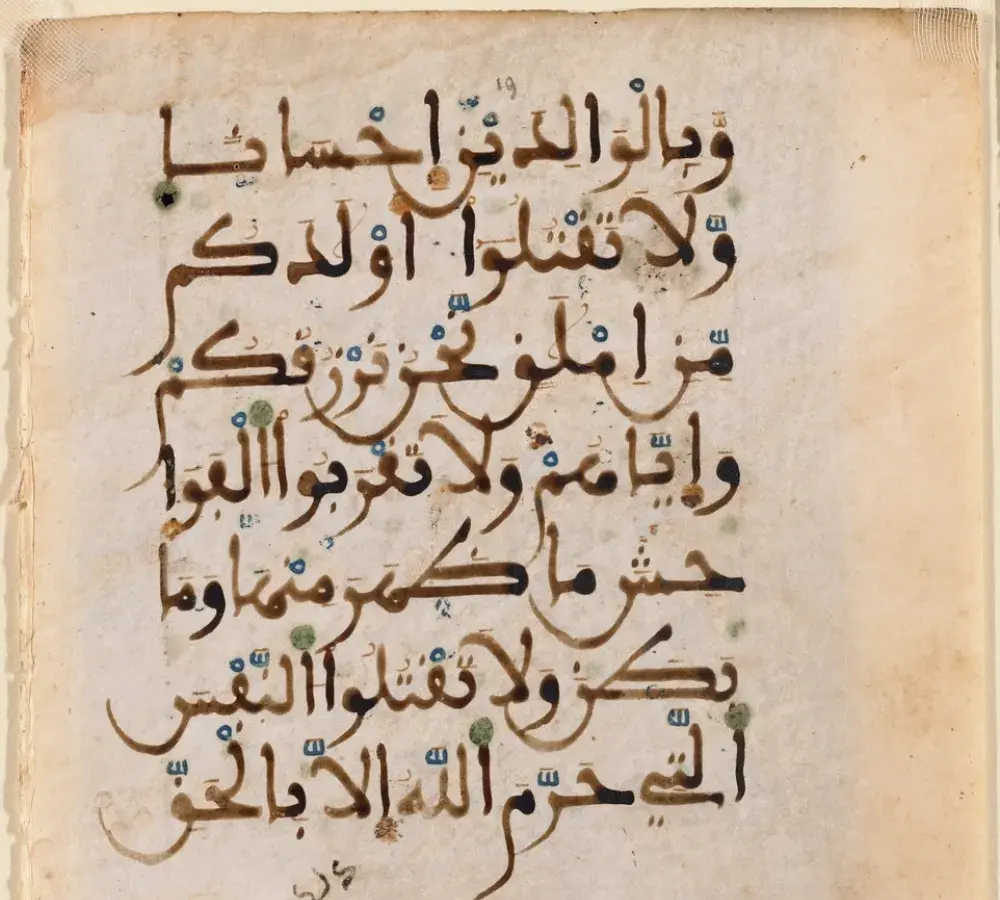
Румын хэл нь 1860-аад он хүртэл Кирилл цагаан толгойг ашигладаг байсан.
Румын хэл нь түүхэндээ Кирилл цагаан толгойгоор бичигдсэн цорын ганц томоохон Ромын хэл юм. 1860-аад онд Латин цагаан толгойг хэрэглэхээс өмнө румын хэлний баримт бичгүүд (шашны гар бичмэл, хууль тогтоомж, захидал харилцаа) нь румын хэлний дуу авиаг илэрхийлэх зорилгоор тохируулсан Кирилл үсгүүдийг ашиглан бичигддэг байв. Энэ нь 19-р зууны румын баримт бичгүүдийг тусгайлан авч үзэх шаардлагатай гэсэн үг юм: тэдгээр нь Кирилл үсгээр бичигдсэн боловч Славян хэлнээс тэс өөр дуу авиатай Ромын хэлний агуулгыг агуулдаг. Түүхэн румын баримтуудыг агуулсан орчуулгын төсөл нь автомат боловсруулалт эхлэхээс өмнө эхлээд бичгийн хэлний эринийг тодорхойлох ёстой.
Орчин үеийн баримт бичгүүдийн хувьд одоогийн Латин цагаан толгойт румын стандартыг 160 гаруй жил хэрэглэж ирсэн бөгөөд хэл нь хууль, эрдэм шинжилгээ, төрийн захиргааны салбарт боловсорсон бичгийн уламжлалтай. Румын хэл нь ЕХ болон хэд хэдэн олон улсын байгууллагуудын албан ёсны хэл юм. Бухарестийн Их Сургуулийн диплом, Румыны иргэний үнэмлэх (buletin), болон Румыны жолооны үнэмлэх зэрэг нь Европ даяар байнга хил давах баримт бичгүүд юм. Ялангуяа Итали, Испани дахь румын цагаачдын томоохон бүлгүүд нь оршин суух, ажил эрхлэх, гэр бүл нэгтгэх журмуудын төлөө румын иргэний болон гэр бүлийн байдлын баримт бичгийг Итали, Испани, Англи хэл рүү орчуулах тогтмол эрэлт хэрэгцээг бий болгодог.
Англи болон Румын хэл хооронд хүмүүс орчуулдаг баримт бичгүүд
ЕХ-ны орнууд дахь румын цагаачдын бүлгүүд, Румыны ЕХ-ны гишүүнчлэл, Молдовын нэр дэвшигчийн статус зэрэг нь хоёр чиглэлд баримт бичгийг орчуулах тогтмол эрэлт хэрэгцээг бий болгодог. Хамгийн түгээмэл баримт бичгийн төрлүүд нь:
- Итали, Испани, Герман, болон Их Британид оршин суух бүртгэл хийлгэх зорилгоор Румыны иргэний үнэмлэх (buletin) болон паспортууд
- ЕХ-ны гишүүн орнуудын жолооны үнэмлэхээр солих зорилгоор Румыны жолооны үнэмлэх
- ЕХ-ны гишүүн орнуудын иргэний байдлыг хүлээн зөвшөөрөх зорилгоор гаргасан гэрчилгээ, гэрлэлтийн гэрчилгээ, гэрлэлт цуцлалтын гэрчилгээнүүд
- Гадаадад зэрэг олгох зорилгоор Бухарестийн Их Сургуулийг оролцуулан Румыны их сургуулиудын эрдмийн диплом болон дүнгийн хуулбар
- Хил дамнасан үл хөдлөх хөрөнгө худалдан авах эсвэл өв залгамжлах явцад ашиглагдах нотариатын баримт бичиг болон итгэмжлэх хуудас
- ЕХ болон Их Британийн ажил олгогчдод алсаас ажилладаг румын мэргэжилтнүүдийн татварын баримт бичиг болон гэрээ
AI орчуулга нь баримт бичгийг унших, ажлын төсөл бэлтгэх, эсвэл румын хэлээрх PDF файлыг ойлгоход сайн ажилладаг. Засгийн газрын байгууллага, цагаачлалын алба, эсвэл шүүхэд албан ёсоор өгөх баримт бичиг нь ихэвчлэн батламжтай орчуулга шаарддаг бөгөөд энэ нь мэргэшсэн хүн орчуулагчаар хянагдаж, гарын үсэг зурсан байх ёстой.
Англи хэлнээс Румын хэл рүү PDF орчуулгын үнэ
Үнэгүй бүртгүүлж, баримт бичиг тутамд төлж, орчуулгын хэрэгцээ нэмэгдэхийн хэрээр сайжруулна уу.
Free
Бүртгүүлэхэд карт шаардлагагүй
- $0.005/үг AI орчуулга
- Скан болон зурган PDF файлуудыг хуудас тутамд $1
- 108 хэл
- 20 MB хүртэлх болон 20 хуудас хүртэлх файлууд
- DOCX, PDF, XLSX, PPTX, IDML, TXT, JPG, PNG болон CSV
- Зөвхөн 24 цагийн файл хадгалалт
- PDF редактор болон PDF-г DOCX руу хөрвүүлэгч
Үндсэн
Хамгийн алдартайДолоо хоног бүр төлнө · хэзээ ч цуцалж болно
Сар бүр төлнө
Жилд нэг удаа төлнө · 33% хэмнэнэ
- AI орчуулга сар бүр багтсан
- Дараа нь $0.005/үг AI орчуулга
- 100 МБ хүртэлх файл, 300 хуудас
- DOCX, PDF, XLSX, PPTX, IDML, TXT, JPG, PNG болон CSV
- Сканердсан баримт бичгийн OCR
- Баримт бичгийн хадгалалт
- Давлагаат дэмжлэг
- Сар бүрийн төлбөрийн хэлтээр 7 хоногийн турш үнэгүй туршилт
- Хэзээ ч цуцлах боломжтой
Pro
Сар бүр төлнө
Жилд нэг удаа төлнө · 34% хэмнэнэ
- AI орчуулга сар бүр багтсан
- Дараа нь $0.004/үг AI орчуулга
- 1 ГБ хүртэлх файл, 5000 хуудас
- DOCX, PDF, XLSX, PPTX, IDML, TXT, JPG, PNG болон CSV
- Нэр томьёоны жагсаалт
- Давлагаат дараалал
- Багийн 5 гишүүн
- API хүсэлтүүд · сард 1000 хуудас
- AI туслахуудад зориулсан MCP хандалт
- Хэзээ ч цуцлах боломжтой
Бизнес
Сар бүр төлнө
Жилд нэг удаа төлнө · 33% хэмнэнэ
- AI орчуулга сар бүр багтсан
- Дараа нь $0.003/үг AI орчуулга
- 1 ГБ хүртэлх файл, 5000 хуудас
- DOCX, PDF, XLSX, PPTX, IDML, TXT, JPG, PNG болон CSV
- Нэр томьёоны жагсаалт
- Давлагаат дараалал
- Багийн 15 гишүүн
- API хүсэлтүүд · сард 5000 хуудас
- AI туслахуудад зориулсан MCP хандалт
- Хэзээ ч цуцлах боломжтой
Аж ахуйн нэгж
Илүү их хэмжээ, нэхэмжлэх эсвэл тусгай гэрээ хэрэгтэй байна уу? Enterprise төлбөрийн хэлтэйн талаар бидэнтэй ярилцана уу.
Таны PDF файлыг румын хэл рүү хэрхэн орчуулах вэ
Үнэгүй данс үүсгэх
Бүртгүүлэх нь онлайн орчуулгын самбарыг ашиглахын тулд имэйл хаягаа ашиглана уу.
PDF файлаа байршуулах
Файлаа чирч оруулах эсвэл хайж сонгоно уу. 1 ГБ хүртэлх файлууд нь Pro болон Бизнес төлбөрийн хэлтээр дэмжигддэг.
Орчуулах хэлээрээ Румын хэлийг сонгоно уу
Таны PDF файлыг анхны хэлээр сонгож, орчуулах хэлээрээ Румын хэлийг тохируулна уу. Гаралт нь бүх румын диакритик тэмдэгтүүдийг зөв хэвлэгдсэн байдлаар агуулна.
Орчуулж, татаж авах
"Орчуулах" товчийг дарж хэдэн минут хүлээснээр таны орчуулсан PDF файл анхны загвараа хадгалсан байдлаар румын хэлээр татаж авахад бэлэн болно.
Бусад баримт бичгийн орчуулгын үйлчилгээнүүдийг үзэх
Англи хэлнээс Румын хэл рүү PDF орчуулгын Түгээмэл асуулт хариулт
Орчуулсан PDF файл дахь Румын диакритик үсгүүд зөв харагдах уу?
Тийм ээ. Румын хэл нь үндсэн Латин цагаан толгойд байдаггүй таван үсэгтэй: a-брэв, a-циркумфлекс, i-циркумфлекс, s-комма-бэлоу, болон t-комма-бэлоу. Хөрвүүлсэн PDF файлуудад хамгийн түгээмэл гардаг алдаа бол зөв comma-below хувилбаруудын оронд s-седилла болон t-седилла-г орлуулах явдал юм. DocTranslator нь зөв Unicode кодыг гаргадаг тул текст нь визуал байдлаар зөв бөгөөд дижитал байдлаар хайх боломжтой.
Румын хэлний дүрмийн ямар онцлог нь PDF орчуулгын чанарт нөлөөлдөг вэ?
Румын хэл нь Латин хэлнээс өвлөж авсан нөхцлийн системтэй Роман хэл юм: нэрлэх, харьяалах, өгөх, заах, дуудах. Мөн гурван дүрмийн хүйстэй бөгөөд тодорхой залгаврыг нэрийн өмнө тусадгаар үг байрлуулахын оронд нэрийн дагавар болгон хавсаргадаг. Эдгээр онцлог шинж чанарууд нь нэрийн бүлгүүд болон тэмдэгтийн тохирлыг зөв зохицуулах ёстой гэсэн үг бөгөөд ингэснээр үр дүн нь байгалийн жамаараа уншигдах болно. Румын хэлний текстийг ашиглан сургагдсан хиймэл оюун ухааны загварууд нь ихэнх баримт бичгийн төрлүүдэд эдгээр хэв маягийг сайн зохицуулдаг.
Румынд ярьдаг Румын хэл болон Молдовад ярьдаг Румын хэл хоёрын хооронд ялгаа бий юу?
Бичгийн стандарт нь үндсэндээ ижил байна. Молдова нь улс төрийн шалтгаанаар хэлийг Молдав хэмээн Үндсэн хуулиндаа нэрлэсэн боловч хэл шинжлэлийн судлаачид болон Молдав Улсын Үндсэн хуулийн шүүх үүнийг Румын хэл болохыг баталсан. Албан ёсны баримт бичиг, хууль эрх зүйн текст, эрдэм шинжилгээний өгүүлэлд ашигладаг бичгийн бүртгэл нь хоёр улсын хооронд яг адилхан байдаг. DocTranslator нь хоёр улсын баримт бичигт зөв байдаг стандарт уран зохиолын Румын хэлийг гаргадаг.
ЕХ-ны цагаачлалын зорилгоор ямар Румын иргэний баримт бичгийг ихэвчлэн орчуулдаг вэ?
Хамгийн түгээмэл орчуулагддаг баримт бичгүүд нь Румыны иргэний үнэмлэх (buletin), жолооны үнэмлэх, төрсний гэрчилгээ, гэрлэлтийн болон гэрлэлт цуцлалтын гэрчилгээ юм. Итали, Испани, Герман, эсвэл Их Британи руу нүүж буй Румыны иргэд ихэвчлэн оршин суух бүртгэл, жолооны үнэмлэх солих, эсвэл гэр бүл нэгтгэх журмуудын төлөө эдгээрийг орчуулах шаардлагатай байдаг. Засгийн газрын байгууллагуудад албан ёсоор өгөх баримт бичгүүдийн хувьд AI-гаар бүтээсэн төслөөс илүүтэй батламжтай орчуулга шаардлагатай.
Хэр хэмжээний Румын PDF файлыг орчуулж болох вэ?
Pro болон Business нь 1 ГБ эсвэл 5,000 хуудас хүртэл, Basic нь 100 МБ болон 300 хуудас, Free нь 20 МБ болон 20 хуудас хүртэл багтаамжтай. Эхлээд богино хэмжээний дээжийг орчуулах нь 0.99 доллараас эхэлдэг бөгөөд энэ нь Румыны тэмдэглэгээ болон форматлал нь бүрэн баримт бичгийг боловсруулахаас өмнө дээж дээр хэрхэн харагдаж байгааг шалгахад хангалттай.
Би Румын хэлнээс англи хэл рүү, мөн англи хэлнээс Румын хэл рүү орчуулж болох уу?
Тийм ээ. Румын-англи хэлний хос нь хоёр чиглэлд ажилладаг. Румын PDF файлыг англи хэл рүү орчуулах нь хилийн чанад дахь иргэд Румын хэлээр ярьдаггүй ажил олгогч эсвэл эрх баригчидтай баримт бичгээ хуваалцах, мөн компаниуд Румын хэлээрх гэрээ эсвэл зохицуулалтын баримт бичгийг хянахад түгээмэл байдаг.
19-р зууны Кирил үсгээр бичигдсэн Румын баримт бичгийг хэрхэн зохицуулах вэ?
Румын хэл нь 1860-аад он хүртэл Кирил үсгийг ашигладаг байсан. Тухайн үеийн баримт бичгүүд нь Кирил үсгээр бичигдсэн боловч Роман хэлийг агуулдаг тул Славян Кирил хэлнүүдэд зориулагдсан стандарт OCR болон автомат орчуулгын хэрэгслүүд үүнийг зөв боловсруулж чадахгүй. Кирил үсэгтэй хуучин Румын баримт бичгүүдийн хувьд, орчин үеийн Румын хэлний чиглэлээр мэргэшсэн хүний орчуулагч хэрэгтэй. DocTranslator нь орчин үеийн Латин үсэгтэй Румын PDF файлуудад зориулагдсан.
Өнөөдөр таны PDF файлыг румын хэл рүү орчуулна уу
DocTranslator нь PDF файлыг онлайн байдлаар румын хэл рүү хөрвүүлдэг бөгөөд таслалтай s болон t хэлбэрийг багтаасан таван диакритик тэмдэгтийг зөв хэвлэн гаргаж, баримт бичгийн загварыг хадгалж, 1 GB хүртэлх файлуудыг дэмждэг.
Холбогдох хэрэгслүүд
Хэлээр PDF орчуулах
Баримт бичгийн төрлүүд
Бидний түншүүд