
Видео тоглоом локалжуулах үйлчилгээ
Дэлхийн шилдэг AI ашиглан орчуулгын үйлчилгээ
Орчуулах файл байршуулна уу эсвэл чирч оруулна уу
Хамгийн ихдээ файлын хэмжээ 1 GB
- скан болон зурагнаас OCR
- 108 хэл
- Анхны загвар хэвээр хадгалагдана
Дараах байгууллагууд итгэдэг
Дэлхийн тэргүүлэх байгууллагууд Doc Translator-т итгэдэг
Бидний түншүүд




Видео тоглоом локалчлал
Видео тоглоом локалчлал нь тоглоомыг тодорхой хэл, соёл, зорилтот үзэгчдэд тохируулан өөрчлөх чухал үйл явц юм. Энэхүү үйл явц нь чухал ач холбогдолтой, учир нь энэ нь тоглоомыг өргөн хүрээний үзэгчдэд хүргэх, өөр өөр хэлээр ярьдаг тоглогчдод илүү хүрч болох боломжийг олгодог.
Локализаци нь тоглоомын текстийг болон аудиог зорилтот хэл рүү орчуулахаас гадна тоглоомын график, байрлал, соёлын ишлэлүүдийг зорилтот үзэгчдэд тохиромжтой болгохын тулд дасан зохицуулах явдал юм. Локализацигүйгээр тоглоом нь зөвхөн хөгжүүлэгчидтэй ижил хэлээр ярьдаг тоглогчдод хандах боломжтой байх бөгөөд энэ нь түүний боломжит үзэгчдийг ихээхэн хязгаарлаж, орлогыг бууруулна.
Видео тоглоомын амжилтад локализацийн нөлөөг хэтрүүлж хэлэх аргагүй юм. Тоглоомыг өөр өөр хэлээр ярьдаг тоглогчдод боломжтой болгосноор хөгжүүлэгчид тоглоомын боломжит үзэгчдийг ихээхэн нэмэгдүүлж, илүү их орлого олох боломжтой. Нэмж дурдахад, локализаци нь тоглоомыг соёлын хувьд тохиромжтой, ойлгомжтой болгосноор тоглогчийн туршлагыг сайжруулахад тусалдаг.
Дүгнэлтээс үзэхэд, видео тоглоом локалчлал нь өргөн хүрээний үзэгчдэд хүрэх, илүү их орлого олохыг хүссэн тоглоом хөгжүүлэгчдийн хувьд зайлшгүй шаардлагатай үйл явц юм. Тоглоомыг тодорхой хэл, соёлд тохируулан өөрчлөх замаар хөгжүүлэгчид тоглоомыг дэлхий даяар тоглогчдод хүрч, хүн бүрт илүү нээлттэй, тааламжтай тоглоомын туршлагыг бий болгох боломжтой.
DocTranslator-тай танилцаарай!
DocTranslator нь ширээний галт хана болон платформын хамаарлыг тойрч гарах зорилгоор тусгайлан бүтээгдсэн. Баримт бичгийн вэб-т суурилсан онлайн орчуулгын үйлчилгээ нь Google Chrome, Mozilla Firefox эсвэл Apple Safari зэрэг орчин үеийн вэб хөтөч дээр ажиллахаар бүтээгдсэн. Энэ нь Internet Explorer (бурхан ивээх болтугай ;-)) дээр ч ажилладаг.
DocTranslator нь дараах давуу талуудтай:
- • Энэ нь үргэлж ажилладаг. Та үүнийг ширээний компьютер эсвэл гар утас (апп шаардлагагүй) аль ч хөтчөөс нэвтрэх боломжтой.
- • MS Word (.docx), MS Excel (.xlsx) болон Adobe PDF (.pdf) файлыг дэмждэг
- • Үнэгүй багц нь ороход $0 бөгөөд та орчуулсан тоглоомын файл тус бүрийг нэг баримт бичиг гэж тооцож, хамгийн багадаа $0.99-оос хэтрэхгүйгээр төлнө.
- • Машины орчуулгын хэрэгсэлд маш өрсөлдөхүйц үнэтэй: Үнэгүй (Free) төлөвлөгөөнд $0.005/үг, Pro болон Business төлөвлөгөөнүүд нь сар бүр 30 хоногт орчуулсан хуудсыг багтаадаг бөгөөд дараа нь үг тутамд $0.004 болон $0.003-аар тооцдог. Энэ нь салбарын дундаж үнээс 200%-иар хямд байна.
- • Дундаж хугацаа нь ердөө хэдхэн минут. Үүнийг хүний бүтээгдэхүүний хэд хоногийн хугацаатай харьцуулна уу!
Баримт бичгээ хэрхэн орчуулах вэ?
DocTranslator.com сайтад бүртгүүлэх
DocTranslator.com сайтад бүртгүүлэх
Имэйл хаягаа баталгаажуулах
Имэйл хаягаа баталгаажуулах
Эх болон зорилтот хэлээ сонгох
Эх болон зорилтот хэлээ сонгох
Видео тоглоом орчуулга гэж юу вэ?
Видео тоглоомыг орчуулах нь эх болон зорилтот хэл хоёуланг нь гүнзгий ойлгох, мөн тоглоомын агуулга, механикийг ойлгох, түүнчлэн зорилтот үзэгчдийн соёлын контекстийг ойлгох шаардлагатай тул нарийн төвөгтэй үйл явц байж болно. Видео тоглоомыг орчуулах зорилго нь анхны текстийн утга санааг chính xác дамжуулах, мөн орчуулга нь зорилтот үзэгчдэд тохиромжтой бөгөөд байгалийн сонсогдож байгаа эсэхийг баталгаажуулах явдал юм.
Видео тоглоом орчуулгын ялгаа юу вэ?
Видео тоглоом орчуулга нь тоглоомын текстийг нэг хэлнээс нөгөө хэл рүү хөрвүүлэх замаар өргөн хүрээний үзэгчдэд хүрэхийг хүссэн тоглоом хөгжүүлэгчдийн хувьд зайлшгүй чухал үйл явц юм. Гэсэн хэдий ч, тоглоомыг өөр өөр хэл, соёлтой тоглогчдод хүртээмжтэй болгохын тулд хэд хэдэн бусад үйл явц ордог.
Видео тоглоомыг локализаци хийх нь тоглоомыг тодорхой хэл, соёл, зорилтот үзэгчдэд тохиромжтой болгохын тулд дасан зохицуулах явдал юм. Энэ үйл явцад тоглоомын текст болон аудиог орчуулах, график болон байрлалыг дахин тохируулах, соёлын ишлэлүүдийг зорилтот үзэгчдэд тохиромжтой болгох зэрэг орно.
Видео тоглоом глобалчлал нь локалчлалыг цааш нь ахиулж, тоглоомыг дэлхий даяар олон хэл, соёлтой тоглогчдын хэрэгцээнд нийцүүлэн дасан зохицуулдаг.
Видео тоглоомыг интернационалжуулах нь тоглоомыг янз бүрийн хэл, соёлд хялбархан локализаци хийх боломжтой байдлаар төлөвлөх, хөгжүүлэх үйл явц юм. Энэ нь ихэвчлэн тоглоомын локализаци хийх боломжтой активуудыг үндсэн кодтой нь салгах явдлыг багтаадаг бөгөөд ингэснээр тэдгээрийг янз бүрийн бүс нутагт хялбархан өөрчлөх боломжтой болно.
Видео тоглоомыг транскреац хийх нь тоглоомын агуулгыг, түүний дотор текст, график болон бусад активуудыг өөр соёл эсвэл зорилтот үзэгчдэд тохиромжтой болгохын тулд дахин тохируулах явдал бөгөөд анхны агуулгын ерөнхий өнгө аяс, хэв маягийг хадгална. Транскреац нь илүү бүтээлч эрх чөлөөг агуулдаг бөгөөд локализаци гэх мэт бусад үйл явцуудаас илүү их өөрчлөлт хийхийг шаардаж болно.
Дүгнэлтээс үзэхэд, видео тоглоом орчуулга нь тоглоомыг өөр өөр хэл, соёлтой тоглогчдод хүртээмжтэй болгох өргөн хүрээний үйл явцын нэг хэсэг юм. Хөгжүүлэгчид тоглоомууд нь дэлхийн үзэгчдэд хүрч, тоглогчдод дэлхий даяар тааламжтай туршлагыг бий болгохын тулд эдгээр бүх үйл явцыг харгалзан үзэх ёстой.
Видео тоглоомыг хэрхэн орчуулах вэ?
Видео тоглоомыг орчуулах нь хэд хэдэн үе шатыг хамардаг:
- • Орчуулах шаардлагатай бүх текст болон аудиог цуглуулна уу. Үүнд тоглоомын яриа, цэс, хэрэглэгчийн интерфэйсийн элементүүд болон тоглоомд гарч буй бусад текст эсвэл аудио орж болно.
- • Орчуулгын зорилтот хэл, үзэгчдийг тодорхойлно уу. Орчуулгын хэлийг сонгохдоо зорилтот үзэгчдийн соёлын контекст болон давуу талыг харгалзан үзэх нь чухал юм.
- • Орчуулгын багийг сонгоно уу. Үүнд орчуулагч, локалчлалын мэргэжилтнүүд, магадгүй төслийн менежер орж болно. Видео тоглоом орчуулах туршлагатай, эх болон зорилтот хэл, соёлыг мэддэг багийг сонгох нь чухал юм.
- • Хэв маягийн гарын авлагыг бий болгоно уу. Хэв маягийн гарын авлага нь орчуулгын өнгө аяс, хэв маягийг, мөн шийдвэрлэх шаардлагатай тодорхой нэр томьёо эсвэл локалчлалын асуудлуудыг тодорхойлсон баримт бичиг юм.
- • Тоглоомын текст болон аудиог орчуулах. Орчуулгын баг нь хэв маягийн гарын авлагыг ашиглан тоглоомын текстийг болон аудиог боловсруулж, орчуулга нь тогтвортой, chính xác байдлыг хангах болно.
- • Орчуулгыг хянаж, туршина уу. Орчуулга дууссаны дараа chính xác эсэхийг болон тоглоомын контекстэд тохирч байгаа эсэхийг шалгахын тулд үүнийг хянах, турших нь чухал юм. Энэ нь тоглоомыг тоглож, орчуулгын алдаа, зөрчлийг шалгах явдлыг багтааж болно.
- • Орчуулгыг тоглоомд нэгтгэнэ. Орчуулга хянагдаж, батлагдсаны дараа үүнийг тоглоомд нэгтгэх ёстой. Энэ нь орчуулсан текст болон аудиог харуулахын тулд тоглоомын кодыг өөрчлөх, мөн локализацийн явцад өөрчлөгдсөн график эсвэл бусад активуудыг шинэчлэх явдлыг багтааж болно.
- • Тоглоомыг локализаци хийж, туршина уу. Орчуулга тоглоомд нэгтгэгдсэний дараа тоглоом нь зөв ажиллаж, зорилтот үзэгчдэд тохиромжтой эсэхийг шалгахын тулд турших нь чухал юм. Энэ нь тоглоомын тохиргоог тохируулах эсвэл бүрэн локализаци хийхийн тулд цаашдын өөрчлөлтүүдийг хийхийг багтааж болно.
Ерөнхийдөө хуулийн гэрээг орчуулах үйл явц нь нарийвчилсан анхаарал, хуулийн нэр томьёо, ойлголтыг гүнзгий ойлгох, үнэн зөв, найдвартай орчуулгыг бий болгох амлалт шаарддаг.
iPhone-д зориулсан видео тоглоомыг орчуулах өртөг нь хэд хэдэн хүчин зүйлээс хамаарч ихээхэн ялгаатай байж болно. Эдгээр хүчин зүйлс нь тоглоомын урт ба нарийн төвөгтэй байдал, зорилтот хэл ба үзэгчид, шаардлагатай локалчлалын түвшинг багтаана.
Видео тоглоом орчуулгын өртөг нь хэл, сэдэв, бэрхшээлийн түвшнээс хамаарч үгийн нэг центээс хэдэн доллар хүртэл байж болно. Текст багатай, аудиогүй энгийн iPhone тоглоомын хувьд орчуулгын өртөг нь энэ хязгаарын доод талд байж болно.
Гэхдээ видео тоглоомыг локализаци хийх нь нарийн төвөгтэй бөгөөд цаг хугацаа их шаарддаг үйл явц гэдгийг санаж байх нь чухал юм. Орчуулгын өртөг нь зорилтот үзэгчдэд тохирсон өндөр чанартай орчуулга хийхэд шаардагдах хүчин чармайлтын түвшинг тусгах болно.
Тоглоом болон орчуулгын тодорхой шаардлагын талаар илүү дэлгэрэнгүй мэдээлэлгүйгээр илүү тодорхой тооцооллыг өгөхөд хэцүү байна. Тиймээс iPhone-д зориулсан видео тоглоомыг орчуулах бодит зардлыг тодорхойлохын тулд мэргэжлийн орчуулгын үйлчилгээтэй зөвлөлдөхийг зөвлөж байна. Ингэснээр хөгжүүлэгчид өөрсдийн зорилтот үзэгчдэд тохирсон, chính xác бөгөөд соёлын хувьд тохирсон өндөр чанартай орчуулгыг авах боломжтой болно.
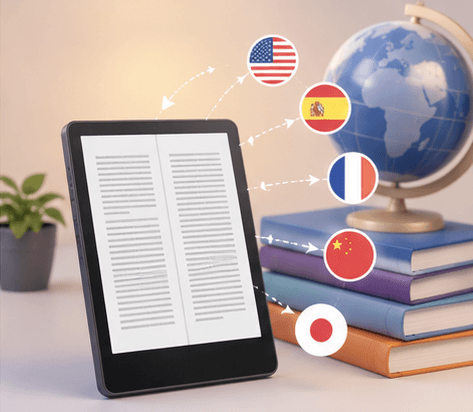
iPhone-д зориулсан энгийн видео тоглоомыг орчуулахад хэр их зардал гарах вэ?
Нэг тоглоомын файлаар эхлэх
DocTranslator-тай дэлхийн тоглогчдод хүрнэ үү. Манай AI-powered платформ нь таны тоглоомын текстийг хурдан бөгөөд хямд үнээр локализаци хийх, орчуулахад тусалдаг бөгөөд ингэснээр та хэл, соёлын дагуу үзэгчдээ өргөжүүлэх боломжтой. Өнөөдөр орчуулж эхэлнэ үү.
Нэмэлт хэрэгслүүд
Файлын төрлүүд
Баримт бичгийн төрлүүд
Бидний түншүүд