תרגום PDF לארמנית
המר קבצי PDF לארמנית עם אלפבית משטוס המלא בן 39 האותיות המוצג כראוי. שני הניבים המזרחי והמערבי נתמכים. הפריסה והעיצוב המקוריים נשמרים. קבצים עד 1 GB.
העלה או גרור ושחרר מסמך לתרגום
גודל קובץ מקסימלי 1 GB
- זיהוי תווים אופטי (OCR) לסריקות ותמונות
- 108 שפות
- הפריסה המקורית נשמרת
מה קורה כשמתרגמים PDF לארמנית
האלפבית הארמני נוצר בשנת 405 לספירה על ידי הנזיר והבלשן מסרופ משטוס, שעיצב אותו לאחר לימוד אלפביתים קיימים באזור והגיע למסקנה שאף אחד מהם לא יכול לייצג במדויק את צלילי הארמנית. הוא יצר 36 אותיות מקוריות, עם שלוש נוספות שהוספו במאה ה-12 כדי לייצג צלילי מילים שאולות, מה שהביא את הסך הכל ל-39. לאלפבית אין קשר ליוונית, סורית, ארמית או כל כתב אחר, למרות דמיון ויזואלי שטחי מסוים בכמה צורות אותיות. מכיוון שהוא נבנה במיוחד עבור ארמנית, הוא מייצג את צלילי השפה בדיוק שכתבים מותאמים בדרך כלל לא משיגים.
דקדוק ארמני מציג אתגרים מבניים החורגים הרבה מעבר לכתב. ארמנית היא שפה מבודדת במשפחת השפות ההודו-אירופיות, כלומר היא שייכת לענף משלה ללא קרובות קרובות. היא עוקבת אחר סדר מילים של נושא-מושא-פועל, שהוא ההפך מסדר נושא-פועל-מושא באנגלית, ולכן משפטים מתורגמים חייבים להיות מובנים מחדש לחלוטין ולא מוחלפים מילה במילה. לארמנית יש שבעה יחסות דקדוקיות, אין מין דקדוקי, והיא מוסיפה את ה-article המוחלט כסיומת לשם העצם במקום להשתמש במילה נפרדת מקדימה. השילוב של סדר SOV, סיומות article, ומערכת יחסות בעלת שבעה מקרים פירושו שמשפט כמו "המהנדס חתם על החוזה" דורש סיומות מילים שונות, סדר מילים שונה, ונקודת חיבור שונה עבור סימן ההגדרה מאשר כל גישת תרגום דמוית אנגלית הייתה מייצרת.
לארמנית יש שני ניבים עיקריים עם תקנים כתובים מובחנים. ארמנית מזרחית מדוברת ברפובליקה של ארמניה ובקרב כ-3 מיליון דוברי שם, והיא התקן הרשמי המשמש בממשלה, בחינוך ובתקשורת בארמניה. ארמנית מערבית היא הניב של הפזורה, עם למעלה מ-5 מיליון דוברי שפות המרוכזים בקהילות בארצות הברית (כ-500,000 בלוס אנג'לס לבדה), צרפת, לבנון וארגנטינה. שני הניבים נבדלים בפונולוגיה, באוצר מילים מסוים, ובדפוסי נטיית פעלים מסוימים, ומסמכים המופקים בניב אחד עשויים להזדקק להפקה בניב אחר עבור הקהל המיועד.
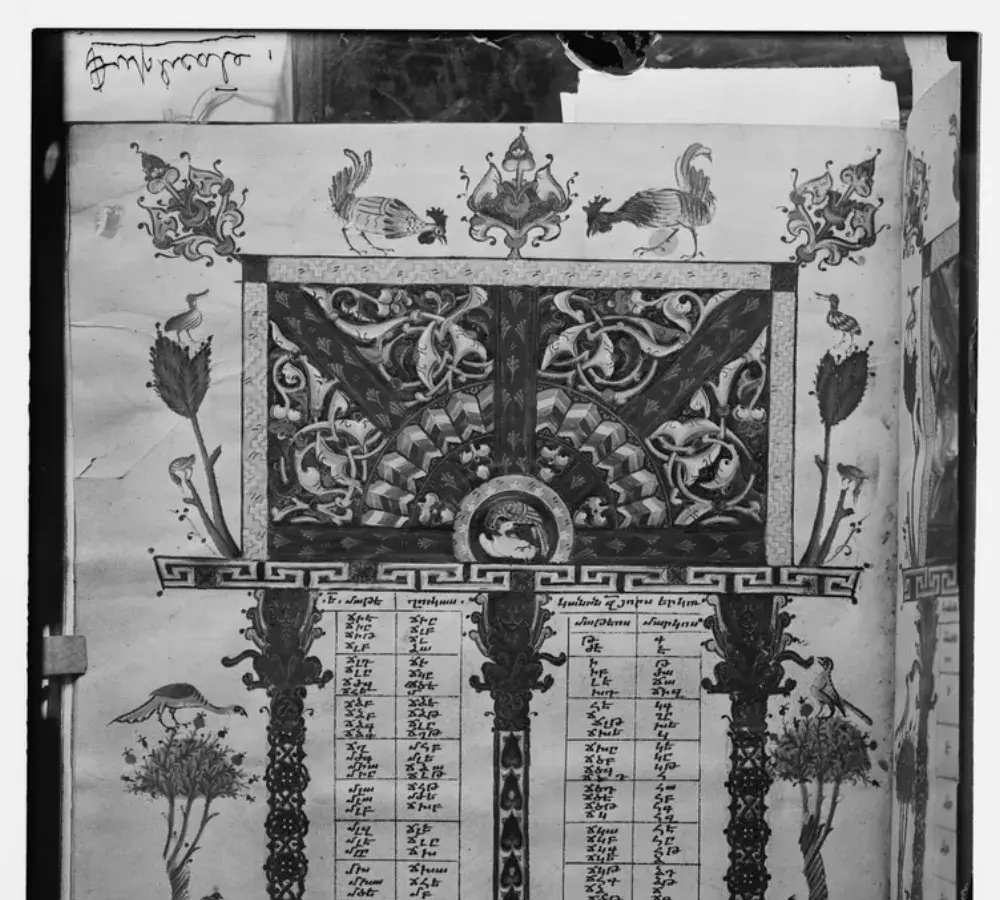
אלפבית משטוס: 1,600 שנות מסורת כתב רציפה
האלפבית הארמני נוצר בשנת 405 לספירה על ידי מסרופ משטוס, מלומד שעיצב אותו לאחר לימוד אלפביתים קיימים באזור והגיע למסקנה שאף אחד מהם לא יכול לייצג במדויק את צלילי הארמנית. הוא יצר 36 אותיות מקוריות, עם שלוש נוספות שהוספו במאה ה-12 כדי לייצג צלילי מילים שאולות, מה שהביא את הסך הכל ל-39. לאלפבית אין קשר ליוונית, סורית, ארמית או כל כתב אחר, למרות דמיון ויזואלי שטחי מסוים בכמה צורות אותיות. מכיוון שהוא נבנה במיוחד עבור ארמנית, הוא מייצג את צלילי השפה בדיוק שכתבים מותאמים בדרך כלל לא משיגים.
רצח העם הארמני בשנת 1915 הפיץ מאות אלפי ניצולים לקהילות פזורה ברחבי המזרח התיכון, צרפת, האמריקות ומקומות אחרים. קהילות אלו נשאו מסמכים מתקופת העות'מאנית, רישומים מנהליים בערבית ומסמכים מתקופת השלטון הצרפתי שאותם דורות מאוחרים יותר צריכים לתרגם למטרות מורשת, משפטיות והגירה. הפזורה הארמנית המערבית בלבנון בפרט הפיקה דורות של ארמנים שמסמכיהם הרשמיים הונפקו בערבית על ידי רשויות לבנוניות, מה שיצר ביקוש עקבי לתרגום מסמכים ארמני-ערבי בשני הכיוונים. קהילת ארמנים בלוס אנג'לס (הגדולה ביותר מחוץ לארמניה) עובדת באופן קבוע עם מסמכים מארמניה, לבנון ונגורנו-קרבאך הדורשים תרגום לאנגלית למטרות משפטיות ורשמיות בארה"ב.
מסמכים שאנשים מתרגמים בין אנגלית לארמנית
הפזורה הארמנית בארצות הברית, צרפת ולבנון, בשילוב עם הגירה מתמשכת מרפובליקת ארמניה, יוצרת ביקוש לתרגום מסמכים בשני הכיוונים. סוגי המסמכים הנפוצים ביותר כוללים:
- דרכונים ארמניים ותעודות זהות לאומיות המוגשים לבקשות ויזה והגירה לארה"ב, שם נדרש תרגום מאושר תואם USCIS
- תעודות לידה, תעודות נישואין וגזרי דין גירושין מרפובליקת ארמניה, הנדרשים לעיתים קרובות לבקשות הגירה של בן זוג או משפחה
- מסמכי פזורה שהונפקו בלבנון, צרפת או ארגנטינה, שעשויים להיות בעצמם בערבית או צרפתית ומתייחסים לשמות פרטיים ארמניים, הדורשים תרגום מארמנית לאנגלית או מצרפתית לאנגלית עם טיפול בשמות ארמניים
- מסמכי קניין ושטרי בעלות מנגורנו-קרבאך מאירועי עקירה, הנדרשים להליכים משפטיים והומניטריים
- תעודות אקדמיות ותעודות גמר מאוניברסיטת ירוואן הממלכתית ומוסדות ארמניים אחרים, המוגשות להערכת כישורים על ידי אוניברסיטאות ומעסיקים בארה"ב
- דוחות רפואיים וסיכומי שחרור מבית חולים מבית חולים ארמניים, הנדרשים כאשר חולים ממשיכים טיפול בחו"ל או מגישים תביעות למערכות בריאות זרות
תרגום בינה מלאכותית מתאים למטרות קריאה, סקירה והכנת טיוטות. להגשות רשמיות לרשויות ההגירה של ארה"ב, בתי משפט או סוכנויות ממשלתיות, נדרש תרגום אנושי מאושר. מסמכים מתורגמים על ידי בינה מלאכותית אינם מתקבלים להגשות USCIS ללא הצהרת אישור ממתרגם מוסמך.
מחירי תרגום PDF לארמנית
הירשם בחינם, שלם לפי מסמך, ושדרג ככל שצרכי התרגום שלך גדלים.
Free
אין צורך בכרטיס אשראי להרשמה
- תרגום AI ב-$0.005 למילה
- $1 לדף עבור סריקות וקובצי PDF מתמונות
- 108 שפות
- קבצים עד 20 MB ו-20 עמודים
- DOCX, PDF, XLSX, PPTX, IDML, TXT, JPG, PNG ו-CSV
- אחסון קבצים למשך 24 שעות בלבד
- עורך PDF וממיר PDF ל-DOCX
בסיסי
הכי פופולרימחויב כל שבוע · בטל בכל עת
מחויב חודשית
מחויב פעם בשנה · חסוך 33%
- תרגום AI כלול בכל חודש
- ואז $0.005 למילה תרגום AI
- קבצים עד 100 MB ו-300 עמודים
- DOCX, PDF, XLSX, PPTX, IDML, TXT, JPG, PNG ו-CSV
- OCR למסמכים סרוקים
- אחסון מסמכים
- תמיכה עדיפות
- 7 ימי ניסיון בחינם בחבילה החודשית
- בטל בכל עת
Pro
מחויב חודשית
מחויב פעם בשנה · חסוך 34%
- תרגום AI כלול בכל חודש
- ואז $0.004 למילה תרגום AI
- קבצים עד 1 GB ו-5,000 עמודים
- DOCX, PDF, XLSX, PPTX, IDML, TXT, JPG, PNG ו-CSV
- מילון מונחים
- תור עדיפות
- 5 מושבים לצוות
- בקשות API · 1,000 עמודים בחודש
- גישת MCP לעוזרי AI
- בטל בכל עת
עסקי
מחויב חודשית
מחויב פעם בשנה · חסוך 33%
- תרגום AI כלול בכל חודש
- ואז $0.003 למילה תרגום AI
- קבצים עד 1 GB ו-5,000 עמודים
- DOCX, PDF, XLSX, PPTX, IDML, TXT, JPG, PNG ו-CSV
- מילון מונחים
- תור עדיפות
- 15 מושבים לצוות
- בקשות API · 5,000 עמודים בחודש
- גישת MCP לעוזרי AI
- בטל בכל עת
ארגוני
צריך יותר נפח, חיוב או הסכם מותאם אישית? דבר איתנו לגבי חבילת Enterprise.
כיצד לתרגם את ה-PDF שלך לארמנית
צור חשבון בחינם
הירשמו עם הדוא"ל שלכם כדי לגשת ללוח הבקרה של התרגום המקוון.
העלה את קובץ ה-PDF שלך
גרור ושחרר את הקובץ שלך או דפדף כדי לבחור אותו. קבצים עד 1 GB נתמכים בחבילות Pro ו-Business.
בחר ארמנית כשפת יעד
בחר את שפת המקור של ה-PDF שלך והגדר ארמנית כשפת היעד. הפלט יכלול את אלפבית משטוס המלא בן 39 האותיות המוצג כראוי עם קידוד Unicode תקין.
תרגום והורדה
לחץ על "תרגם" והמתן מספר רגעים. ה-PDF המתורגם שלך יהיה מוכן להורדה בארמנית עם הפריסה המקורית שנשמרה.
שאלות נפוצות בנושא תרגום PDF לארמנית
האם האלפבית הארמני יודפס כראוי ב-PDF המתורגם?
כן. לאלפבית הארמני 39 אותיות שנוצרו על ידי מסרוב מַשְׁטוֹצ בשנת 405 לספירה. הוא אינו קשור לאף מערכת כתב אחרת. DocTranslator מפיק את כל 39 האותיות תוך שימוש בנקודות קוד Unicode נכונות ומשלב את נתוני הגופן הדרושים ב-PDF כך שהכתב הארמני יוצג בכל מכשיר מודרני ללא צורך בהתקנת גופן נוספת. קובצי PDF מקוריים שתוכננו עבור גופנים לטיניים או קיריליים לפעמים חסרים את הטמעת הגופן הדרושה לארמנית, דבר שתוקן בפלט.
כיצד הדקדוק הארמני משפיע על איכות התרגום?
ארמנית היא שפה מבודדת במשפחת השפות ההודו-אירופיות ועוקבת אחר סדר מילים של נושא-מושא-פועל (SOV), שהוא הפוך מאנגלית. יש לה שבעה יחסות דקדוקיות, אין לה מין דקדוקי, והיא מוסיפה את ה-"הא הידיעה" כסיומת לשם עצם במקום להשתמש במילה נפרדת לפניו. תכונות אלו פירושן שיש לבנות מחדש צירופי שמות עצם, מיקומי פעלים ומיקומי ה-"הא הידיעה" במקום להחליף מילה במילה. מודלי AI שאומנו על טקסט ארמני מטפלים בתבניות אלו כראוי עבור רוב סוגי המסמכים, ומפיקים פלט הנקרא באופן טבעי לדוברי ארמנית.
באיזה ניב ארמני DocTranslator משתמש - מזרחי או מערבי?
DocTranslator מפיק בעיקר ארמנית מזרחית, שהיא התקן הרשמי של הרפובליקה של ארמניה ומשמשת במסמכים ממשלתיים, מוסדות חינוך ותקשורת כתובה רשמית בארמניה. ארמנית מערבית, המדוברת על ידי קהילות פזורה בלבנון, צרפת, ארצות הברית וארגנטינה, שונה בפונולוגיה ובחלק מאוצר המילים. אם המסמך שלך מיועד לקהילת פזורה ספציפית ודורש רמה של ארמנית מערבית, יש לבדוק זאת על ידי מתרגם אנושי המכיר את הניב המערבי לאחר התרגום הראשוני באמצעות AI.
אילו מסמכים ארמניים מתורגמים בדרך כלל לצורכי הגירה לארה"ב?
המסמכים המתורגמים ביותר הם דרכונים ארמניים, תעודות לידה, תעודות נישואין ותעודות גמר אקדמיות מאוניברסיטת ירוואן הממלכתית ומוסדות ארמניים אחרים. הגשות הגירה לארה"ב דרך USCIS דורשות תרגום מאושר עם הצהרת דיוק חתומה ממתרגם אנושי מוסמך. תרגום בינה מלאכותית שימושי להבנת תוכן המסמך ולהכנת טיוטות עבודה, אך אינו מתקבל כתרגום מאושר להגשות USCIS בפני עצמו.
מה גודל קובץ PDF בארמנית שאני יכול לתרגם?
עד 1 GB או 5,000 עמודים ב-Pro ו-Business, 100 MB ו-300 עמודים ב-Basic, ו-20 MB ו-20 עמודים ב-Free. תרגום דגימה קצרה תחילה עולה החל מ-$0.99 ומספיק כדי לוודא כיצד האלפבית הארמני ועיצוב המסמך מטופלים לפני התחייבות לקובץ מלא.
האם ניתן לתרגם מארמנית לאנגלית כמו גם מאנגלית לארמנית?
כן. זוג השפות ארמנית-אנגלית עובד בשני הכיוונים. תרגום PDF ארמני לאנגלית נפוץ עבור חברי פזורה המשתפים מסמכים עם מעסיקים או סוכנויות ממשלתיות בארה"ב, ועבור יחידים העובדים עם רישומי נכסים ארמניים, מסמכים משפטיים או ניירות עקירה מנגורנו-קרבאך שצריכים להיות מובנים על ידי אנשי מקצוע משפטיים או הומניטריים דוברי אנגלית.
כיצד מטופלים מסמכי פזורה ארמניים שמקורם בערבית או בצרפתית?
חלק ניכר ממסמכי פזורה ארמניים, במיוחד אלו של ארמנים לבנונים וקהילות שנעקרו במהלך ואחרי רצח העם ב-1915, הונפקו על ידי מנהלים דוברי ערבית או צרפתית. מסמכים אלו עשויים להכיל שמות פרטיים ארמניים שעברו תעתיק לערבית או לצרפתית, כאשר הרישומים האזרחיים הבסיסיים בשפה שאינה ארמנית. DocTranslator יכול לתרגם מסמכים כאלה מערבית או צרפתית לאנגלית או ארמנית. עבור מסמכים עם כתבים מעורבים או שבהם שמות ארמניים דורשים תעתיק מחדש מדויק, מומלץ לבדוק על ידי מתרגם אנושי לפני השימוש בתרגום למטרות משפטיות או רשמיות.
כלים קשורים
תרגום PDF לפי שפה
סוגי מסמכים
השותפים שלנו